Home
 ArticlesArticles
How sleep quality affects IVF success, examining hormonal changes, ovarian response, embryo quality, and pregnancy risks, while highlighting emerging clinical research and lifestyle strategies that improve reproductive outcomes.




The path to parenthood through in vitro fertilization (IVF) is often described in terms of medical protocols, laboratory precision, and scientific breakthroughs. Yet, beyond the clinical walls, lifestyle factors quietly influence whether treatment succeeds or fails. One such factor is sleep. For generations, restorative rest has been regarded as a cornerstone of health, but only recently has science begun to reveal its intimate ties to fertility.
Increasingly, evidence suggests that sleep quality affects IVF success in ways that are both measurable and profound. From the hormones that govern ovulation to the delicate conditions required for embryo implantation, sleep shapes reproductive potential. When disrupted, it adds another layer of difficulty to a process already fraught with emotional and physical strain.
Sleep is deeply intertwined with the endocrine system, the body’s network of hormone-producing glands. Melatonin, secreted primarily at night, not only regulates circadian rhythms but also plays a protective role in female reproduction. It guards developing eggs against oxidative stress and supports healthy follicular maturation.
Poor sleep caused by late-night schedules, insomnia, or stress reduces melatonin production and elevates cortisol. High cortisol levels, in turn, disrupt the release of luteinising hormone (LH) and follicle-stimulating hormone (FSH), the very signals required for ovulation and egg development. Clinical studies confirm that women reporting insufficient or irregular sleep patterns often exhibit lower ovarian reserve and weaker responses to stimulation drugs during IVF cycles.
The number and quality of eggs retrieved during stimulation are pivotal to IVF outcomes. Emerging research shows that women who sleep less than six hours per night on a consistent basis tend to produce fewer mature oocytes. In contrast, women who maintain seven to eight hours of restful sleep demonstrate better ovarian response and higher-quality eggs.
Animal studies mirror these findings, linking circadian rhythm disturbances with impaired follicular growth and mitochondrial dysfunction in oocytes. To put it simply, the healthier the sleep cycle, the more favourable the ovarian response, offering one more reminder that sleep quality affects IVF success right from the earliest stages of treatment.
Once eggs are fertilised, embryo development becomes the next crucial milestone. Embryos require optimal cellular integrity and energy reserves to progress through cleavage and reach the blastocyst stage. Disturbed sleep has been associated with increased oxidative stress, which compromises mitochondrial activity and, consequently, embryo viability.
Beyond the embryo itself, implantation depends on the receptivity of the uterine lining. Research indicates that disrupted circadian rhythms alter endometrial gene expression, potentially reducing implantation rates. This connection underscores the dual influence of sleep: it impacts both embryo quality and the biological readiness of the womb.
IVF success does not end at implantation it continues through pregnancy maintenance and delivery. Sleep disturbances during early pregnancy are linked to higher rates of miscarriage, gestational diabetes, and preterm birth. Night-shift workers and women exposed to irregular light-dark cycles have been shown to face greater pregnancy complications, hinting again at the circadian system’s role in reproductive health.
For couples navigating IVF, this means that sleep quality is not just a preparatory step but an ongoing necessity. Consistent rest reduces risk, stabilises hormones, and creates a healthier environment for both mothers and children.
Infertility is as much an emotional journey as a physical one. The stress of repeated clinic visits, financial burdens, and uncertainty often manifests in anxiety-related insomnia. Unfortunately, this creates a feedback loop: poor sleep worsens emotional well-being, while heightened anxiety further erodes rest.
This cycle matters because emotional resilience directly influences treatment adherence and coping strategies. Couples who struggle with insomnia often report lower tolerance for the demands of IVF, compounding psychological distress. Supportive counselling, mindfulness practices, and cognitive-behavioural therapy for insomnia (CBT-I) is now being integrated into fertility care as a tool to break this loop.
Clinicians are beginning to explore novel interventions that leverage sleep science in reproductive medicine. Examples include:

Though still in early stages, such approaches highlight a growing recognition that sleep quality affects IVF success and deserves clinical attention alongside traditional hormonal and procedural strategies.
While research continues to evolve, couples undergoing IVF can adopt practical measures to safeguard their sleep health. Specialists recommend:
These are small interventions, but they create the foundation upon which complex reproductive processes can thrive.
In the story of assisted reproduction, sleep rarely claims the spotlight. Yet as science uncovers more about the circadian system’s influence on fertility, one truth is undeniable: sleep quality affects IVF success at every stage from egg development to pregnancy outcomes.
For patients, this recognition offers a sense of agency. While not every factor in IVF can be controlled, prioritising sleep is both attainable and impactful. For clinicians, it invites a broader vision of fertility care, one that embraces not only hormones and lab techniques but also the fundamental rhythms of human biology.
As the field of reproductive medicine advances, the lesson remains timeless: health is holistic, and in the quiet hours of night, the groundwork for new life is laid.



Advanced female age causes fertility decline through reduced egg quantity, increased chromosomal abnormalities, and mitochondrial dysfunction. Understanding these biological mechanisms helps women make informed family planning decisions. Modern fertility treatments including IVF, preimplantation genetic testing, and egg freezing offer practical solutions to overcome age-related reproductive challenges when trying to conceive.
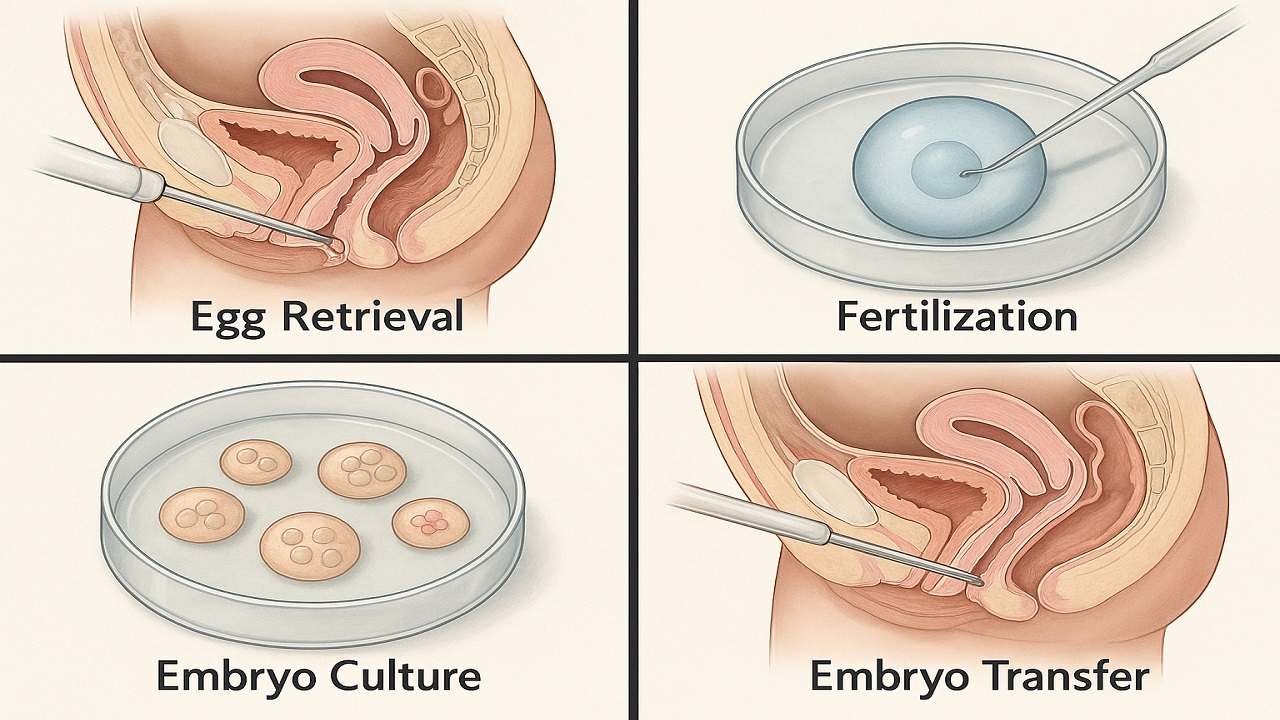
In Vitro Fertilization (IVF) process step by step, emphasising the importance of various stages such as ovarian stimulation, egg retrieval, fertilization, and embryo transfer in maximising the In Vitro Fertilization (IVF) Success Rate. It highlights how a thorough understanding of the procedure can prepare couples and individuals for their In Vitro Fertilization(IVF) journey, ultimately improving their chances of achieving a successful pregnancy.

Vitamin D Deficiency Affect IVF outcomes by influencing endometrial receptivity, embryo quality, and hormone balance. Clinical evidence, age-specific risks, and PCOS implications, while offering actionable strategies to optimize Vitamin D levels and improve IVF success rates and pregnancy outcomes in a structured, patient-focused approach.
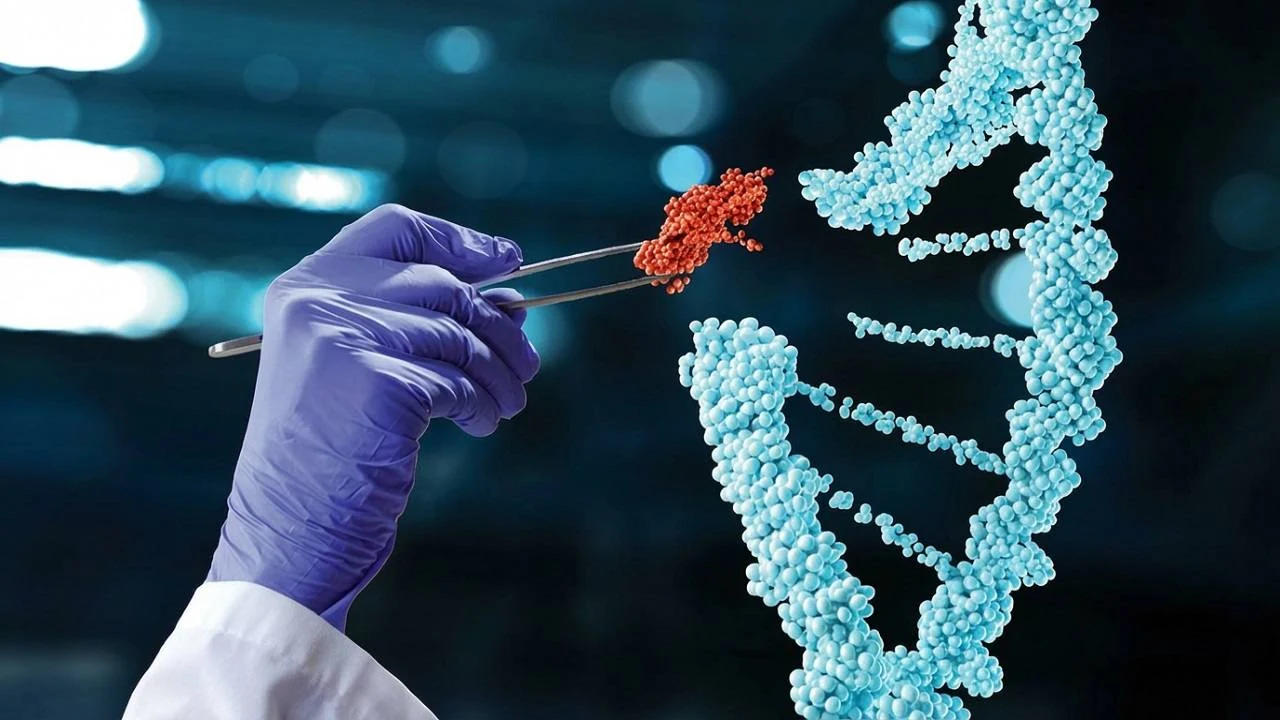
Preimplantation Genetic Testing (PGT) revolutionizes IVF by screening embryos for chromosomal abnormalities and genetic disorders before transfer. This advanced technology increases pregnancy success rates, reduces miscarriage risk, prevents inherited diseases, and shortens time to pregnancy while providing diagnostic clarity and reducing emotional stress for couples.

Clinical evidence increasingly demonstrates that emotional stress or grief reduces the chances of IVF success through sophisticated biochemical pathways that directly influence reproductive physiology. This relationship extends far beyond simple correlations, revealing profound mechanistic connections between psychological distress and the delicate orchestration of hormonal events essential for successful conception.
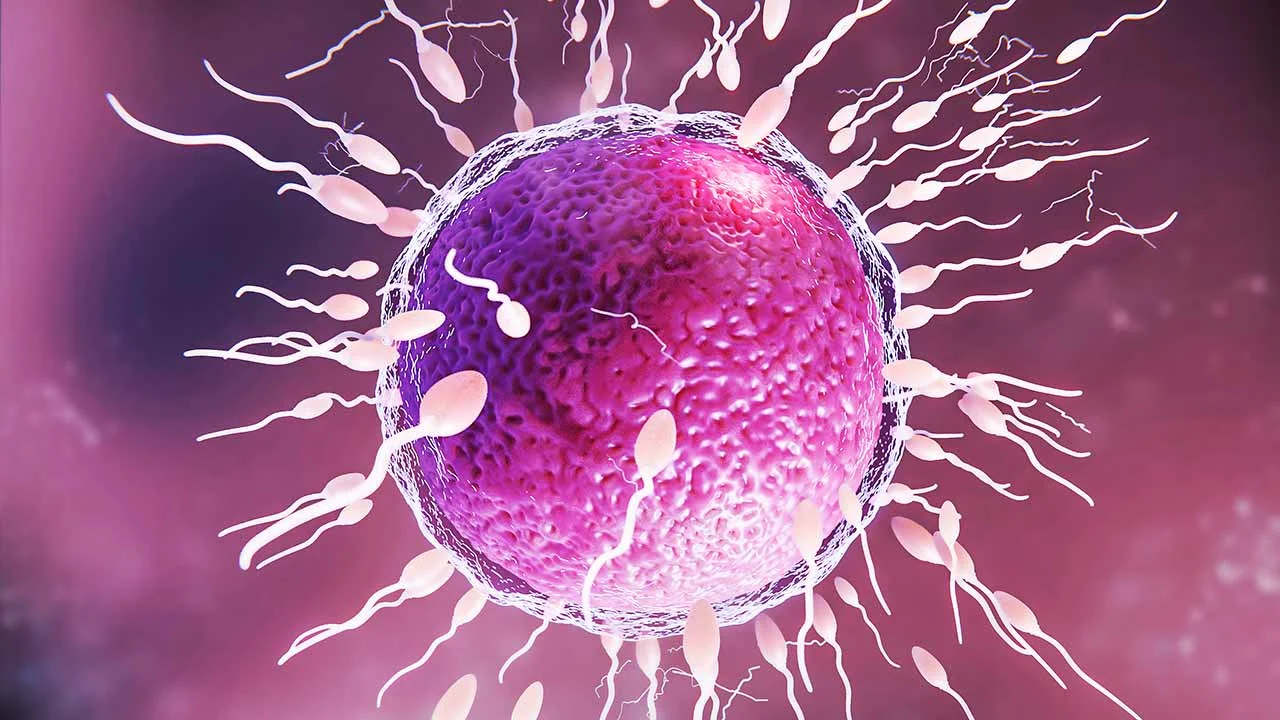
IVF in 2025 is shifting from hype to evidence-based innovation. As precision, automation, AI, and genetic advances reshape fertility care, patients must distinguish proven breakthroughs from outdated add-ons. This guide examines five groundbreaking IVF technologies in 2025 to understand which advances genuinely improve outcomes

Managing Recurrent Implantation Failure (RIF) outlines evidence-based diagnostics and treatment pathways to improve IVF success rates, emphasizing clarity, cautious use of add-ons, and realistic patient expectations.