Home
 ArticlesArticles
How obesity affects IVF outcomes, highlighting how excess body weight disrupts hormonal balance, ovarian function, and embryo implantation. It discusses risks during pregnancy, the importance of psychosocial factors, and the need for integrated care. Emerging interventions and lifestyle changes show promise for improving success rates in obese women undergoing IVF.




Obesity has become a critical factor influencing reproductive health, specifically impacting the success of assisted reproductive technologies like in vitro fertilization (IVF). For women seeking to conceive through IVF, understanding how obesity affects IVF outcomes is essential, as it shapes treatment approaches, expectations, and overall chances for a successful pregnancy. The complex relationship between excess body weight and IVF outcomes is explored, drawing from clinical research and emerging trends to present a balanced, authoritative view.
A fundamental way in which obesity affects IVF outcomes for women is through its disruptive effects on hormonal balance and ovarian function. Adipose tissue alters the metabolism of estrogens and other key reproductive hormones, leading to irregular menstrual cycles and impaired ovulation even before IVF begins. When IVF stimulation starts, women with obesity typically show a blunted ovarian response, requiring higher doses of gonadotropins. This is largely due to pharmacological factors influenced by body fat, where drug absorption and distribution are altered. As a result, fewer mature eggs are often retrieved, diminishing the pool of viable embryos and potentially lowering fertilization rates.
Obesity also creates an inflammatory environment within the ovaries and uterus. This inflammation can impair egg quality and affect the uterine lining’s ability to support embryo implantation, reducing the chances of IVF resulting in pregnancy.
How obesity affects IVF outcomes for women extends beyond egg retrieval to critical post-fertilization stages. One of the main hurdles is the embryo implantation phase. The endometrium must be receptive for embryos to attach and grow, but obesity-related inflammation and hormonal imbalances compromise this receptivity. Research has documented that obese women undergoing IVF tend to have lower implantation rates compared to women of normal weight, even when high-quality embryos are transferred.
 This can be partly attributed to:
Beyond implantation, obesity increases risks during pregnancy achieved via IVF. Women with a high BMI are more prone to gestational diabetes, hypertension, and preeclampsia, conditions that complicate pregnancy management and may increase the risk of miscarriage or preterm birth. These risks contribute to overall lower live birth rates in obese women after IVF treatment. Additionally, some studies suggest that obesity leads to epigenetic modifications in embryos, potentially affecting fetal development and the health of offspring.
Understanding how obesity affects IVF outcomes for women involves considering psychological and treatment adherence factors. The additional stress of managing weight alongside fertility treatments can affect hormonal balance and patient compliance. Increasingly, fertility clinics advocate integrated care models combining nutritional counselling, mental health support, and weight management to maximize IVF success.
In order to optimise doses and treatments for the best results, clinicians also adopt personalised stimulation protocols and closely monitor obese patients.
The growing prevalence of obesity worldwide has prompted innovative research focused on mitigating its impact on IVF. Lifestyle interventions, such as tailored diet and exercise plans, show significant promise in improving ovarian response and pregnancy rates. Pharmacologic agents targeting insulin resistance and inflammation are being tested as adjunct therapies in IVF protocols for obese women. Advances in embryo culture, cryopreservation, and genetic testing further help select the highest-quality embryos for transfer, partially offsetting obesity-related risks.
In conclusion, the question of how obesity affects IVF outcomes for women encompasses a multifactorial array of hormonal, cellular, and systemic challenges. While obesity complicates ovarian stimulation, embryo implantation, and pregnancy health, a comprehensive, multidisciplinary approach can enhance chances for success. Personalised care strategies addressing weight alongside fertility treatments represent the forefront of improving outcomes for obese women seeking IVF.


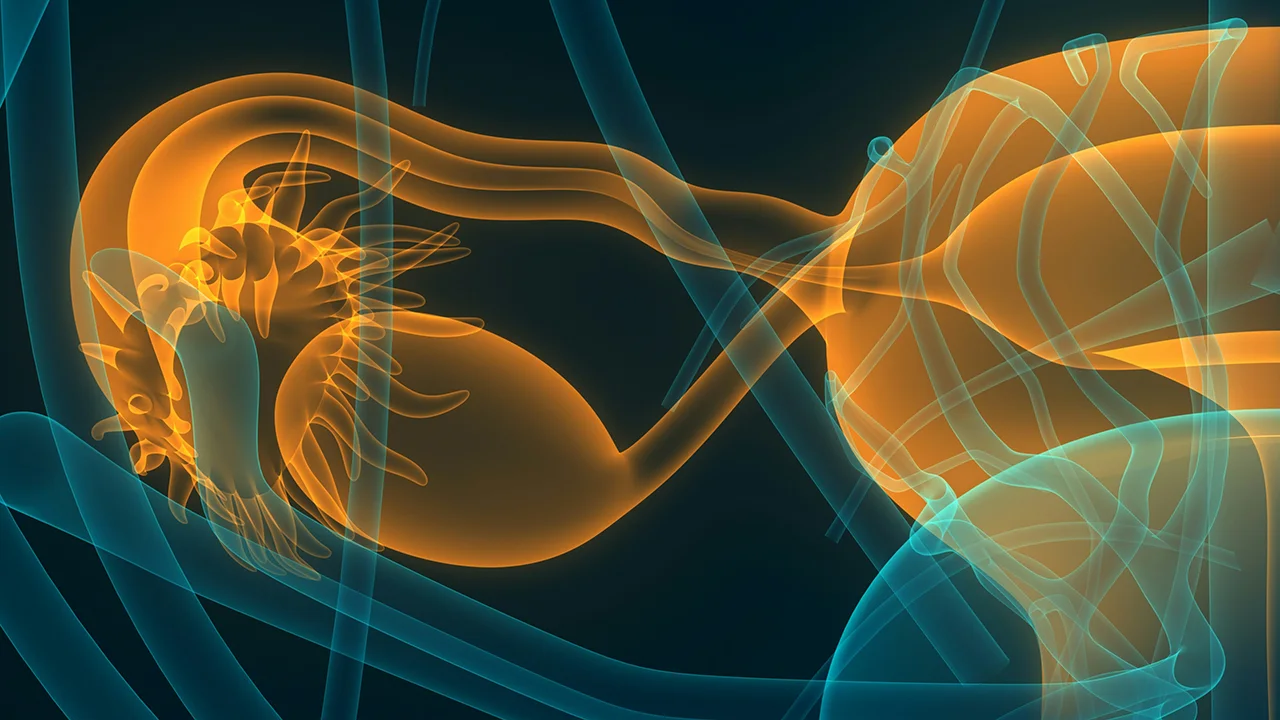
A routine X-ray test of the fallopian tubes may do more than diagnose a problem. This article explains oil-based tubal flushing during hysterosalpingography, what major clinical trials have found about its effect on natural conception, who may benefit, the possible risks and the questions couples should ask their own fertility specialist.
Consumer DNA testing and new open-identity laws are bringing the era of donor anonymity to a close. This article explains why anonymity can no longer be guaranteed, how laws are changing, and what this shift means for donors, intended parents and the growing number of donor-conceived people around the world
Donor genetic screening is moving well beyond basic tests. This article explains how expanded carrier screening and donor-recipient matching work, what recent high-profile cases in Europe have revealed about the limits of screening, and the questions intended parents should ask before choosing donor eggs or sperm for their treatment.
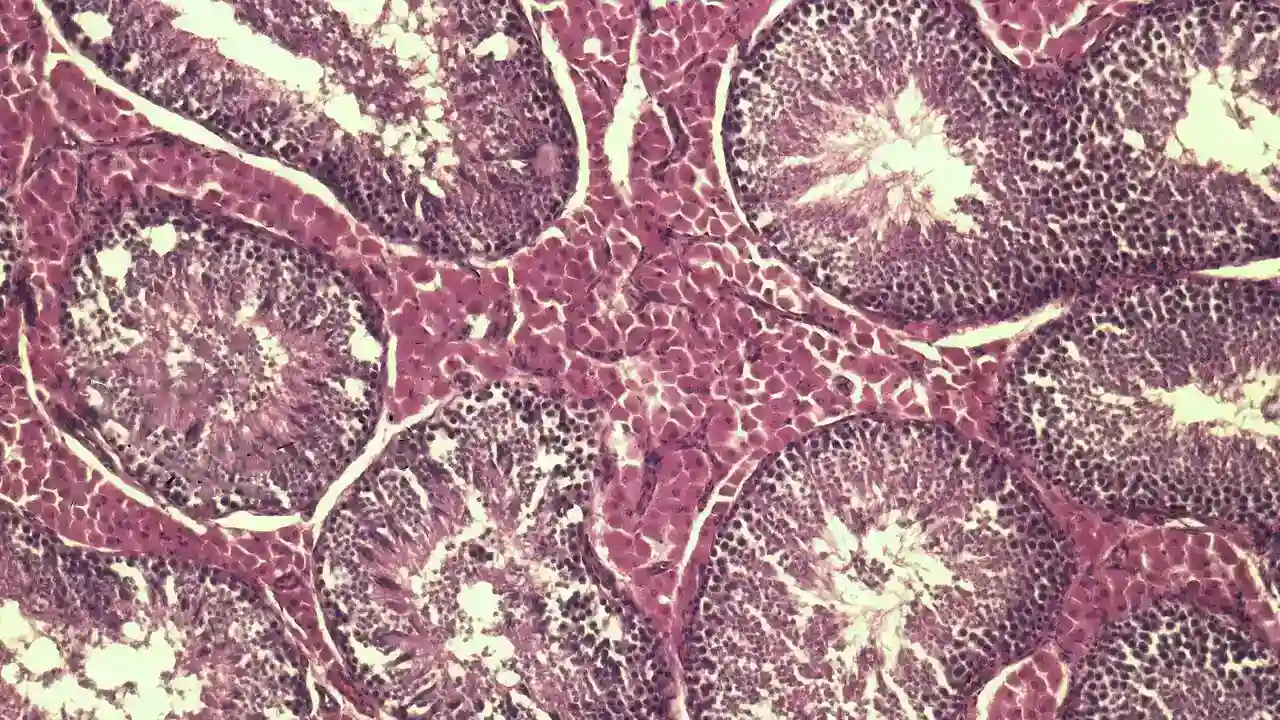
Boys treated for cancer before puberty cannot bank sperm, but freezing testicular tissue containing spermatogonial stem cells may one day restore their fertility. This article explains how the first transplants in adult survivors work, what the early research shows, the risks involved and why families should know about this option.
Microplastics have now been found in human follicular fluid and seminal fluid. This article explores the fast-growing body of research on microplastics and fertility, what scientists know and do not yet know about their effects on eggs and sperm, and practical, evidence-based ways that couples can reduce their everyday exposure.

Fertility conversations often focus on women, yet new research on sperm epigenetics shows a father's environment matters too. This article explains how air pollution may alter chemical marks on sperm DNA, why those changes could matter for fertility and pregnancy, and the practical steps men can reasonably consider before conception.
Donor eggs have long been seen as a way to reset the reproductive clock, but new research suggests uterine ageing also plays a role. This article explains what the latest evidence shows, how the ageing uterus may affect implantation and pregnancy, and how women in their late forties can prepare.