Home
 ArticlesArticles
Female infertility diagnosis requires a structured, multi-step medical approach. Doctors combine history, physical exams, hormone testing, ovulation assessment, ultrasound, tube evaluation, and advanced testing to uncover the root causes of difficulty conceiving. This framework provides clarity, guides treatment choices, and supports more accurate, personalized fertility care.



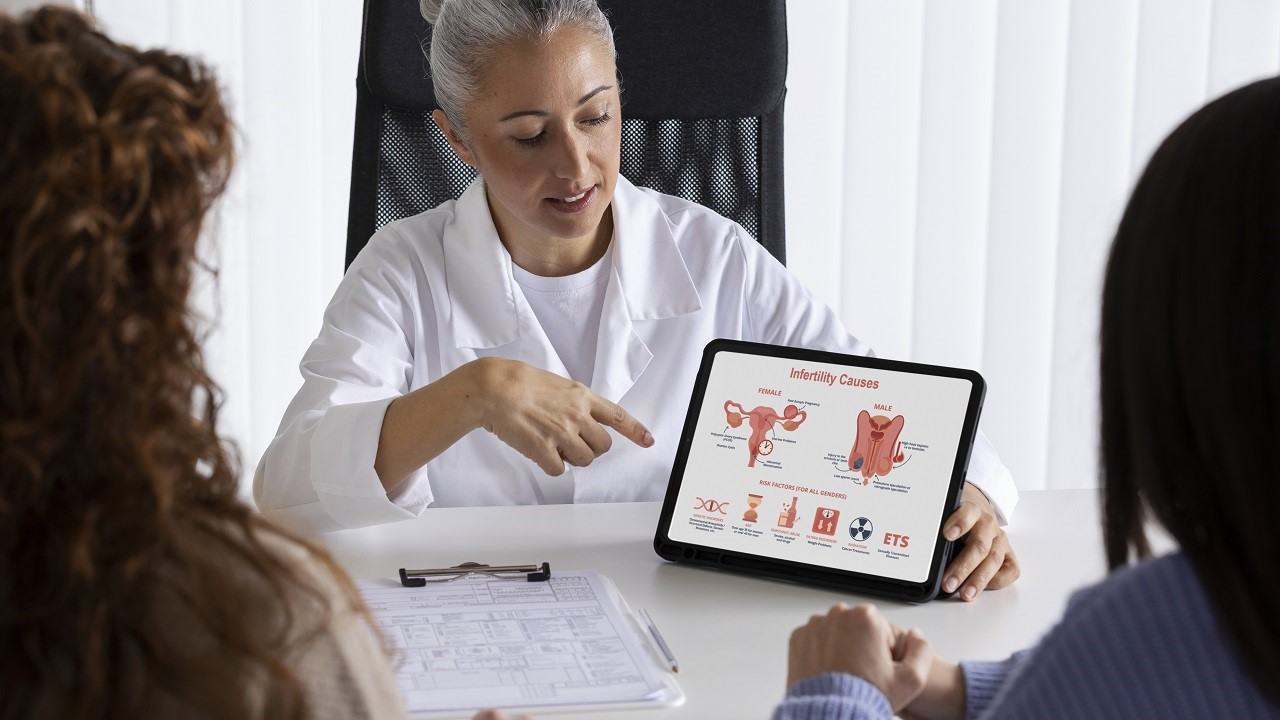
For many women, difficulty conceiving brings both emotional stress and a strong need for clear answers. Diagnosing infertility in females is deeply personal, yet the medical process behind it is structured, logical, and increasingly sophisticated. Today, reproductive specialists follow a step-by-step approach that combines history, examination, hormone testing, imaging, and sometimes advanced lab work to understand why pregnancy is not happening as expected.
The process of diagnosing fertility in females is organized in an easy-to-follow way while preserving the clinical depth needed by professionals, healthcare leaders, and informed readers.
Infertility is not a single disease. It can involve hormones, egg quantity and quality, fallopian tubes, the uterus, the immune system, or genetics. Because of this, there is no single “infertility test.” Instead, doctors build a full picture over several steps.
Female fertility depends on:
Any disruption in one or more of these areas can make conception difficult, so accurate diagnosis is essential before choosing treatments like medication, IUI, or IVF.
The process always starts with a detailed conversation and examination. This is where many important clues appear.
Doctors explore menstrual cycles, looking at whether they are regular or irregular and whether periods are painful, very heavy, very light, or absent. They ask about past pregnancies, including any previous successful pregnancies, miscarriages, or ectopic pregnancies, because these events can guide both diagnosis and treatment. They review infections or surgeries, such as a history of pelvic inflammatory disease, sexually transmitted infections, appendectomy, fibroid surgery, or ovarian surgery, as these can affect the tubes and pelvic anatomy.
Symptoms are discussed in depth, including pelvic pain that might suggest endometriosis, excess facial or body hair or acne that may point toward PCOS, and hot flashes that can indicate low ovarian reserve. Lifestyle and family history are also important, so doctors ask about weight changes, smoking, intense exercise patterns, and any family history of early menopause or fertility problems.
During the physical examination as part of diagnosing infertility in females, doctors look for general signs such as BMI in the underweight or overweight range, thyroid enlargement, or abnormal breast discharge. They also check for signs of hormone imbalance, including acne, excess hair growth, or hair thinning. Pelvic findings such as uterine enlargement, tenderness, masses, or pain help identify conditions like fibroids, endometriosis, or pelvic inflammatory disease, all of which can contribute to difficulties conceiving.

Blood tests help doctors understand how well the reproductive system is functioning. These are often done early in the menstrual cycle (usually days 2-5) and again later in the cycle if needed.
Abnormal patterns across these hormones help identify conditions such as anovulation (not ovulating), polycystic ovary syndrome (PCOS), diminished ovarian reserve or premature ovarian insufficiency, and thyroid or pituitary disorders.

Even with normal hormone levels, doctors confirm that ovulation actually happens and happens regularly.
If ovulation is absent or irregular, doctors consider causes such as PCOS, hypothalamic dysfunction related to stress or weight changes, thyroid disease, or high prolactin.

Many causes of infertility are structural and silent women may have no pain or obvious symptoms so imaging is an essential part of the workup.
Structural problems found on these tests can block sperm from reaching the egg, interfere with implantation by distorting the uterine cavity, or increase miscarriage risk when there is a uterine septum or severe scarring.
Some diagnoses require the combination of history, lab results, and imaging before they become clear.
Polycystic Ovary Syndrome (PCOS) typically involves irregular or absent periods, signs of high androgens such as hair growth or acne, and a polycystic appearance of the ovaries on ultrasound. Endometriosis occurs when tissue similar to the uterine lining grows outside the uterus, often on the ovaries, tubes, or pelvis. This can affect egg quality, tubal function, and pelvic anatomy and often causes painful periods or intercourse. Premature Ovarian Insufficiency (POI) arises when the ovaries lose function before age 40, often presenting with high FSH, low AMH, and irregular or stopped periods.
Diagnostic indicators can include persistent cycle irregularity, elevated FSH or androgens, low AMH or small ovarian volume, pelvic pain or tenderness, and low egg yield in ovarian stimulation cycles. When several of these findings appear together, doctors can more confidently identify the underlying disorder.
If standard tests do not reveal a cause, or when there are recurrent miscarriages or very early ovarian failure, doctors may step into more specialized testing.
These evaluations help when there is recurrent pregnancy loss, suspected immune‑mediated problems, or unexplained premature ovarian insufficiency, and they can influence both prognosis and treatment choices.
Even with all these tools, some couples receive a diagnosis of unexplained infertility. This does not mean there is no cause; it means current tests have not identified it.
In these cases, doctors may suggest closer cycle monitoring, laparoscopy to look for hidden endometriosis, timed intercourse with ovulation induction, intrauterine insemination (IUI), or in vitro fertilization (IVF), depending on age and duration of infertility. Unexplained infertility highlights that reproductive science is still evolving and that some subtle egg, sperm, or implantation issues are not yet easily measurable.
Guidelines are based largely on age, because egg quantity and quality decline over time.
Women with very irregular cycles, known uterine or tubal problems, or a history of chemotherapy, radiation, or pelvic surgery should seek help sooner, rather than waiting for these time frames to pass.
Diagnosing infertility in females is not about chasing one perfect test; it’s about weaving together every clue the body offers. When doctors combine history, hormones, imaging, and advanced assessments, they create a full, honest picture of a woman’s reproductive health instead of relying on guesswork. And with today’s sharper science, clearer imaging, and more refined markers, this process has become more precise than ever, giving women and couples not just answers but a clearer path forward and a little more hope in the journey to parenthood. `


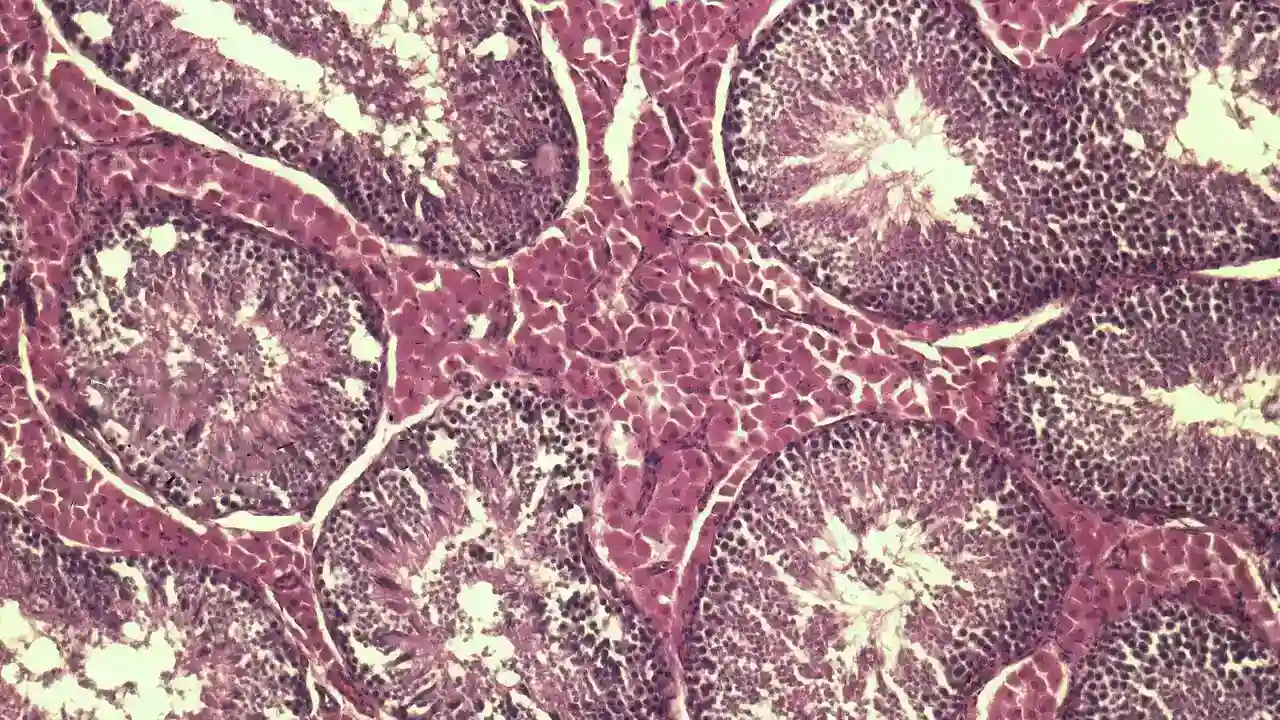
Boys treated for cancer before puberty cannot bank sperm, but freezing testicular tissue containing spermatogonial stem cells may one day restore their fertility. This article explains how the first transplants in adult survivors work, what the early research shows, the risks involved and why families should know about this option.
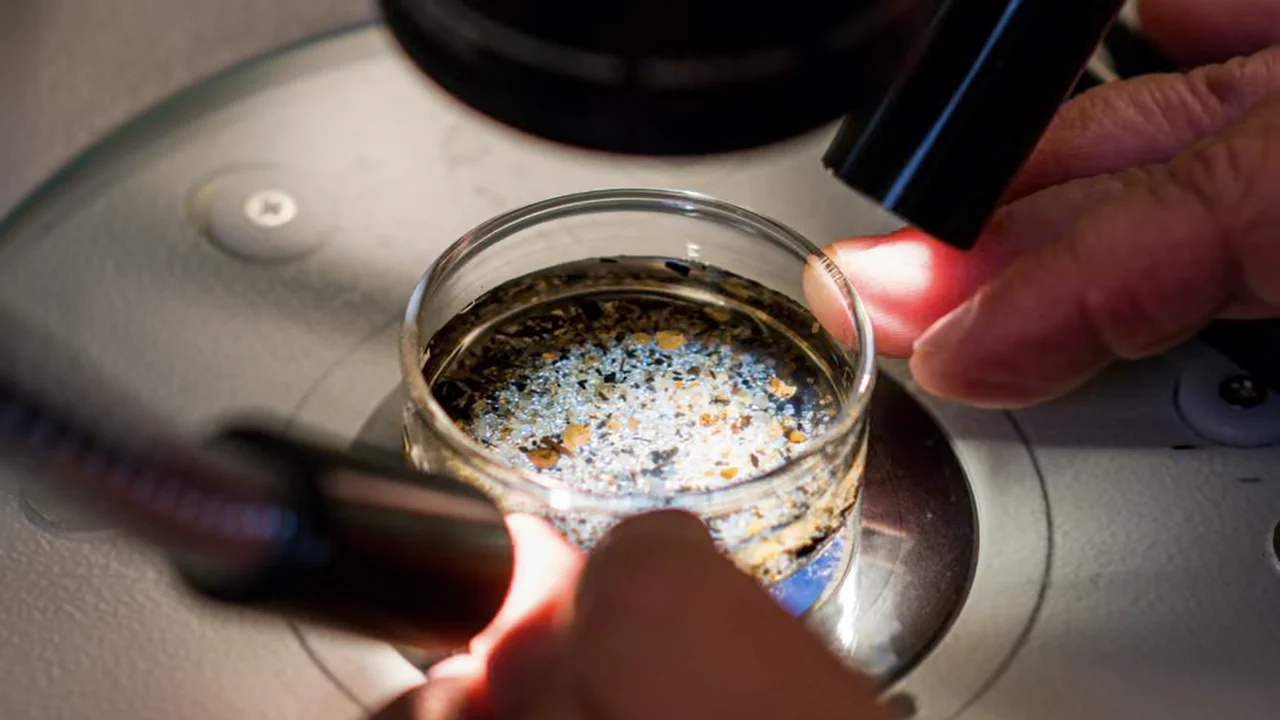
Microplastics have now been found in human follicular fluid and seminal fluid. This article explores the fast-growing body of research on microplastics and fertility, what scientists know and do not yet know about their effects on eggs and sperm, and practical, evidence-based ways that couples can reduce their everyday exposure.

Fertility conversations often focus on women, yet new research on sperm epigenetics shows a father's environment matters too. This article explains how air pollution may alter chemical marks on sperm DNA, why those changes could matter for fertility and pregnancy, and the practical steps men can reasonably consider before conception.
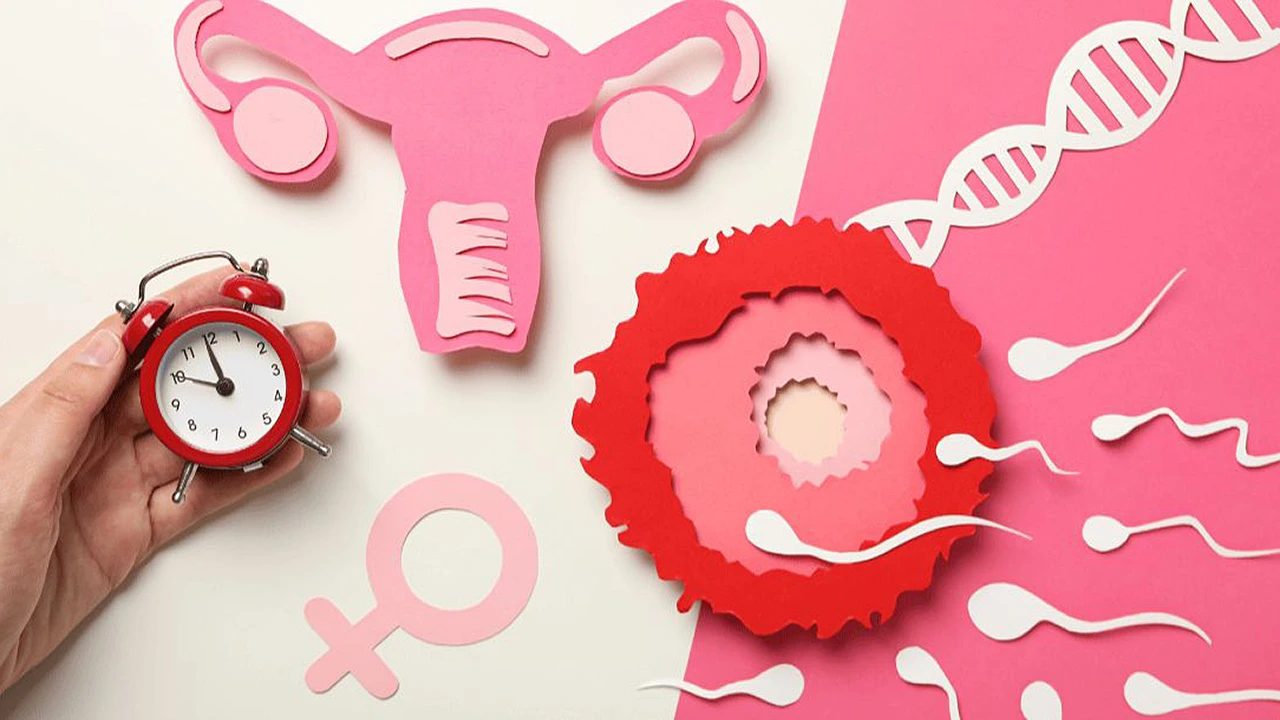
Donor eggs have long been seen as a way to reset the reproductive clock, but new research suggests uterine ageing also plays a role. This article explains what the latest evidence shows, how the ageing uterus may affect implantation and pregnancy, and how women in their late forties can prepare.
In vitro gametogenesis, the science of creating eggs and sperm from ordinary body cells, has moved from mouse studies towards human research. This article explains how the approaches work, what recent milestones really show, the obstacles that remain and why clinical use is still likely to be several years away.
Mitochondrial donation, often called three-parent IVF, has now produced the first detailed clinical results, with healthy children born to mothers at high risk of passing on mitochondrial disease. This article explains how the technique works, who it is for, what the evidence shows and which scientific questions remain open
A new AI sperm recovery technique is changing the outlook for men with azoospermia. This article explains how the STAR method scans semen samples for rare hidden sperm, what its first reported pregnancy means, who may benefit, and the key questions couples should raise with their own fertility specialist.