Home
 ArticlesArticles
How processed foods, sugar, and trans fats affect IVF success rates, examining hormonal shifts, embryo quality, implantation, pregnancy risks, and the role of nutrition in shaping reproductive outcomes.




In the delicate balance of human reproduction, nutrition plays a role that is often underestimated yet deeply consequential. For couples navigating assisted reproductive technology, lifestyle choices can tip the scale between failure and success. Among these, diet remains central. Questions around how processed foods, sugar, or trans fats affect IVF success rates have moved beyond speculation to evidence, with growing data linking dietary patterns to hormonal health, ovarian response, embryo quality, and implantation. Understanding these relationships is not merely about dietary discipline, it is about reshaping the environment in which conception takes root.
Processed foods are often high in refined carbohydrates, sodium, preservatives, and unhealthy fats, all of which contribute to metabolic disruption. Women undergoing IVF require a delicate hormonal balance for controlled ovarian stimulation, yet processed diets tend to raise insulin resistance and lead to abnormal androgen levels. This, in turn, disturbs ovulatory cycles and lowers the efficiency of follicle development.
Emerging research suggests that women with diets rich in processed foods are more prone to polycystic ovary syndrome (PCOS)-like hormonal patterns. For IVF, this is critical. Poor hormonal regulation translates into fewer mature oocytes, a less predictable ovarian response, and an overall diminished probability of pregnancy.
Sugar’s influence on reproductive health extends beyond calories. High sugar intake, particularly from sweetened beverages or refined snacks, spikes blood glucose and elevates oxidative stress in ovarian cells. This oxidative stress damages the mitochondrial function of oocytes, the powerhouse of cellular energy needed for fertilisation and embryo development.
In IVF cycles, embryo quality determines success rates. Elevated blood glucose has been shown to compromise the chromosomal stability of embryos, resulting in lower implantation potential and higher miscarriage risk. Women consuming diets high in sugar also experience a higher incidence of systemic inflammation, which disrupts endometrial receptivity, reducing the chances of embryos attaching securely to the uterine lining.
Few dietary components are as detrimental to reproductive health as trans fats. These artificially modified oils, found in fast food, margarine, and packaged snacks, exert systemic harm by increasing inflammatory cytokines and disrupting lipid metabolism.
Clinical data highlights that women with higher trans fat consumption have significantly lower rates of successful implantation and higher rates of early pregnancy loss during IVF. Trans fats also interfere with insulin sensitivity, compounding the hormonal imbalances triggered by processed and sugary foods. Together, they form a dietary triad of disruptions that jeopardise not only IVF outcomes but also long-term maternal health.
While diet is a standalone factor, its effects are magnified through obesity. Processed foods, sugar, and trans fats contribute directly to weight gain and central obesity, which remain among the strongest predictors of poor IVF outcomes.
Obesity alters reproductive physiology on multiple fronts:

These pathways highlight the cumulative effect of poor dietary choices, processed foods and unhealthy fats do not act in isolation but exacerbate systemic vulnerabilities when coupled with obesity.
The psychological burden of IVF is immense, and dietary habits often reflect emotional coping mechanisms. High sugar and processed food consumption are frequently tied to stress and emotional eating during fertility struggles. Unfortunately, these foods worsen not only physical outcomes but also mental resilience. Studies have observed that women adhering to whole-food, anti-inflammatory diets report lower levels of anxiety and depression during IVF treatment. Diet, therefore, influences both biological readiness and psychological stamina, two elements inseparable in fertility care.
Traditional clinical wisdom already recognises the importance of nutrition, but newer approaches offer more precision. Research into the Mediterranean and plant-based diets indicates measurable improvements in oocyte quality, endometrial receptivity, and implantation rates. These diets are rich in antioxidants, omega-3 fatty acids, and whole grains, which directly counteract the inflammatory and metabolic effects of processed foods, sugar, and trans fats.
Forward-thinking interventions include targeted nutraceuticals like coenzyme Q10, resveratrol, and omega-3 supplementation to support mitochondrial function and reduce oxidative damage. Combined with structured weight management and low-glycemic diets, these measures are emerging as adjunct therapies alongside IVF protocols.
The evidence is unequivocal: diet is not a background factor but a central determinant of reproductive potential. How processed foods, sugar, or trans fats affect IVF success rates must now be viewed through the same lens as other clinical interventions. By undermining hormonal balance, damaging embryo quality, and impairing implantation, these dietary culprits compromise both the science and the hope that IVF represents.
Conversely, shifting toward whole foods, anti-inflammatory nutrients, and sustainable weight management offers women not just better IVF outcomes but improved overall health for pregnancy and beyond. Fertility, in this light, is not merely a medical process but a reflection of the environment we create within our bodies, an environment that must be nurtured with intention, discipline, and knowledge.



Advanced female age causes fertility decline through reduced egg quantity, increased chromosomal abnormalities, and mitochondrial dysfunction. Understanding these biological mechanisms helps women make informed family planning decisions. Modern fertility treatments including IVF, preimplantation genetic testing, and egg freezing offer practical solutions to overcome age-related reproductive challenges when trying to conceive.
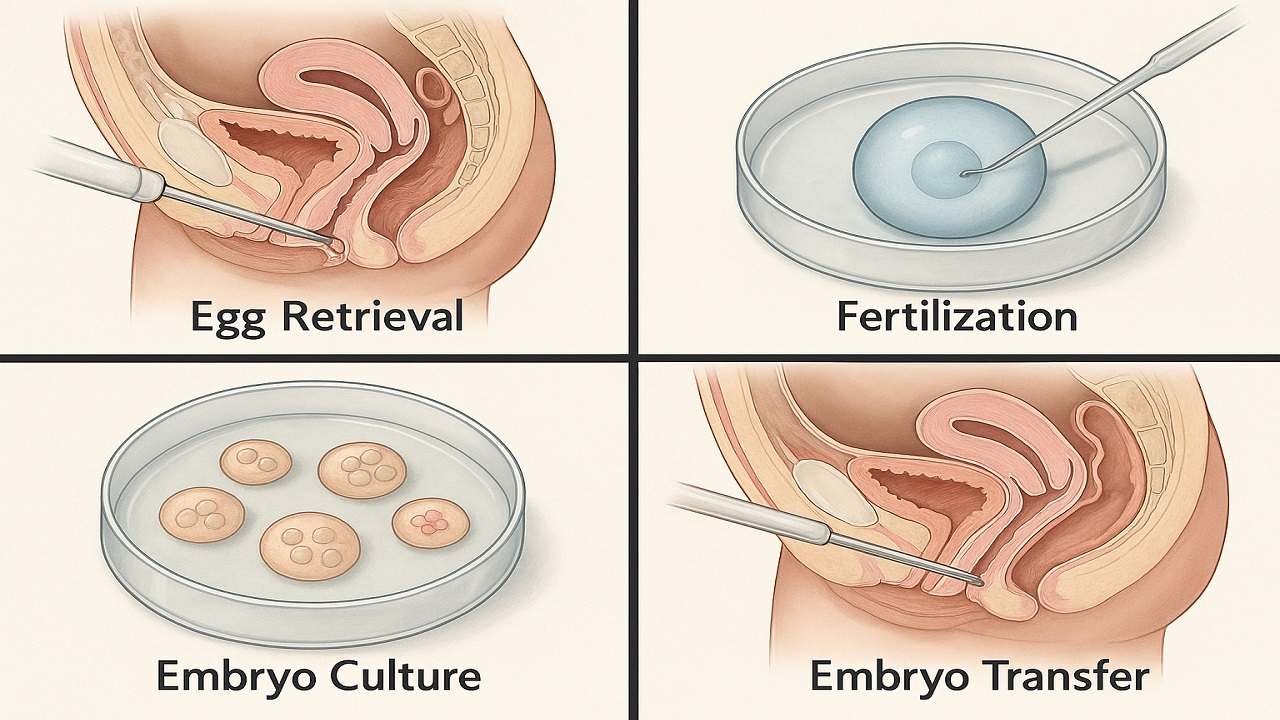
In Vitro Fertilization (IVF) process step by step, emphasising the importance of various stages such as ovarian stimulation, egg retrieval, fertilization, and embryo transfer in maximising the In Vitro Fertilization (IVF) Success Rate. It highlights how a thorough understanding of the procedure can prepare couples and individuals for their In Vitro Fertilization(IVF) journey, ultimately improving their chances of achieving a successful pregnancy.
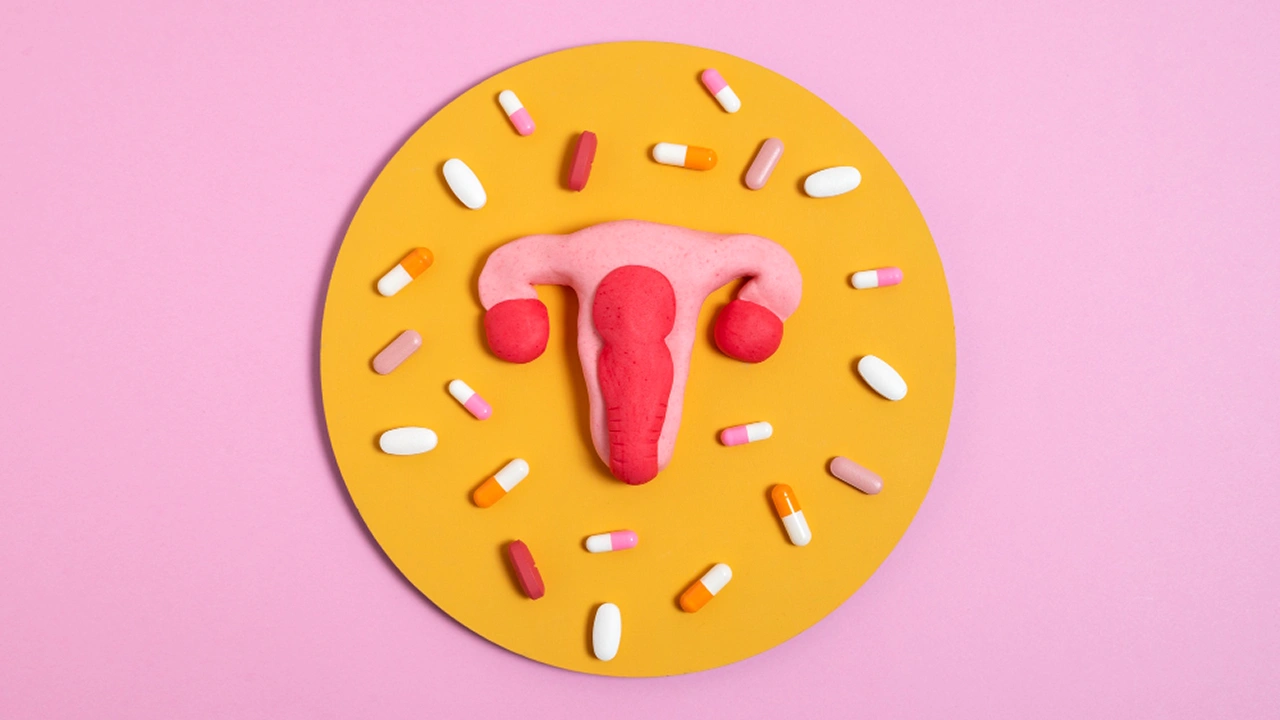
Vitamin D Deficiency Affect IVF outcomes by influencing endometrial receptivity, embryo quality, and hormone balance. Clinical evidence, age-specific risks, and PCOS implications, while offering actionable strategies to optimize Vitamin D levels and improve IVF success rates and pregnancy outcomes in a structured, patient-focused approach.
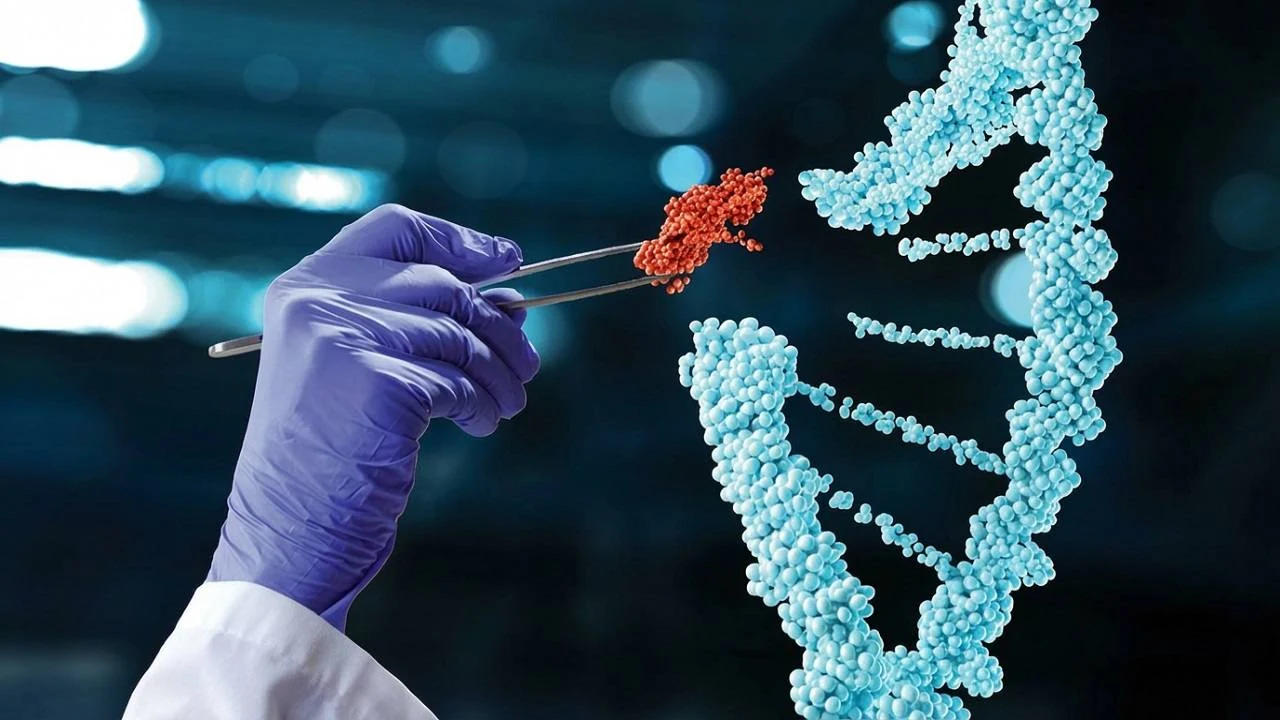
Preimplantation Genetic Testing (PGT) revolutionizes IVF by screening embryos for chromosomal abnormalities and genetic disorders before transfer. This advanced technology increases pregnancy success rates, reduces miscarriage risk, prevents inherited diseases, and shortens time to pregnancy while providing diagnostic clarity and reducing emotional stress for couples.

Clinical evidence increasingly demonstrates that emotional stress or grief reduces the chances of IVF success through sophisticated biochemical pathways that directly influence reproductive physiology. This relationship extends far beyond simple correlations, revealing profound mechanistic connections between psychological distress and the delicate orchestration of hormonal events essential for successful conception.
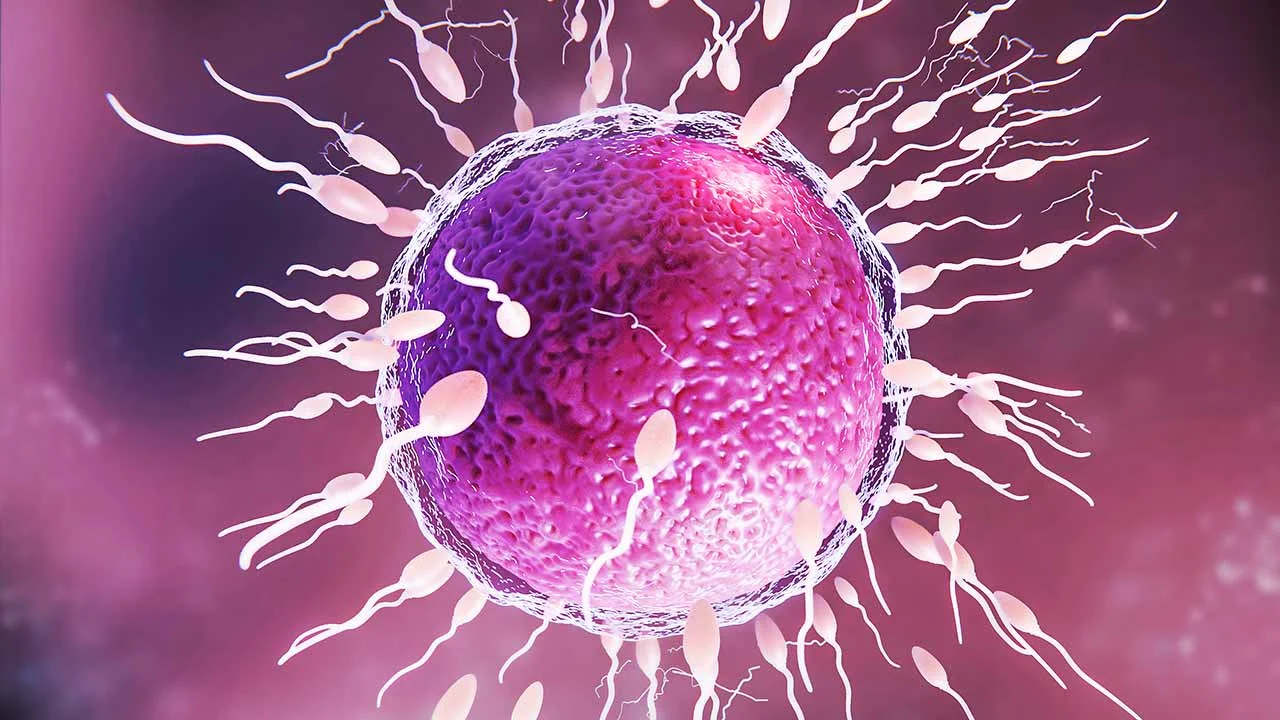
IVF in 2025 is shifting from hype to evidence-based innovation. As precision, automation, AI, and genetic advances reshape fertility care, patients must distinguish proven breakthroughs from outdated add-ons. This guide examines five groundbreaking IVF technologies in 2025 to understand which advances genuinely improve outcomes

Managing Recurrent Implantation Failure (RIF) outlines evidence-based diagnostics and treatment pathways to improve IVF success rates, emphasizing clarity, cautious use of add-ons, and realistic patient expectations.