Home
 ArticlesArticles
The Impact of Genetics on IVF Implantation, focusing on how embryo genetic integrity, maternal and paternal genetics, and endometrial receptivity contribute to implantation success. It highlights the interaction between genetics and lifestyle, practical applications in IVF clinics, and future advancements in gene editing and reproductive medicine.



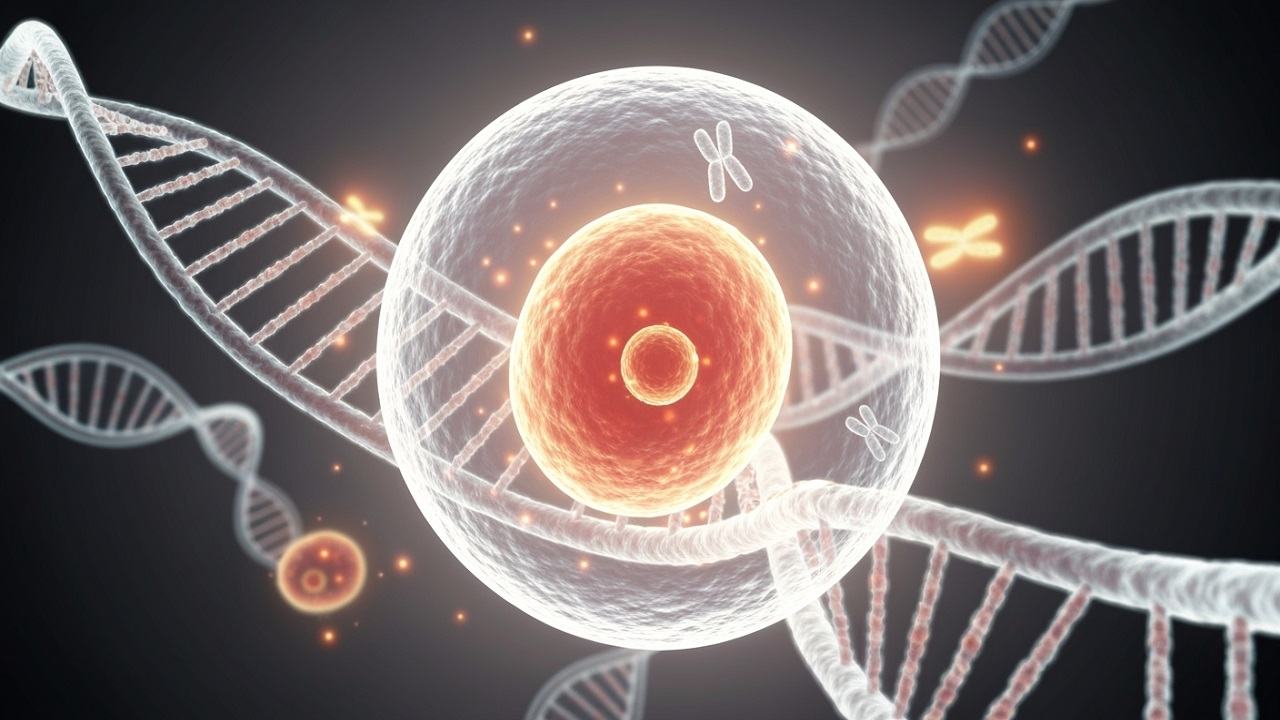
In-vitro fertilization (IVF) has become one of the most transformative medical interventions of the modern era, offering millions of couples hope where natural conception proves elusive. Yet, even with cutting-edge laboratory techniques and precise hormonal stimulation, not every embryo successfully implants in the uterus. While lifestyle, age, and medical history play undeniable roles, an increasingly powerful factor has emerged from the shadows of clinical science genetics. The intricate codes within our DNA influence every stage of reproduction, from egg quality and embryo development to endometrial receptivity. Understanding the impact of genetics on IVF implantation success is not only critical for refining treatment protocols but also for shaping the future of personalised reproductive medicine.

One of the most decisive factors in IVF is the genetic integrity of the embryo. Human reproduction is inherently inefficient; studies suggest that more than half of naturally conceived embryos carry chromosomal abnormalities. In IVF, this number is even more visible, as embryos are routinely screened through preimplantation genetic testing (PGT).
Embryos with aneuploidy (extra or missing chromosomes) struggle to implant or result in early miscarriage. Research from the American Society for Reproductive Medicine shows that implantation rates for chromosomally normal embryos can be nearly double those of untested ones. This reveals a profound truth: the embryo’s genetic composition is often the silent gatekeeper determining whether life takes hold or not.
The mother’s genetic makeup also profoundly influences IVF outcomes. Variations in genes linked to ovarian reserve, such as FSH receptor genes, can dictate how a woman responds to hormonal stimulation. Women with less favourable variants may produce fewer eggs, limiting the chances of obtaining viable embryos.
Moreover, mitochondrial DNA mutations in the oocytes can reduce the energy supply essential for embryo development. This creates a subtle but powerful barrier to implantation, underscoring the interplay between genetic health and cellular vitality. The impact of genetics on IVF implantation success is not just at the embryo level but at the very source of maternal contribution.
For decades, the focus of fertility science was primarily on women, but male genetics now holds equal importance. Sperm DNA fragmentation, often driven by oxidative stress, lifestyle, or genetic susceptibility, directly compromises embryo quality. Even when fertilisation occurs, embryos derived from sperm with high DNA damage exhibit decreased implantation potential.
Emerging research also highlights epigenetic factors – chemical modifications in sperm DNA that influence gene expression in the early embryo. This suggests that a father’s genetic and lifestyle profile can echo across the earliest chapters of conception.
Even the most genetically robust embryo cannot succeed if the environment of the uterus is inhospitable. Endometrial receptivity, the readiness of the uterine lining to accept an embryo, is also regulated by genetics. Gene expression patterns in the endometrium control key processes such as immune tolerance, angiogenesis, and cellular adhesion.
Studies show that up to 30% of implantation failures may be linked to an asynchronous endometrium, where the “implantation window” is misaligned. Genetic testing of endometrial tissue now allows clinicians to adjust embryo transfer timing, a pioneering example of precision medicine in reproductive health. Here again, the narrative of how the impact of genetics on IVF implantation success extends beyond the embryo, integrating maternal tissue biology as a central character.
While genetics create the blueprint, lifestyle can either amplify or mitigate risks. Conditions such as obesity or polycystic ovarian syndrome (PCOS) interact with genetic predispositions, altering hormonal balance and ovarian function. For instance, women carrying gene variants associated with insulin resistance may face compounding fertility challenges if lifestyle factors are not addressed. This interplay highlights a delicate truth: genetics may set the stage, but environment and behaviour decide how the play unfolds.
The expanding role of genetic science in IVF has reshaped clinical practice. Today, couples often undergo genetic screening before beginning treatment, reducing the risk of passing inherited disorders. PGT allows embryologists to select embryos with the highest implantation potential, while endometrial receptivity analysis tailors transfer timing.
These advancements collectively represent the frontline of how genetics affect IVF implantation success. Clinics are steadily moving towards personalised medicine, where genetic data guides every step, from stimulation protocols to embryo transfer strategies.
For clarity, the most common genetic tools in IVF include:

Each of these interventions demonstrates the evolving partnership between laboratory science and genetic insight.
The horizon of reproductive medicine is expanding rapidly. Gene-editing technologies such as CRISPR spark both excitement and ethical debates. While current laws restrict editing embryos for clinical use, research suggests that correcting certain genetic abnormalities could one day revolutionise implantation success.
Equally promising are advances in mitochondrial replacement therapy, offering solutions for women with defective mitochondrial DNA. These innovations, though still experimental, underscore the inevitability of genetics as the central driver of IVF evolution.
The story of IVF is, at its core, the story of genetics. From the chromosomes carried within each gamete to the gene expression patterns of the endometrium, DNA shapes every outcome. By illuminating how genetics affect IVF implantation success, researchers and clinicians can better tailor treatments, offering couples not just hope but informed, data-driven pathways to parenthood.
As the science deepens, the question is no longer whether genetics matter they do. The challenge lies in harnessing this knowledge responsibly, ensuring that advances in reproductive medicine balance clinical promise with ethical care.


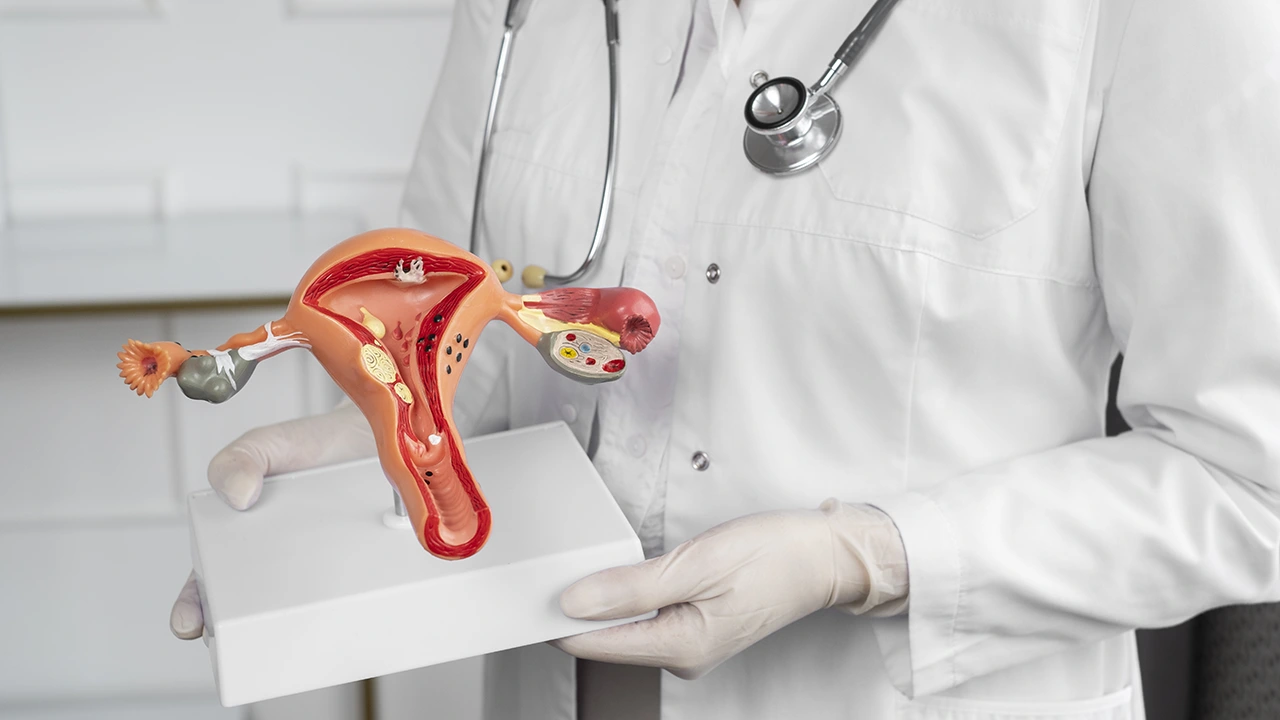
Womb transplantation is giving women with absolute uterine factor infertility the chance to carry and deliver their own child. This article explains how the process works from donor to delivery, who may be suitable, the risks involved and what recent births from living and deceased donors mean for patients.

Advanced female age causes fertility decline through reduced egg quantity, increased chromosomal abnormalities, and mitochondrial dysfunction. Understanding these biological mechanisms helps women make informed family planning decisions. Modern fertility treatments including IVF, preimplantation genetic testing, and egg freezing offer practical solutions to overcome age-related reproductive challenges when trying to conceive.
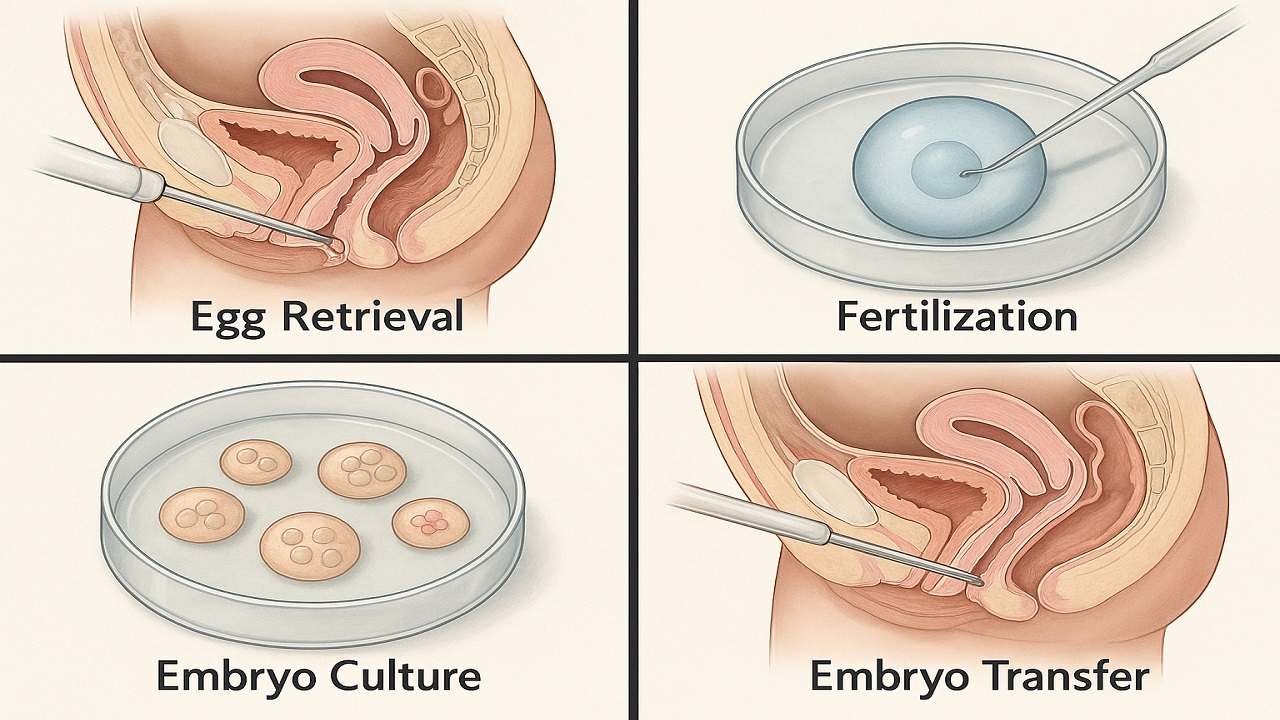
In Vitro Fertilization (IVF) process step by step, emphasising the importance of various stages such as ovarian stimulation, egg retrieval, fertilization, and embryo transfer in maximising the In Vitro Fertilization (IVF) Success Rate. It highlights how a thorough understanding of the procedure can prepare couples and individuals for their In Vitro Fertilization(IVF) journey, ultimately improving their chances of achieving a successful pregnancy.

Vitamin D Deficiency Affect IVF outcomes by influencing endometrial receptivity, embryo quality, and hormone balance. Clinical evidence, age-specific risks, and PCOS implications, while offering actionable strategies to optimize Vitamin D levels and improve IVF success rates and pregnancy outcomes in a structured, patient-focused approach.
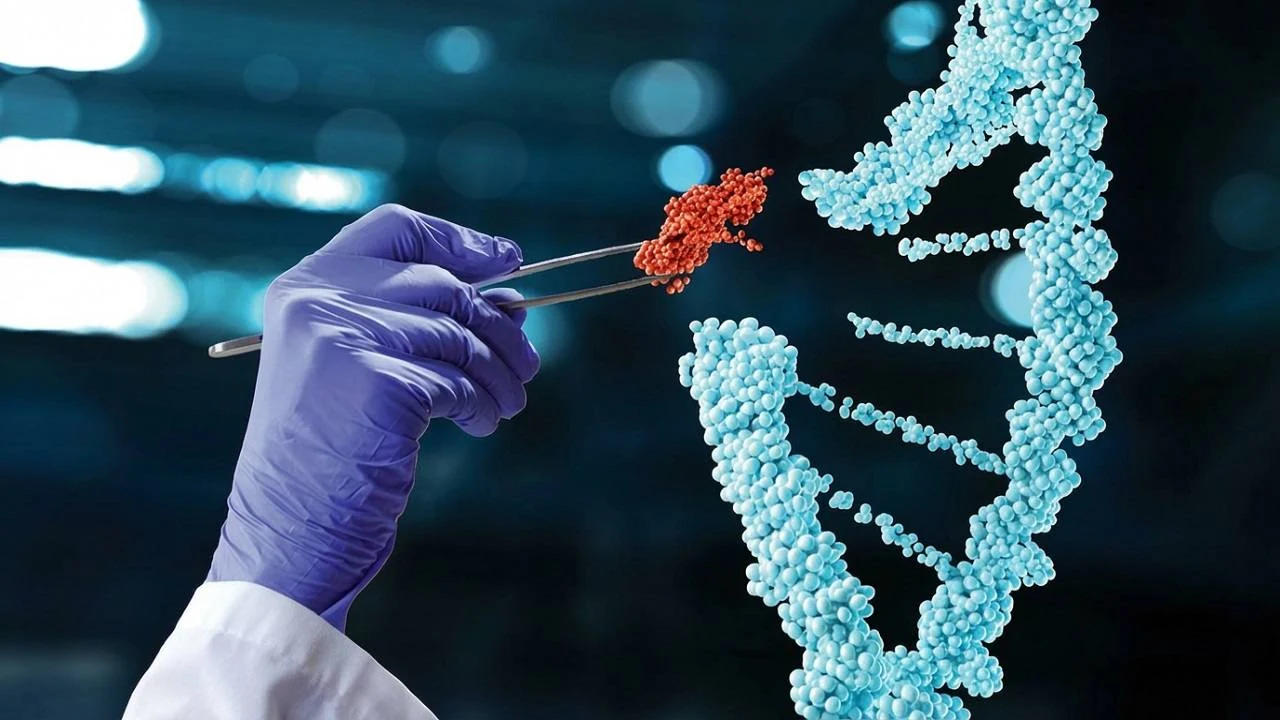
Preimplantation Genetic Testing (PGT) revolutionizes IVF by screening embryos for chromosomal abnormalities and genetic disorders before transfer. This advanced technology increases pregnancy success rates, reduces miscarriage risk, prevents inherited diseases, and shortens time to pregnancy while providing diagnostic clarity and reducing emotional stress for couples.

Clinical evidence increasingly demonstrates that emotional stress or grief reduces the chances of IVF success through sophisticated biochemical pathways that directly influence reproductive physiology. This relationship extends far beyond simple correlations, revealing profound mechanistic connections between psychological distress and the delicate orchestration of hormonal events essential for successful conception.
IVF in 2025 is shifting from hype to evidence-based innovation. As precision, automation, AI, and genetic advances reshape fertility care, patients must distinguish proven breakthroughs from outdated add-ons. This guide examines five groundbreaking IVF technologies in 2025 to understand which advances genuinely improve outcomes