Home
 ArticlesArticles
Consumer DNA testing and new open-identity laws are bringing the era of donor anonymity to a close. This article explains why anonymity can no longer be guaranteed, how laws are changing, and what this shift means for donors, intended parents and the growing number of donor-conceived people around the world




For much of the history of fertility treatment, donor conception came with a quiet promise. Sperm and egg donors would remain anonymous, recipients would receive only basic non-identifying information, and the details of how a child came to be would stay locked in clinic records. Many families never told their children at all.
That model is coming to an end. Consumer DNA testing has made it possible for donor-conceived people to identify their donors and half-siblings within days of sending off a saliva sample, regardless of what was agreed decades earlier. At the same time, a growing number of countries and states are writing open identity into law. Donor anonymity, once a cornerstone of gamete donation, is giving way to an era of openness. For donors, intended parents and donor-conceived people alike, understanding this shift has never been more important.
When donor insemination and egg donation first became established treatments, secrecy was widely seen as protective. Clinicians believed it shielded donors from future legal or emotional obligations, protected recipients from intrusion and spared children from potentially confusing information. Many parents were actively advised not to tell their children how they were conceived.
Over time, attitudes changed. Donor-conceived adults began speaking publicly about the impact of discovering their origins late in life, often by accident, and about being unable to access their genetic and medical history. Counsellors and researchers increasingly argued that people have a legitimate interest in knowing where they come from and that honesty from early childhood tends to be easier for families than a late or unplanned discovery.
The single biggest force behind the end of donor anonymity has not been legislation but technology. Direct-to-consumer genetic testing services compare a person's DNA with millions of others in their databases. A donor does not need to have taken a test for their identity to be revealed. If a cousin, sibling or parent has tested, a donor-conceived person can often work out the connection through family-tree research.

Legal experts have described the promise of anonymity as increasingly elusive. A clinic can promise not to disclose a donor's identity, but it cannot stop someone who takes a genetic test from finding the donor and reaching out. Many donor-conceived people have also discovered half-siblings this way, sometimes in surprisingly large numbers, which has fed wider concern about how many families a single donor should help to create.
These discoveries are not always welcome or well prepared for. Some donor-conceived people learn of their origins through an unexpected match, having never been told by their parents. Some donors are contacted years after donating, having believed they would never be identified. The emotional impact on everyone involved can be significant.
Many countries have moved away from anonymous donation altogether. Sweden was among the first to give donor-conceived people the right to learn their donor's identity, and several others have followed. In the United Kingdom, people conceived with gametes donated after April 2005 can request their donor's identifying information once they turn 18, and the first young adults became eligible to do so in 2023.
In the United States, where donation has historically been less regulated, Colorado became the first state to require donors to agree to have their identity released to donor-conceived people when they reach 18. The law, which took effect in 2025, also raised the minimum donor age, limited the number of families a single donor can help to create and gave families access to updated donor medical information.
Lawmakers there explicitly cited the rise of commercial DNA testing as a driving reason. The law is not retroactive, so earlier donors can remain anonymous on paper, although genetic testing may still reveal them in practice. The policy has also continued to generate debate, with proposals to roll back parts of it and arguments about its effect on donor recruitment, showing that the transition to openness is not always smooth.
Anyone considering donating sperm or eggs today should assume that their identity may one day be known to any child conceived from their donation, whether through the law, through genetic testing or both. That is not necessarily a deterrent. Many donors are comfortable with the idea and some actively welcome the possibility of future contact.
What matters is informed consent. Good clinics now provide counselling that helps donors think through how they might feel about contact in 10, 20 or 30 years, how they might explain their donation to their own partner and children, and why keeping their medical information up to date can be valuable to donor-conceived families. Open-identity donation asks more of donors, but it also allows them to make a choice with full understanding.
For people building their families with donor sperm or eggs, the shift away from donor anonymity has practical implications. The most important is that secrecy is no longer a realistic plan. Even parents who choose not to tell their child cannot guarantee that the child will never find out.
Most counsellors now recommend telling children about their donor conception from an early age, in simple, age-appropriate language, so that it becomes a natural part of their story rather than a later revelation. A growing range of books and resources is available to help parents do this. Intended parents may also want to ask their clinic or bank about open-identity options, how donor medical updates are handled and whether donor sibling registries are available.
For donor-conceived people, openness can bring access to genetic and medical history, answers to long-held questions and, for some, meaningful relationships with donors or half-siblings. Donor-conceived people have spoken about the difficulty of trying to contact donors to learn about inherited medical conditions and about the value of knowing their genetic background.
Contact is not always straightforward, however. Expectations may differ between donors and the people conceived from their donations, and some connections are more welcome than others. Intermediary services, counselling and peer-support networks can help people navigate these relationships thoughtfully.
The end of donor anonymity requires the fertility sector to adapt. Clinics and banks need robust record-keeping that can support identity release many years after donation. They need processes for updating donor medical information, clear policies on family limits and counselling that prepares donors and recipients for openness. International donation adds further complexity, because a donor recruited in one country may help families in several others with different legal frameworks.
Professional bodies increasingly emphasise the importance of accurate information and genuine informed consent for everyone involved in donor conception. In practice, this means treating openness not as a risk to be managed but as the default expectation of modern donor conception.
Donor anonymity was built for a world in which genetic connections could be hidden. That world no longer exists. DNA testing has made openness inevitable, and the law in many places is catching up.
For families created through donation, this change brings challenges but also opportunities: to build family stories on honesty, to give donor-conceived people access to their own histories and to treat donors as people whose contribution may be acknowledged rather than erased. The families best prepared for this future will be those who plan for openness from the start.
Disclaimer: FertilityIn shares this information based on published research and material from reliable, recognised sources. The content is intended for general awareness only and should not be taken as medical advice. Anyone with questions about their fertility, or who needs medical attention, should consult their own doctor or a qualified fertility specialist.
Reference Sources
Progress Educational Trust – Colorado bans anonymous sperm and egg donation from 2025
IVF.net – Colorado bans anonymous sperm and egg donation (expert comment on DNA testing)
KUNC – Colorado lawmakers consider rollback of sperm donor disclosure requirements



A routine X-ray test of the fallopian tubes may do more than diagnose a problem. This article explains oil-based tubal flushing during hysterosalpingography, what major clinical trials have found about its effect on natural conception, who may benefit, the possible risks and the questions couples should ask their own fertility specialist.
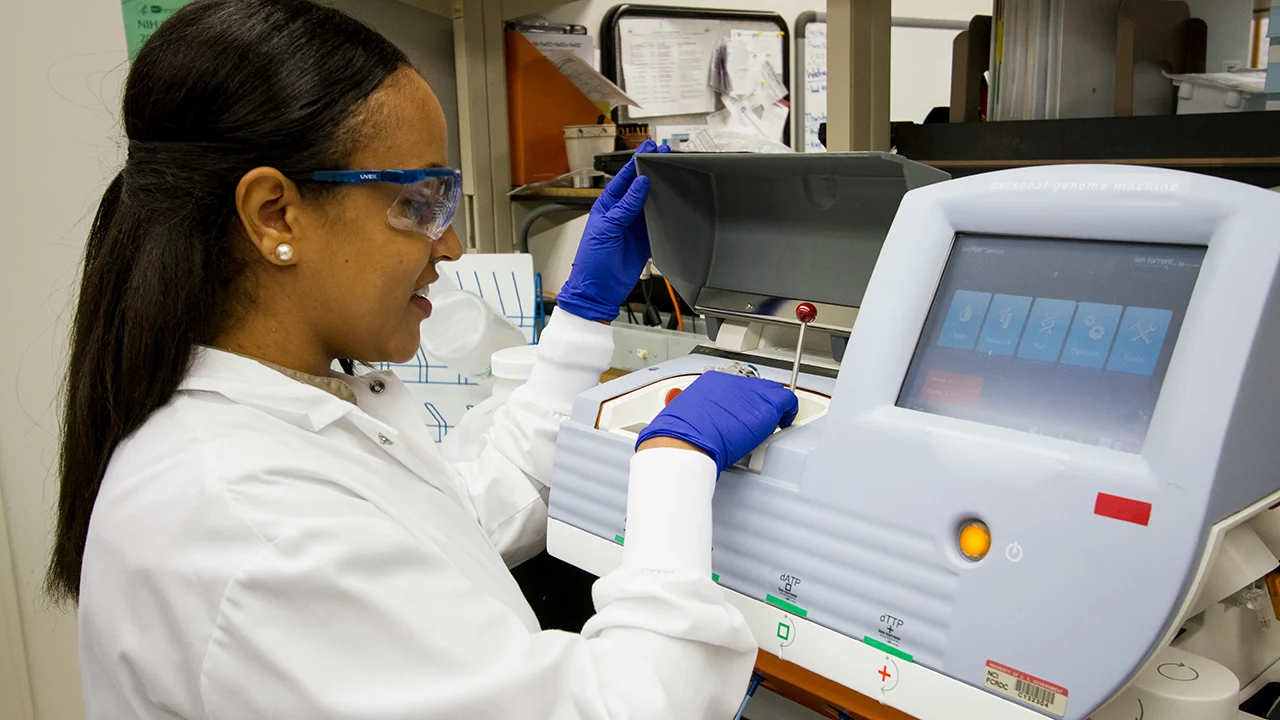
Donor genetic screening is moving well beyond basic tests. This article explains how expanded carrier screening and donor-recipient matching work, what recent high-profile cases in Europe have revealed about the limits of screening, and the questions intended parents should ask before choosing donor eggs or sperm for their treatment.

Boys treated for cancer before puberty cannot bank sperm, but freezing testicular tissue containing spermatogonial stem cells may one day restore their fertility. This article explains how the first transplants in adult survivors work, what the early research shows, the risks involved and why families should know about this option.
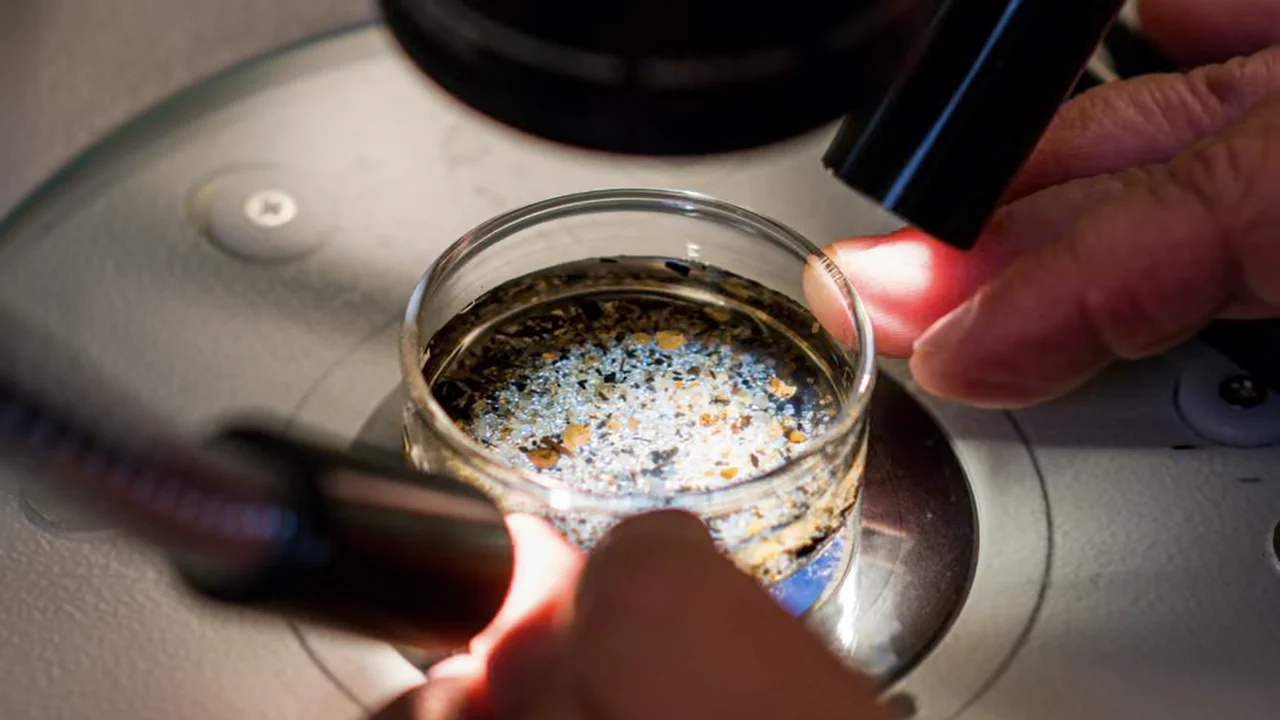
Microplastics have now been found in human follicular fluid and seminal fluid. This article explores the fast-growing body of research on microplastics and fertility, what scientists know and do not yet know about their effects on eggs and sperm, and practical, evidence-based ways that couples can reduce their everyday exposure.

Fertility conversations often focus on women, yet new research on sperm epigenetics shows a father's environment matters too. This article explains how air pollution may alter chemical marks on sperm DNA, why those changes could matter for fertility and pregnancy, and the practical steps men can reasonably consider before conception.
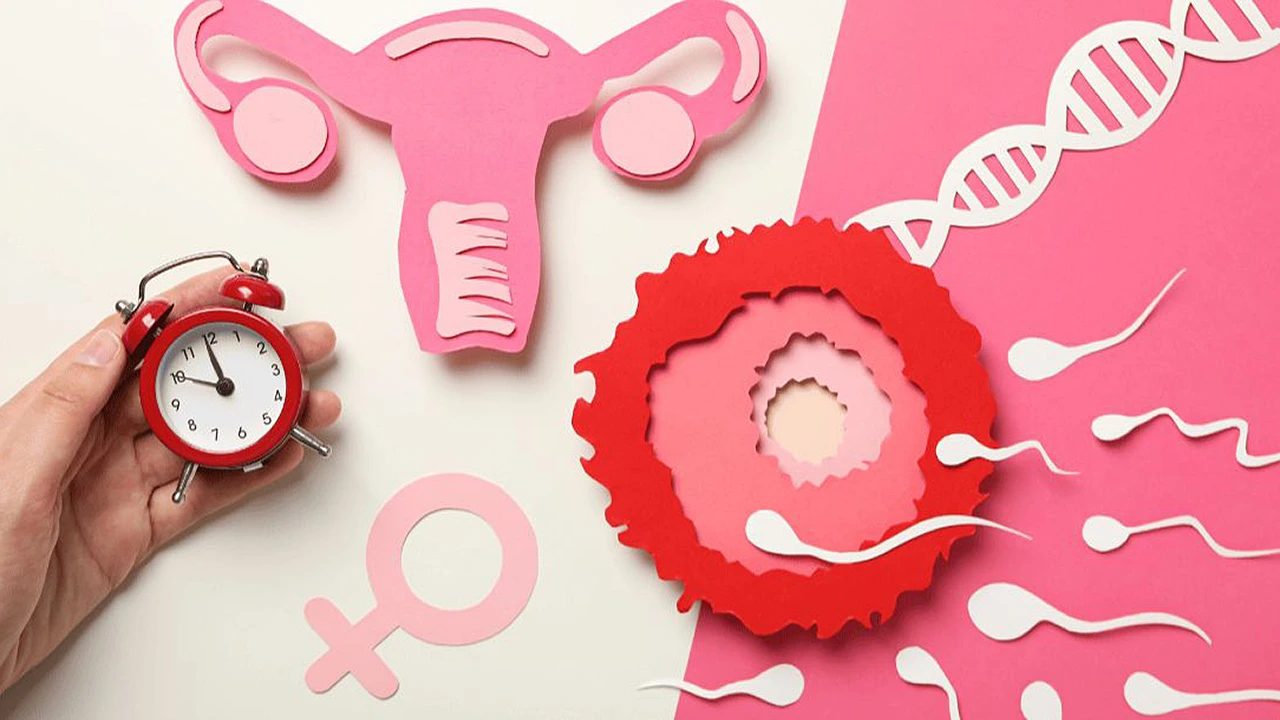
Donor eggs have long been seen as a way to reset the reproductive clock, but new research suggests uterine ageing also plays a role. This article explains what the latest evidence shows, how the ageing uterus may affect implantation and pregnancy, and how women in their late forties can prepare.