Home
 ArticlesArticles
Holistic fertility retreats provide mind-body integration helping couples move beyond quick-fix solutions. These immersive experiences incorporate yoga, meditation, acupuncture, and stress management to address emotional, physical, and psychological fertility factors. They support natural conception while building emotional resilience through personalized wellness care.




For decades, the fertility treatment landscape has been dominated by medical interventions medications, procedures, and clinic appointments. Yet a quiet revolution is underway. An increasing number of couples are discovering that the path to parenthood extends far beyond hormonal injections and laboratory procedures. They’re choosing holistic fertility retreats mind-body integration approaches, where wellness becomes as essential as medicine itself.
Holistic fertility retreats represent a fundamental paradigm shift in how couples approach conception. Rather than viewing infertility as a purely biological problem requiring isolated fixes, these retreats recognize fertility as a multifaceted challenge involving physical health, emotional resilience, and psychological well-being. The result is a transformative experience that addresses root causes rather than merely treating symptoms.
 Traditional vs. Holistic Fertility Approaches Comparison
Conventional fertility treatments undoubtedly save lives and create families. However, they often focus narrowly on specific physiological issues correcting hormonal imbalances, addressing structural problems, or optimizing egg or sperm production. While valuable, this approach sometimes overlooks the interconnected nature of reproductive health.
The stress accompanying fertility treatment cannot be understated. Studies reveal that couples undergoing assisted reproductive technology experience elevated levels of anxiety, depression, and psychological distress. This emotional burden frequently leads to treatment dropout and relationship strain. More concerning, chronic stress itself becomes a barrier to conception stress hormones like cortisol disrupt the delicate hormonal balance essential for ovulation and successful implantation.
Holistic fertility retreats mind-body integration addresses this gap by recognizing that emotional, physical, and spiritual health form an interconnected system. A couple struggling with infertility-related anxiety needs more than a hormone adjustment; they need tools for managing stress, practices for emotional healing, and environments that restore hope.
The connection between stress and reproductive function is well-established in medical literature. The hypothalamic-pituitary-adrenal (HPA) axis the brain’s stress response center directly regulates reproductive hormone production. Chronic stress elevates cortisol levels, which suppress reproductive hormones including estrogen, progesterone, and luteinizing hormone (LH). This disruption can lead to irregular ovulation, poor egg quality, and reduced sperm count.
Recent research validates the effectiveness of mind-body interventions. A study published in Nature found that infertility coaching programs significantly reduced perceived stress in women undergoing assisted reproductive techniques, with stress scores declining by up to 31% at critical treatment milestones. Notably, women in the intervention group showed improved oocyte counts and higher positive pregnancy results.
Harvard Medical School research on the Mind/Body Program for Infertility demonstrated that women participating in cognitive behavioral and stress management interventions became pregnant at rates twice as high as control groups. The program’s 10-week protocol, incorporating meditation, yoga, and lifestyle modifications, showed 55% pregnancy rates among participants compared to just 20% in control groups.
 Holistic Fertility Retreat Components and Mind-Body Integration
Holistic fertility retreats mind-body integration encompasses far more than spa experiences. These structured immersive programs typically include:
The decision to attend a holistic fertility retreats retreat reflects several converging factors. First, couples increasingly recognize that personalized care matters profoundly. Generic fertility protocols may not address their unique stressors, relationship dynamics, or physical needs. Retreat environments allow customization impossible in standard clinic settings.
Second, couples seek agency and empowerment. Medical treatment can feel like surrendering control to experts and procedures. Holistic approaches teach practical skills couples can implement independently breathing techniques they practice daily, yoga poses they incorporate at home, nutritional principles they apply to meal planning. This active participation fosters psychological resilience and restores a sense of control.
Third, the collective experience proves transformative. Being surrounded by other couples navigating similar challenges dissolves isolation and shame. Retreat participants consistently report that connecting with others experiencing infertility reduced emotional burden more than any individual therapy session.
Finally, couples seek sustainable approaches addressing underlying causes rather than quick fixes. They recognize that stress management, improved nutrition, better sleep, and emotional healing create conditions favorable for conception regardless of whether conception occurs naturally or through medical intervention.
It’s crucial to emphasize that holistic fertility retreats mind-body integration should complement, not replace, medical fertility care. The most effective approach combines conventional medicine with holistic practices. A woman with severe endometriosis still requires surgical intervention; acupuncture alone cannot resolve structural problems. However, combining surgery with stress-reduction practices, anti-inflammatory nutrition, and emotional support optimizes overall outcomes.
Forward-thinking fertility clinics increasingly recognize this complementary relationship. Over 80% of fertility patients now report using at least one integrative medicine modality alongside traditional treatment. Progressive clinics actively refer patients to mindfulness programs, support acupuncture integration, and encourage couples to address emotional and nutritional factors alongside medical protocols.
 Sample Holistic Fertility Retreat Weekly Schedule
A typical week-long holistic fertility retreats program might include:
Retreats intentionally create “retreat” conditions removing participants from daily stressors, providing nutritious food, encouraging adequate sleep, and fostering supportive community. These conditions alone reduce stress hormones and promote healing. When combined with structured mind-body practices, the cumulative effect becomes powerful.
While pregnancy rates represent one outcome measure, holistic retreat success encompasses broader wellness indicators. Participants typically report improved sleep quality, reduced anxiety and depression, strengthened relationships, increased body confidence, and renewed hope. These metrics matter profoundly.
Women and couples often describe retreats as pivotal experiences moments when their perspective shifted from desperation to acceptance, from viewing their bodies as failures to recognizing their resilience. This psychological transformation, independent of conception outcomes, represents meaningful success.
Consider a retreat if you experience significant stress related to infertility, feel emotionally disconnected from your body, struggle with couple communication about fertility, or desire to optimize your health comprehensively. Retreats particularly benefit couples seeking natural conception approaches, those between medical treatment cycles, and individuals wanting to integrate mind-body practices with conventional medicine.
The growing popularity of holistic fertility retreats mind-body integration reflects a mature understanding that conception involves more than biological mechanics. The body’s fertility depends on hormonal balance, which depends on nervous system regulation, which depends on psychological well-being and emotional processing.
By choosing immersive wellness experiences that address the whole person body, mind, emotions, and spirit couples create optimal conditions for conception while building resilience for whatever their fertility journey brings. Whether they conceive naturally, through medical intervention, or pursue alternative parenthood paths, they emerge stronger, more connected, and more empowered.
The shift toward holistic approaches represents not a rejection of medicine but an evolution in fertility care one that finally acknowledges what couples have always known: that the journey toward parenthood is fundamentally a journey toward wholeness.



Advanced female age causes fertility decline through reduced egg quantity, increased chromosomal abnormalities, and mitochondrial dysfunction. Understanding these biological mechanisms helps women make informed family planning decisions. Modern fertility treatments including IVF, preimplantation genetic testing, and egg freezing offer practical solutions to overcome age-related reproductive challenges when trying to conceive.
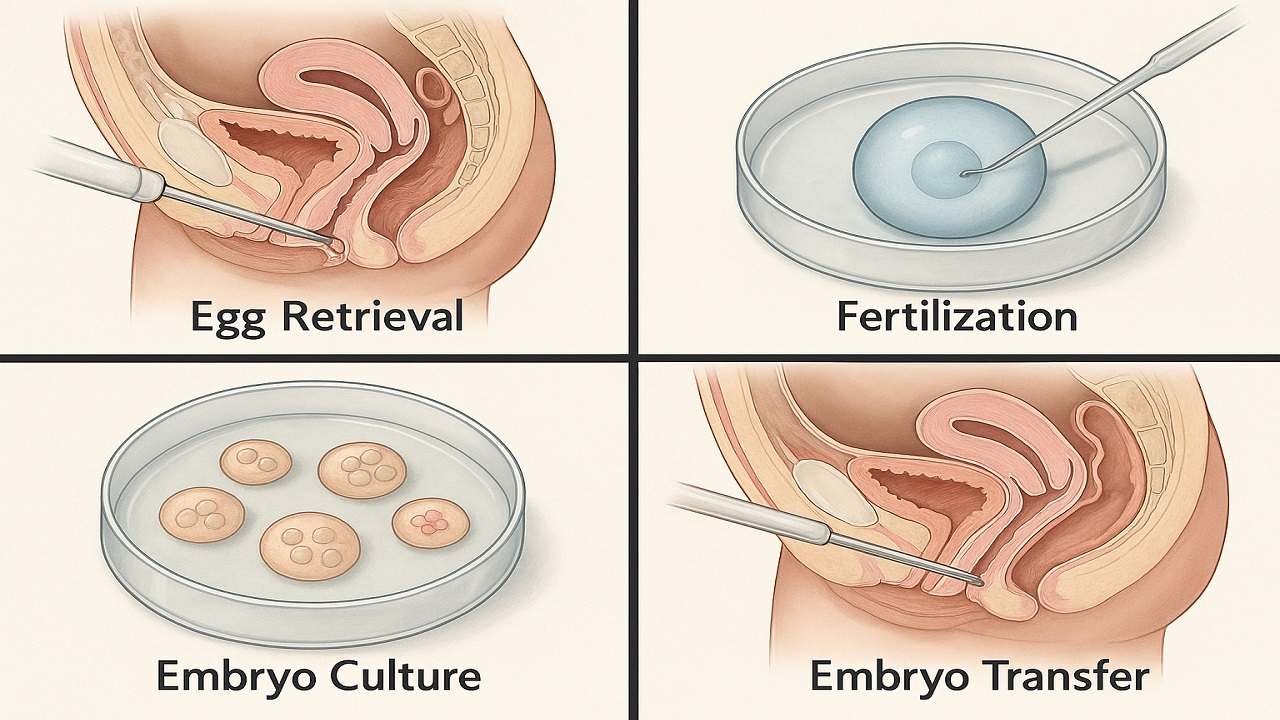
In Vitro Fertilization (IVF) process step by step, emphasising the importance of various stages such as ovarian stimulation, egg retrieval, fertilization, and embryo transfer in maximising the In Vitro Fertilization (IVF) Success Rate. It highlights how a thorough understanding of the procedure can prepare couples and individuals for their In Vitro Fertilization(IVF) journey, ultimately improving their chances of achieving a successful pregnancy.

Vitamin D Deficiency Affect IVF outcomes by influencing endometrial receptivity, embryo quality, and hormone balance. Clinical evidence, age-specific risks, and PCOS implications, while offering actionable strategies to optimize Vitamin D levels and improve IVF success rates and pregnancy outcomes in a structured, patient-focused approach.
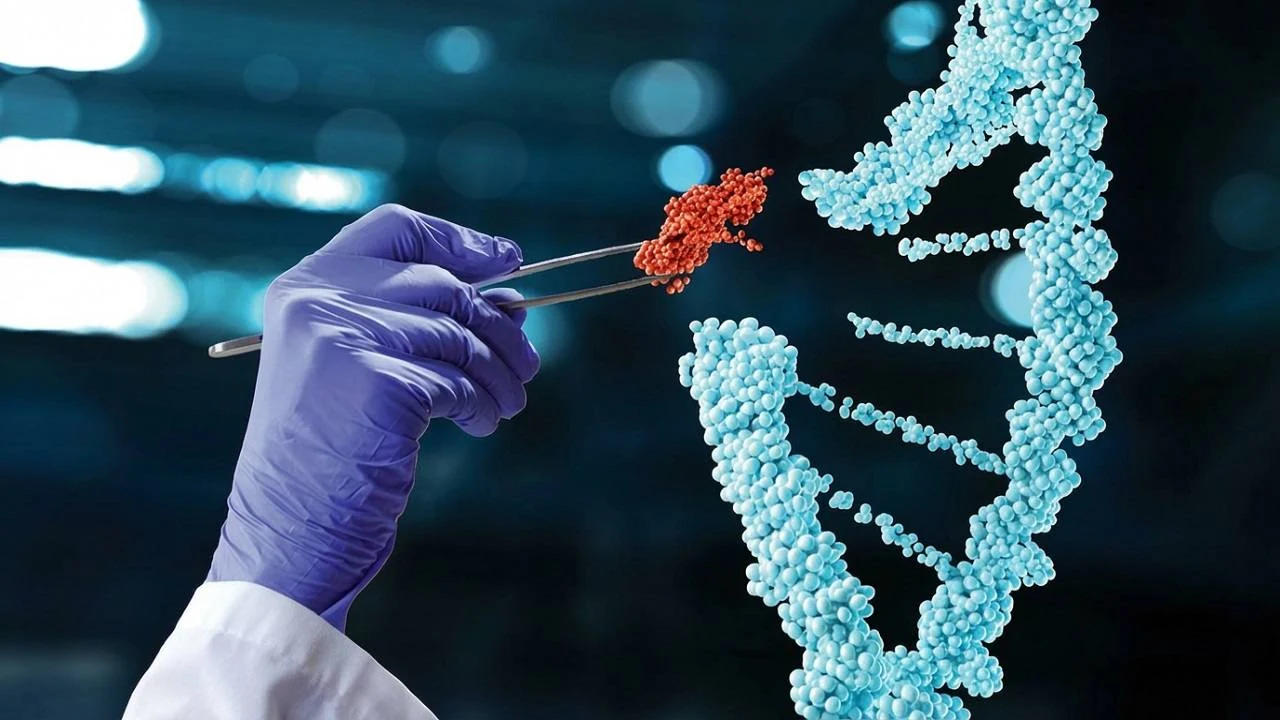
Preimplantation Genetic Testing (PGT) revolutionizes IVF by screening embryos for chromosomal abnormalities and genetic disorders before transfer. This advanced technology increases pregnancy success rates, reduces miscarriage risk, prevents inherited diseases, and shortens time to pregnancy while providing diagnostic clarity and reducing emotional stress for couples.

Clinical evidence increasingly demonstrates that emotional stress or grief reduces the chances of IVF success through sophisticated biochemical pathways that directly influence reproductive physiology. This relationship extends far beyond simple correlations, revealing profound mechanistic connections between psychological distress and the delicate orchestration of hormonal events essential for successful conception.
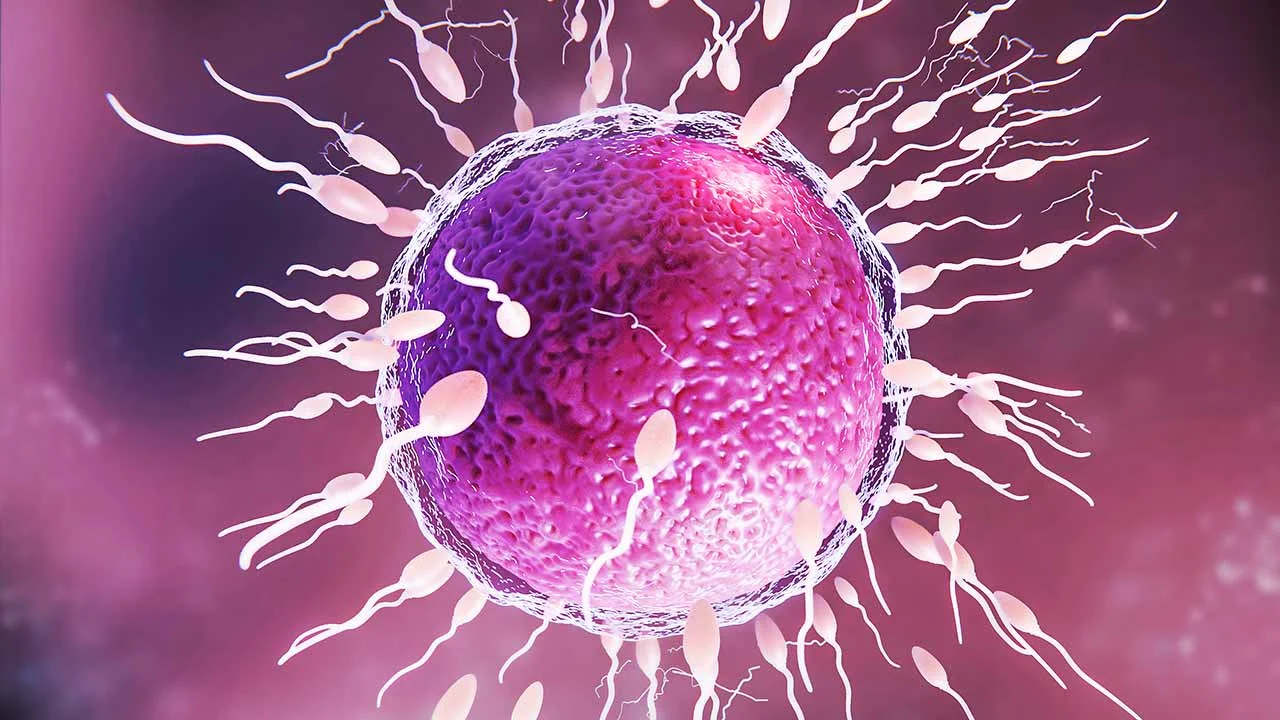
IVF in 2025 is shifting from hype to evidence-based innovation. As precision, automation, AI, and genetic advances reshape fertility care, patients must distinguish proven breakthroughs from outdated add-ons. This guide examines five groundbreaking IVF technologies in 2025 to understand which advances genuinely improve outcomes

Managing Recurrent Implantation Failure (RIF) outlines evidence-based diagnostics and treatment pathways to improve IVF success rates, emphasizing clarity, cautious use of add-ons, and realistic patient expectations.