Home
 ArticlesArticles
The future of IVF technology is redefining fertility care through AI, automation, and digital systems. This report explores how electronic witnessing, time-lapse imaging, and data-driven embryo selection reduce human error, enhance transparency, and improve clinical outcomes, reshaping IVF laboratories into highly controlled, precise, and patient-focused environments.



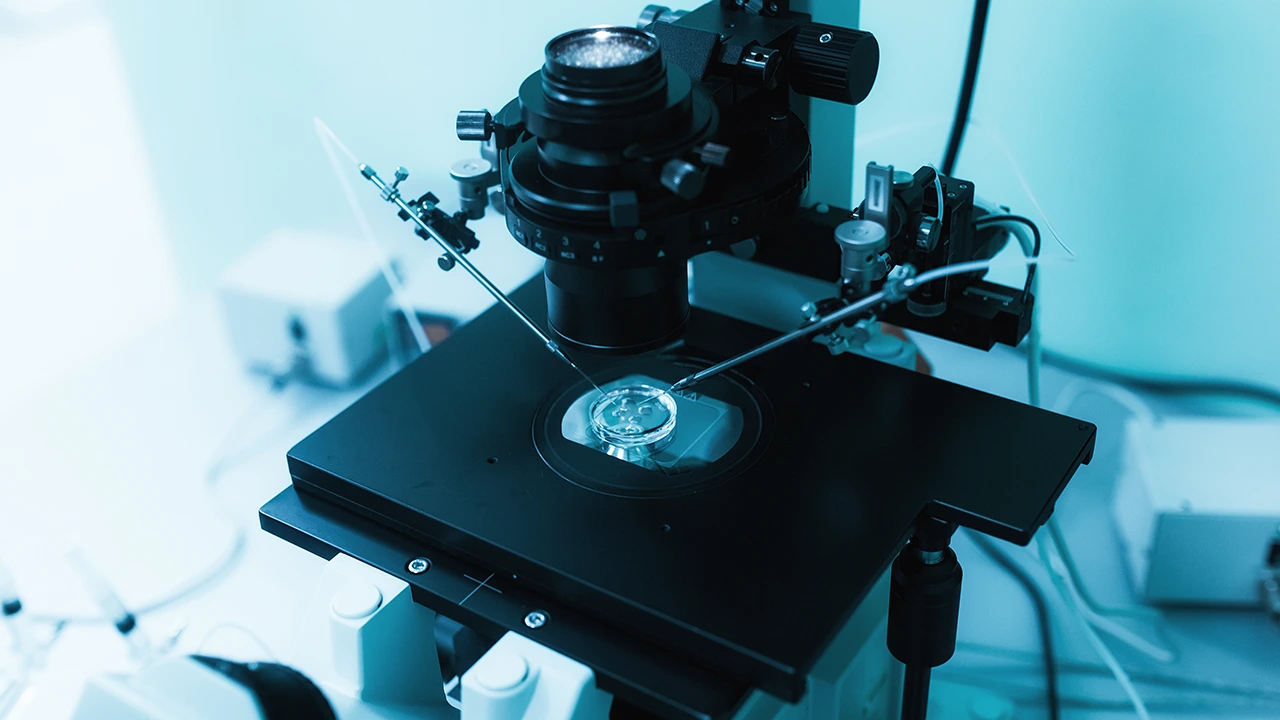
Millions of individuals and couples who turn to assisted reproduction each year, the stakes inside an IVF laboratory are almost incomprehensibly high. Every decision made by every embryologist, every sample handled, every dish labelled and every embryo scored, carries the weight of profound human hope. Yet, for decades, the field has grappled with a persistent and uncomfortable truth: even the most skilled clinicians operate within systems that remain vulnerable to human error, subjective judgement and limited transparency. The future of IVF technology is now changing that reality with extraordinary speed.
A convergence of artificial intelligence, precision engineering, and electronic quality-management systems is transforming the IVF laboratory from a place where outcomes depended heavily on individual expertise into one governed by data, automation, and verifiable audit trails. This is not merely a story of incremental improvement. It is a fundamental reorientation of how fertility medicine is practised and how patients experience it.

The future of IVF technology is improving odds. It matters so profoundly, one must first understand the complexity of what happens between egg retrieval and embryo transfer. The IVF laboratory is an environment of extraordinary precision and extraordinary pressure. Dozens of samples eggs, sperm, fertilized embryos, may be processed simultaneously, each requiring meticulous identification and handling. A single mislabelling event is not a minor quality defect; it can constitute an irreversible clinical catastrophe.
Traditional IVF lab workflows have long relied on manual double-checking, known in the industry as "witnessing" a process by which a second embryologist visually confirms each step alongside the primary operator. While effective, this system is inherently limited by cognitive load, staffing pressures, and the irreducible variability of human attention. Studies within high-volume reproductive units have documented that manual witnessing, even when performed rigorously, carries residual error risk during peak clinical periods.
Compounding the risk of procedural error is the broader challenge of subjective embryo evaluation. For most of the field's history, selecting the embryo most likely to implant has been an art as much as a science, dependent on morphological scoring performed at discrete intervals by individual embryologists, each bringing their own experiential lens to an assessment that is, by its nature, momentary and incomplete. The limits of this approach are well documented, the same blastocyst assessed by the same clinician on separate occasions can receive meaningfully different scores.

The first and arguably most operationally transformative pillar of the future of IVF technology is the electronic witnessing system. Platforms such as Vitrolife's eWitness represent a categorical departure from manual verification. Rather than relying on a second pair of eyes at discrete checkpoints, electronic witnessing integrates barcode scanning, RFID identification, and automated validation into every material step of the IVF workflow, from sperm preparation to embryo transfer.
The architecture is deceptively simple: every patient sample is assigned a unique, machine-readable identifier. Every dish, tube, and cryo-container is labelled accordingly. Every action, from the fertilisation check to the blastocyst culture step to the vitrification event, is confirmed electronically before it is permitted to proceed. If a sample pairing fails validation, the system flags the discrepancy in real time, preventing the action from continuing until the issue is resolved.

If electronic witnessing addresses the process integrity of the IVF lab, time-lapse technology addresses a fundamentally different problem: the information gap in embryo development. Until the advent of incubator-integrated time-lapse systems, embryologists could only assess embryo quality at the moments when a dish was removed from the incubator, brief windows that captured a snapshot of development while missing the continuous story unfolding between evaluations.
Time-lapse platforms such as the EmbryoScope have resolved this limitation decisively. By embedding high-resolution imaging directly within the incubator chamber, these systems capture photographs of developing embryos at regular intervals, typically every 10 to 20 minutes, across the full culture period. The result is a continuous developmental video for each embryo, revealing morphokinetic events that are entirely invisible to the traditional assessment paradigm.
The clinical benefits of this continuous visibility extend well beyond improved embryo selection. Time-lapse culture is associated with reduced incubator opening frequency, lower oxidative stress exposure for embryos, and more consistent temperature and gas environment maintenance. For high-volume clinics, the workflow efficiency gains are also significant: time-lapse systems reduce the need for frequent manual assessment checks, lower weekend staffing requirements for evaluation, and provide a documented visual record that can be reviewed, shared, and audited at any point.

The third and perhaps most intellectually compelling dimension of reducing errors and optimizing transparency, how the future of IVF technology is improving odds, is the application of artificial intelligence to embryo evaluation. AI-driven decision support tools represent the maturation of a fundamental insight: that the morphokinetic data generated by time-lapse systems is too rich and too multidimensional to be fully assessed by human observers working in real time.
Tools such as iDAScore and KIDScore translate the continuous developmental record of each embryo into an objective, data-derived ranking of implantation potential. Rather than replacing the embryologist, these systems act as a high-dimensional second opinion — one trained on databases of tens of thousands of embryos with known implantation outcomes, spanning multiple continents, patient profiles, and clinical protocols.

Perhaps the most underappreciated dimension of the future of IVF technology is not its clinical efficacy but its transformative effect on transparency, both within the laboratory and between the clinic and the patient. For too long, the IVF laboratory has been, from the patient's perspective, a black box: a space where something critically important happens, but where the mechanisms, decisions, and outcomes of that process are communicated only in summary, after the fact.
The integration of photo documentation, time-lapse video, AI scoring reports, and electronic witnessing audit trails fundamentally changes that dynamic. Clinics now have the ability to show patients a verifiable, visual record of their embryo's development from fertilisation to the moment of selection for transfer. This is not merely a courtesy; it is a clinical and ethical shift that meaningfully reduces patient anxiety, builds institutional trust, and supports informed consent in a way that verbal summaries alone cannot.
From an operational perspective, the same transparency infrastructure that supports patient communication also enables robust quality management within the laboratory itself. Real-time KPI dashboards allow lab directors to monitor fertilisation rates, blastulation rates, vitrification survival, and embryo utilisation against benchmarks, identifying deviations before they become systemic problems. Electronic audit trails provide the evidentiary foundation for regulatory inspections, accreditation reviews, and, where necessary, adverse event investigations.
The convergence of electronic witnessing, time-lapse incubation, and AI-powered embryo evaluation is not an incremental upgrade to the IVF laboratory, it is a fundamental reimagining of how fertility care is delivered. Reducing errors and optimising transparency are no longer aspirational goals; they are achievable operational realities for clinics committed to investing in the infrastructure of modern reproductive science.
For patients embarking on an IVF journey, the assurance that their samples are tracked with machine precision, their embryos evaluated with AI clarity, and their outcomes monitored with full data transparency is more than a quality guarantee, it is the respect and accountability they have always deserved. The future of IVF technology is here, and it is improving odds in ways that matter most: one embryo, one patient, and one life at a time.



The intersection of psychological well-being and reproductive success has never been more evident than in the context of assisted reproductive technology. As fertility treatments become increasingly sophisticated, the recognition that couples counselling before IVF can improve emotional readiness and outcomes has transformed the landscape of comprehensive fertility care.

The evolving global landscape of IVF access for single parents. It outlines the countries that legally allow single women and men to pursue fertility treatments, their regulatory frameworks, and the practical considerations involved.

In Vitro Fertilization (IVF) success rates differ from clinic to clinic and country to country, highlighting factors such as technology, patient demographics, and healthcare regulations. It emphasises that understanding these differences can help hopeful parents make informed decisions regarding their fertility journey.

IVF specialists worldwide are cautioning expecting mothers against high AQI exposure, citing strong evidence linking poor air quality with premature births and low birth weights, and urging preventive healthcare and policy intervention.

The legacy of Patrick Steptoe and Robert Edwards in In Vitro Fertilization (IVF) revolutionized reproductive medicine, leading to the birth of the first test-tube baby, Louise Brown.
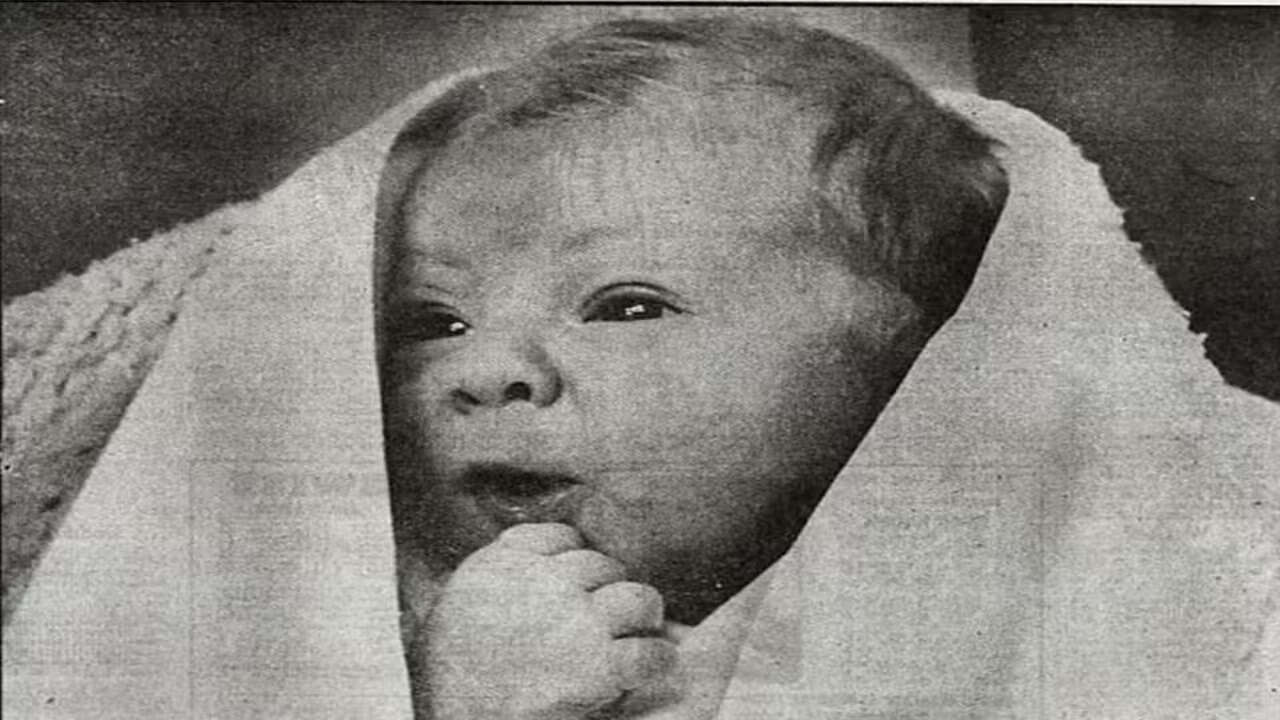
Groundbreaking birth of Louise Brown, the first In Vitro Fertilization (IVF) baby, which marked a significant milestone in reproductive medicine. The birth of Louise Brown not only represented hope for couples struggling with infertility but also led to advancements in assisted reproductive technologies worldwide.
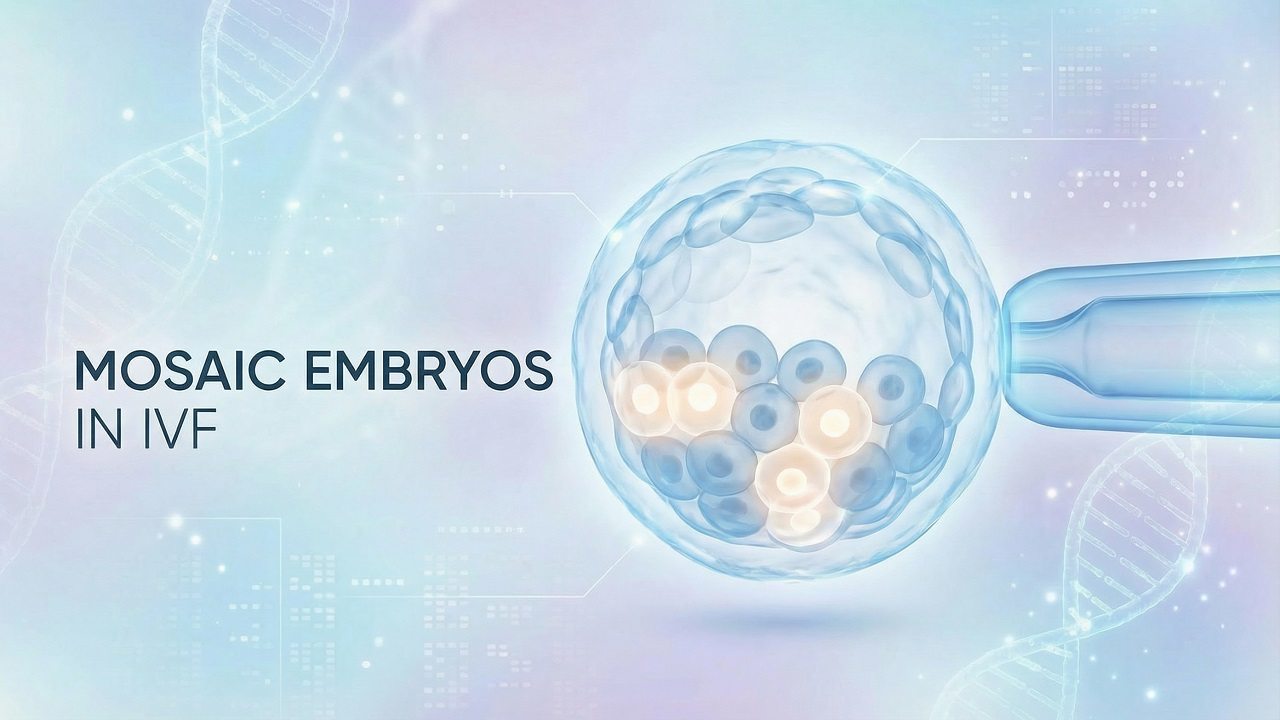
Mosaic embryos are becoming more common in IVF reports, raising questions about safety, implantation potential, and pregnancy outcomes. This article explains what mosaic embryos are, how PGT-A identifies them, their success rates, and how clinics prioritize transfers, helping patients understand their real possibilities and limitations