Home
 ArticlesArticles
The role of fallopian tubes in reproduction and how blockages, caused by conditions like pelvic inflammatory disease and endometriosis, affect fertility. It discusses diagnostic challenges and treatment options such as surgery and IVF, and it emphasises the importance of consulting fertility specialists for effective fertility planning.



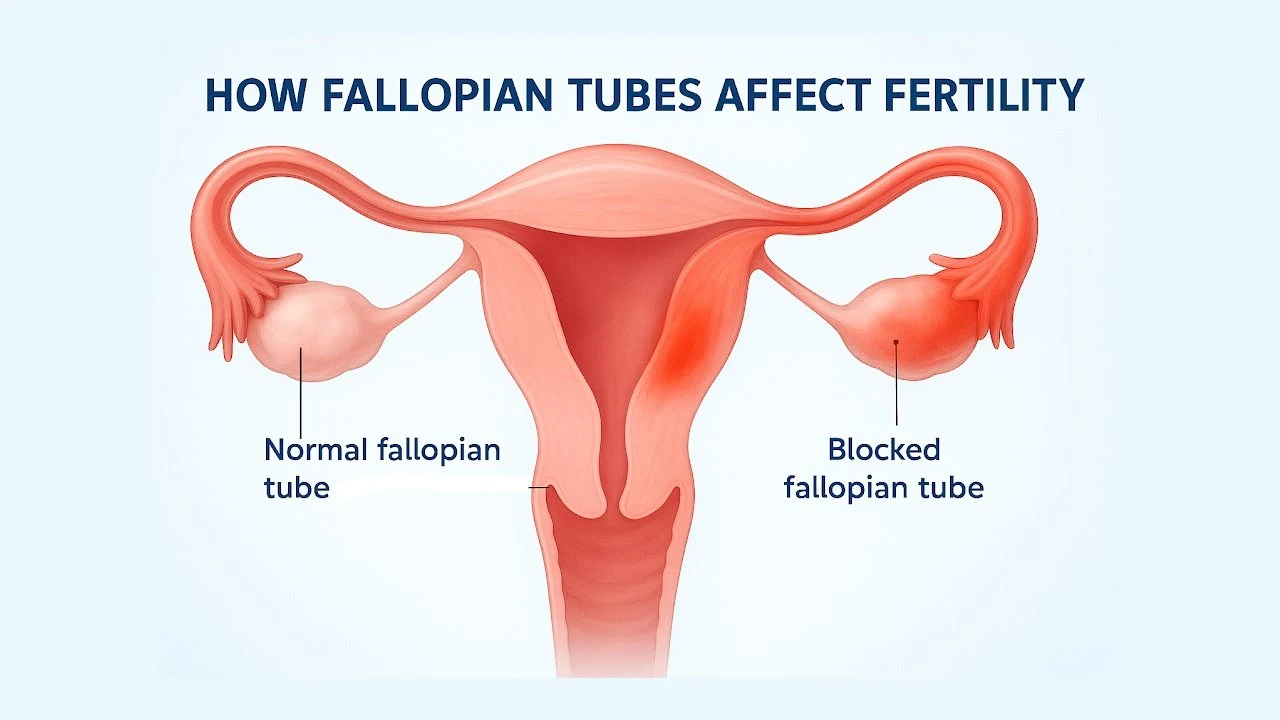
The journey toward parenthood can often present unexpected challenges, and one of the less-discussed yet crucial factors influencing fertility lies within the fallopian tubes. These slender, delicate structures play an indispensable role in the reproductive process. Understanding how fallopian tubes affect fertility, particularly when they become blocked or damaged, is vital for those facing conception difficulties. With over 15 years of content expertise in reproductive health, this article delves deep into the anatomy, causes, consequences, and treatment options regarding fallopian tube-related infertility.
Every month, as part of the ovulation cycle, an ovary releases a mature egg. This egg travels into one of the two fallopian tubes, which connect the ovaries to the uterus. Fertilization the union of the egg and sperm typically takes place inside the fallopian tube. After this crucial meeting, the fertilised egg, now called an embryo, begins its journey down the fallopian tube toward the uterine cavity, where implantation can occur.
When functioning correctly, fallopian tubes ensure that eggs and sperm meet effectively and that embryos reach the uterus to initiate pregnancy. Any interruption in this process, especially blockage, can prevent natural conception, alter the reproductive timeline, and increase risks such as ectopic pregnancies.
Understanding the wide array of factors that lead to fallopian tube blockage is fundamental in grasping how fallopian tubes affect fertility. These blockages can result from infection, inflammation, anatomical damage, or other medical conditions. Among the primary causes, Pelvic Inflammatory Disease (PID), often stemming from untreated sexually transmitted infections (STIs), is prevalent. PID induces inflammation and scarring in the delicate tubal structure, narrowing or completely blocking the pathway.
Endometriosis is another significant contributor. This chronic condition sees endometrial tissue growing outside the uterus, often enveloping the fallopian tubes. Such aberrant growth can cause adhesions, constrictions, or complete obstruction, interfering with normal tubal function. Women with a history of abdominal or pelvic surgeries may also face tubal blockages due to adhesions or scar tissue formation caused by these interventions.
Ectopic pregnancy, where implantation occurs outside the uterus, often in the fallopian tube itself, can inflict damage that leads to subsequent blockages. Another noteworthy condition is hydrosalpinx, where fluid accumulates inside the tube due to infection or inflammation. This not only causes obstruction but also releases toxic substances that may impair embryo implantation in the uterus, further complicating fertility prospects.
One of the reasons fallopian tube blockages may hinder fertility without immediate detection is the general absence of overt symptoms. Many women with fallopian tube issues do not experience pain or discomfort until they encounter difficulties conceiving. Consequently, blocked tubes often remain undiagnosed until fertility specialists undertake targeted investigations after conception delays.
Among the diagnostic tools employed, Hysterosalpingography (HSG) is commonly used. This imaging technique involves injecting a dye into the uterus and monitoring its passage through the fallopian tubes via X-ray. It reveals whether tubes are open or blocked. Alternatively, Saline Infusion Sonography (SIS), which uses saline fluid and ultrasound, can evaluate the uterus and fallopian tubes for abnormalities.
For definitive visualisation, laparoscopy serves as both a diagnostic and potentially therapeutic intervention. This minimally invasive surgery allows direct inspection of the pelvic cavity and enables surgeons to gently clear mild blockages or adhesions during the procedure. Early diagnosis through these modalities is critical in tailoring effective treatment plans.

The degree of blockage determines the level of infertility risk:
For some women, blocked fallopian tubes are also linked with a higher risk of ectopic pregnancy, where a fertilized egg implants in the tube rather than the uterus, an emergency that needs immediate medical care.
Advances in reproductive medicine offer multiple avenues to address how fallopian tubes affect fertility negatively. The choice of treatment is contingent upon the location and severity of the blockage, a woman’s age, reproductive health, and additional infertility factors.
Surgical intervention may be viable, particularly when the blockage is localised and repairable. Tubal surgery aims to remove obstructions or repair damaged sections to restore patency. However, surgery's success depends on individual factors and does not guarantee pregnancy but may improve natural conception chances.
In-vitro fertilization (IVF) has revolutionised the management of tubal infertility by circumventing the fallopian tubes altogether. This procedure involves retrieving eggs directly from the ovaries, fertilizing them in a laboratory, and transferring embryos into the uterus. IVF is especially recommended when blockages are bilateral or when surgery is unlikely to yield success.
In specific cases, such as hydrosalpinx, removing (salpingectomy) the affected tube before IVF can significantly improve implantation and pregnancy rates by eliminating the harmful tubal environment.
Identifying the right time to seek professional assistance can dramatically influence outcomes. Medical experts encourage couples under 35 to consult a fertility specialist if they have been attempting conception for 12 months without success. Women over 35 are advised to seek evaluation after 6 months of unsuccessful attempts.
Additionally, anyone with a history of pelvic infections, endometriosis, or abdominal surgeries should consider earlier consultation, as these factors elevate the risk of tubal infertility.
Fallopian tubes play an undeniable role in female fertility, and blockages can pose substantial hurdles on the path to conception. Through timely diagnosis, appropriate interventions whether surgical or assisted reproductive techniques, and comprehensive care, many individuals can realise their hopes for parenthood despite these challenges.
Educating oneself about how fallopian tubes affect fertility is the first step towards empowering informed decisions and effective treatment planning. With ongoing advances in reproductive health, the roadblock of blocked fallopian tubes need not define one’s fertility journey.



The Department of Health – Abu Dhabi has launched the Abu Dhabi Programme for the Future of Reproductive Health, with a 2030 roadmap that includes a target to boost IVF success to 80%, up from a current rate of 59%. The programme integrates genomics, AI, precision medicine, and the world's first Global Reproductive Health Advisory Council.
Womb transplantation is giving women with absolute uterine factor infertility the chance to carry and deliver their own child. This article explains how the process works from donor to delivery, who may be suitable, the risks involved and what recent births from living and deceased donors mean for patients.

Advanced female age causes fertility decline through reduced egg quantity, increased chromosomal abnormalities, and mitochondrial dysfunction. Understanding these biological mechanisms helps women make informed family planning decisions. Modern fertility treatments including IVF, preimplantation genetic testing, and egg freezing offer practical solutions to overcome age-related reproductive challenges when trying to conceive.
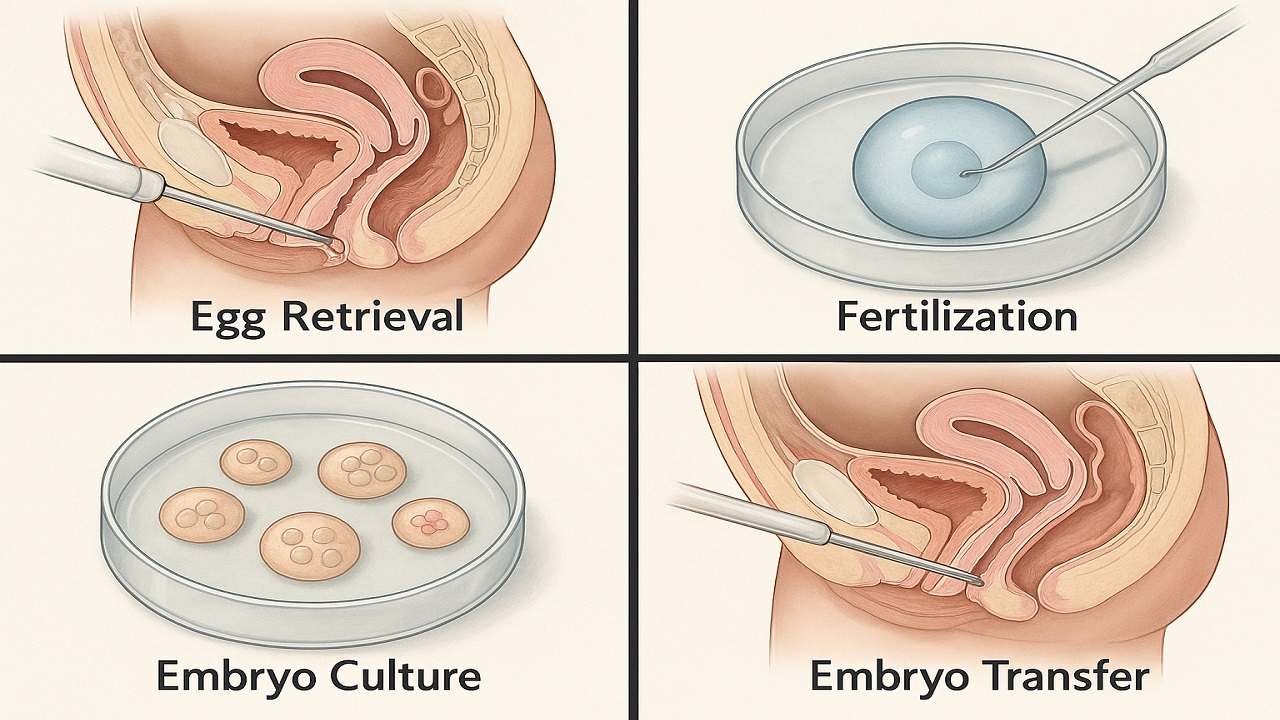
In Vitro Fertilization (IVF) process step by step, emphasising the importance of various stages such as ovarian stimulation, egg retrieval, fertilization, and embryo transfer in maximising the In Vitro Fertilization (IVF) Success Rate. It highlights how a thorough understanding of the procedure can prepare couples and individuals for their In Vitro Fertilization(IVF) journey, ultimately improving their chances of achieving a successful pregnancy.
Vitamin D Deficiency Affect IVF outcomes by influencing endometrial receptivity, embryo quality, and hormone balance. Clinical evidence, age-specific risks, and PCOS implications, while offering actionable strategies to optimize Vitamin D levels and improve IVF success rates and pregnancy outcomes in a structured, patient-focused approach.
Preimplantation Genetic Testing (PGT) revolutionizes IVF by screening embryos for chromosomal abnormalities and genetic disorders before transfer. This advanced technology increases pregnancy success rates, reduces miscarriage risk, prevents inherited diseases, and shortens time to pregnancy while providing diagnostic clarity and reducing emotional stress for couples.

Clinical evidence increasingly demonstrates that emotional stress or grief reduces the chances of IVF success through sophisticated biochemical pathways that directly influence reproductive physiology. This relationship extends far beyond simple correlations, revealing profound mechanistic connections between psychological distress and the delicate orchestration of hormonal events essential for successful conception.