Home
 ArticlesArticles
Embryo genetic testing (PGT/PGS) screens embryos during IVF to detect chromosomal abnormalities and genetic disorders before transfer. It improves IVF success rates, lowers miscarriage risks, and prevents hereditary diseases. By selecting healthy embryos, couples gain safer, more informed pathways to parenthood.




Preimplantation embryo genetic testing represents one of the most significant advances in reproductive medicine, providing previously unknown information about embryonic health before pregnancy is established. This sophisticated technology enables identification of genetic abnormalities and chromosomal disorders at the earliest stages of human development, providing couples with critical information to make informed reproductive decisions. The integration of genetic testing with IVF treatment has revolutionized outcomes for families facing genetic risks while improving success rates across diverse patient populations.
Preimplantation Embryo Genetic Testing encompasses advanced laboratory techniques that analyze DNA to identify genetic abnormalities in embryos created through IVF procedures, which could lead to implantation failure. This testing occurs before embryo transfer, allowing identification of identity loss or genetic diseases in resulting children.
The technology represents the convergence of reproductive medicine and genetic science, providing previously impossible insights into early human development.
Modern genetic testing platforms can examine entire chromosomal complements or focus on specific genetic conditions, depending on individual patient needs and risk factors. The precision and comprehensiveness of current testing methods enable detection of subtle abnormalities that would be impossible to identify through other means, significantly improving reproductive outcomes for countless families.
The ability to screen embryos before pregnancy establishment eliminates the need for invasive prenatal diagnostic procedures and difficult termination decisions. This proactive approach to genetic screening has transformed family planning for couples at risk of genetic diseases while providing peace of mind for all patients undergoing IVF treatment.
Preimplantation Genetic Testing for Aneuploidy (PGT-A), previously known as Preimplantation Genetic Screening (PGS), examines all 23 pairs of chromosomes to identify numerical abnormalities. Normal human embryos should contain exactly 46 chromosomes, with any deviation from this number typically resulting in implantation failure, miscarriage, or genetic syndromes such as Down syndrome.
Aneuploidy becomes increasingly common with advancing maternal age, affecting over 70% of embryos in women over 40 years old. PGT-A enables identification of chromosomally normal embryos within this population, significantly improving pregnancy rates while reducing miscarriage risks. The testing examines each chromosome pair to ensure proper numerical representation, identifying embryos with the highest potential for healthy development.
PGT-A screening's comprehensive nature offers important insights into embryo quality that morphological evaluation alone cannot provide. Embryos that appear normal under microscopic examination may harbor significant chromosomal abnormalities, while some embryos with minor morphological imperfections may be chromosomally normal and capable of producing healthy pregnancies.

Preimplantation Genetic Testing for Monogenic disorders (PGT-M), formerly called Preimplantation Genetic Diagnosis (PGD), focuses on specific genetic conditions caused by mutations in individual genes. This testing serves couples who are known carriers of genetic diseases or have family histories of hereditary conditions, enabling them to have healthy biological children without risk of disease transmission.
PGT-M can detect hundreds of different genetic conditions, including cystic fibrosis, sickle cell disease, Huntington's disease, Tay-Sachs disease, and numerous other inherited disorders. The testing requires advance preparation to develop specific probes for each genetic condition, with protocols customized for individual family genetic patterns and risk factors.
The precision of PGT-M testing enables identification of embryos that are completely unaffected by genetic diseases, those that are carriers (like their parents), and those that would be affected by the condition. This information allows couples to make informed decisions about which embryos to transfer while ensuring their children will not suffer from serious genetic diseases.
Preimplantation Genetic Testing for Structural Rearrangements (PGT-SR) addresses chromosomal abnormalities involving alterations in chromosome structure rather than number. These conditions include translocations, inversions, and other rearrangements that can lead to unbalanced genetic material in offspring, causing developmental abnormalities or pregnancy loss.
Individuals carrying balanced chromosomal rearrangements often experience recurrent miscarriages or infertility despite being personally unaffected by their genetic variations. PGT-SR identifies embryos that have inherited balanced genetic complements, significantly improving pregnancy success rates while reducing the emotional trauma of repeated pregnancy losses.
The complex analysis required for structural rearrangements demands sophisticated laboratory techniques and specialized expertise in genetic interpretation. Results provide crucial information about embryo genetic balance, enabling selection of embryos with optimal developmental potential.
The PGT process begins with standard IVF treatment, including ovarian stimulation, egg retrieval, and embryo creation through conventional fertilization or ICSI. Embryos develop in specialized culture systems for five to six days until they reach the blastocyst stage, when they contain sufficient cells for safe genetic sampling without compromising developmental potential.
Blastocyst biopsy involves the careful removal of several cells from the trophectoderm, the portion of the embryo that will eventually form the placenta rather than the fetus itself. This approach preserves the inner cell mass that develops into the baby while providing adequate genetic material for comprehensive testing. The biopsy procedure requires extraordinary precision and expertise, with specialized micromanipulation equipment and highly trained embryologists.
The timing of biopsy is critical for optimal outcomes, as embryos must be sufficiently developed to provide adequate cell samples while maintaining viability throughout the testing period. Most embryos undergo immediate freezing after biopsy, allowing time for genetic analysis while preserving embryo quality for future transfer.
Genetic analysis begins immediately after cell removal, with biopsied material transported to specialized genetic testing laboratories equipped with advanced molecular biology platforms. DNA extraction and amplification procedures prepare genetic material for comprehensive examination using next-generation sequencing or array-based technologies.
The analysis process typically requires 1-2 weeks to complete, during which time embryos remain safely stored in cryopreservation. Advanced sequencing platforms can examine entire chromosomal complements with unprecedented precision, detecting abnormalities that would be impossible to identify through traditional methods.
Quality control procedures ensure accuracy and reliability of genetic testing results, with multiple verification steps and standardized protocols minimizing the risk of diagnostic errors. Sophisticated software systems analyze massive amounts of genetic data to provide clear, interpretable results for clinical decision-making.
Genetic testing results are typically communicated through comprehensive reports that detail the chromosomal or genetic status of each tested embryo. Results classify embryos as normal, abnormal, or inconclusive, providing clear guidance for transfer decisions while explaining the implications of each finding.
Genetic counseling plays a crucial role in helping couples understand their results and make informed decisions about embryo selection and family planning. Counselors explain the significance of genetic findings, discuss probability and risk factors, and address emotional aspects of genetic testing and reproductive decision-making.
The counseling process also addresses limitations of genetic testing, including the possibility of diagnostic errors, mosaic embryos with mixed normal and abnormal cells, and conditions that cannot be detected through current testing methods. This comprehensive education ensures that couples have realistic expectations and can make truly informed reproductive choices.
PGT significantly improves pregnancy rates by enabling selection of chromosomally normal embryos with the highest developmental potential. Studies consistently demonstrate that the transfer of genetically tested normal embryos results in pregnancy rates exceeding 60–70% per transfer, regardless of maternal age, compared to 20–40% for untested embryos in older patients.
The ability to identify the most viable embryos reduces the number of transfer attempts needed to achieve pregnancy, decreasing both physical and emotional stress associated with repeated IVF cycles. Many couples achieve pregnancy on their first transfer attempt when using genetically tested embryos, compared to the multiple attempts often required with morphology-based selection alone.
Single embryo transfer becomes more feasible with genetic testing, as the confidence in embryo viability allows transfer of individual embryos without compromising pregnancy rates. This approach significantly reduces multiple pregnancy risks while maintaining excellent success rates, improving both maternal and fetal outcomes.
Chromosomal abnormalities account for approximately 70% of first-trimester miscarriages, making genetic testing extremely valuable for reducing pregnancy loss rates. Transfer of chromosomally normal embryos reduces miscarriage rates to approximately 5-10%, compared to 25-40% or higher with untested embryos in older patients.
The dramatic reduction in miscarriage rates provides significant emotional and physical benefits for couples who have experienced previous pregnancy losses. The confidence that transferred embryos are genetically normal reduces anxiety throughout pregnancy while improving the likelihood of carrying to term with healthy babies.
Prevention of miscarriages also reduces medical risks associated with pregnancy loss, including surgical interventions, bleeding complications, and infection risks. The overall improvement in reproductive outcomes justifies the investment in genetic testing for many couples, particularly those at higher risk for chromosomal abnormalities.
For couples at risk of genetic diseases, PGT-M provides the opportunity to have healthy biological children without disease transmission risks. This technology has transformed reproductive options for families affected by serious genetic conditions, enabling them to break cycles of hereditary disease while maintaining genetic parentage.
The prevention of genetic diseases eliminates the physical, emotional, and financial burdens associated with caring for children with serious medical conditions. Families can focus on normal child-rearing rather than managing complex medical needs, significantly improving quality of life for parents and children alike.
The peace of mind provided by genetic disease prevention extends throughout pregnancy and beyond, as parents can be confident their children will not develop the genetic conditions that may have affected previous generations of their families.
Advanced maternal age represents the most common indication for PGT-A, as chromosomal abnormality rates increase dramatically after age 35. Women over 38 years of age particularly benefit from genetic testing, as aneuploidy rates can exceed 50–70% in this population, making embryo selection critical for treatment success.
The cost-effectiveness of PGT becomes particularly apparent for older patients, as the improved success rates and reduced miscarriage rates often justify the additional expense compared to multiple untested transfer attempts. Many insurance programs now recognize this value and provide coverage for genetic testing in appropriate patient populations.
Younger women may also benefit from PGT when other risk factors exist, such as previous chromosomal abnormalities, recurrent pregnancy loss, or partner genetic factors. Individual assessment of risks and benefits guides recommendations for genetic testing across all age groups.
Couples experiencing multiple miscarriages often benefit significantly from PGT, as chromosomal abnormalities represent a leading cause of recurrent pregnancy loss. Genetic testing can identify the underlying cause of pregnancy losses while providing solutions through selection of chromosomally normal embryos for transfer.
The diagnostic value of PGT extends beyond treatment, as testing results can reveal patterns of genetic abnormalities that explain previous reproductive challenges. This information guides counselling about future pregnancy risks and optimal treatment approaches for individual couples.
Men with severely reduced sperm counts may produce higher rates of chromosomally abnormal embryos, making genetic testing valuable even when female age factors are favorable. ICSI procedures used for severe male factor infertility may also increase chromosomal abnormality risks, particularly when immature or morphologically abnormal sperm are utilized.
The combination of PGT with ICSI enables couples with severe male factor infertility to achieve excellent pregnancy outcomes while ensuring the genetic health of resulting children. This approach addresses both fertilization challenges and genetic concerns simultaneously, providing comprehensive treatment for complex fertility cases.
Despite remarkable accuracy, genetic testing is not infallible and carries small risks of diagnostic errors that could affect treatment outcomes. False positive results might lead to discarding of normal embryos, while false negative results could result in transfer of abnormal embryos, though both scenarios are rare with modern testing platforms.
Mosaicism, where embryos contain both normal and abnormal cells, presents interpretation challenges that require careful counseling and individualized decision-making. Some mosaic embryos may be capable of producing normal pregnancies, while others carry increased risks that must be weighed against available alternatives.
Testing limitations also exist for specific genetic conditions or chromosomal rearrangements that current testing platforms may not be able to detect. Comprehensive genetic counselling ensures that couples understand these limitations and can make informed decisions about testing options and alternative approaches.
The additional expense of genetic testing must be balanced against potential benefits for individual couples, considering factors such as age, diagnosis, and insurance coverage. While testing costs can be significant, the improved success rates and reduced need for multiple cycles often provide cost savings over time.
Insurance coverage for genetic testing varies significantly among plans and geographic regions, with some programs providing comprehensive coverage while others exclude testing entirely. Financial counselling helps couples understand costs and explore available options for managing expenses.
The long-term value of genetic testing extends beyond immediate treatment costs, as prevention of genetic diseases and improved pregnancy outcomes provide substantial benefits that justify initial investments for many families.
Preimplantation genetic testing represents a remarkable achievement in reproductive medicine, offering previously unknown information about embryo health while dramatically improving treatment outcomes. This technology has transformed the landscape of fertility treatment, offering hope and solutions for couples facing genetic risks while enhancing success rates across diverse patient populations. As testing platforms continue advancing and costs decrease, genetic testing will likely become standard practice in IVF treatment, further improving reproductive outcomes for families worldwide seeking assistance in building healthy families through assisted reproductive technology.



Womb transplantation is giving women with absolute uterine factor infertility the chance to carry and deliver their own child. This article explains how the process works from donor to delivery, who may be suitable, the risks involved and what recent births from living and deceased donors mean for patients.

Advanced female age causes fertility decline through reduced egg quantity, increased chromosomal abnormalities, and mitochondrial dysfunction. Understanding these biological mechanisms helps women make informed family planning decisions. Modern fertility treatments including IVF, preimplantation genetic testing, and egg freezing offer practical solutions to overcome age-related reproductive challenges when trying to conceive.
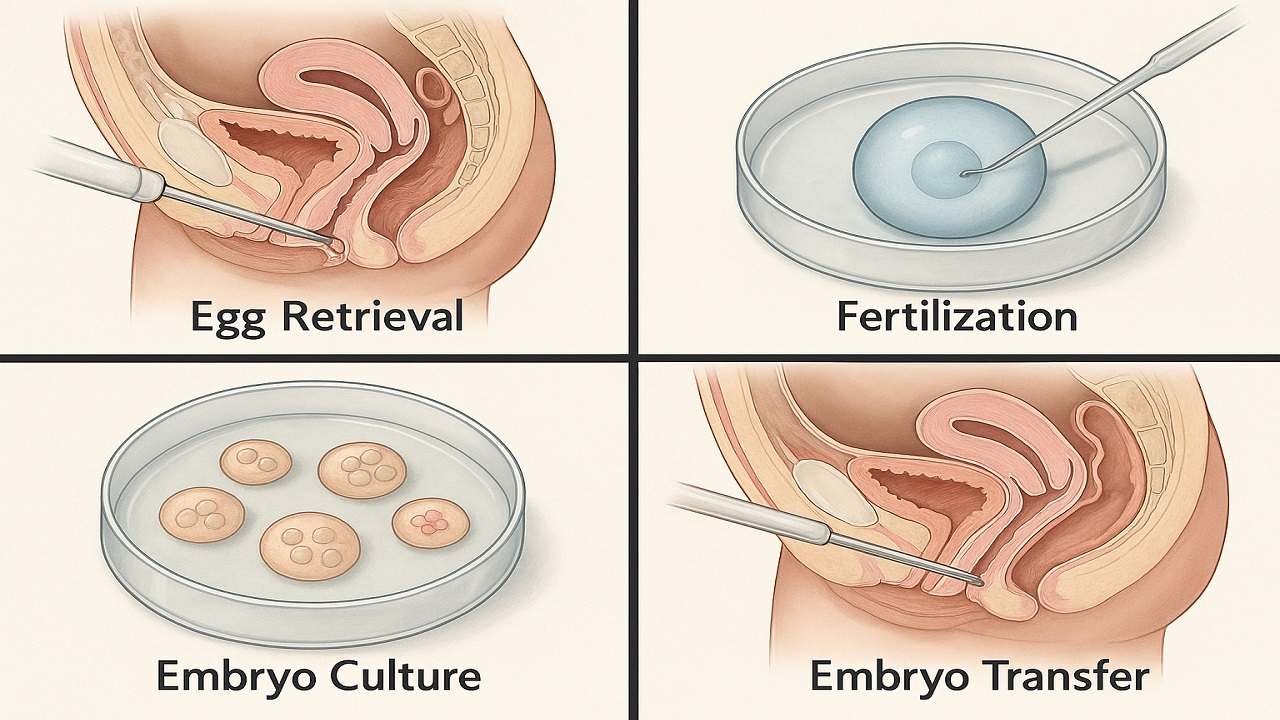
In Vitro Fertilization (IVF) process step by step, emphasising the importance of various stages such as ovarian stimulation, egg retrieval, fertilization, and embryo transfer in maximising the In Vitro Fertilization (IVF) Success Rate. It highlights how a thorough understanding of the procedure can prepare couples and individuals for their In Vitro Fertilization(IVF) journey, ultimately improving their chances of achieving a successful pregnancy.

Vitamin D Deficiency Affect IVF outcomes by influencing endometrial receptivity, embryo quality, and hormone balance. Clinical evidence, age-specific risks, and PCOS implications, while offering actionable strategies to optimize Vitamin D levels and improve IVF success rates and pregnancy outcomes in a structured, patient-focused approach.

Preimplantation Genetic Testing (PGT) revolutionizes IVF by screening embryos for chromosomal abnormalities and genetic disorders before transfer. This advanced technology increases pregnancy success rates, reduces miscarriage risk, prevents inherited diseases, and shortens time to pregnancy while providing diagnostic clarity and reducing emotional stress for couples.

Clinical evidence increasingly demonstrates that emotional stress or grief reduces the chances of IVF success through sophisticated biochemical pathways that directly influence reproductive physiology. This relationship extends far beyond simple correlations, revealing profound mechanistic connections between psychological distress and the delicate orchestration of hormonal events essential for successful conception.

IVF in 2025 is shifting from hype to evidence-based innovation. As precision, automation, AI, and genetic advances reshape fertility care, patients must distinguish proven breakthroughs from outdated add-ons. This guide examines five groundbreaking IVF technologies in 2025 to understand which advances genuinely improve outcomes