Home
 ArticlesArticles
The Egg Retrieval Process, a key step in fertility treatments like In Vitro Fertilization (IVF) and Intracytoplasmic Sperm Injection (ICSI). From ovarian stimulation to monitoring and emotional support, it breaks down each stage. Despite some risks, why is this procedure considered both safe and highly effective?




Egg retrieval (also known as egg aspiration) is an important step of assisted reproductive technologies, such as IVF (In Vitro Fertilisation) and ICSI (Intracytoplasmic Sperm Injection). It is usually a safe procedure, but there are a few different things to take into account that can help make the process go as smoothly as possible and result in the best outcome for those going through it. How Egg Retrieval Occurs, Risks and Tips for a Positive Experience. The risks and other key factors of only egg retrieval and how professionals in healthcare help mitigate them for a positive outcome.

Egg retrieval is a low-priced and commonly secure aspect of fertility treatments like IVF and ICSI, making it possible for many women to conceive when others have failed. Despite some aspects to contemplate, including ovarian stimulation, recovery time, and emotional support, the benefits of the procedure greatly outweigh the risks, particularly given the level of monitoring and precision now used by many fertility specialists. Being educated about the process and knowing what to expect will allow women to walk confidently into egg retrieval, reassured that they are in good hands with their physician throughout their fertility treatment.



Advanced female age causes fertility decline through reduced egg quantity, increased chromosomal abnormalities, and mitochondrial dysfunction. Understanding these biological mechanisms helps women make informed family planning decisions. Modern fertility treatments including IVF, preimplantation genetic testing, and egg freezing offer practical solutions to overcome age-related reproductive challenges when trying to conceive.
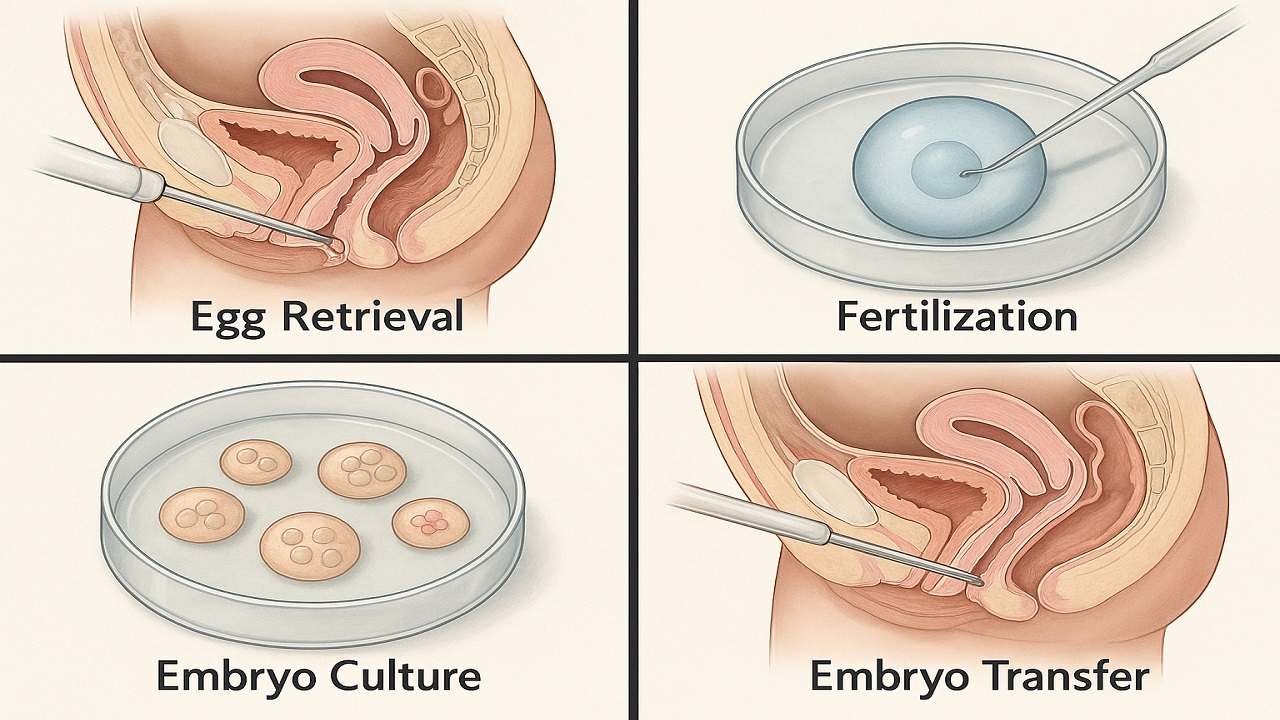
In Vitro Fertilization (IVF) process step by step, emphasising the importance of various stages such as ovarian stimulation, egg retrieval, fertilization, and embryo transfer in maximising the In Vitro Fertilization (IVF) Success Rate. It highlights how a thorough understanding of the procedure can prepare couples and individuals for their In Vitro Fertilization(IVF) journey, ultimately improving their chances of achieving a successful pregnancy.

Vitamin D Deficiency Affect IVF outcomes by influencing endometrial receptivity, embryo quality, and hormone balance. Clinical evidence, age-specific risks, and PCOS implications, while offering actionable strategies to optimize Vitamin D levels and improve IVF success rates and pregnancy outcomes in a structured, patient-focused approach.

Preimplantation Genetic Testing (PGT) revolutionizes IVF by screening embryos for chromosomal abnormalities and genetic disorders before transfer. This advanced technology increases pregnancy success rates, reduces miscarriage risk, prevents inherited diseases, and shortens time to pregnancy while providing diagnostic clarity and reducing emotional stress for couples.

Clinical evidence increasingly demonstrates that emotional stress or grief reduces the chances of IVF success through sophisticated biochemical pathways that directly influence reproductive physiology. This relationship extends far beyond simple correlations, revealing profound mechanistic connections between psychological distress and the delicate orchestration of hormonal events essential for successful conception.

IVF in 2025 is shifting from hype to evidence-based innovation. As precision, automation, AI, and genetic advances reshape fertility care, patients must distinguish proven breakthroughs from outdated add-ons. This guide examines five groundbreaking IVF technologies in 2025 to understand which advances genuinely improve outcomes

Managing Recurrent Implantation Failure (RIF) outlines evidence-based diagnostics and treatment pathways to improve IVF success rates, emphasizing clarity, cautious use of add-ons, and realistic patient expectations.