Home
 ArticlesArticles
Key milestones in fertility treatments, from artificial insemination to In Vitro Fertilization (IVF). It highlights breakthroughs like the birth of Louise Brown and the ongoing impact of these technologies on reproductive health.



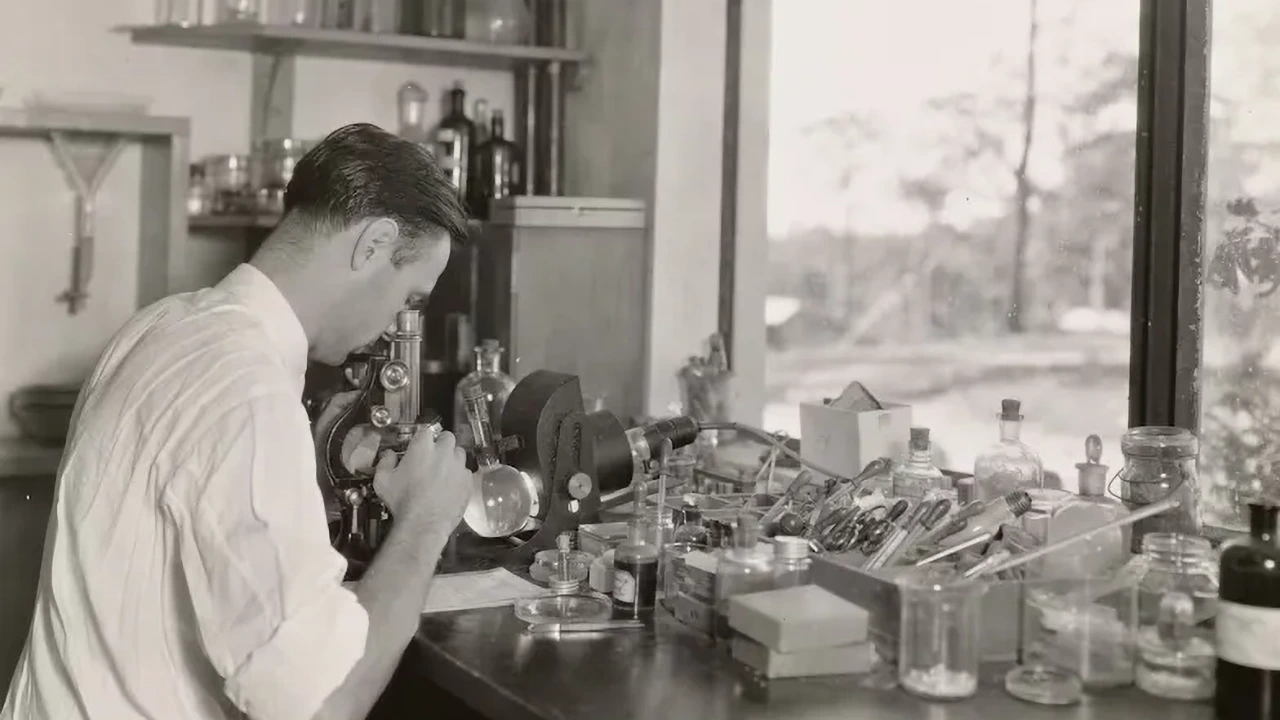
Artificial insemination (AI) and In vitro fertilization (IVF) are not only cutting-edge scientific breakthroughs, but the stories behind them are told through experimentation, innovation, and determination. Introduction and overview of how these techniques have changed the course of treatment for infertility and given hope to people across the globe. Definitely, AI, and IVF are both well-known and mainly methods used for assisted reproduction techniques, and they are equally successful but developed from amazing experiments.
The idea of artificial insemination had emerged in the early 18th century, but science was far from ripe for it to be used as a treatment for fertility. Artificial insemination dates back to biblical times, but few historical records are available about how it was done except that it was rather elementary and typically consisted of moving semen into the uterus.
Artificial insemination is typically credited to 18th-century Italian scientist Lazzaro Spallanzani and some of the earliest experiments. Males, however, could be made to mate with females, indeed he performed controlled breeding experiments on several animals, including dogs, by artificially inseminating females with semen from male specimens. Although his work was mainly to understand reproduction in animals, it represented the first real strides toward creating artificial insemination in humans.
But it wasn’t until the 19th and early 20th centuries that the technology started to grow and advance. The technique was successfully applied to livestock breeding in the 1940s and 1950s, giving researchers a clearer picture of what artificial insemination might mean for human medicine. This marked the start of a more sophisticated form of assisted reproductive technology (ART).
The first baby to be conceived through artificial insemination. A Dutch doctor, none other than Dr. Antonin M. (the name is disguised to protect the individuals involved), claimed the first documented successful artificial insemination of a woman in 1884. While the case was not widely known at the time, it heralded the more serious study of how people might apply AI.
The practice of artificial insemination saw rapid advancements, especially in terms of treating male infertility, in the mid-20th century. Dr. John Rock, a gynecologist, and some of his fellow researchers theorised that AI could also help couples that struggle to conceive. This is when semen was intentionally collected, processed, and stored (known as sperm banking) in ways that allowed for more flexible timing of insemination and offered solutions to men with low sperm counts or mobility issues.

Although artificial insemination was a groundbreaking first step toward reproductive technology, the next significant advance was the invention of In vitro fertilization (IVF). IVF consists of fertilising an egg using sperm outside the body and then introducing the fertilized embryo into the uterus. This technique would eventually grow to be known as one of the most popular forms of fertility treatment.
The first successful In Vitro Fertilization (IVF) was performed in the early 1970s, due to the pioneering work of Dr. Robert Edwards and Dr. Patrick Steptoe in the UK. What they were studying was a treatment for women who had obstructed fallopian tubes, which was hindering natural conception. A historic moment in medical science came in 1978 with the birth of Louise Brown, the first "test-tube baby" in the world, a feat achieved by embryo transfer.
Dr. Edwards and Dr. Steptoe’s method was to extract eggs from a woman’s ovaries and fertilize them in the lab with sperm, then return the embryos to her uterus. Their success showed that infertility could be surmounted by delivering a carefully regulated external environment for fertilizing an egg, after attempts and errors. This breakthrough paved the way for modern-day IVF, offering hope to countless couples struggling with infertility.
After the birth of Louise Brown, there was widespread interest in the success of IVF, and the technique proliferated. As the technology progressed, most countries set up their IVF units. As techniques improved and technologies advanced, so did IVF success rates. Over the years, new technology developed, such as intracytoplasmic sperm injection (ICSI), egg freezing, and embryo freezing, increasing the advancement of assisted reproductive techniques.
Therefore, there is a need to broaden the scope of IVF treatment to tackle a growing spectrum of infertility. Aside from treating fallopian tube blockages, IVF was also used to address conditions like male infertility, polycystic ovary syndrome (PCOS), endometriosis, and unexplained infertility. IVF initially met with success and ushered in a new era of reproductive medicine, one that brought hope of parenthood to those who otherwise may not have been able to conceive.
Today, millions of families around the world have benefited from artificial insemination and IVF. Over the last few decades, both technologies have become more sophisticated, and today, IVF clinics offer such advanced treatments as genetic screening, embryo testing, and enhanced fertility drugs. The success rate for IVF has also dramatically increased because of improved medical techniques, better laboratory practices, and a greater understanding of human fertility.
Artificial insemination, meanwhile, continues to be an essential option for treating male infertility, as well as for women who want to conceive with the assistance of donor sperm. AI has similarly been crucial in helping same-sex couples as well as single women become parents.
The early research in artificial insemination and IVF (in vitro fertilization) opened opportunities in reproductive health that changed the lives of millions of people around the world. The timeline also touches on major milestones in reproductive science, from the first artificial insemination attempts in the 18th century to the birth of Louise Brown. The breakthroughs and advancements in the field of reproductive medicine have turned fantasies into reality, offering hope to those who struggle with infertility as a result of the unwavering hard work of early scientists and medical professionals who made it possible for couples to embrace one of the greatest joys of life conception.
With the advancement of research, the future of AI and IVF holds even more promise, with even more opportunities for individuals and couples looking to expand their families. These technologies have had a significant impact in recent years, with new discoveries and successes shaping the field of human reproduction.


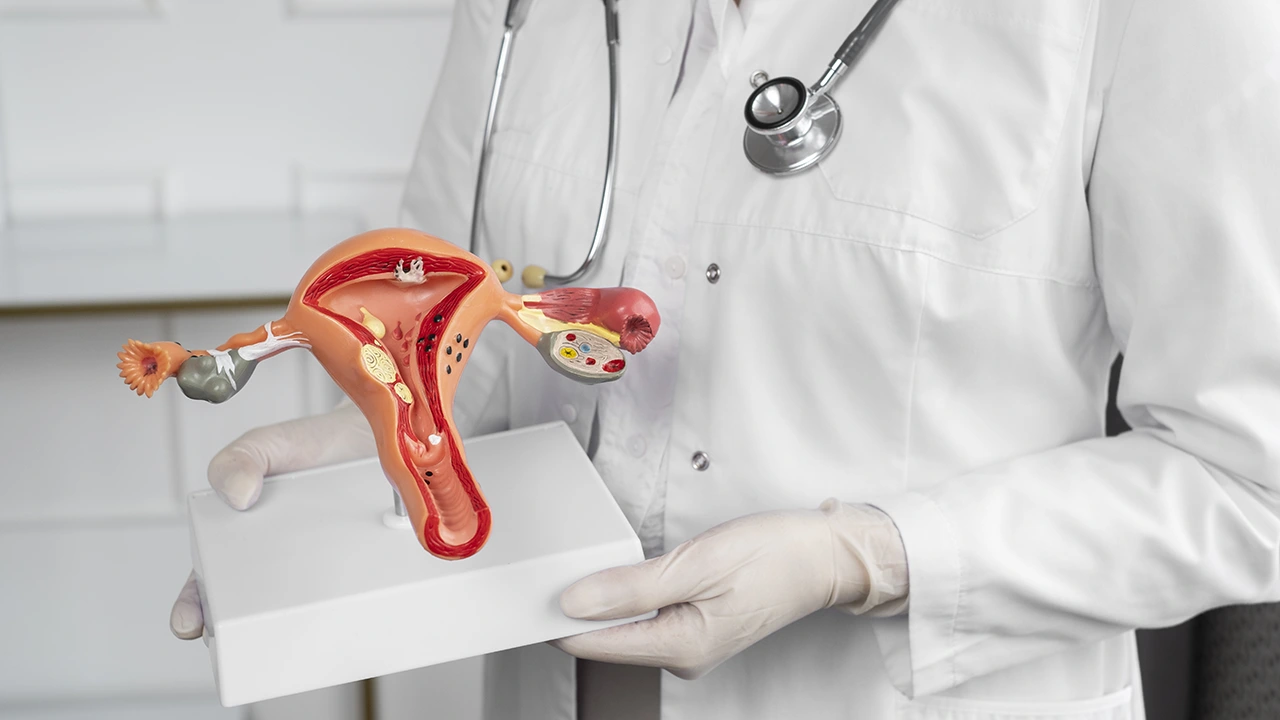
Womb transplantation is giving women with absolute uterine factor infertility the chance to carry and deliver their own child. This article explains how the process works from donor to delivery, who may be suitable, the risks involved and what recent births from living and deceased donors mean for patients.

Advanced female age causes fertility decline through reduced egg quantity, increased chromosomal abnormalities, and mitochondrial dysfunction. Understanding these biological mechanisms helps women make informed family planning decisions. Modern fertility treatments including IVF, preimplantation genetic testing, and egg freezing offer practical solutions to overcome age-related reproductive challenges when trying to conceive.
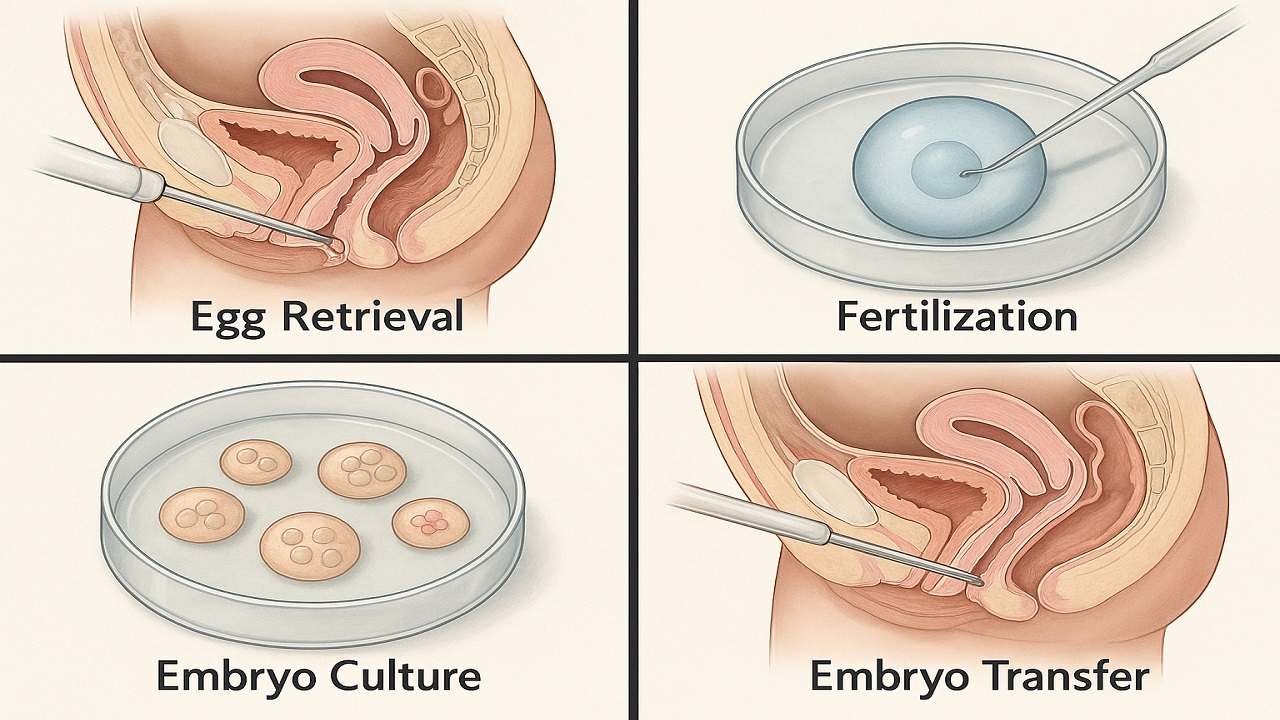
In Vitro Fertilization (IVF) process step by step, emphasising the importance of various stages such as ovarian stimulation, egg retrieval, fertilization, and embryo transfer in maximising the In Vitro Fertilization (IVF) Success Rate. It highlights how a thorough understanding of the procedure can prepare couples and individuals for their In Vitro Fertilization(IVF) journey, ultimately improving their chances of achieving a successful pregnancy.

Vitamin D Deficiency Affect IVF outcomes by influencing endometrial receptivity, embryo quality, and hormone balance. Clinical evidence, age-specific risks, and PCOS implications, while offering actionable strategies to optimize Vitamin D levels and improve IVF success rates and pregnancy outcomes in a structured, patient-focused approach.
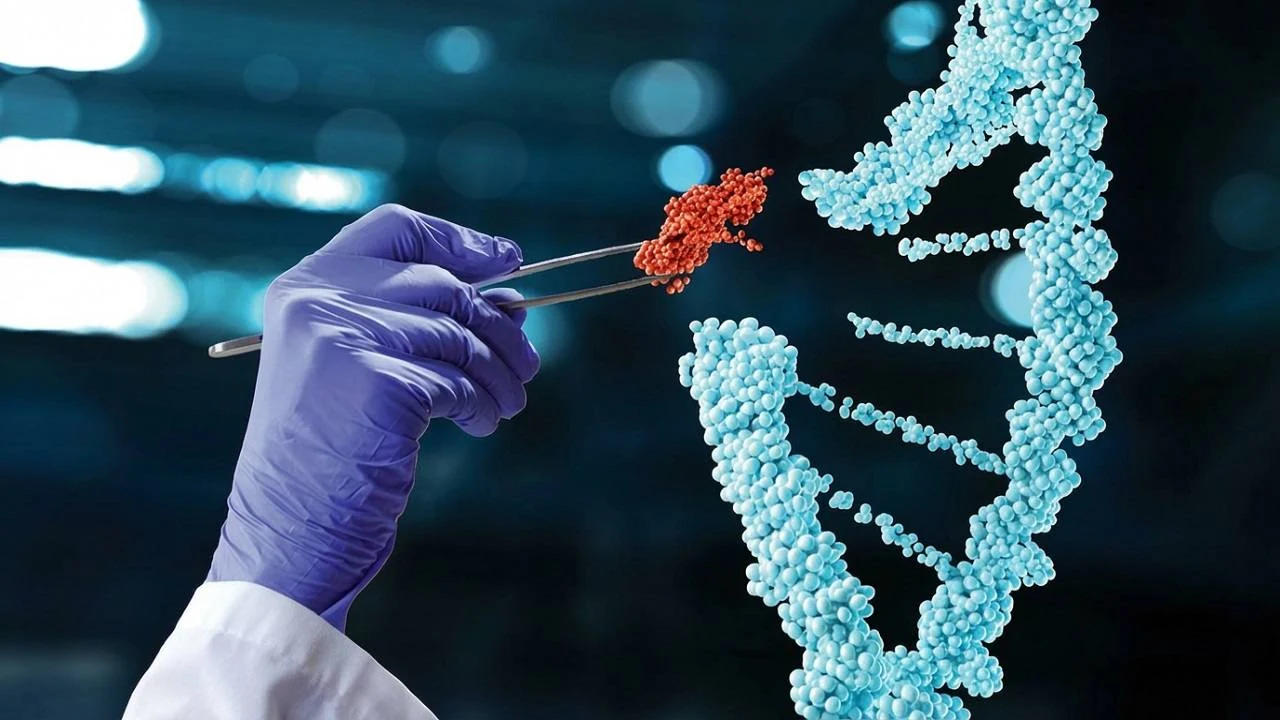
Preimplantation Genetic Testing (PGT) revolutionizes IVF by screening embryos for chromosomal abnormalities and genetic disorders before transfer. This advanced technology increases pregnancy success rates, reduces miscarriage risk, prevents inherited diseases, and shortens time to pregnancy while providing diagnostic clarity and reducing emotional stress for couples.

Clinical evidence increasingly demonstrates that emotional stress or grief reduces the chances of IVF success through sophisticated biochemical pathways that directly influence reproductive physiology. This relationship extends far beyond simple correlations, revealing profound mechanistic connections between psychological distress and the delicate orchestration of hormonal events essential for successful conception.
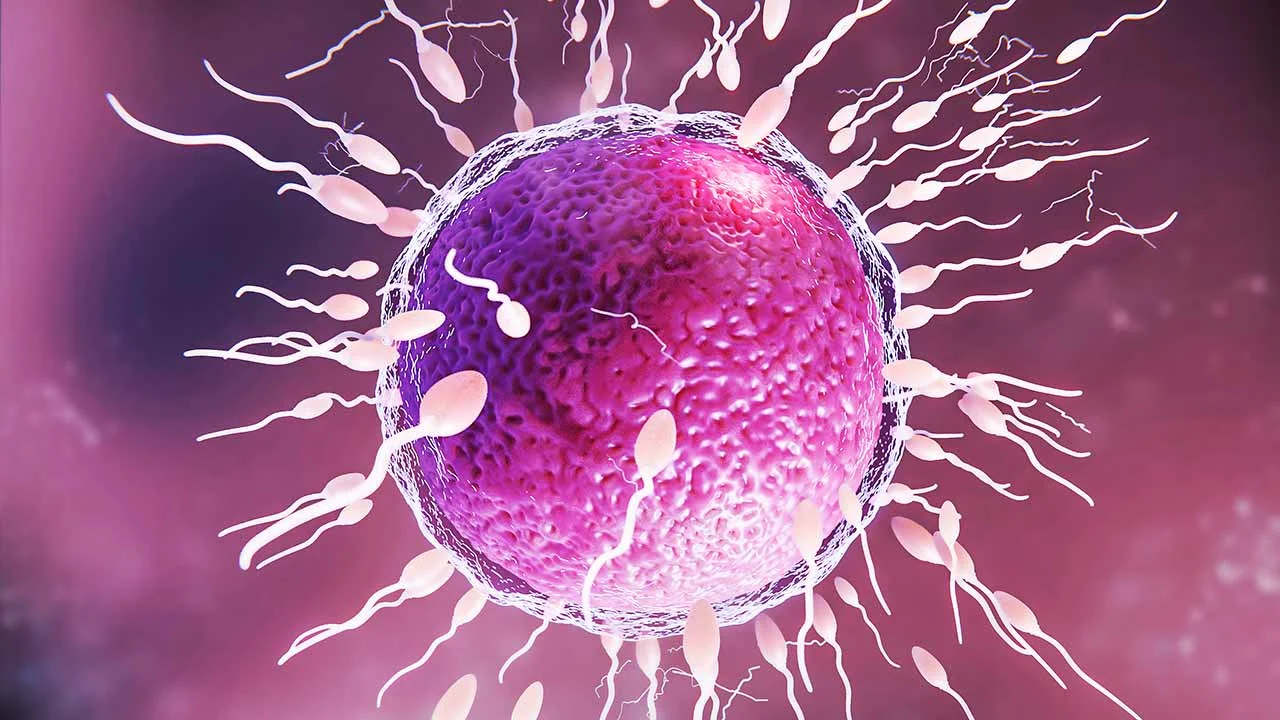
IVF in 2025 is shifting from hype to evidence-based innovation. As precision, automation, AI, and genetic advances reshape fertility care, patients must distinguish proven breakthroughs from outdated add-ons. This guide examines five groundbreaking IVF technologies in 2025 to understand which advances genuinely improve outcomes