Home
 ArticlesArticles
Alcohol consumption lowers the chances of IVF success, focusing on hormonal impacts, embryo development, implantation, pregnancy risks, and psychosocial factors, with clinical insights and emerging evidence.




The journey of In-vitro fertilization (IVF) is both deeply personal and profoundly medical, a blending of science and hope. For many couples, every aspect of health and lifestyle becomes a critical consideration, especially when small choices could sway outcomes. Among these factors, one question often arises with quiet urgency: does alcohol consumption lower the chances of IVF success?
Though alcohol is socially entrenched and often considered harmless in moderation, reproductive medicine paints a more cautionary picture. Over the past two decades, a steady stream of clinical studies has revealed connections between alcohol use, fertility health, and IVF outcomes. Understanding these links requires a careful look at hormonal balance, gamete quality, embryo development, and the subtle mechanisms of implantation.
Successful IVF depends heavily on the finely tuned orchestration of hormones. Alcohol disrupts this delicate system. Research has shown that alcohol intake can alter estrogen and progesterone levels, two hormones vital for ovarian stimulation and uterine receptivity. Even moderate drinking has been linked to changes in the hypothalamic-pituitary-gonadal axis, interfering with ovulation and endometrial preparation.
For women undergoing IVF, ovarian stimulation protocols rely on predictable responses. Alcohol-induced hormonal fluctuations may blunt ovarian response, reducing the number and quality of mature oocytes retrieved. This is not a theoretical risk; a study published in Fertility and Sterility reported that women consuming as little as four drinks per week had lower rates of live births compared to abstainers.
Egg quality is a cornerstone of IVF success. Alcohol, through oxidative stress and disrupted mitochondrial function, can compromise oocyte integrity. Poor-quality eggs lead to reduced fertilisation rates and embryos that are less viable.
Obesity, smoking, and alcohol often interact synergistically, compounding risks. Women with higher BMI who also consume alcohol during IVF cycles demonstrate significantly lower retrieval and implantation success. In such cases, the question does alcohol consumption lower the chances of IVF success moves beyond caution to statistical certainty.
Embryo quality determines not only fertilization potential but also the likelihood of implantation. Alcohol impairs sperm motility and morphology in men and egg viability in women, both critical in IVF cycles. When fertilization occurs, embryos may carry subtle cellular damage, making implantation less likely.
A large cohort study from Harvard observed that couples who consumed alcohol in the month prior to IVF were 21% less likely to achieve a successful implantation. For women, the risk was particularly pronounced when drinking occurred in the luteal phase, the stage when the uterine lining prepares to receive the embryo.
Even when IVF results in pregnancy, alcohol increases the risk of miscarriage and complications. Ethanol crosses the placental barrier, influencing early embryonic development and placental function. Studies consistently show that alcohol exposure, even at low levels, correlates with higher miscarriage rates in IVF pregnancies compared to natural conceptions.
To distil the evidence:

Beyond physiology, alcohol carries psychosocial weight. IVF patients often experience heightened anxiety and stress, and alcohol may become a coping mechanism. However, its short-term relief comes at the expense of long-term outcomes. Couples who abstain not only demonstrate better clinical results but also report stronger emotional resilience through treatment cycles.
The discussion of whether alcohol consumption lowers the chances of IVF success cannot be divorced from broader lifestyle choices. Just as sleep quality, nutrition, and mental health shape reproductive potential, so too does abstinence from alcohol reflect a commitment to optimising the odds.
Emerging research in reproductive medicine is exploring protective strategies against alcohol-induced reproductive damage. Antioxidant supplementation, personalised ovarian stimulation protocols, and counselling interventions are being studied as tools to mitigate risk. While these approaches show promise, most fertility specialists agree: prevention through abstinence is the most effective intervention.
The evidence is clear, and the message is consistent: does alcohol consumption lower the chances of IVF success? Yes, it does and in more ways than many patients realise. From hormonal disruptions and compromised egg quality to diminished implantation rates and elevated miscarriage risks, alcohol is a silent antagonist in the IVF journey.
For couples investing physically, emotionally, and financially in assisted reproduction, abstinence from alcohol is less a sacrifice than a strategic choice. IVF is a process where every detail matters; in this arena, even “just one glass” can carry disproportionate weight. The wisest course is also the simplest: when striving for new life, leave the wine glass empty.



Advanced female age causes fertility decline through reduced egg quantity, increased chromosomal abnormalities, and mitochondrial dysfunction. Understanding these biological mechanisms helps women make informed family planning decisions. Modern fertility treatments including IVF, preimplantation genetic testing, and egg freezing offer practical solutions to overcome age-related reproductive challenges when trying to conceive.
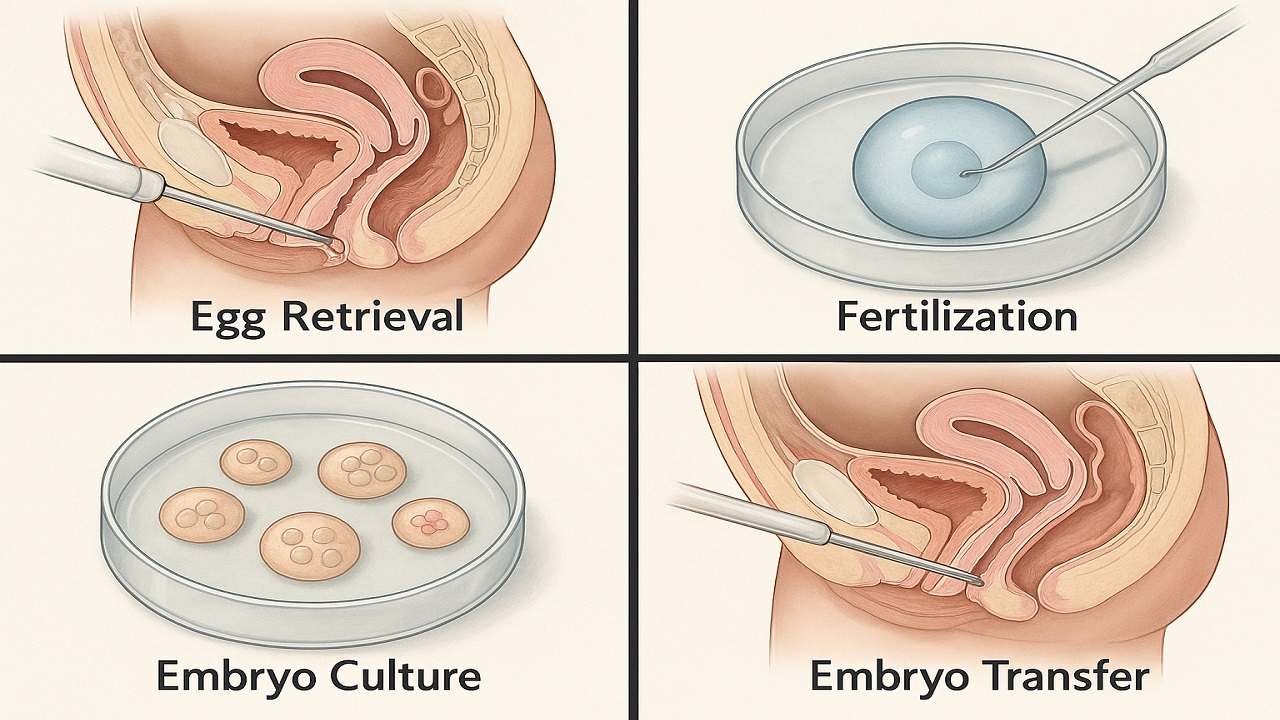
In Vitro Fertilization (IVF) process step by step, emphasising the importance of various stages such as ovarian stimulation, egg retrieval, fertilization, and embryo transfer in maximising the In Vitro Fertilization (IVF) Success Rate. It highlights how a thorough understanding of the procedure can prepare couples and individuals for their In Vitro Fertilization(IVF) journey, ultimately improving their chances of achieving a successful pregnancy.
Vitamin D Deficiency Affect IVF outcomes by influencing endometrial receptivity, embryo quality, and hormone balance. Clinical evidence, age-specific risks, and PCOS implications, while offering actionable strategies to optimize Vitamin D levels and improve IVF success rates and pregnancy outcomes in a structured, patient-focused approach.
Preimplantation Genetic Testing (PGT) revolutionizes IVF by screening embryos for chromosomal abnormalities and genetic disorders before transfer. This advanced technology increases pregnancy success rates, reduces miscarriage risk, prevents inherited diseases, and shortens time to pregnancy while providing diagnostic clarity and reducing emotional stress for couples.

Clinical evidence increasingly demonstrates that emotional stress or grief reduces the chances of IVF success through sophisticated biochemical pathways that directly influence reproductive physiology. This relationship extends far beyond simple correlations, revealing profound mechanistic connections between psychological distress and the delicate orchestration of hormonal events essential for successful conception.
IVF in 2025 is shifting from hype to evidence-based innovation. As precision, automation, AI, and genetic advances reshape fertility care, patients must distinguish proven breakthroughs from outdated add-ons. This guide examines five groundbreaking IVF technologies in 2025 to understand which advances genuinely improve outcomes

Managing Recurrent Implantation Failure (RIF) outlines evidence-based diagnostics and treatment pathways to improve IVF success rates, emphasizing clarity, cautious use of add-ons, and realistic patient expectations.