Home
 ArticlesArticles
The various types of Intrauterine Insemination (IUI), including Natural, Medicated, and Timed IUI, detailing how each method works and their respective benefits. Understanding these types of IUI helps individuals and couples choose the right fertility treatment based on their specific needs and circumstances.



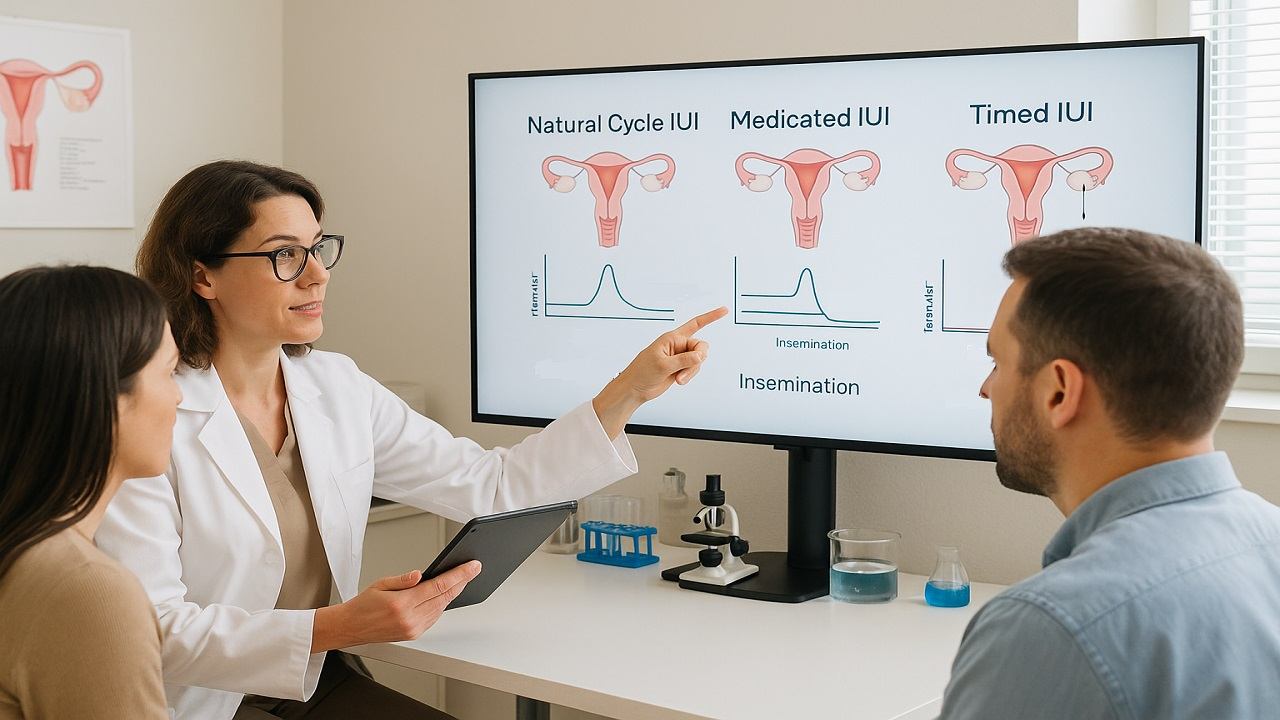
Intrauterine insemination (IUI) is a well-known and effective fertility treatment, with several variations tailored to individual needs. Understanding the types of IUI, including Natural Cycle IUI, Medicated IUI, and Timed IUI, can help couples choose the most suitable approach based on their unique fertility challenges.
The process consists of placing processed sperm directly into the woman’s uterus at the time she is ovulating, increasing the odds that sperm will be able to reach and fertilize the egg. There are different kinds of IUI depending on different types of fertility issues. They include natural cycle IUI, medicated IUI, and timed IUI. This article will take you through various types of IUI, how each method works, the benefits provided, and their recommendation timelines.
Once you understand IUI, it’s essential to know the types of IUI available. These include Natural Cycle IUI, Medicated IUI, and Timed IUI, each offering distinct benefits depending on the specific needs of the individuals or couples undergoing treatment.

Natural cycle IUI is where the ovaries are not stimulated using any form of fertility drugs. Instead, the procedure depends on the woman’s body to generate a single egg in her natural menstrual cycle. Sperm is inseminated into the uterus at ovulation or mid-cycle.
How It Works:
The woman is monitored through blood tests and ultrasounds as she approaches ovulation. After detecting ovulation, a sperm sample is prepared in the lab. The processed sperm is subsequently injected into the woman’s uterus using a catheter. No fertility drugs stimulate ovulation, and no hormone-stimulating interventions are given.
Benefits of Natural Cycle IUI:
When is Natural Cycle IUI Used?
Challenges with Natural Cycle IUI:

In medicated IUI, fertility drugs are used to stimulate the ovaries to produce multiple eggs, thus increasing the chance of fertilization and a successful pregnancy. Such medications will help regulate and enhance ovulation, allowing for appropriately timed insemination and improved chances of conception. Federal government HSG injected drugs are the most common HSG injections and include balancing drugs, Clomiphene Citrate (Clomid) and gonadotropins.
How It Works:
Benefits of Medicated IUI:
When is Medicinal IUI Used?
Medicated IUI Challenges:
What is Timed IUI?
Timed IUI involves carefully monitoring the woman's menstrual cycle to inseminate sperm into the uterus at the time of ovulation. This method can be performed with or without fertility medications; however, during natural or medicated cycles, it is done with careful timing between inseminations.
How It Works:
Benefits of Timed IUI:

Natural cycle IUI, medicated IUI and timed IUI, are all three types of IUI (intrauterine insemination), and each can be a good option for individuals and couples seeking fertility care depending on their particular needs and circumstances. Natural cycle IUI is perfect if you don’t need fertility medication and have regular cycles, and medicated IUI is helpful for people who have issues with ovulation or want to increase their chances of success by stimulating their ovaries. Medicated or not, timing of insemination with IUI and doing it right can increase the odds of a fertilized egg.
Together with the doctor, you’ll choose the IUI method based on factors like the reason for the infertility, the woman’s age, and overall health. Seeking advice from a fertility specialist is crucial in determining which will provide the greater likelihood for success.


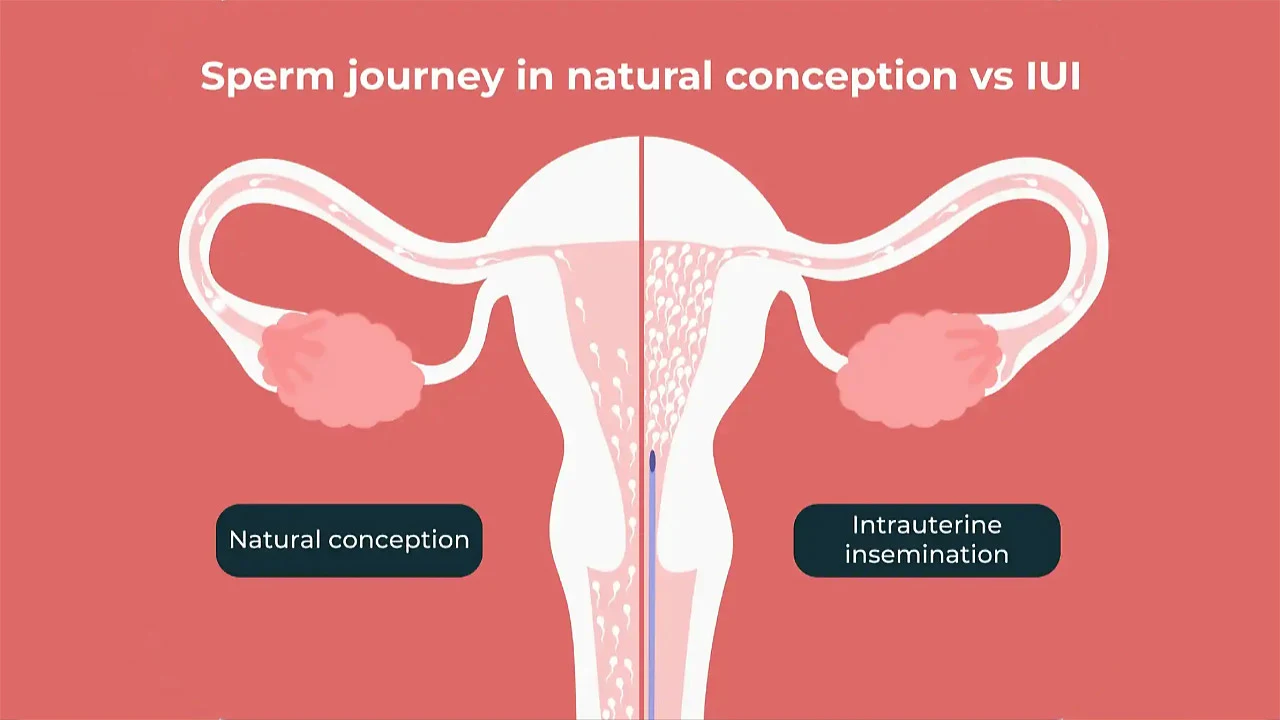
Natural cycle IUI, a fertility treatment that works with your body's natural ovulation without medications. This comprehensive guide explains the procedure, ideal candidates, step-by-step process, success rates, and benefits. Learn if this gentle approach to conception is right for your fertility journey and family-building goals.
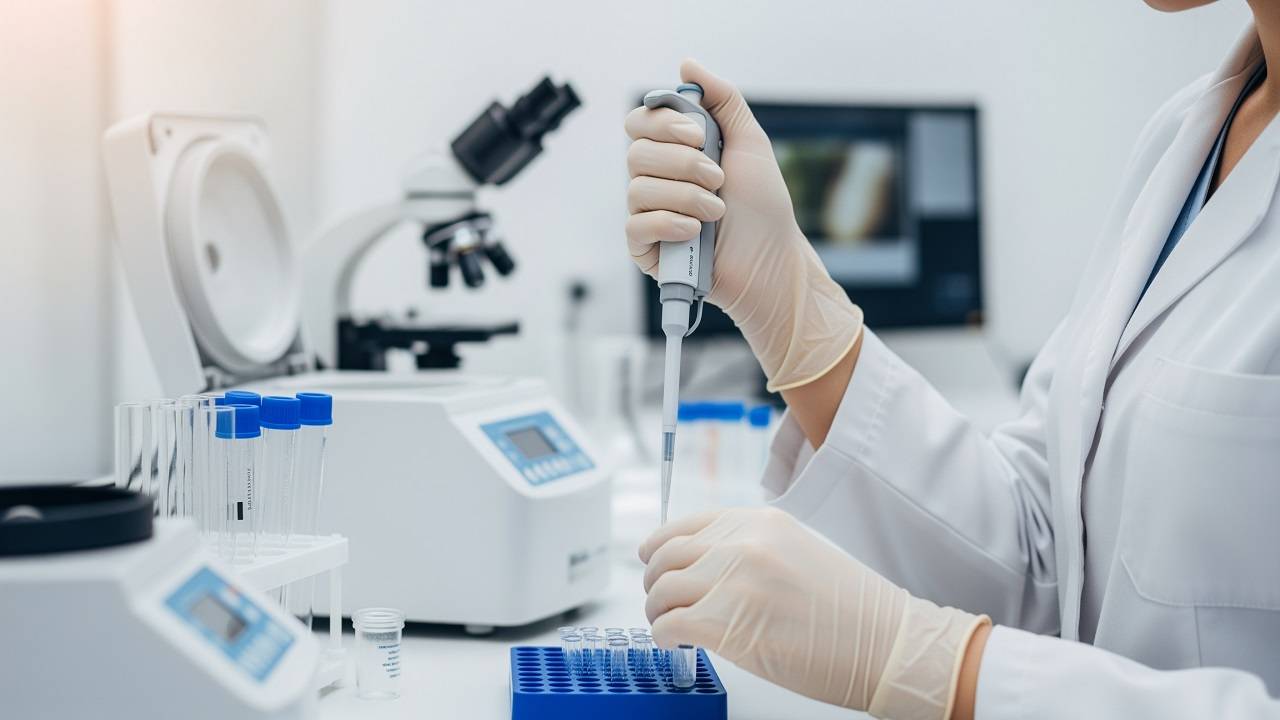
IUI with sperm washing is a fertility treatment where semen is carefully processed to isolate healthy, motile sperm before being placed directly into the uterus. This method improves fertilization chances by bypassing natural barriers and reducing harmful elements in semen. It is especially beneficial for couples facing mild male infertility, cervical issues, or unexplained infertility.
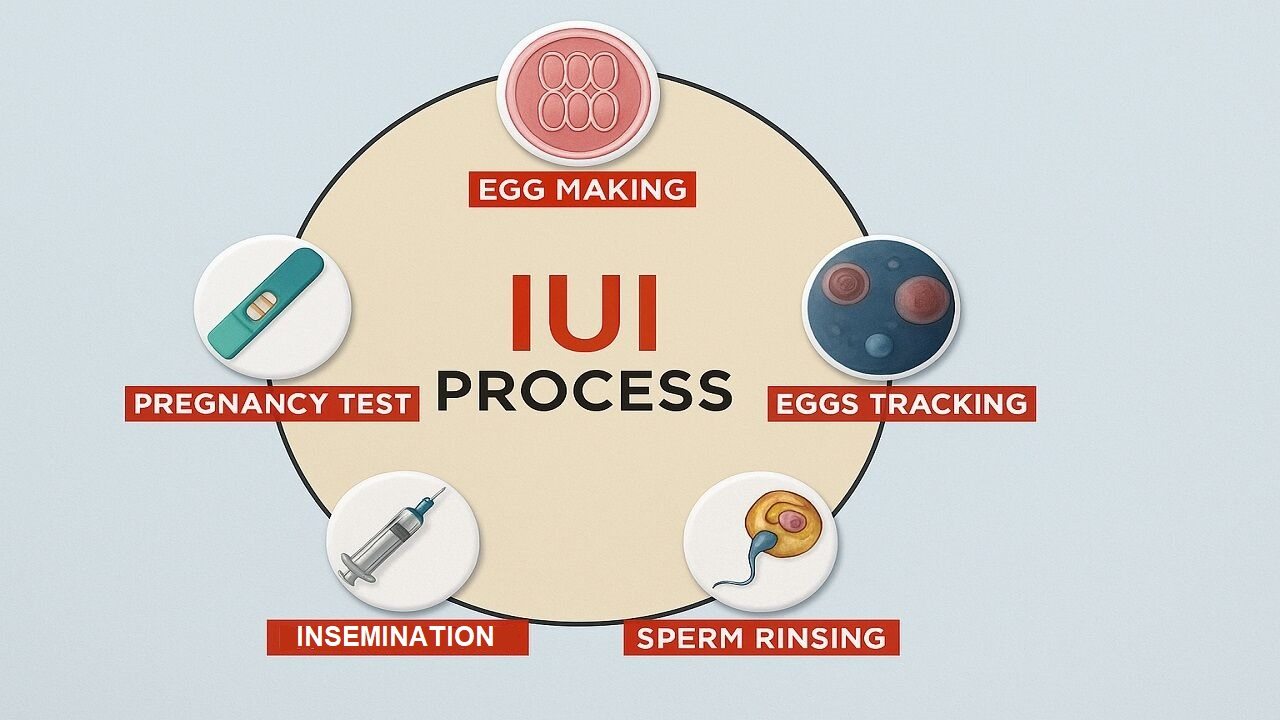
The process of Sperm Processing in Intrauterine Insemination (IUI) outlines the necessary steps, including collection, washing, and selection, to improve the quality of the sperm. Proper Sperm Processing in Intrauterine Insemination (IUI) increases the chances of successful fertilization and pregnancy, making it a vital part of the intrauterine insemination procedure.
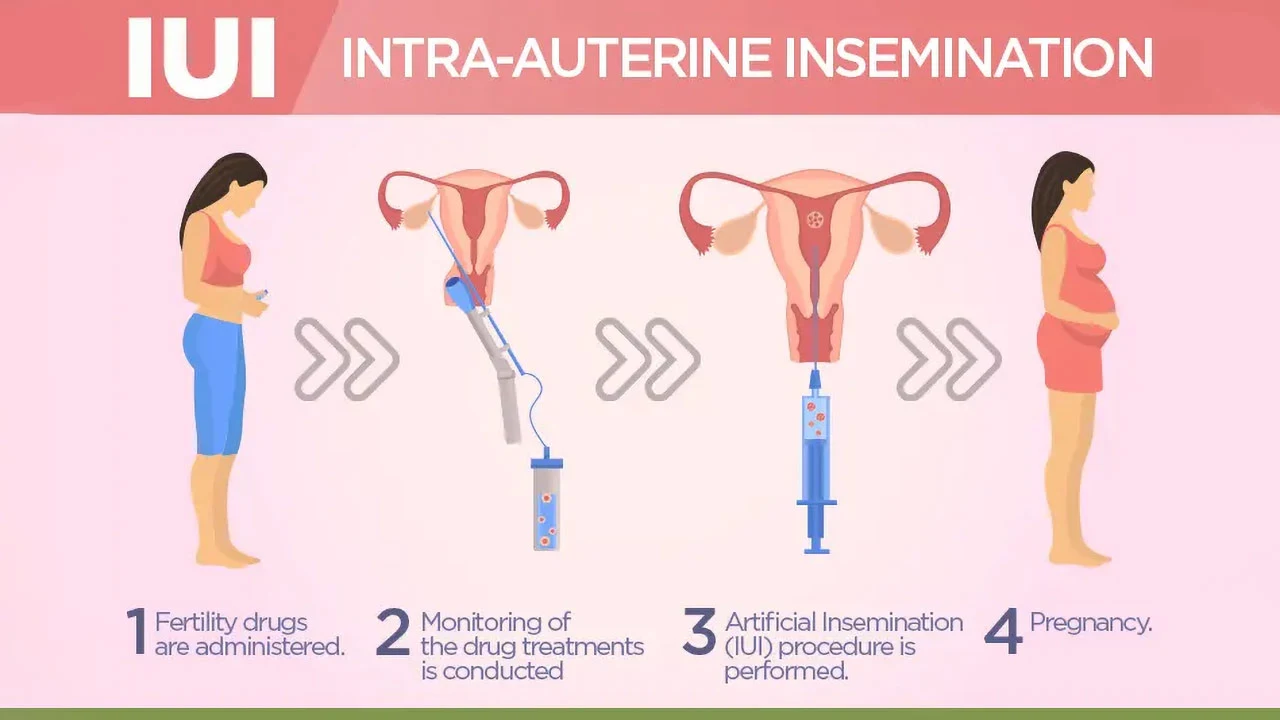
Intrauterine insemination (IUI) is a minimally invasive fertility treatment that involves placing prepared sperm directly into the uterus during ovulation. How the IUI procedure works, who may benefit, expected success rates, and what to anticipate throughout the treatment journey.

The contributions of pioneers in reproductive medicine revolutionized IUI. From artificial insemination to ovulation induction, these pioneers in reproductive medicine played a crucial role in advancing fertility treatments. Their innovations made IUI a widely used and effective solution for infertility.

The complexities surrounding the use of donor gametes, including legal considerations, anonymity, and ethical dilemmas. It highlights how the use of donor gametes raises important questions about parenthood, child rights, and family dynamics in assisted reproduction.