Home
 ArticlesArticles
The Czech Republic has emerged as Europe’s IVF affordability hub, offering world-class fertility treatment at nearly half the cost of Western Europe. With regulated clinics, transparent pricing, and high success rates, it stands as a trusted destination for patients seeking ethical, safe, and affordable assisted reproduction.




The Czech Republic has become Europe’s IVF Affordability Hub for high-quality, low-cost IVF and egg donation, pairing rigorous regulation with prices often 50–70% below Western Europe and the United States. Treatment packages for own-egg IVF commonly start near €2,500–€2,800, while donor-egg programs average €4,500–€8,000, drawing a steady stream of patients to Prague, Brno, and regional centers such as Zlín and Olomouc.
At the heart of Czechia’s appeal is a rare combination: nationally regulated clinics, robust quality oversight via mandatory reporting to the national register, and a market where competition keeps prices accessible compared with Western European peers. Typical menu pricing published by clinics and independent aggregators shows IVF from roughly €2,400–€2,800 and donor eggs from about €4,300–€5,990, with optional add-ons such as time-lapse embryo monitoring priced transparently and modestly relative to other hubs. For patients comparing destinations, that puts Czechia’s baseline IVF costs at roughly half the price of Western Europe and far below U.S. self-pay rates, making the country a fixture in “best value” shortlists for cross-border reproductive care.

Contemporary price lists and country guides converge on a tight band of costs for core services. Complete IVF cycles with own eggs are widely listed from €2,500–€2,800, sometimes lower for native/minimal stimulation protocols, with add-ons like embryoscope/time-lapse monitoring at ~€400 and first consultations often deductible against treatment. Donor-egg packages frequently begin near €4,300–€4,990 with options that guarantee one or two embryos available at slightly higher tiers, making the donor pathway comparatively accessible for older patients or those with diminished ovarian reserve. Clinics also publish specific line items, e.g., sperm freezing ~€200 and single cryo-embryo transfers ~€900, helping patients budget realistically and avoid surprise costs.
Czech clinics are required to submit outcomes to the national ART register, and aggregated results contribute to ESHRE’s Europe-wide surveillance, which documents rising cycle volumes, improved safety from single-embryo transfer adoption, and broad comparability of outcomes across the continent. While national summaries rather than per-clinic figures are typically published publicly, ESHRE’s reports show continued movement toward fewer embryos per transfer and lower multiple pregnancy rates, aligning Czech practice with best-in-Europe standards for safety and efficacy. Independent roundups consistently note strong performance in donor-egg cycles a programmatic strength of Czech clinics—alongside competitive own-egg outcomes for younger age bands.
Czech law prioritizes donor anonymity under Law No. 373/2011 on Specific Health Services, guaranteeing that neither recipients nor offspring can access donor identity, a policy seen as central to donor availability and program stability. Donor compensation is limited to verified expenses, which helps maintain ethical standards and a stable, altruistically motivated donor pool, while clinics can share non-identifying phenotypic and medical data to support matching. National rules limit embryo transfer to women under 49 (48 years + 364 days at transfer) and generally frame treatment access for heterosexual couples, parameters patients should confirm with their chosen clinic during consultation.
Like many European systems, Czechia’s centralized health insurance provides partial reimbursement for residents up to a capped number of cycles and within an age limit, which helps sustain national access and provider capacity; this infrastructure indirectly benefits foreign patients by supporting steady volume and quality investments. For patients coming from other countries, treatments are paid for privately, but having a solid domestic reimbursement system usually means that clinics are well-run, labs have good procedures, and there are dependable donor programs.
With own-egg IVF from about €2,400–€2,800 and donor-egg packages from roughly €4,300–€5,990, international patients, especially from higher-cost markets routinely choose Czechia for a blend of quality, ethics, and value. Research on cross-border reproductive care highlights that non-Czech patients account for a notable share of cycles, particularly frozen embryo transfers and donor treatments, reflecting both affordability and permissive but clearly defined legal rules on donation. Prague’s international connectivity and English-speaking coordination teams make logistics straightforward, while secondary hubs like Brno and Zlín offer shorter waiting times and equally competitive pricing, expanding choices without sacrificing standards.
Czech clinics have broadly adopted modern lab standards, including vitrification for high post-thaw survival, time-lapse incubators, and comprehensive embryo selection workflows, yet maintain transparent a la carte pricing to prevent cost creep. Optional services such as time-lapse monitoring or advanced selection may be offered at a few hundred euros per cycle, enabling patients to decide based on age, history, and physician advice rather than bundle-only upsells. This transparency, coupled with EU-compliant lab accreditation and mandatory reporting, underpins trust for patients navigating unfamiliar systems abroad.
Patients from countries that have transitioned to open-ID donation often seek Czechia’s legally guaranteed anonymity, balancing personal preferences with donor availability and shorter time to treatment. While debates continue across Europe on donor identity rights, current Czech policy remains firmly anonymity-based, with professional opinion and recipient surveys showing broad support for maintaining confidentiality within this jurisdiction. Prospective parents should weigh the legal permanence of anonymity in Czechia against their home country’s rules on disclosure when considering long-term implications for family narratives and offspring rights.
Cost comparisons place Czechia alongside Poland at the low end for own-egg IVF in Europe, while Southern and Western hubs such as Spain and Portugal typically sit higher on price, particularly for donor eggs. For donor cycles, Czech programs often undercut Spain by €1,000–€3,000, with mature donor databases, standardized matching, and clear legal protections for anonymity. For patients prioritizing anonymous donation, transparent pricing, and short wait times, Czechia occupies a sweet spot that explains its consistent ranking among top destinations.
Prospective patients should confirm what each package includes number of oocytes guaranteed in donor cycles, embryo guarantee tiers, ICSI inclusion, blastocyst culture, freezing, storage periods, and follow-up consults to make true like-for-like comparisons across clinics. Typical add-ons that can affect the final bill include medications, genetic testing where indicated, sedation/anesthesia, extra embryo transfers, and extended storage, all of which are usually listed with public pricing, allowing precise budgeting before travel. Reputable clinics will provide a written plan with itemized fees, timelines aligned to menstrual cycles or downreg protocols, and travel coordination support for scans and retrieval/transfer dates.
Czech clinics operate within an EU-aligned framework emphasizing traceability, infection control, and lab quality systems, with national reporting ensuring visibility into overall performance and adherence to evolving best practices around single-embryo transfer to minimize multiples. Patients can ask clinics about their single vs. double embryo transfer policies by age and diagnosis, donor screening protocols, and lab accreditation status as practical proxies for safety culture and evidence-based care. This emphasis on standardized quality paired with cost discipline explains why Czechia attracts both first-time IVF patients and those seeking second opinions after unsuccessful cycles elsewhere.
Three patient groups stand out. Younger patients seeking cost-effective own-egg IVF benefit from low base prices and modern labs that support high-quality blastocyst culture and freezing strategies. Patients considering donor eggs gain access to well-structured anonymous programs at a significant discount to Western Europe, with clear legal parentage for the birth mother and no donor identity disclosure risk later on. Finally, patients from high-cost markets particularly the UK, Ireland, Scandinavia, and North America, often find that Czech pricing plus travel still nets substantial savings without compromising clinical standards or timelines.
If affordability, legal certainty on donor anonymity, and EU-standard clinical quality are top priorities, the Czech Republic remains Europe’s IVF Affordability Hub for value-driven fertility care without compromising on safety, transparency, or outcomes.


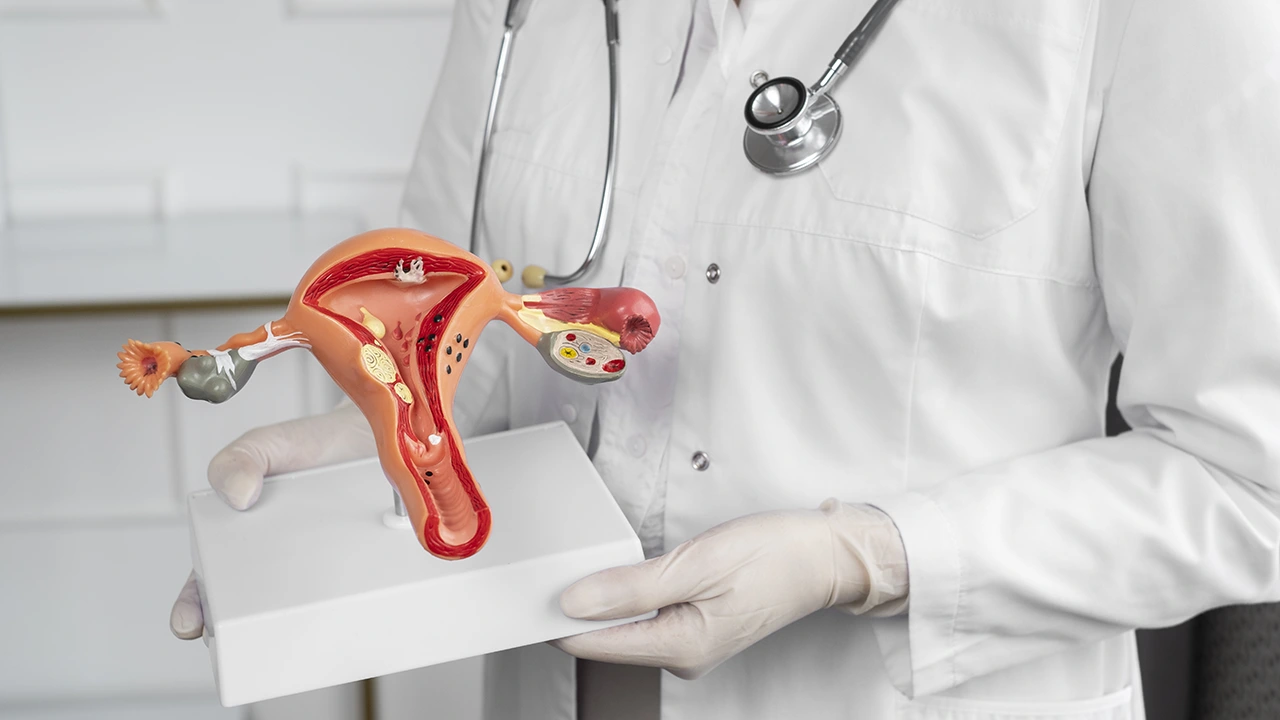
Womb transplantation is giving women with absolute uterine factor infertility the chance to carry and deliver their own child. This article explains how the process works from donor to delivery, who may be suitable, the risks involved and what recent births from living and deceased donors mean for patients.

Advanced female age causes fertility decline through reduced egg quantity, increased chromosomal abnormalities, and mitochondrial dysfunction. Understanding these biological mechanisms helps women make informed family planning decisions. Modern fertility treatments including IVF, preimplantation genetic testing, and egg freezing offer practical solutions to overcome age-related reproductive challenges when trying to conceive.
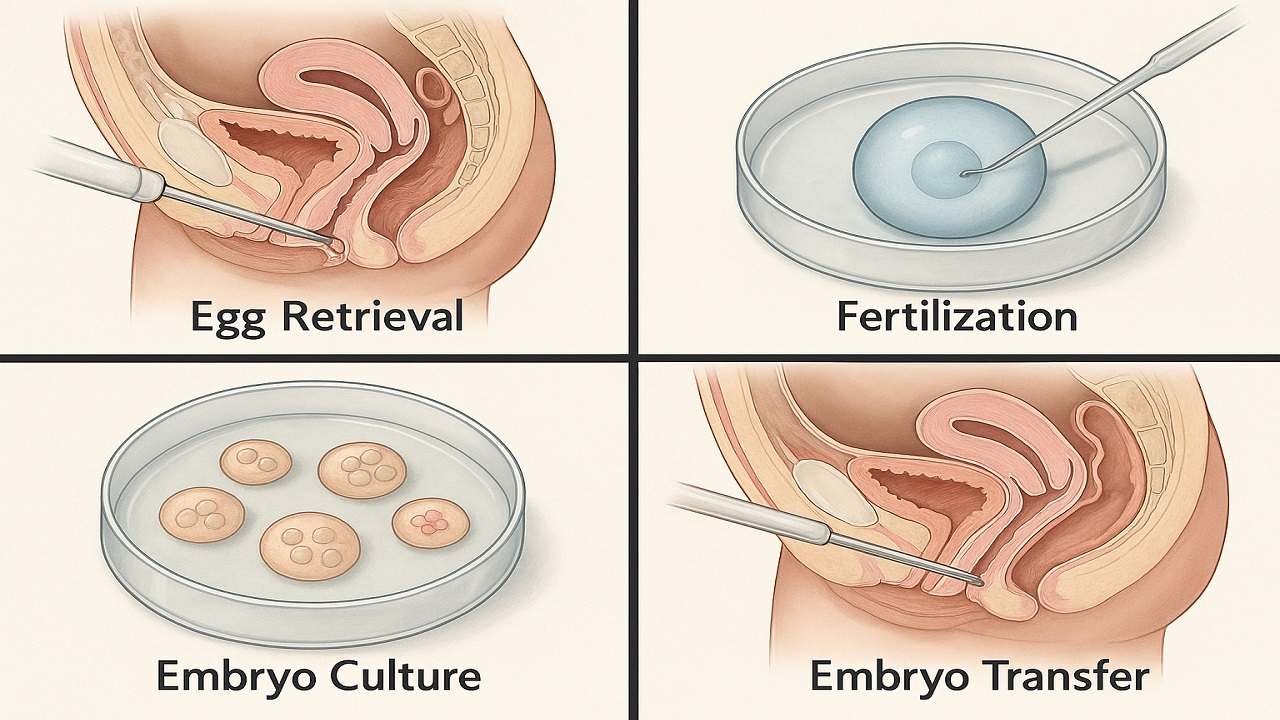
In Vitro Fertilization (IVF) process step by step, emphasising the importance of various stages such as ovarian stimulation, egg retrieval, fertilization, and embryo transfer in maximising the In Vitro Fertilization (IVF) Success Rate. It highlights how a thorough understanding of the procedure can prepare couples and individuals for their In Vitro Fertilization(IVF) journey, ultimately improving their chances of achieving a successful pregnancy.

Vitamin D Deficiency Affect IVF outcomes by influencing endometrial receptivity, embryo quality, and hormone balance. Clinical evidence, age-specific risks, and PCOS implications, while offering actionable strategies to optimize Vitamin D levels and improve IVF success rates and pregnancy outcomes in a structured, patient-focused approach.
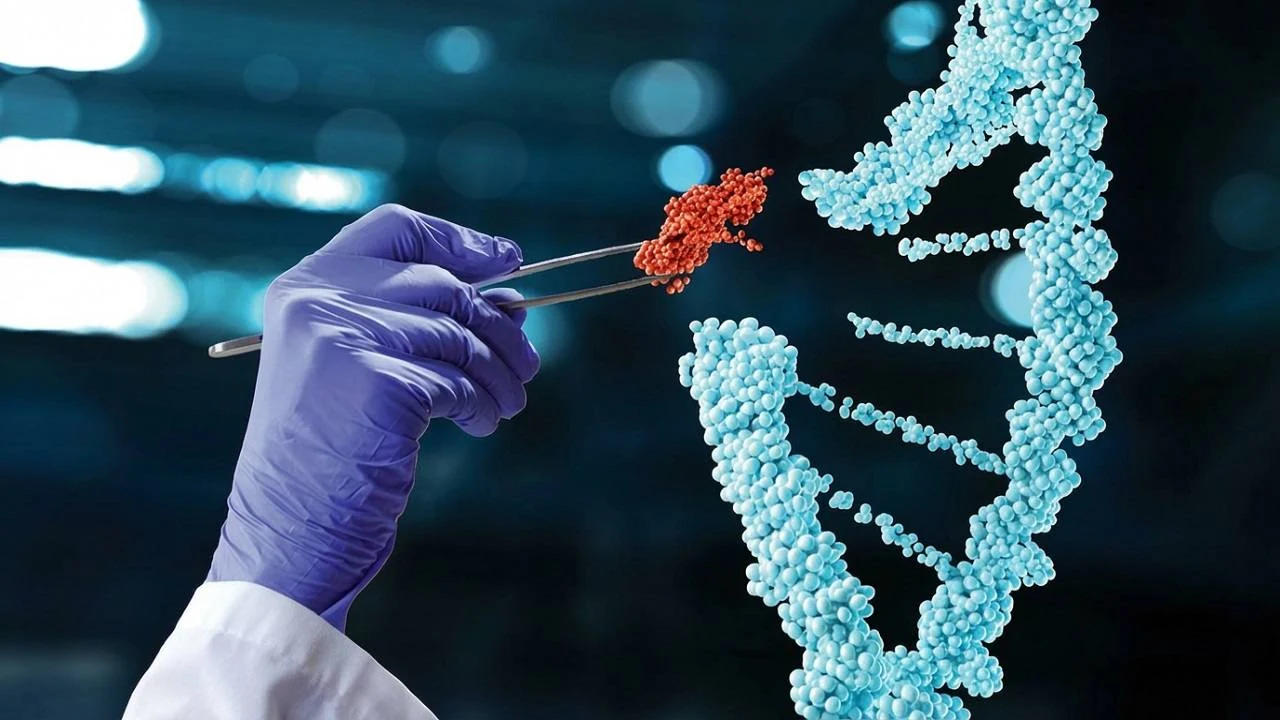
Preimplantation Genetic Testing (PGT) revolutionizes IVF by screening embryos for chromosomal abnormalities and genetic disorders before transfer. This advanced technology increases pregnancy success rates, reduces miscarriage risk, prevents inherited diseases, and shortens time to pregnancy while providing diagnostic clarity and reducing emotional stress for couples.

Clinical evidence increasingly demonstrates that emotional stress or grief reduces the chances of IVF success through sophisticated biochemical pathways that directly influence reproductive physiology. This relationship extends far beyond simple correlations, revealing profound mechanistic connections between psychological distress and the delicate orchestration of hormonal events essential for successful conception.
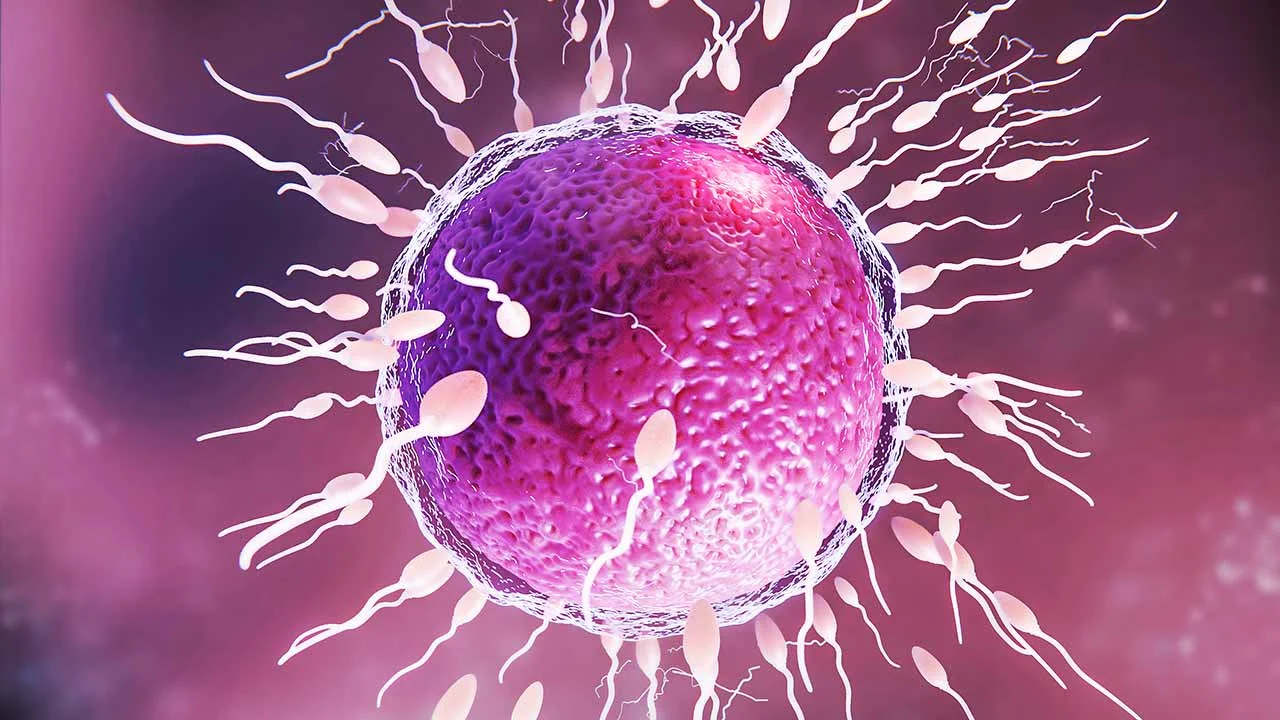
IVF in 2025 is shifting from hype to evidence-based innovation. As precision, automation, AI, and genetic advances reshape fertility care, patients must distinguish proven breakthroughs from outdated add-ons. This guide examines five groundbreaking IVF technologies in 2025 to understand which advances genuinely improve outcomes