Home
 ArticlesArticles
Cryopreservation technology of eggs and embryos is a breakthrough in reproductive medicine, allowing long-term preservation of fertility through advanced freezing techniques. It offers flexibility in family planning, supports medical and social fertility preservation, and ensures multiple chances for pregnancy success. With vitrification and genetic testing integration, it provides safe, effective, and future-ready solutions for individuals and couples.



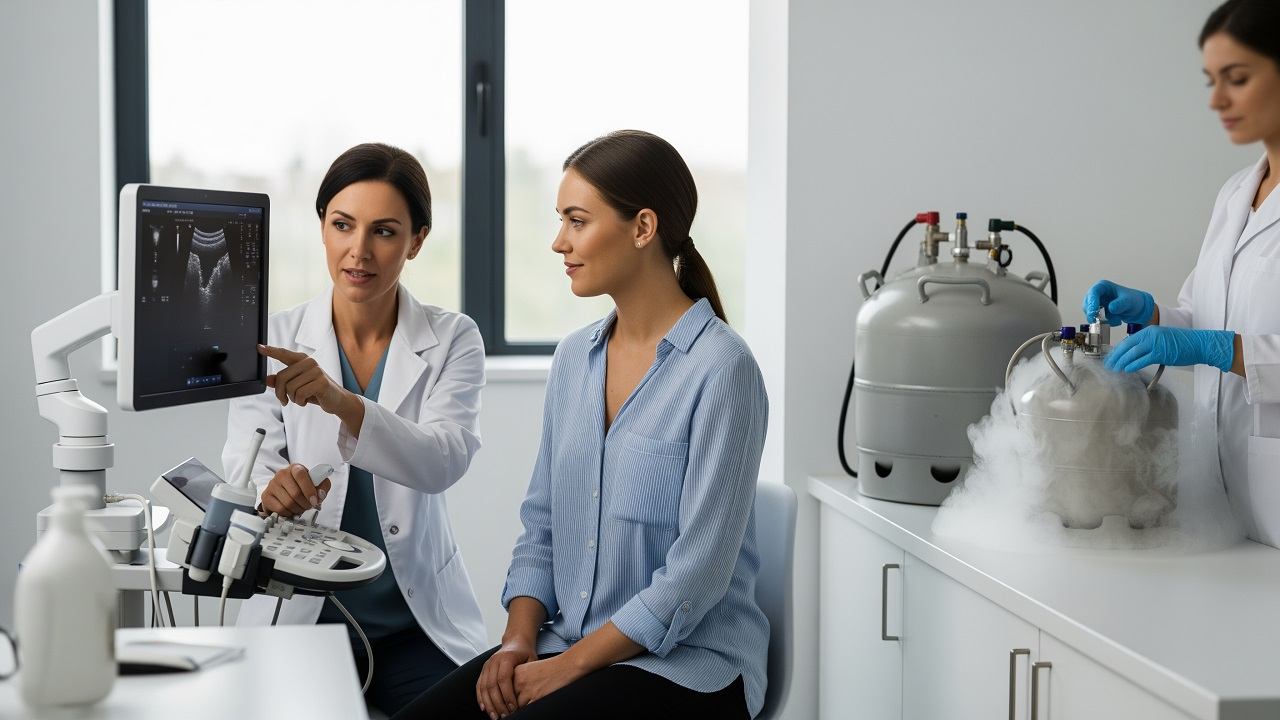
Cryopreservation represents one of the most significant advances in reproductive medicine, offering individuals and couples unprecedented control over their fertility timeline. This sophisticated technology enables the preservation of eggs, embryos, and reproductive tissue at ultra-low temperatures, maintaining their viability for future use while providing flexibility in family planning decisions. The development of advanced freezing techniques has revolutionized fertility treatment, making it possible to separate the processes of gamete production and pregnancy achievement.
Cryopreservation involves cooling biological materials to temperatures below -130°C, effectively halting all biological processes while maintaining cellular integrity for extended periods. The primary challenge in freezing reproductive cells lies in preventing ice crystal formation within the cells, which can cause irreversible damage to cellular structures and compromise viability.
Modern cryopreservation employs two primary techniques: slow-rate freezing and vitrification. Slow-rate freezing gradually lowers the temperature and employs cryoprotective agents to minimize ice formation, whereas vitrification achieves ultra-rapid cooling that converts cellular water into a glass-like state without forming crystals. Vitrification has emerged as the preferred method for most reproductive tissues due to superior survival rates and maintained functionality.
The success of cryopreservation depends on careful control of cooling rates, cryoprotectant concentrations, and storage conditions. Specialized equipment maintains precise temperature control throughout the freezing process, while long-term storage in liquid nitrogen tanks ensures stable preservation for decades if necessary.
Cryoprotective agents serve as biological antifreeze, replacing water within cells and preventing damaging ice crystal formation during the freezing process. These specialized chemicals penetrate cell membranes and modify the freezing characteristics of cellular water, enabling survival at ultra-low temperatures.
Different cryoprotectants work through various mechanisms, including osmotic dehydration, glass formation promotion, and membrane stabilization. The selection and concentration of cryoprotective agents must be carefully optimized for each cell type, balancing protective effects against potential toxicity from prolonged exposure.
Taking out cryoprotectants while thawing needs careful steps to avoid harming cells from sudden changes in water balance or harmful chemicals. Specialized thawing solutions and gradual dilution procedures ensure optimal cell recovery and maintained viability for subsequent use.
Egg cryopreservation begins with controlled ovarian stimulation similar to that used in IVF treatment. Women receive daily hormone injections for 8-14 days to stimulate multiple follicles simultaneously, producing numerous mature eggs rather than the single egg typically released each month. Regular monitoring through ultrasound and blood tests ensures optimal timing and safety throughout the stimulation process.
Egg retrieval occurs through a minimally invasive procedure performed under conscious sedation. Using transvaginal ultrasound guidance, a thin needle aspirates follicular fluid containing mature eggs from each ovary. The retrieved eggs immediately undergo assessment for maturity, with only metaphase II eggs being suitable for cryopreservation.
The freezing process must occur rapidly after retrieval to maintain optimal egg quality. Mature eggs are exposed to increasing concentrations of cryoprotective agents before being loaded into specialized storage devices and plunged into liquid nitrogen for vitrification. The entire process from retrieval to frozen storage typically takes only a few hours.
Age represents the most critical factor influencing egg freezing success, with younger women typically achieving better outcomes due to higher egg quality and quantity. Women under 35 years of age generally produce more eggs per stimulation cycle and experience higher survival rates after thawing, leading to better pregnancy rates when the eggs are eventually used.
The number of eggs frozen significantly impacts the likelihood of future pregnancy success. Most fertility specialists recommend freezing 15-20 mature eggs to optimize the chances of achieving one live birth, though individual circumstances may warrant different recommendations based on age and reproductive goals.
Ovarian reserve, as measured by anti-Müllerian hormone levels and antral follicle counts, predicts response to ovarian stimulation and the number of eggs that can be retrieved. Women with diminished ovarian reserve may require multiple stimulation cycles to achieve adequate egg numbers for optimal preservation outcomes.
Medical fertility preservation represents a crucial application for egg cryopreservation, particularly for women facing cancer treatments that could damage ovarian function. Chemotherapy and radiation therapy can cause premature ovarian failure or significantly reduce egg quality, making proactive preservation essential for maintaining future fertility options.
Young cancer patients often have limited time between diagnosis and treatment initiation, requiring expedited egg freezing cycles that may involve modified stimulation protocols or random-start approaches. The ability to preserve fertility before gonadotoxic treatments has transformed cancer care by ensuring that life-saving therapies do not eliminate reproductive potential.
Elective egg freezing for social or career reasons has gained popularity among women who wish to delay childbearing while preserving their fertility potential at younger ages. This proactive approach allows women to focus on education, career development, or finding suitable partners without the pressure of declining fertility affecting their decisions.
Embryo cryopreservation typically occurs during IVF treatment cycles when multiple embryos develop beyond the number needed for fresh transfer. These surplus embryos represent valuable reproductive potential that can be preserved for future pregnancy attempts without requiring additional ovarian stimulation and egg retrieval procedures.
The timing of embryo freezing depends on developmental stage and quality assessment. Embryos can be frozen at various stages, from the pronuclear stage (day one) through the blastocyst stage (days five to six). Most programs now favor extended culture to the blastocyst stage before freezing, as this allows natural selection of the most developmentally competent embryos while providing better pregnancy rates after thawing.
Embryo grading systems evaluate cellular characteristics, symmetry, fragmentation, and developmental timing to select the highest quality embryos for cryopreservation. Only embryos meeting minimum quality criteria undergo freezing, ensuring that stored embryos have reasonable potential for successful pregnancy when thawed and transferred.
Frozen embryo transfer cycles require careful preparation of the uterine environment to optimize implantation potential. Two primary approaches exist: natural cycle transfers that work with the woman's spontaneous ovulation and programmed cycles that use hormonal medications to control endometrial development timing.
Programmed cycles offer greater scheduling flexibility and cycle control, making them preferred by most programs and patients. Estrogen supplementation beginning early in the menstrual cycle promotes endometrial thickening, followed by progesterone addition to mature the lining for embryo receptivity.
The embryo thawing process requires precise timing and technique to maximize survival rates. Embryos are gradually warmed, and cryoprotectants are removed through dilution in specialized media. Only embryos that survive the thawing process intact are considered for transfer, with damaged embryos being discarded.
Modern vitrification techniques achieve embryo survival rates exceeding 95%, with pregnancy rates from frozen embryo transfers matching or even exceeding those from fresh transfers in many cases. This success has led to increased adoption of freeze-all strategies, where all embryos are frozen and transferred in subsequent cycles after genetic testing or to reduce ovarian hyperstimulation syndrome risks.
The absence of ovarian stimulation medications during frozen embryo transfer cycles may create more favorable conditions for implantation, potentially explaining the improved success rates observed in some studies. Additionally, the ability to perform genetic testing on embryos before freezing allows selection of chromosomally normal embryos for transfer.
Cumulative pregnancy rates from single IVF cycles can exceed 70% when all resulting embryos are considered, including both fresh and frozen transfers. This high success rate makes embryo banking an extremely cost-effective approach to family building, often eliminating the need for additional stimulation cycles.
Cryopreservation provides unprecedented flexibility in family planning, allowing individuals to separate the biological processes of gamete production from pregnancy timing. This separation enables optimal reproductive outcomes while accommodating personal, professional, and medical circumstances that might otherwise conflict with natural reproductive timing.
Women can preserve their fertility potential at younger ages when egg quality is optimal, then use these preserved eggs when life circumstances become more favorable for pregnancy and child-rearing. This approach maximizes both reproductive success and personal satisfaction by optimizing timing for all aspects of family building.
The ability to preserve reproductive material also provides insurance against future fertility loss due to aging, medical treatments, or unexpected health conditions. This security reduces anxiety about fertility decline while enabling informed decision-making about family planning timing.
Successful cryopreservation from single treatment cycles can provide multiple opportunities for pregnancy achievement without requiring repeated ovarian stimulation procedures. Women who preserve eggs or embryos at younger ages can attempt pregnancy multiple times using the same high-quality reproductive material.
This capability is particularly valuable for women who wish to have multiple children, as preserved material maintains the fertility potential from the age at which it was frozen. Siblings can be conceived using eggs or embryos from the same preservation cycle, maintaining consistent genetic quality regardless of maternal age at the time of pregnancy attempts.
The cost-effectiveness of cryopreservation becomes apparent when considering the expense and physical demands of repeated fresh cycles. Single preservation cycles can provide reproductive potential for years or even decades, making the initial investment extremely valuable for long-term family planning.
Frozen embryo transfer cycles require significantly less medication and monitoring compared to fresh IVF cycles, reducing both physical and emotional treatment burden for patients. The simplified protocols and reduced clinic visits make subsequent pregnancy attempts more convenient and less disruptive to daily life.
The elimination of ovarian stimulation in frozen cycles also reduces the risk of ovarian hyperstimulation syndrome and other medication-related complications. This improved safety profile makes cryopreservation cycles accessible to women who might not tolerate repeated stimulation protocols.
Cryopreservation technology integrates seamlessly with genetic testing procedures, allowing comprehensive embryo screening while maintaining optimal storage conditions. Embryo biopsy can be performed before freezing, with genetic analysis results available before transfer decisions are made.
This combination enables selection of chromosomally normal embryos for transfer while maintaining unused normal embryos in storage for future attempts. The ability to test and bank genetically normal embryos significantly improves pregnancy rates while reducing miscarriage risks.
Genetic testing results can guide family planning decisions, allowing couples to understand their reproductive potential and plan accordingly. Knowing the number of normal embryos available helps couples make informed decisions about family size and timing.
Couples at risk for genetic diseases can use cryopreservation combined with preimplantation genetic diagnosis to prevent disease transmission to their children. This approach allows testing of multiple embryos before selecting unaffected ones for transfer while preserving additional normal embryos for future use.
The ability to test and store genetically normal embryos provides security for families with genetic risks, ensuring that multiple healthy pregnancies can be achieved from single treatment cycles. This capability has revolutionized reproductive options for couples facing genetic challenges.
Reproductive material can theoretically remain viable indefinitely when properly stored in liquid nitrogen at -196°C. Current evidence suggests that storage duration does not significantly impact embryo or egg viability, with successful pregnancies reported from material stored for over two decades.
Regular monitoring of storage facilities ensures consistent temperature maintenance and security for preserved reproductive material. Professional storage programs maintain detailed records and backup systems to protect against equipment failures or other potential complications.
The extended viability of cryopreserved material provides flexibility for changing life circumstances and family planning decisions. Women can preserve fertility in their twenties and use the material decades later if desired, maintaining the reproductive potential from their younger years.
Cryopreservation requires careful consideration of legal and ethical issues surrounding stored reproductive material. Comprehensive consent processes address storage duration, disposition decisions, and procedures for various life circumstances, including death, divorce, or incapacity.
Different jurisdictions have varying regulations regarding storage limits, disposal procedures, and inheritance rights for cryopreserved material. Patients must understand these legal frameworks and make informed decisions about storage arrangements and contingency planning.
Ongoing communication between storage facilities and patients ensures that changing circumstances are properly addressed and that stored material receives appropriate disposition according to patient wishes and legal requirements.
Cryopreservation technology has fundamentally transformed reproductive medicine by providing safe, effective methods for preserving fertility potential across time. This remarkable capability enables individuals and couples to optimize both their reproductive outcomes and their life planning, creating opportunities that were previously impossible. As technology continues advancing, cryopreservation will likely become even more effective and accessible, further expanding reproductive choices for people worldwide who can benefit from this life-changing technology.


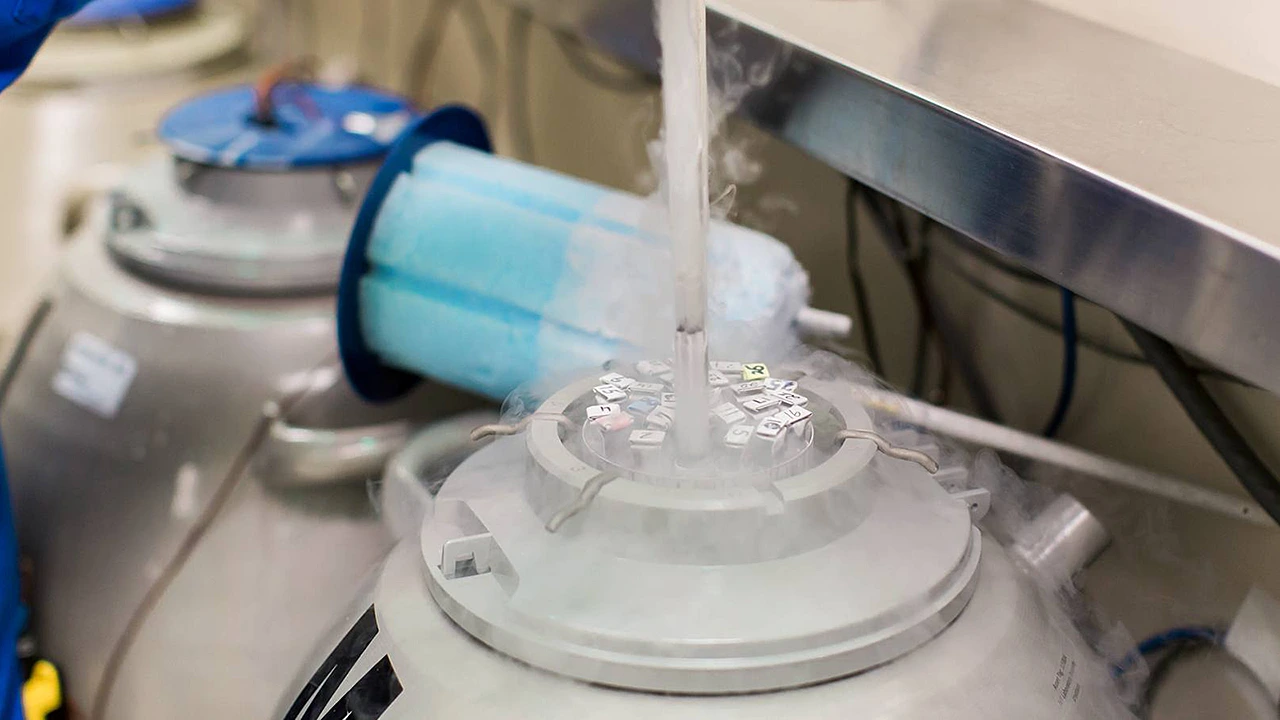
Egg freezing in UK is becoming an increasingly established fertility preservation option. This report examines the rise in egg-freezing activity, UK data, age-related factors, storage and utilisation, and why frozen eggs do not guarantee a future pregnancy. It explores what current evidence means for women considering fertility preservation and reproductive choices.
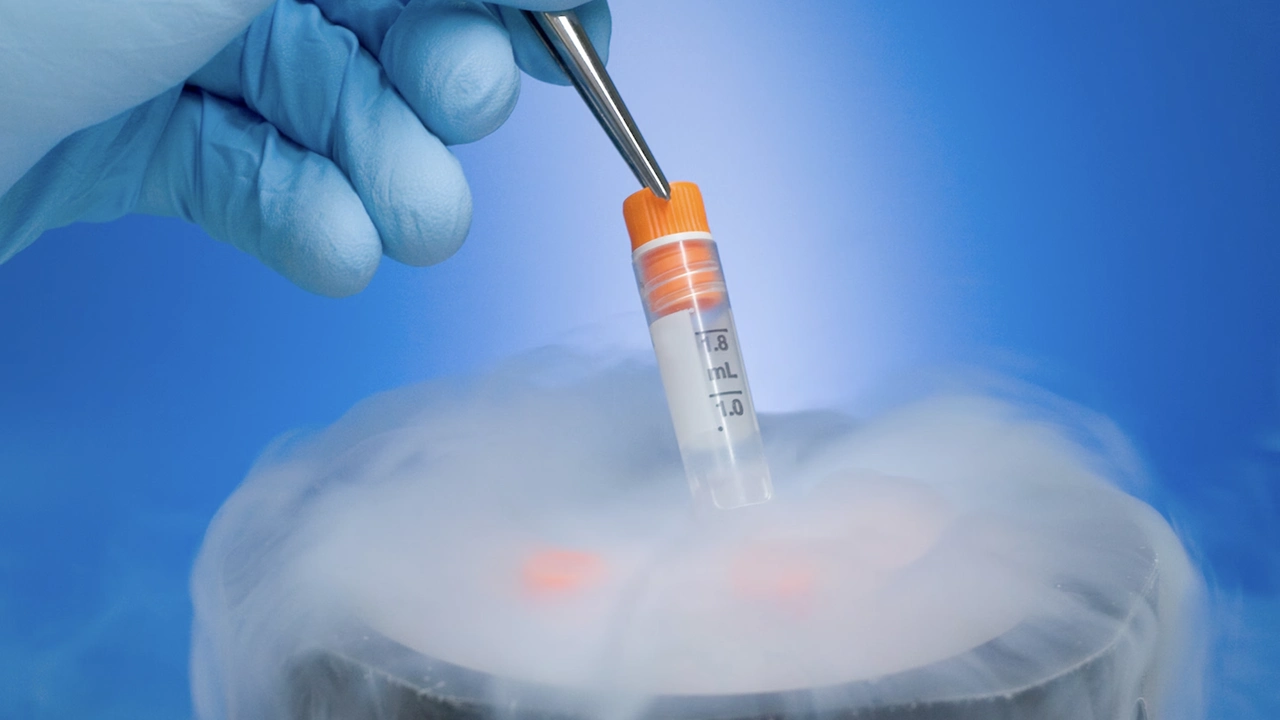
Frozen Egg Thawing survival rates average 80–90% with modern vitrification. Age at freezing is the biggest success factor, younger eggs fertilize better and develop stronger embryos. Banking 10–20 mature eggs improves live birth odds. ICSI remains the gold standard, with blastocyst transfer offering the highest implantation rates.
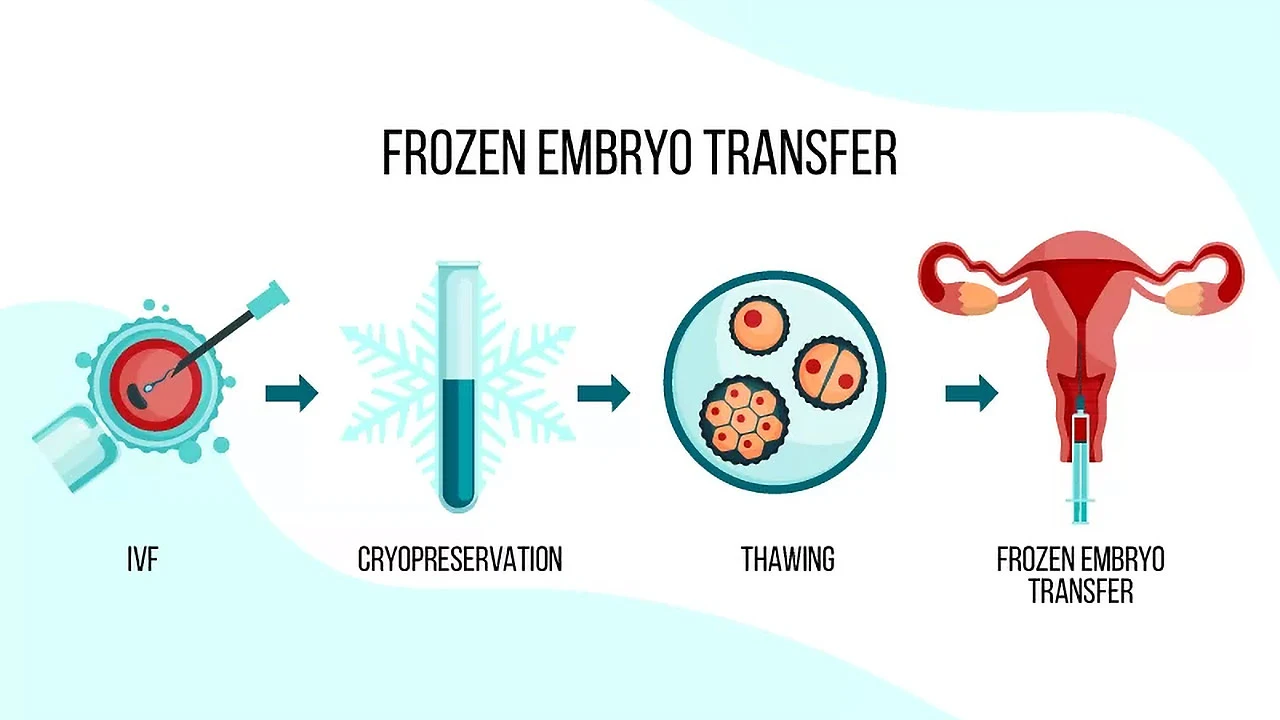
Frozen embryo transfer (FET) is a fertility procedure where previously created and frozen embryos are thawed and placed into the uterus. This comprehensive guide explains the FET process, success rates, benefits, and why it's become a preferred option for many people navigating infertility treatment and building their families.
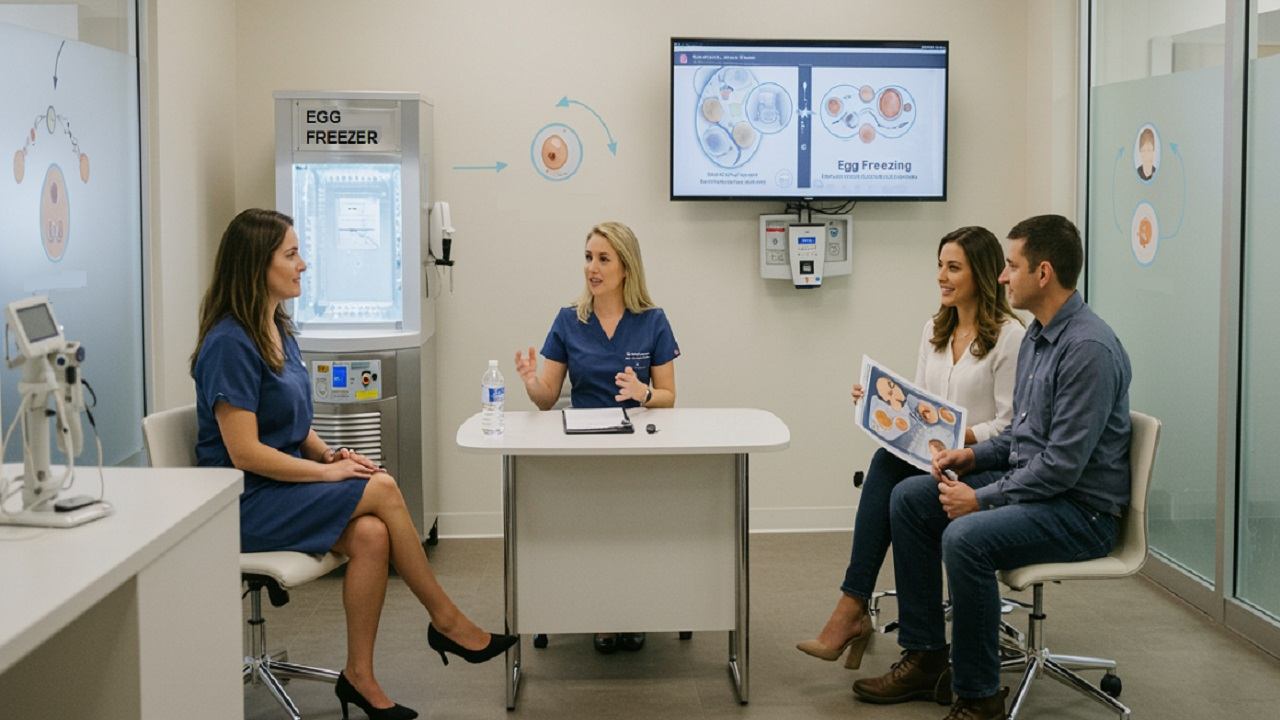
The vital role of fertility preservation and egg donation in helping women overcome reproductive challenges, allowing them to control their family planning. It highlights how these advancements in reproductive medicine enable women to preserve their fertility and access healthier eggs for future pregnancies.
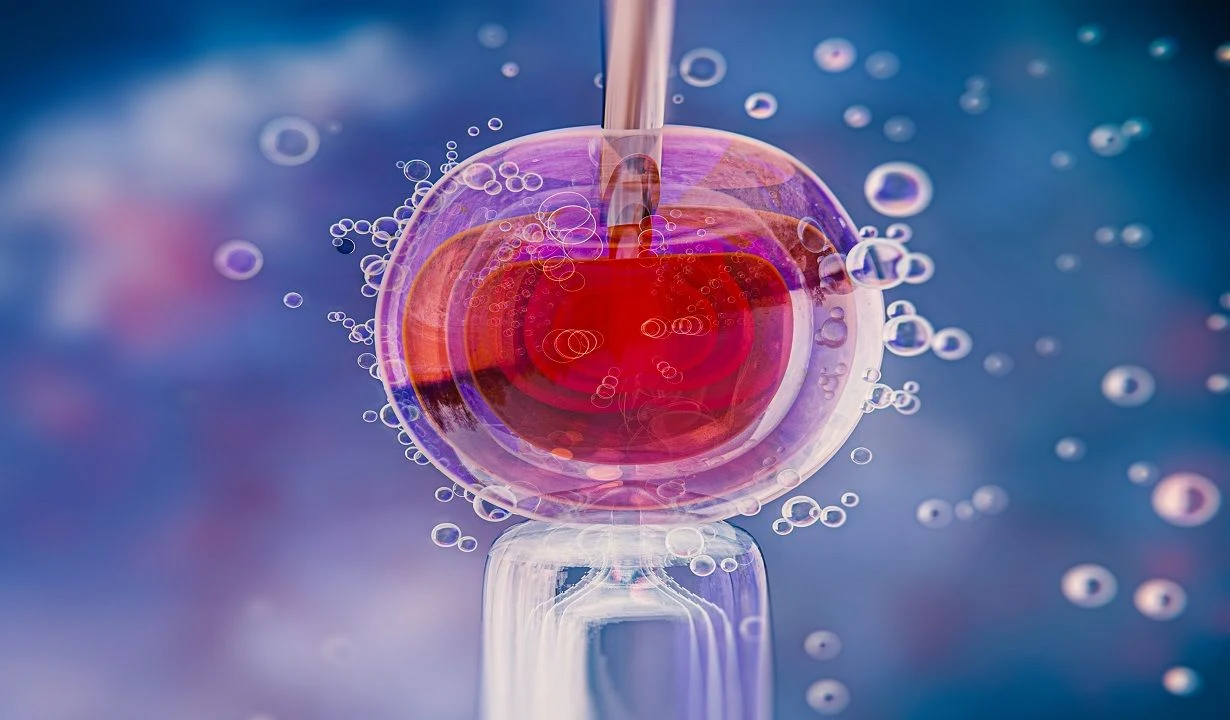
Egg freezing does not reduce natural fertility or ovarian reserve. This comprehensive guide examines how oocyte cryopreservation works, success rates by age, potential risks including OHSS, costs, and psychological benefits. Facts about preserving reproductive options while maintaining natural conception ability for career-focused and medically indicated fertility preservation.

The best age to freeze sperm and eggs depends on biology, fertility health, and personal choice. Experts recommend egg freezing before 35 and sperm freezing before 40 for stronger outcomes. Advances in technology and lifestyle factors also shape fertility preservation decisions.
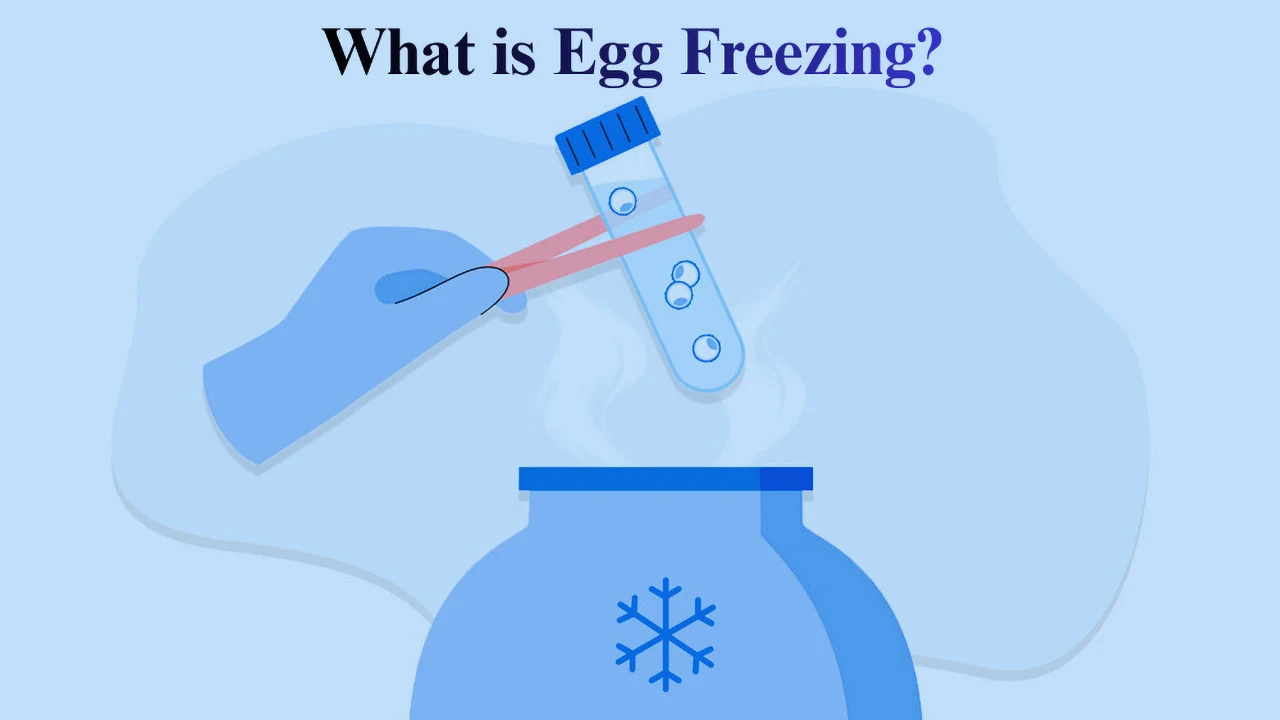
Egg freezing allows women to preserve their fertility by extracting, freezing, and storing eggs for future use. Whether postponing parenthood for career, personal reasons, or medical treatments, this comprehensive guide explains the process, costs, success rates, and who should consider this increasingly popular fertility preservation option.