Home
 ArticlesArticles
The cost of Intrauterine Insemination (IUI) worldwide, comparing prices and factors affecting treatment in various countries to find the best option for your fertility journey.



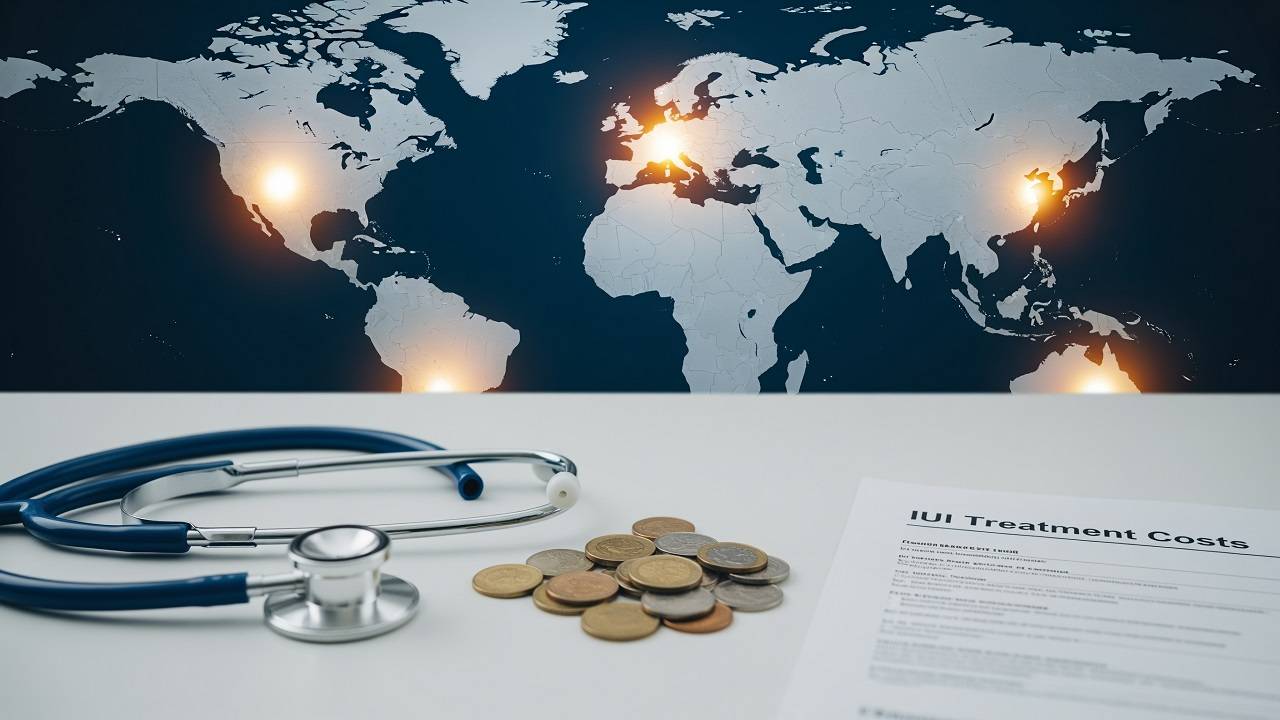
It’s one of the most common and cost-effective fertility treatments, intrauterine insemination (IUI). It involves injecting sperm directly into a woman’s uterus during her ovulation window to maximize the chances of pregnancy. IUI is less expensive than in vitro fertilization (IVF), which can make it a leading option for couples with infertility problems that don’t need more advanced interventions. However, the cost of IUI can vary significantly depending on the country you are in.

IUI is significantly more expensive in the US than in several other countries. On average, the cost for IUI ranges from $300 to $1,000 per cycle. However, additional services like sperm washing, ovulation tracking, or ovulation-stimulating medications may increase this cost.
In the United Kingdom, IUI is usually available for free on the National Health Service (NHS) if the patient is eligible based on age and length of infertility. However, the private IUI cycles cost between £400 to £900 each.
With the rise of medical branding in India, the country has become a preferred place for fertility treatment tourism. Compared to the western countries, the IUI cost in India is relatively low. On average, an IUI in our country comes at a price, and so does this cycle, from ₹10,000 to ₹20,000 (around $120 to $250) per cycle.
Tourists often travel from countries where fertility treatments are more expensive in order to take advantage of lower prices.
IUI in Australia typically costs between $700 to $1,500 AUD per cycle. This price typically includes the insemination procedure itself, but it does not always cover medications, diagnostic tests, or sperm donor fees.
In Canada, the cost of IUI varies between $1,000 to $2,500 CAD per cycle, depending on the clinic and location. But a few provinces might have subsidized or government-funded fertility treatments for residents, especially those who are over certain age thresholds or have certain medical conditions.
Another well-liked location for fertility treatments is Spain, specifically for its established medical tourism industry. IUI cost in Spain is comparatively lower than in other European countries, and the cost generally falls between €600 and €1,500 per cycle.
In South Africa, the price of IUI is typically lower than in Western countries, with an average cost ranging from ZAR 4,000 to ZAR 8,000 (approximately $250 to $500).
The cost of IUI by country varies widely, with costs being affected by larger issues such as healthcare infrastructure, insurance coverage, medication costs and whether sperm donors are necessary. For example, nations such as India and South Africa provide low-cost IUI therapies, making them preferred. tourism hotspots for medical care. On the other hand, the United States, Australia, and the United Kingdom cost more to treat, prices change depending on private insurance and other services such as fertility drugs and sperm donation.
However, when looking into IUI as a fertility treatment option, it is important to research the costs at local clinics, learn about the expenses associated with drugs and new treatments, and think about whether commercial or national subsidies can help defray costs. The country and clinic you choose can have a large effect on both the cost-effectiveness and reach of IUI, enabling people and partners to learn about the ideal that best reflects their individual situation.


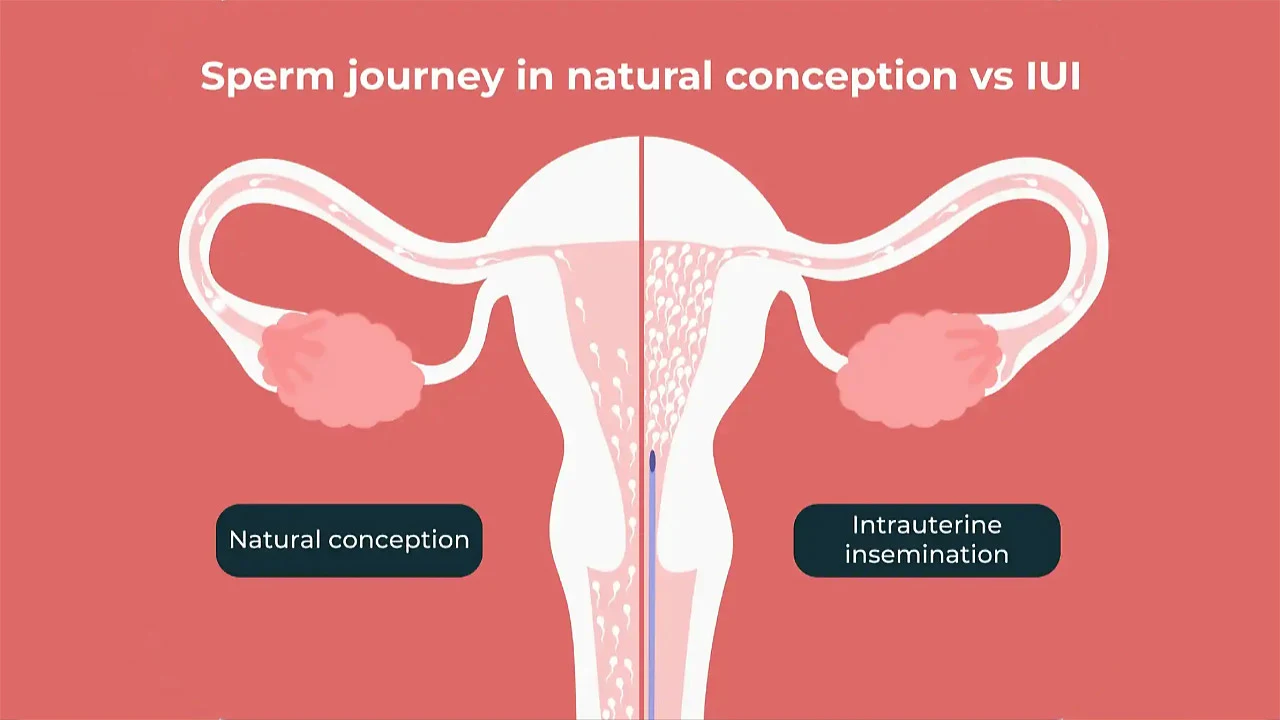
Natural cycle IUI, a fertility treatment that works with your body's natural ovulation without medications. This comprehensive guide explains the procedure, ideal candidates, step-by-step process, success rates, and benefits. Learn if this gentle approach to conception is right for your fertility journey and family-building goals.
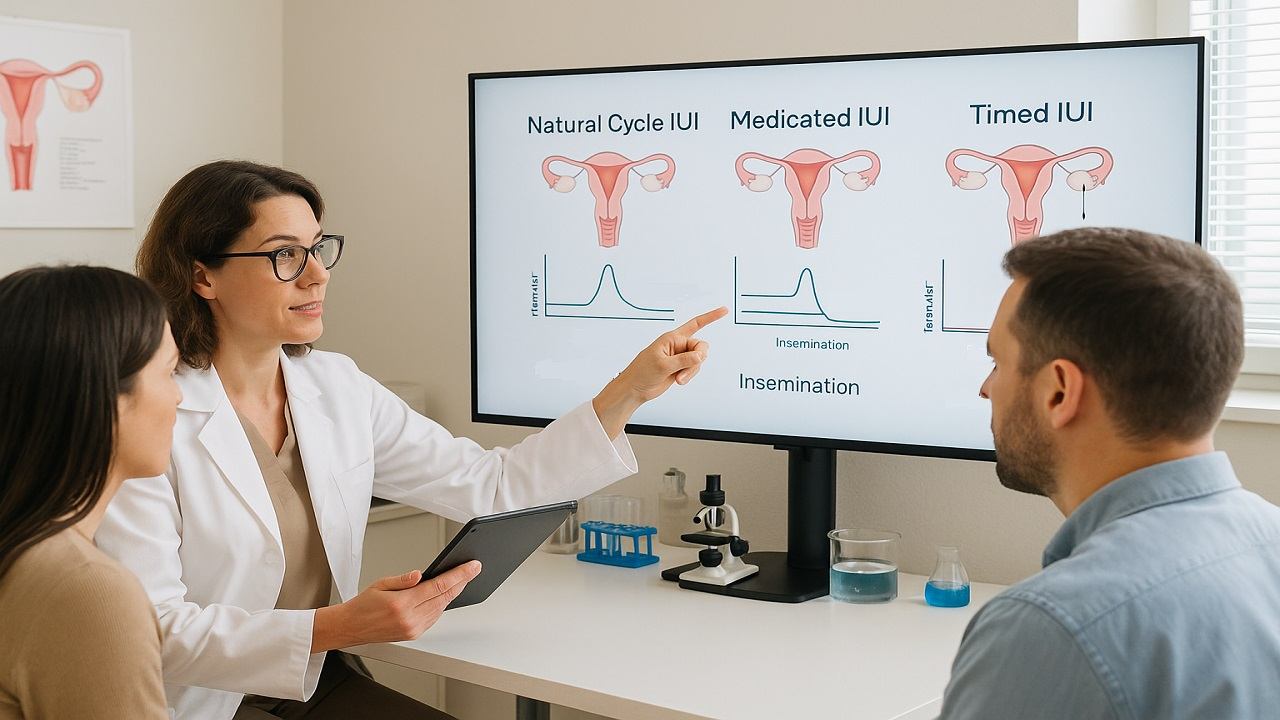
The various types of Intrauterine Insemination (IUI), including Natural, Medicated, and Timed IUI, detailing how each method works and their respective benefits. Understanding these types of IUI helps individuals and couples choose the right fertility treatment based on their specific needs and circumstances.

IUI with sperm washing is a fertility treatment where semen is carefully processed to isolate healthy, motile sperm before being placed directly into the uterus. This method improves fertilization chances by bypassing natural barriers and reducing harmful elements in semen. It is especially beneficial for couples facing mild male infertility, cervical issues, or unexplained infertility.
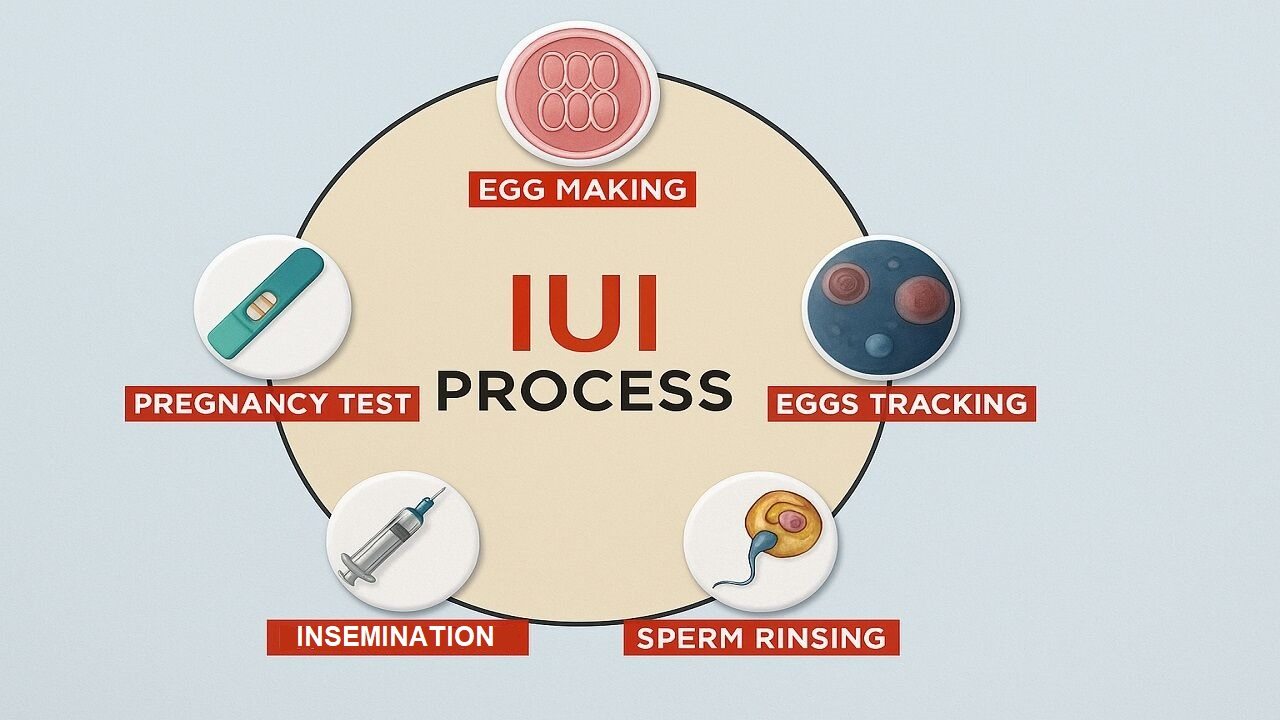
The process of Sperm Processing in Intrauterine Insemination (IUI) outlines the necessary steps, including collection, washing, and selection, to improve the quality of the sperm. Proper Sperm Processing in Intrauterine Insemination (IUI) increases the chances of successful fertilization and pregnancy, making it a vital part of the intrauterine insemination procedure.
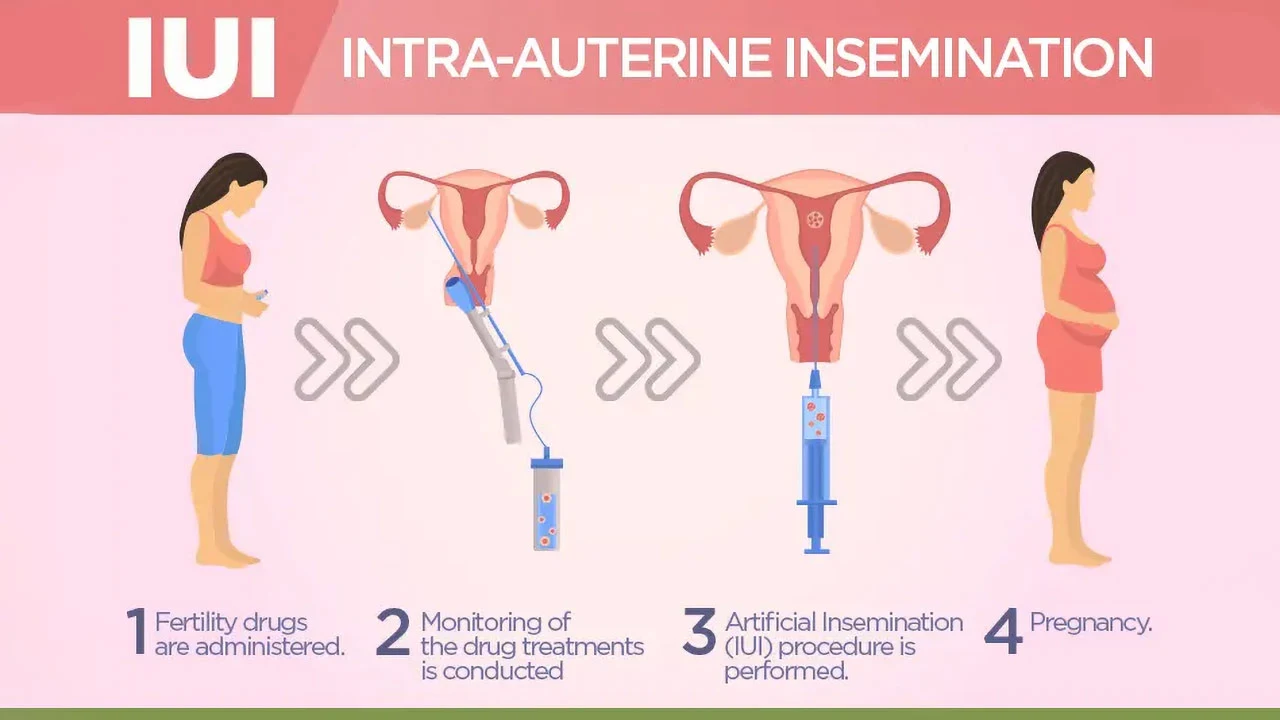
Intrauterine insemination (IUI) is a minimally invasive fertility treatment that involves placing prepared sperm directly into the uterus during ovulation. How the IUI procedure works, who may benefit, expected success rates, and what to anticipate throughout the treatment journey.

The contributions of pioneers in reproductive medicine revolutionized IUI. From artificial insemination to ovulation induction, these pioneers in reproductive medicine played a crucial role in advancing fertility treatments. Their innovations made IUI a widely used and effective solution for infertility.

The complexities surrounding the use of donor gametes, including legal considerations, anonymity, and ethical dilemmas. It highlights how the use of donor gametes raises important questions about parenthood, child rights, and family dynamics in assisted reproduction.