Home
 ArticlesArticles
The cost factors in In Vitro Fertilization (IVF), including medications, egg and sperm donor fees, and embryo freezing. It highlights how these cost factors in IVF contribute significantly to the overall expenses of fertility treatments, emphasizing the need for planning, financial assistance, and understanding treatment packages to navigate the journey effectively.



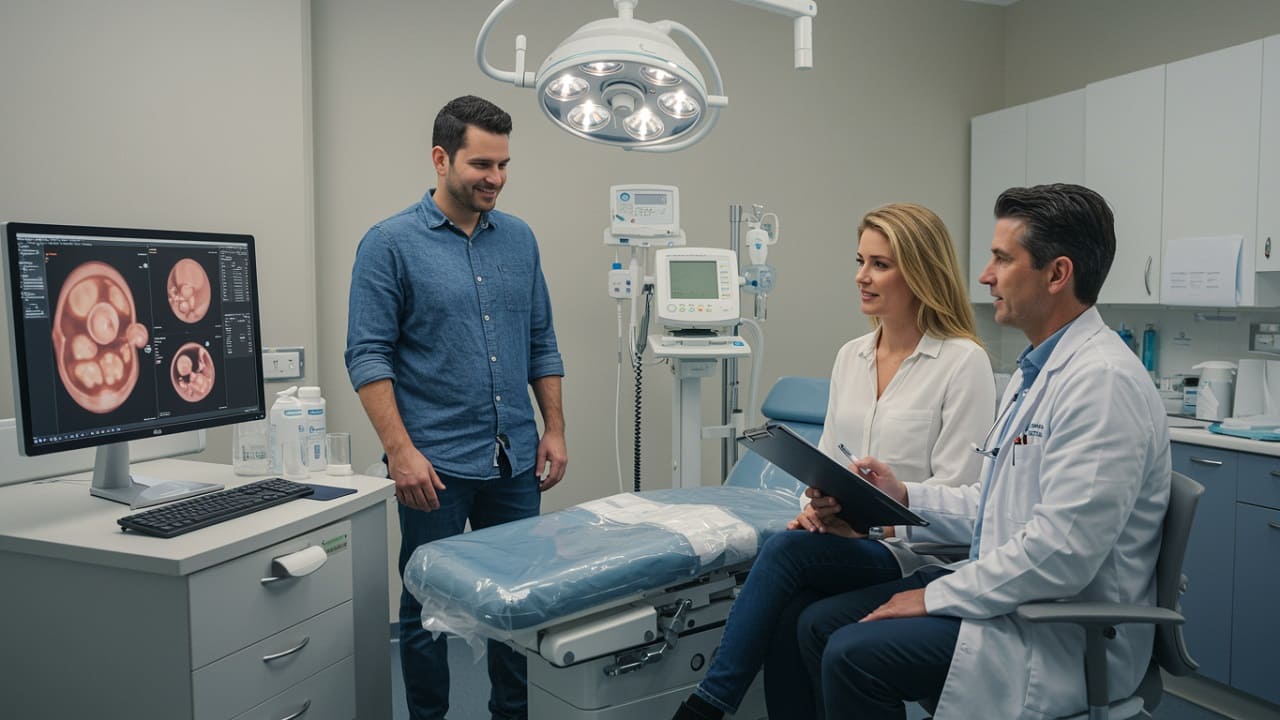
For couples who experience challenges with conceiving naturally, in vitro fertilization (IVF) is an important fertility treatment option. And while IVF offers hope for many, it can be a costly process, and there are several variables associated with the overall cost. How does all this add up in your journey to understand fertility expenses? Not all IVF costs are the same, but some of the main contributors can include medications, egg or sperm donor fees, embryo freezing, etc. This article will analyse each of these factors in detail.

When it comes to cost factors in IVF treatment, medications are a critical component used to stimulate the ovaries to produce more than one egg, thereby increasing the chances of successful fertilization. The type and amount of medications needed can greatly influence the total IVF price.
Medications are relatively cost-effective, but some of this cost depends on whether the patient has coverage for these medications. These costs may occasionally be covered in part by insurance, though this varies widely between nations and insurance companies.
Some individuals or couples require an egg or sperm donor in their quest for a successful IVF outcome. This adds a layer of complexity and cost factors in the IVF process. The cost of egg and sperm donations will vary based on the donor’s location, the plan offered, the cost of sperm or eggs, and other contents included in the donor program.
Data is also heavier on the donor experience, so donor compensation may vary based on a donor's experience/qualifications. An experienced donor with a history of successful IVF cycles, for example, generally earns more than either an anonymous donor or a first-time donor. Some clinics offer frozen egg banks, which could lower the price for egg donation, although the eggs may not always have the same quality as fresh donor eggs.
During IVF, embryos can be frozen (known as cryopreservation), which is a routine technique used to save embryos for later use. This is especially useful for couples that want to have more children in the future without going through the entire IVF process again. First, high-quality embryos are developed out of fertilized eggs and put in cryogenic tanks for future use.
Cost factors in IVF can also be affected by other variables, in addition to medications, egg or sperm donor costs, and embryo freezing:
If the process does work, cost factors in IVF can be exorbitantly expensive, with various factors adding to the overall cost. Medications, egg and sperm donor fees, and embryo freezing rank among the top three expense areas for the overall treatment cost. Insurance, government programs, or financing plans may cover some of the expenses, but many couples will still face high out-of-pocket costs.
Individuals and couples considering IVF, thus, need to carefully weigh cost factors in IVF versus treatment and know what you are getting in your package. Knowing this in advance gives patients the opportunity to better map out their treatment path, investigate financial help options, and ensure what they will pay aligns with the fertility outcome they are hoping to achieve. As in vitro fertilization and other reproductive technologies evolve, some costs may decrease; however, as we enter the new decade, understanding and navigating these cost factors will remain a crucial aspect of the fertility journey.



Womb transplantation is giving women with absolute uterine factor infertility the chance to carry and deliver their own child. This article explains how the process works from donor to delivery, who may be suitable, the risks involved and what recent births from living and deceased donors mean for patients.

Advanced female age causes fertility decline through reduced egg quantity, increased chromosomal abnormalities, and mitochondrial dysfunction. Understanding these biological mechanisms helps women make informed family planning decisions. Modern fertility treatments including IVF, preimplantation genetic testing, and egg freezing offer practical solutions to overcome age-related reproductive challenges when trying to conceive.
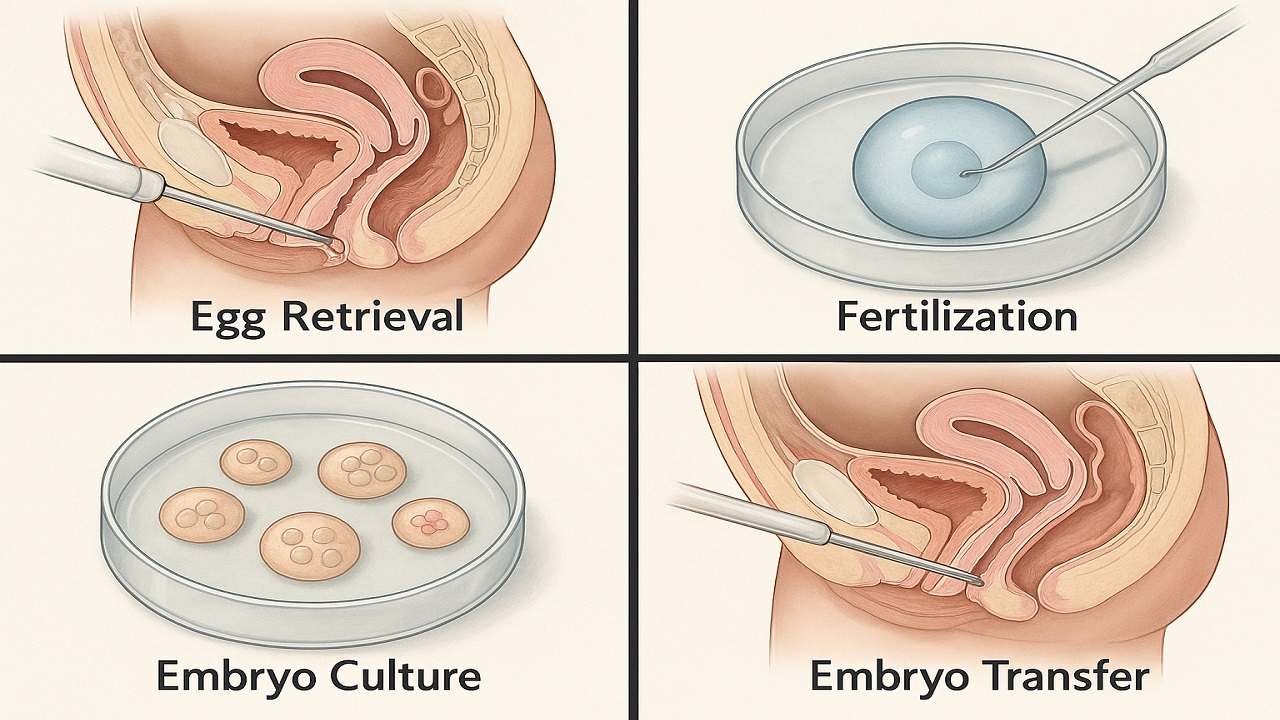
In Vitro Fertilization (IVF) process step by step, emphasising the importance of various stages such as ovarian stimulation, egg retrieval, fertilization, and embryo transfer in maximising the In Vitro Fertilization (IVF) Success Rate. It highlights how a thorough understanding of the procedure can prepare couples and individuals for their In Vitro Fertilization(IVF) journey, ultimately improving their chances of achieving a successful pregnancy.

Vitamin D Deficiency Affect IVF outcomes by influencing endometrial receptivity, embryo quality, and hormone balance. Clinical evidence, age-specific risks, and PCOS implications, while offering actionable strategies to optimize Vitamin D levels and improve IVF success rates and pregnancy outcomes in a structured, patient-focused approach.
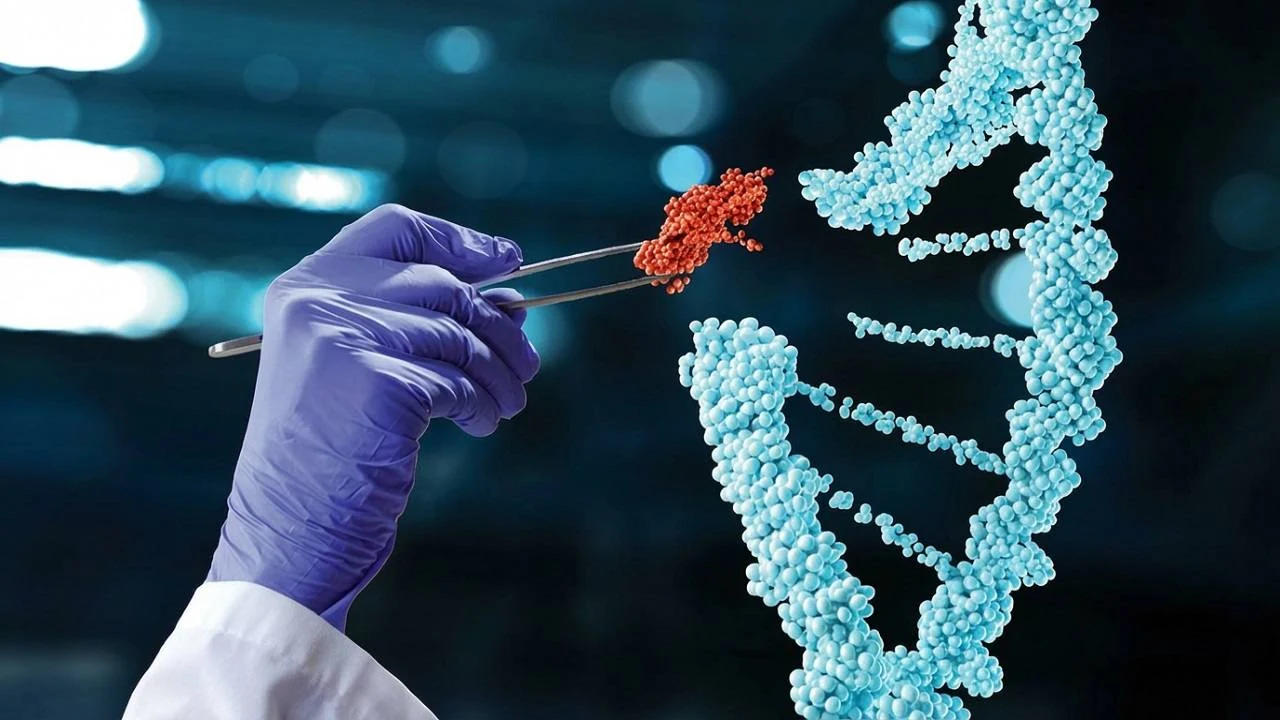
Preimplantation Genetic Testing (PGT) revolutionizes IVF by screening embryos for chromosomal abnormalities and genetic disorders before transfer. This advanced technology increases pregnancy success rates, reduces miscarriage risk, prevents inherited diseases, and shortens time to pregnancy while providing diagnostic clarity and reducing emotional stress for couples.

Clinical evidence increasingly demonstrates that emotional stress or grief reduces the chances of IVF success through sophisticated biochemical pathways that directly influence reproductive physiology. This relationship extends far beyond simple correlations, revealing profound mechanistic connections between psychological distress and the delicate orchestration of hormonal events essential for successful conception.
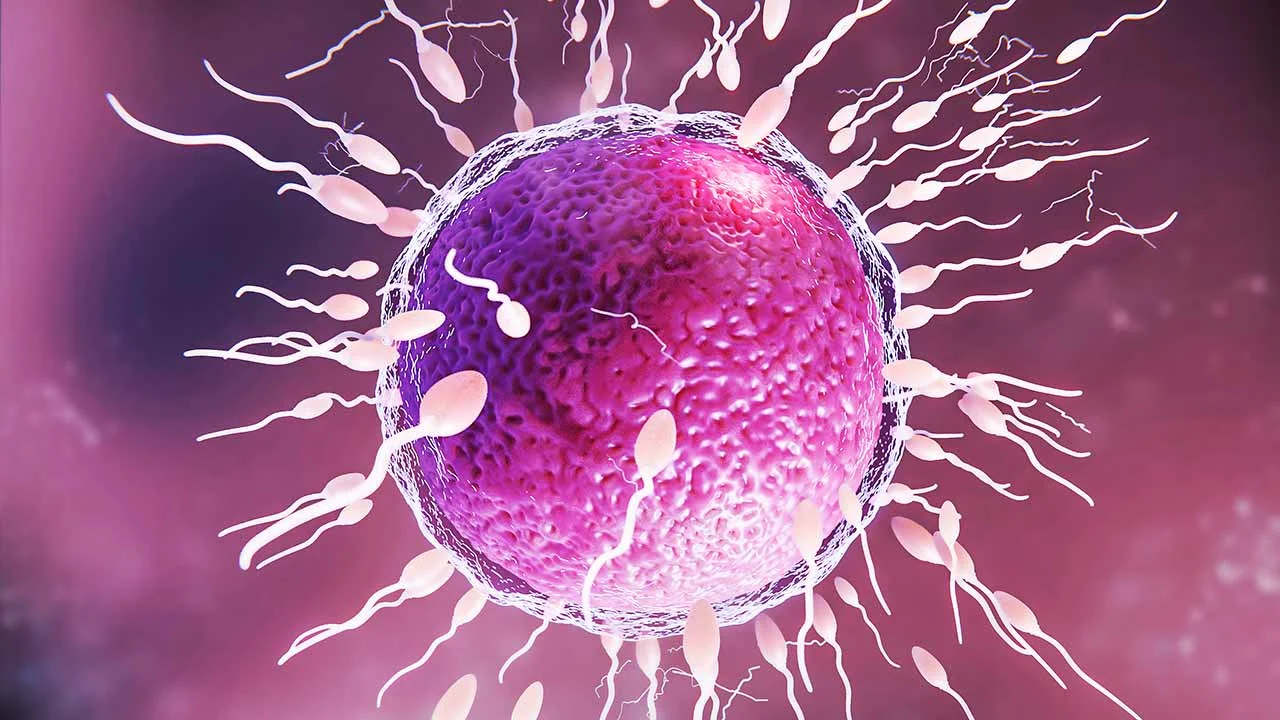
IVF in 2025 is shifting from hype to evidence-based innovation. As precision, automation, AI, and genetic advances reshape fertility care, patients must distinguish proven breakthroughs from outdated add-ons. This guide examines five groundbreaking IVF technologies in 2025 to understand which advances genuinely improve outcomes