Home
 ArticlesArticles
Coping with miscarriage after Assisted Reproductive Technology (ART) is an emotional journey requiring time, communication, and self-care. Couples can heal together by honoring their loss and seeking support. With patience and hope, they can navigate the pain and rediscover strength while coping with miscarriage after Assisted Reproductive Technology (ART).



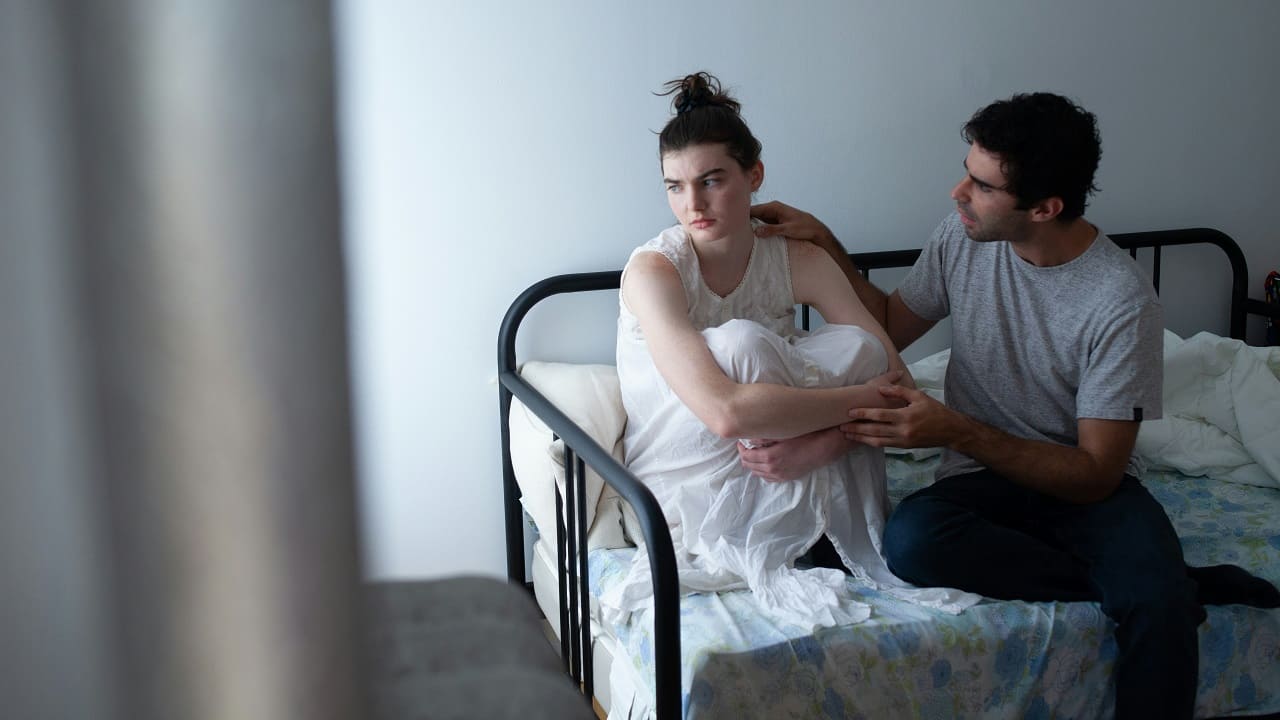
For couples, the experience can be a devastating journey filled with an intense emotional roller coaster as they cope with miscarriage after ART. The pain from conflicting emotions and the couple's struggles to conceive can feel deeply sad, confusing, and isolating. Still, overcoming this painful time together will require compassion, grit, and tools to walk a path of grief and healing as a couple. Here are a few coping strategies for couples dealing with a miscarriage following ART.

After a miscarriage, it is normal to grieve, and both mothers and fathers should be allowed to experience their grief while coping with miscarriage after ART. There’s no timeline for grief, but each couple shouldn’t try to hurry through their emotions or shove them away. Regardless of how long it takes days, weeks, or months making room to grieve is a crucial part of the healing process.
Communication is one of the most important things when it comes to coping with miscarriage after ART. But couples grieve differently at various times of loss, and that distance can sometimes increase. Asking through open, honest, and compassionate communication is key to ensure both partners feel heard and understood.
Understanding Miscarriage: The physical, emotional, and psychological toll miscarriage takes can overwhelm couples, especially those who undergo ART. Researching or reaching out to a therapist or counselor who specializes in reproductive loss or grief to help you through the process by providing both emotional support and tools during your healing can be helpful.
From a physical perspective, healing from a miscarriage is a vital component to make it through the painful experience of a miscarriage. It's important that both partners monitor their physical and emotional health while processing this emotionally overwhelming time. Take care of yourself, eat well & rest.
Grieving the loss of the pregnancy in a way that resonates with the couple can provide closure. Whether you choose a small ritual, make a memory box, or plant a tree, finding a way to honour the memory of the pregnancy will help both partners heal and process their grief.
For many couples, ART can be a long, difficult path to parenthood, and the loss of a pregnancy can raise questions about the future. At this point, it’s vital to take as much time as required in deciding on future fertility treatments or if or when to try to have a child again.
It can put strain on the relationship, but if handled thoughtfully, it can bring a couple closer together while coping with miscarriage after ART. It is a time to lean on each other, practice patience, and reaffirm your commitment to each other. Relationships thrive when couples can overcome difficult situations together.
It takes time to heal from miscarriage, but many couples do go on with hope for the future. Remember that success, no matter the way you want to go about starting a family, doesn't happen in vain. So many couples gain strength in their ability to carry on with the adventure of their journey to becoming parents, knowing they will heal even after the miscarriage.
Coping with miscarriage after ART is not easy, it can be a transformative experience for couples. By tending to each other’s emotional needs, getting professional help when needed, acknowledging the loss, and emphasizing self-care, couples can come out of it stronger and more connected. While each person’s experience of grief is different, couples can discover ways to navigate the pain together, regain hope, and see the future with strength and compassion for one another.



Boys treated for cancer before puberty cannot bank sperm, but freezing testicular tissue containing spermatogonial stem cells may one day restore their fertility. This article explains how the first transplants in adult survivors work, what the early research shows, the risks involved and why families should know about this option.
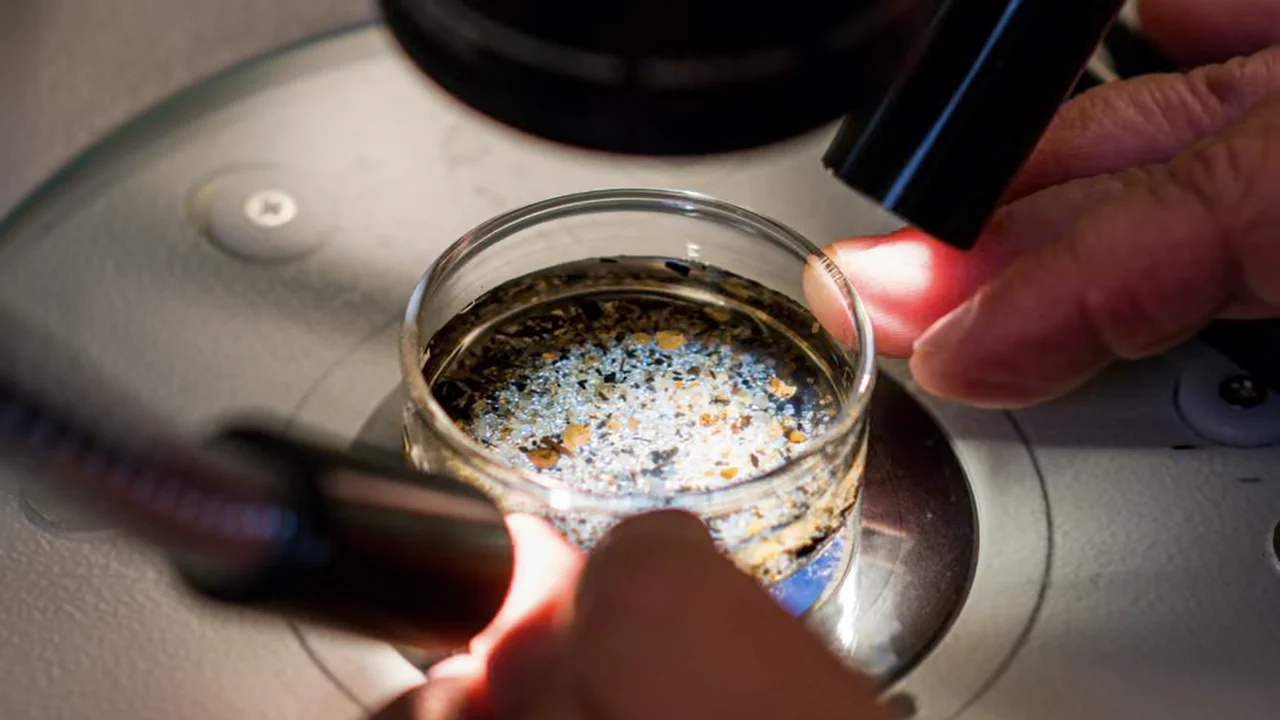
Microplastics have now been found in human follicular fluid and seminal fluid. This article explores the fast-growing body of research on microplastics and fertility, what scientists know and do not yet know about their effects on eggs and sperm, and practical, evidence-based ways that couples can reduce their everyday exposure.

Fertility conversations often focus on women, yet new research on sperm epigenetics shows a father's environment matters too. This article explains how air pollution may alter chemical marks on sperm DNA, why those changes could matter for fertility and pregnancy, and the practical steps men can reasonably consider before conception.
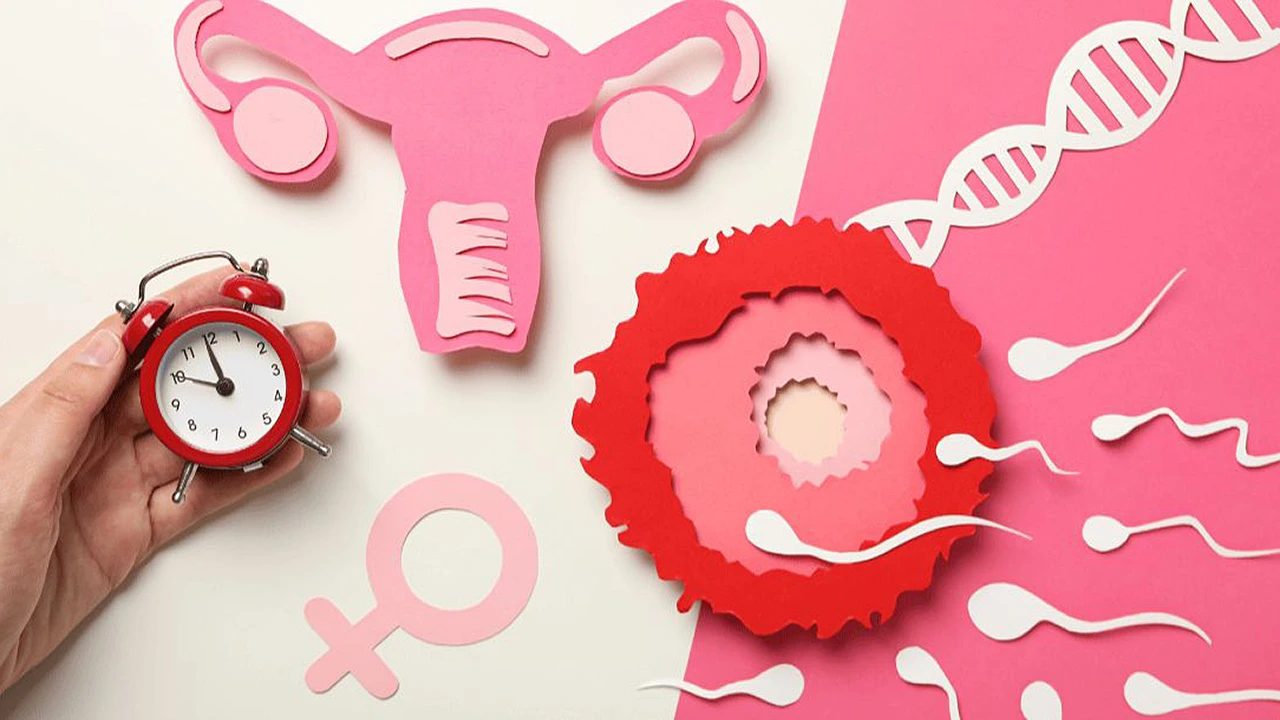
Donor eggs have long been seen as a way to reset the reproductive clock, but new research suggests uterine ageing also plays a role. This article explains what the latest evidence shows, how the ageing uterus may affect implantation and pregnancy, and how women in their late forties can prepare.

In vitro gametogenesis, the science of creating eggs and sperm from ordinary body cells, has moved from mouse studies towards human research. This article explains how the approaches work, what recent milestones really show, the obstacles that remain and why clinical use is still likely to be several years away.
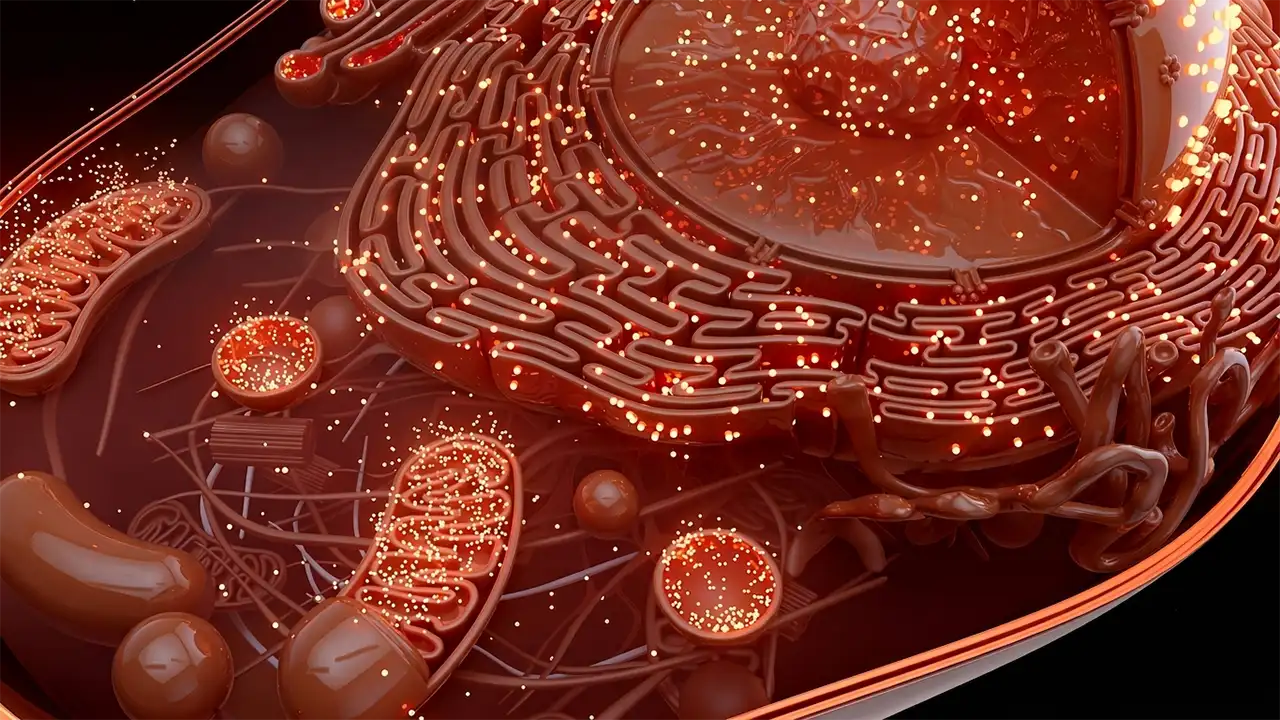
Mitochondrial donation, often called three-parent IVF, has now produced the first detailed clinical results, with healthy children born to mothers at high risk of passing on mitochondrial disease. This article explains how the technique works, who it is for, what the evidence shows and which scientific questions remain open

A new AI sperm recovery technique is changing the outlook for men with azoospermia. This article explains how the STAR method scans semen samples for rare hidden sperm, what its first reported pregnancy means, who may benefit, and the key questions couples should raise with their own fertility specialist.