Home
 ArticlesArticles
Clinical pearls for treating infertility and low testosterone in men, emphasizing reproductive goal assessment, empiric medical therapies, and comprehensive multidisciplinary management strategies.



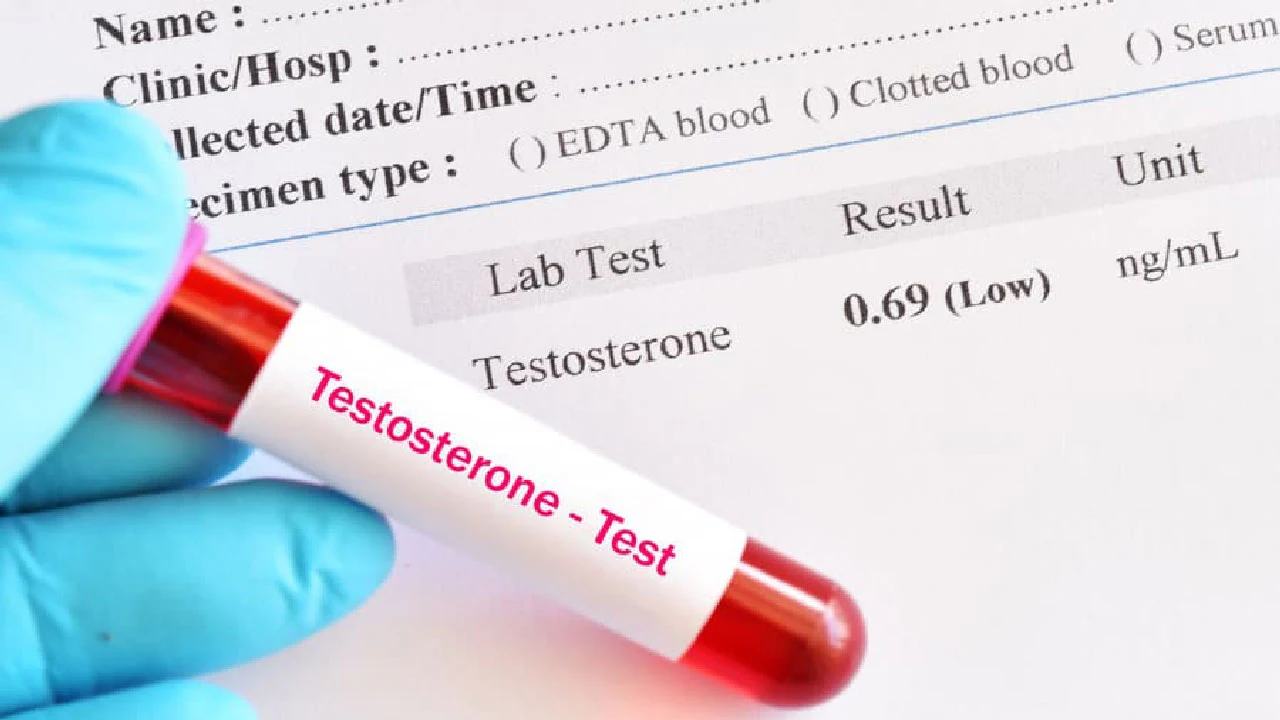
The dual challenge of managing infertility and low testosterone in men has become increasingly prominent in clinical practice. Testosterone deficiency, commonly seen in men over 45, is often treated with testosterone replacement therapy, yet this approach can severely compromise fertility. As the prevalence of both hypogonadism and infertility rises, actionable strategies are required to preserve reproductive potential while addressing symptomatic low testosterone.
Recent years have seen a marked increase in the diagnosis of testosterone deficiency, especially among men aged 45 and older. The rise is associated with greater awareness of hypogonadism and an increase in common comorbidities like obesity and age-related health decline. Direct-to-consumer clinics have made testosterone therapy widely available, yet these interventions come with significant risks to male reproductive health.
TRT is known to disrupt spermatogenesis and frequently leads to infertility, particularly among younger men who are not properly counseled when the therapy is prescribed. The indiscriminate use of TRT and the lack of routine discussion about fertility implications prior to its initiation has led to significant numbers of men experiencing unexpected infertility. A fair proportion of these men seek help only after finding themselves unable to conceive.
The core of best practice is to establish a man's reproductive intentions before starting any hormone-based therapy. Fertility assessment should not be restricted by assumptions regarding age; men both young and older may have future reproductive goals. This fundamental inquiry influences all subsequent treatment decisions.
Not all cases of low testosterone require standard replacement therapy, particularly in men desiring future fertility.
Several medications stimulate the body's own testosterone and sperm production without direct testosterone replacement, including:
These therapies allow for management of testosterone deficiency without suppressing spermatogenesis and can be tailored to each patient's reproductive plan. Some patients may require a combination of these medications, especially those aiming to recover fertility after TRT.
When men present after having started TRT often with low or absent sperm counts, a frank discussion is necessary regarding cessation of therapy. Discontinuation typically involves temporary withdrawal symptoms such as fatigue and decreased libido, as the body restarts natural testosterone production. Recovery of sperm production can take from a few months up to a year, and some patients may experience incomplete recovery, particularly if an underlying testicular dysfunction exists.
Ongoing surveillance of hormonal status and sperm counts is essential for men undergoing empiric therapy. Medications affecting the HPG axis require regular blood work to ensure efficacy, safety, and the timely identification of adverse effects or inadequate response.
General health optimization, including aggressive management of obesity, diabetes, and metabolic syndrome, can assist endogenous testosterone production and improve fertility outcomes. Primary care providers and endocrinologists play a pivotal role in addressing these factors, ideally in collaboration with reproductive specialists.
A practical barrier to empiric therapy is the cost; many fertility-preserving medications are not covered by insurance, with monthly expenses reaching hundreds of dollars. This financial commitment is a key component in shared decision-making.
Comprehensive care involves educating all clinicians regardless of specialty on the basics of infertility and testosterone management. Referral to reproductive urology is warranted for complex cases or if empiric therapy is unsuccessful. Multidisciplinary cooperation ensures men receive individualized, up-to-date, and effective care.
The intersection of infertility and low testosterone calls for a paradigm shift in clinical management. Instead of one-size-fits-all therapy, modern best practices recommend a patient-centered assessment of reproductive intentions, selection of evidence-based and fertility-preserving treatments, and routine education around the potential reversibility or permanence of therapy-induced infertility. Advances in pharmaceutical options, coupled with improved provider education and increased patient awareness, promise better outcomes for men seeking both hormonal and reproductive health.
By integrating fertility assessment, empiric medical therapy, and multidisciplinary management, clinicians can offer men a future where treating low testosterone does not mean sacrificing the possibility of fatherhood. As both awareness and incidence of these dual diagnoses grow, adaptable, evidence-based clinical pathways will serve millions of men seeking comprehensive care.



Immunotherapy in restoring human fertility is emerging as a promising approach for addressing immune-related reproductive disorders. Recent clinical advances highlight its potential to improve implantation, pregnancy outcomes, and reproductive health, offering renewed hope for patients facing infertility linked to immune system dysfunction.

The smart fertility tracker market has transformed male fertility diagnostics, but how reliable are these devices? This report examines what at-home sperm tests actually measure, where they fall short compared to clinical analysis, and how men and couples can use them appropriately within a broader reproductive care pathway.

The distinct assisted reproductive technologies of Intrauterine Insemination (IUI), In Vitro Fertilization (IVF), and Intracytoplasmic Sperm Injection (ICSI). It outlines how each procedure works, the medical indications for their use, and their respective success rates. The importance of choosing the right treatment based on factors such as patient age, infertility diagnosis, and personal circumstances.

Assisted Reproductive Technology (ART), a groundbreaking medical field that provides solutions for individuals and couples facing fertility challenges. It defines ART, explains its core techniques such as In Vitro Fertilization (IVF) and Intracytoplasmic Sperm Injection (ICSI), and discusses clinical applications and success rates.

Common questions about pregnancy with polycystic ovary syndrome (PCOS) through IVF and IUI. It discusses PCOS-related infertility, success rates, treatment options, and the importance of personalised protocols. Emphasising holistic care and emotional support, it offers hope and insights for women navigating the challenges of PCOS.

The potential of stem cells to improve ovarian reserve and egg quality, focusing on their application in women with diminished fertility. It discusses how mesenchymal stem cells and other stem cell therapies can rejuvenate ovarian function by enhancing the ovarian environment, promoting tissue repair, and stimulating follicle growth. While the therapy shows promise, the article emphasizes the need for more extensive studies to understand its efficacy and safety.



