Home
 ArticlesArticles
A concise, executive guide to Choosing the Right Fertility Clinic: What to look for—covering success rates, services, expertise, technology, costs, access, ethics, and patient support, with FertilityIn as your trusted navigator.



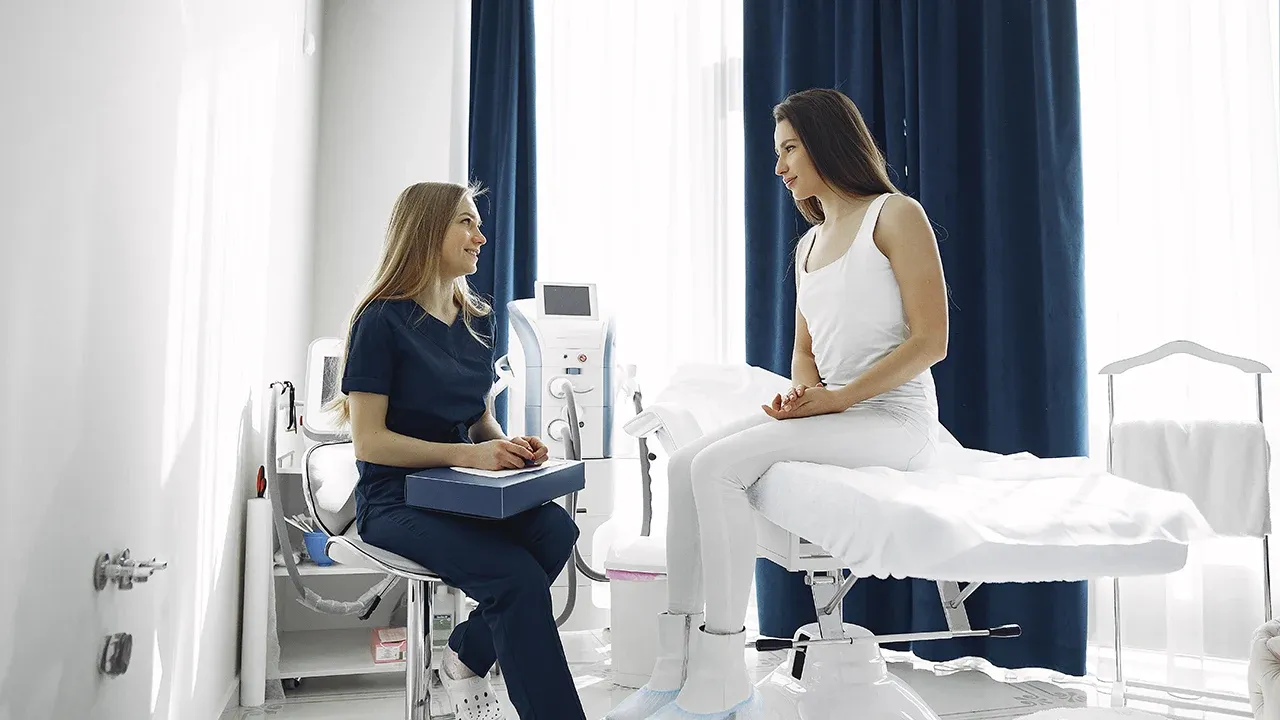
What to look for begins with understanding what truly predicts outcomes, transparent success rates, robust clinical governance, and the caliber of the team and laboratory behind every cycle so that executives and professionals can make decisions grounded in verifiable data rather than marketing claims. Choosing the right fertility clinic means aligning clinical strengths with your personal diagnosis, age, and preferences, because clinic-to-clinic differences in patient selection, protocols, and lab standards can materially shift the likelihood of a live birth for your specific case.

Success rates are most meaningful when defined precisely as live birth per cycle started and live birth per embryo transfer, ideally viewed alongside cumulative success over multiple cycles, which reflects the real-world pathway many patients take to parenthood. In the United States, clinics report to SART and CDC, allowing apples-to-apples comparisons by age, diagnosis, use of donor gametes, and cycle type; however, higher rates can sometimes reflect selective patient acceptance rather than superior care, so interpret the context before drawing conclusions. Choosing the right fertility clinic includes reviewing age-stratified outcomes and asking for cumulative success expectations for your profile rather than a single headline percentage, and consulting the CDC’s IVF Success Estimator for prognostic ranges.
A high-performing clinic typically offers the full ART continuum, diagnostic workup, ovulation induction, IUI, IVF/ICSI, PGT, donor and surrogacy coordination, and fertility preservation, and does so with clear protocols and outcome tracking for each service line. Breadth matters because complex or evolving cases often require sequencing treatments or switching strategies across cycles, and integrated services reduce fragmentation while improving data capture and quality oversight. When choosing a fertility clinic, it's important to make sure they can handle your entire treatment process from start to finish, including access to donor programs, genetic counseling, and cryostorage.
Outcomes hinge on the reproductive endocrinologist’s case-mix experience, the embryology team’s technical proficiency, and the consistency of anesthesia, nursing, andrology, and genetics workflows. Clinics with seasoned embryologists and standardized lab SOPs demonstrate fewer avoidable errors and more reproducible embryo development metrics, especially in vitrification-warming survival and blastocyst culture. Choosing the right fertility clinic includes verifying physician board certification, embryology leadership tenure, and participation in professional bodies such as ASRM and ESHRE, a signal of adherence to evolving best practices.
Publicly reported data (SART/CDC), peer affiliations, and patient narratives should be triangulated; strong reputations show alignment between measured outcomes, ethical patient selection, and communication quality rather than isolated testimonials. Because differences in success rates often reflect patient characteristics and protocols, credible clinics educate patients on how to interpret data instead of oversimplifying it or promising ranks that responsible registries do not endorse. Choosing the right fertility clinic is a pattern of transparency, clear explanations of statistics, realistic timelines, and appropriate use of cumulative success framing.

Laboratory quality is decisive; ESHRE’s revised guidelines for good practice in IVF laboratories emphasize validated equipment, controlled environments (air quality, VOC management, temperature, and humidity), rigorous QC/QA, traceability, and competency assessments across all processes from oocyte handling to cryostorage. Labs that standardize culture media usage, incubator monitoring, witnessing systems, and aseptic workflow design typically improve embryo viability and reduce variability in blastulation and implantation. Choosing the right fertility clinic by asking about adherence to ESHRE lab standards, validation schedules, alarm protocols, and how the lab de-risks critical steps like vitrification and thawing.

Personalized plans incorporate age, ovarian reserve markers, prior response, male factor parameters, genetics, and lifestyle, then iterate protocols across cycles using cumulative success logic rather than one-shot metrics. Clinics that calibrate stimulation regimens, trigger timing, fertilization method (IVF vs ICSI), PGT indications, and transfer strategy to the individual generally realize better outcomes and patient experience than template-driven pathways. Choosing the right fertility clinic includes evidence of multidisciplinary case reviews and data-informed adjustments, not just a static plan.
Clearly understanding all costs and additional fertility treatment costs, including diagnostics, medications, procedures, anesthesia, PGT, storage, donor services, and extras, helps you make informed decisions and plan realistically for success over several Avoid equating cost with quality; instead evaluate cost per live birth for your profile, recognizing that multi-cycle packages, refund programs, and employer benefits can shift the economics materially. Choosing the right fertility clinic is transparent itemization, clarity on refund criteria, and budgeting aligned to an evidence-based probability of needing more than one cycle.
Proximity reduces missed monitoring, simplifies retrieval and transfer logistics, and lowers stress; yet, for specialized needs, traveling to an experienced center may improve odds, provided the clinic has robust satellite coordination and telehealth follow-up. Ask how remote monitoring, lab timing, and partner involvement are handled if you split care across sites, and whether cryo-transport is managed in validated containers with chain-of-custody integrity. Choosing the right fertility clinic balances convenience with competency, ensuring the operational model won’t compromise timing-sensitive steps.
Quality programs integrate psychological counseling, genetic counseling, and nurse-led education, acknowledging the emotional complexity of ART and the decision points around PGT, donation, and embryo disposition. Clinics with structured support reduce dropout rates, align expectations, and improve adherence to protocols, factors that indirectly affect cumulative success and patient well-being. Choosing the right fertility clinic is embedded support, not just ad-hoc referrals, and clear access pathways for after-hours questions.
Regulatory landscapes vary; in the U.S., ART oversight relies on professional standards and reporting to CDC/SART, with ASRM offering ethics opinions and policy context, while other regions rely more on statutory frameworks, each with implications for patient rights, storage limits, and third-party reproduction. Reputable clinics articulate consent pathways, data privacy, embryo disposition options, donor/surrogate screening, and disclosure policies, and do not overpromise where law or ethics constrain practice. Choosing the Right Fertility Clinic includes documented compliance, clear informed consent, and transparent handling of sensitive edge cases like genetic findings and surplus embryos.
The most responsible approach pairs national datasets with your profile, looking at age-specific live births per cycle started and per transfer, then projecting cumulative probability over planned cycles, with and without PGT or donor gametes as applicable. Registries caution against ranking clinics by success rates because differences often reflect patient selection and procedural mix; focus instead on whether a clinic’s outcomes for patients like you are consistent, transparent, and methodologically sound. Choosing the right clinic is about methodological clarity, how the clinic defines denominators, handles freeze-all cycles, and discloses multi-embryo transfer rates and multiples risk.
Clarify which metrics the clinic tracks beyond pregnancy tests, specifically live births per cycle and per transfer by age and diagnosis, and whether they publish cumulative outcomes over multi-cycle plans. Ask about lab accreditation, ESHRE-aligned SOPs, equipment validation cadence, double witnessing systems, and performance indicators like fertilization rate, blastulation rate, vitrification survival, and euploidy yields by age. Choosing the right fertility clinic includes how your plan would change after a suboptimal response, what add-ons are supported by evidence, and your forecasted cost per live birth under different pathways, including donor scenarios if indicated.
Because many patients require more than one attempt, cumulative success rates offer a truer picture of ultimate outcomes, guiding appropriate budgeting, time planning, and resilience strategies. This framing also helps evaluate multi-cycle packages and the trade-offs of PGT, single-embryo transfer, and cryopreservation strategies on both success and safety (reducing multiples). Choosing the right fertility clinic is a team that sets expectations for multi-step journeys without fatalism, using data to chart a credible path to live birth.
In a landscape abundant with choices, the need for reliable guidance has never been more vital. FertilityIn stands as a trusted partner, thoughtfully designed to simplify and strengthen your fertility journey. The platform serves as a bridge between aspiration and action, helping you compare clinics, assess success rates, and connect with verified experts and patient communities with confidence and ease.
The right fertility clinic can often feel daunting, but with FertilityIn, you are never navigating the process alone. Through data-driven insights and a deeply personalized approach, FertilityIn empowers you to evaluate clinics based on transparency, technological advancement, and quality of patient care, ensuring every decision aligns seamlessly with your individual goals and health priorities.
Whether your path leads toward IVF, egg freezing, or surrogacy, FertilityIn provides the clarity, assurance, and support you need to move forward with confidence. It is more than a resource, it is a companion dedicated to helping you find not just the right clinic, but the right beginning for your family’s story.
Ultimately converges on a disciplined reading of success data, inspection of lab quality, and alignment of services, ethics, and support with your clinical profile and personal values. When interpreted responsibly, with cumulative thinking, age-adjusted benchmarks, and ESHRE-aligned lab standards, the path forward becomes clearer, more predictable, and better resourced for success. By coordinating the evidence and relevant questions, FertilityIn enables executives and professionals to transition from complexity to clarity, allowing them to choose a clinic where the science, team, and experience contribute to a live birth outcome that withstands scrutiny.



A routine X-ray test of the fallopian tubes may do more than diagnose a problem. This article explains oil-based tubal flushing during hysterosalpingography, what major clinical trials have found about its effect on natural conception, who may benefit, the possible risks and the questions couples should ask their own fertility specialist.

Consumer DNA testing and new open-identity laws are bringing the era of donor anonymity to a close. This article explains why anonymity can no longer be guaranteed, how laws are changing, and what this shift means for donors, intended parents and the growing number of donor-conceived people around the world
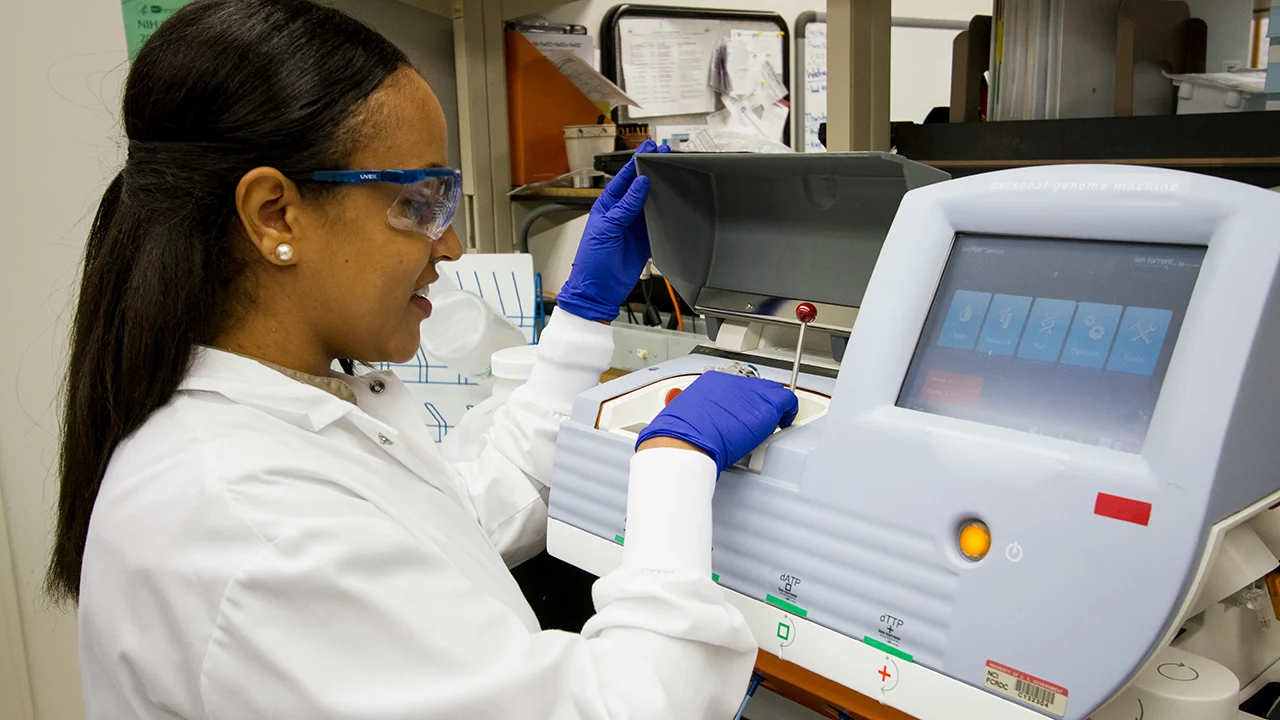
Donor genetic screening is moving well beyond basic tests. This article explains how expanded carrier screening and donor-recipient matching work, what recent high-profile cases in Europe have revealed about the limits of screening, and the questions intended parents should ask before choosing donor eggs or sperm for their treatment.

Boys treated for cancer before puberty cannot bank sperm, but freezing testicular tissue containing spermatogonial stem cells may one day restore their fertility. This article explains how the first transplants in adult survivors work, what the early research shows, the risks involved and why families should know about this option.

Microplastics have now been found in human follicular fluid and seminal fluid. This article explores the fast-growing body of research on microplastics and fertility, what scientists know and do not yet know about their effects on eggs and sperm, and practical, evidence-based ways that couples can reduce their everyday exposure.

Fertility conversations often focus on women, yet new research on sperm epigenetics shows a father's environment matters too. This article explains how air pollution may alter chemical marks on sperm DNA, why those changes could matter for fertility and pregnancy, and the practical steps men can reasonably consider before conception.

Donor eggs have long been seen as a way to reset the reproductive clock, but new research suggests uterine ageing also plays a role. This article explains what the latest evidence shows, how the ageing uterus may affect implantation and pregnancy, and how women in their late forties can prepare.