Home
 ArticlesArticles
Cancer treatments like chemotherapy and radiation can significantly impact fertility. Learn about their effects on reproductive health and the methods to safeguard your fertility.



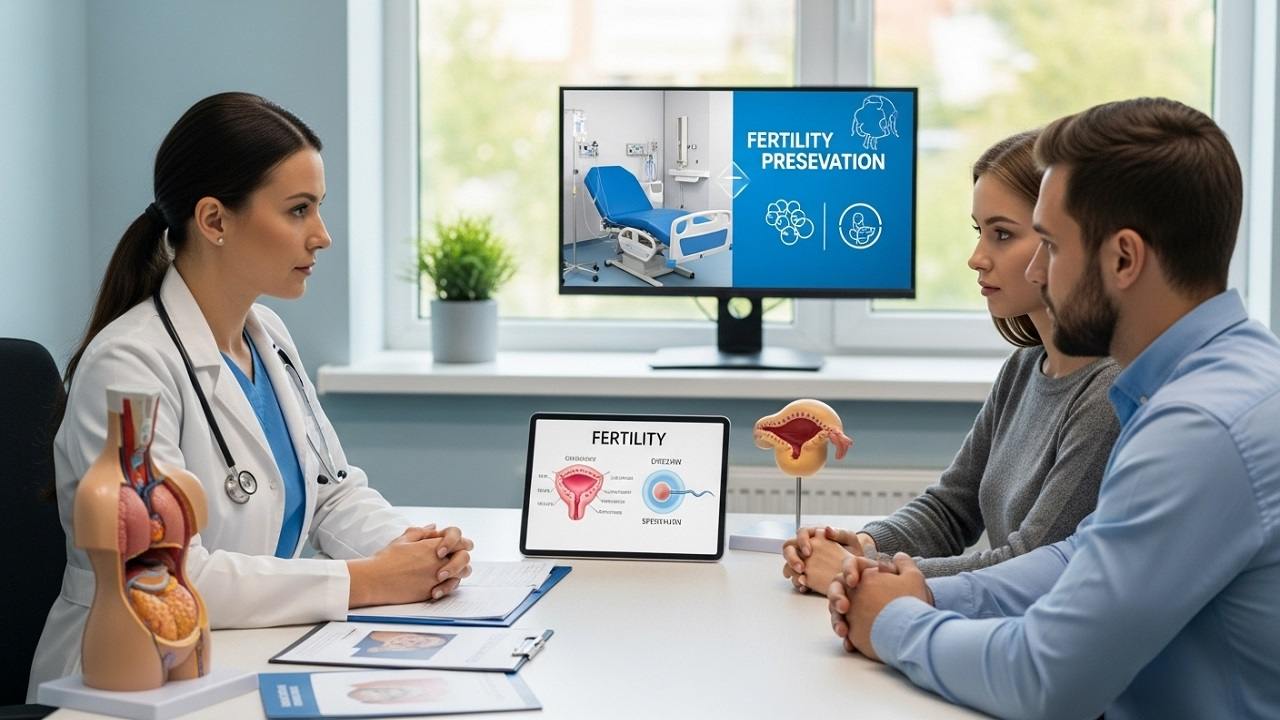
Cancer therapies such as chemotherapy, radiation, and surgery have unequivocally saved millions of lives worldwide. Although these treatments are highly effective at targeting cancer cells, they are not without side effects that can impact other parts of the body, including fertility. Understanding why and how cancer treatments cause infertility, as well as how patients can mitigate the risks, is important for people going through treatment and for those thinking ahead to family planning.
Cancer treatments such as chemotherapy and radiation therapy may affect fertility, as they can damage reproductive cells in both ovaries and testes. In women, chemotherapy and radiation can not only decrease the overall number of eggs available for fertilization but can also result in a complete loss of fertility in some women. Chemotherapy and radiation can affect sperm production or quality in men and hinder successful conception.
Another important consideration is age. Younger people tend to have more eggs or sperm in reserve, which enhances their options for fertility preservation before treatment. But due to having fewer reproductive cells, older individuals are more susceptible to losing fertility. The impact on fertility depends on the timing of cancer treatment, the type of cancer, and which drugs or radiation are used.
Luckily, there are multiple ways a person can attempt to preserve their fertility before beginning cancer treatment. Fertility preservation advances offer hope to many that they may still be able to have children in the future.


Fertility preservation techniques use the body itself, but significant advances in fertility treatments have been made as well, including in vitro fertilization (IVF) and using a sperm or egg donor. These treatments can help people who have lost their fertility from cancer treatment. Although the road to parenthood can be more complicated for some, many cancer survivors have gone on to create families due to these modern medical methods.
Furthermore, after finishing treatment, cancer survivors can often return to normal reproductive status as long as any initial subfertility due to treatment is only temporary. Improvements in personalized medicine, which customizes treatments for individual patients, are also reducing the risk of infertility in many therapies.
Cancer treatments, including chemotherapy, radiation and surgery, can sometimes make it impossible for a person to reproduce, but a growing field of fertility preservation now provides hope to many individuals who want to have children later. Therefore, individuals facing cancer treatments may not have to choose between a successful treatment and the opportunity to build a family. By understanding the risks associated with your cancer treatment and exploring options to preserve your fertility, you can make informed decisions about your reproductive health. Thanks to medical advancements in fertility preservation and treatment, many cancer survivors, including vaginal cancer still have options in terms of pursuing their dreams of parenthood.


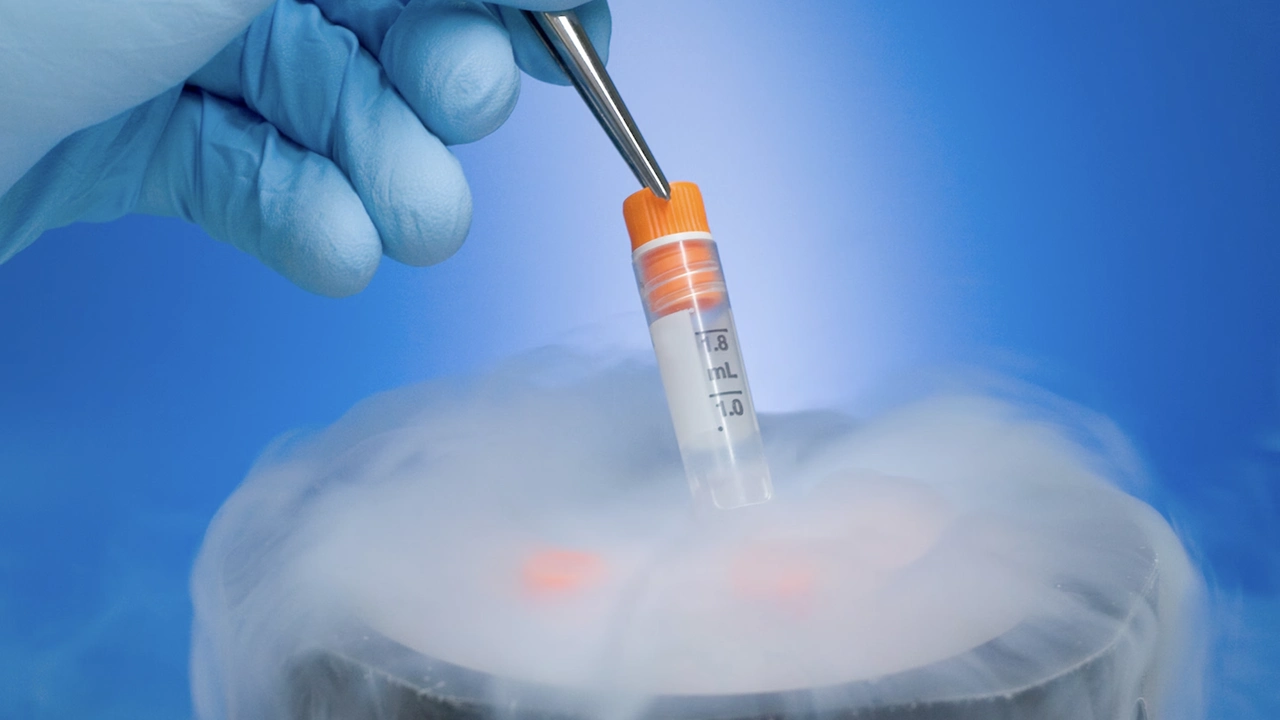
Frozen Egg Thawing survival rates average 80–90% with modern vitrification. Age at freezing is the biggest success factor, younger eggs fertilize better and develop stronger embryos. Banking 10–20 mature eggs improves live birth odds. ICSI remains the gold standard, with blastocyst transfer offering the highest implantation rates.
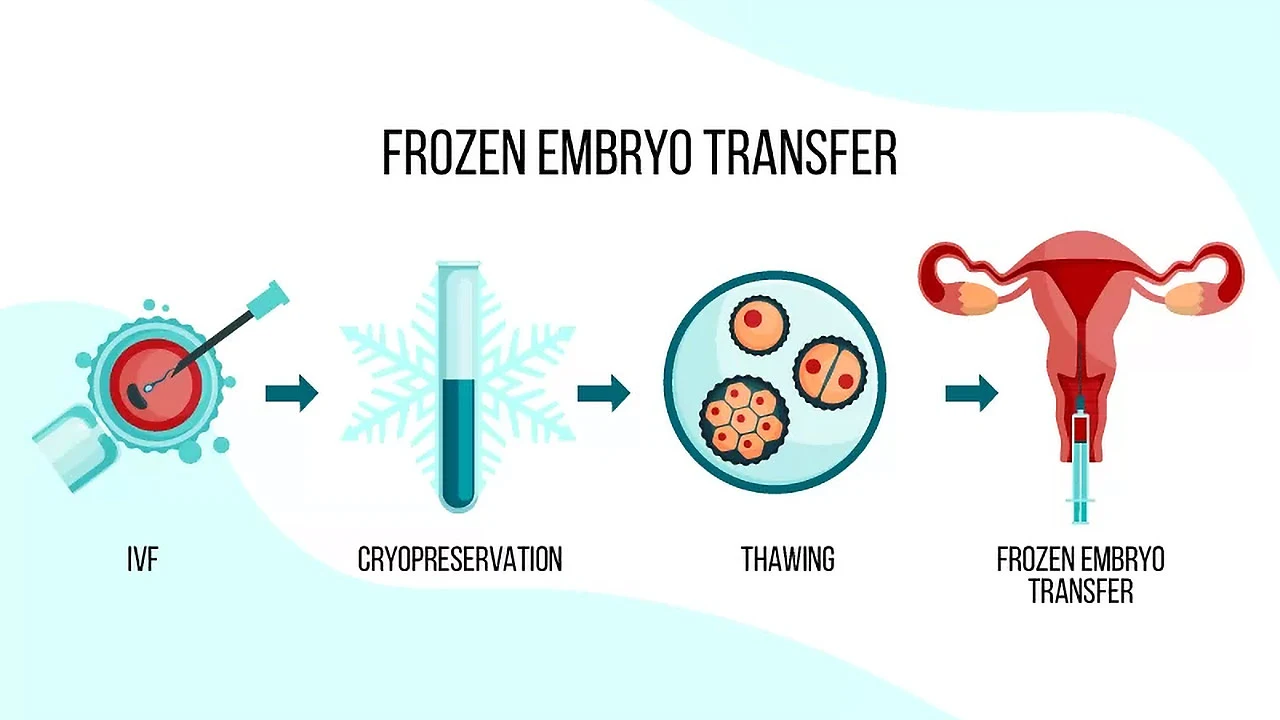
Frozen embryo transfer (FET) is a fertility procedure where previously created and frozen embryos are thawed and placed into the uterus. This comprehensive guide explains the FET process, success rates, benefits, and why it's become a preferred option for many people navigating infertility treatment and building their families.
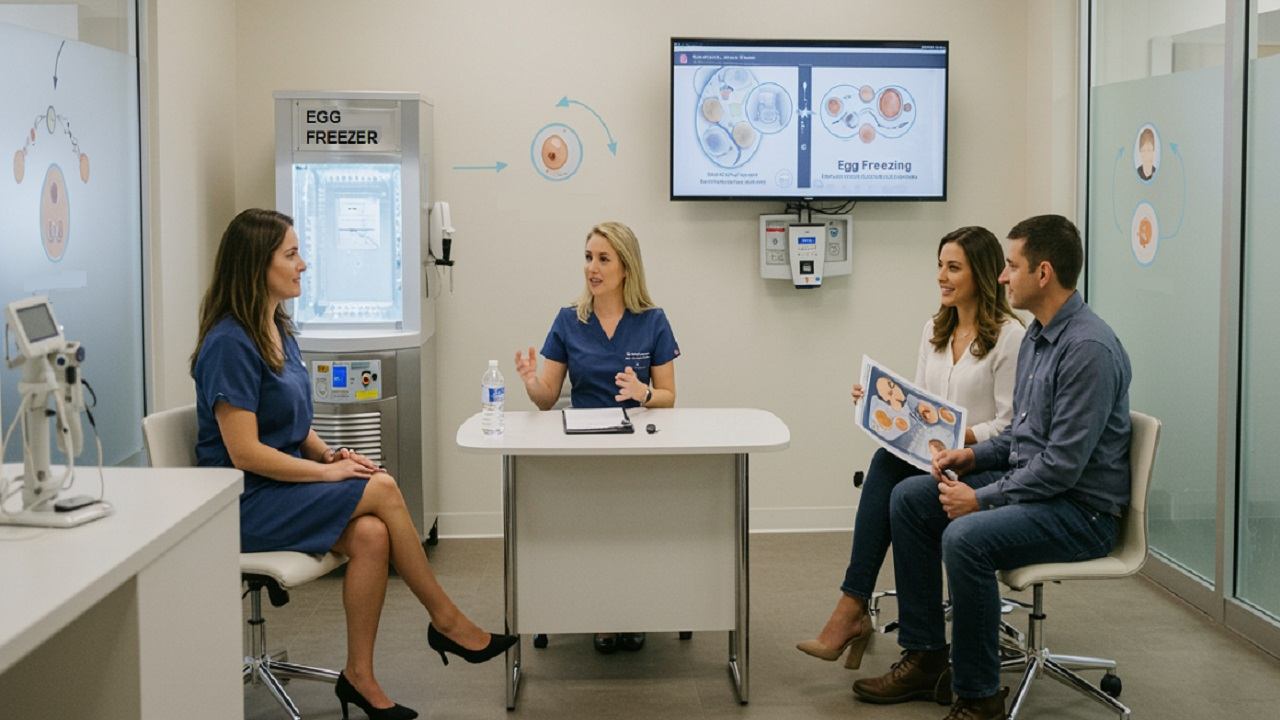
The vital role of fertility preservation and egg donation in helping women overcome reproductive challenges, allowing them to control their family planning. It highlights how these advancements in reproductive medicine enable women to preserve their fertility and access healthier eggs for future pregnancies.
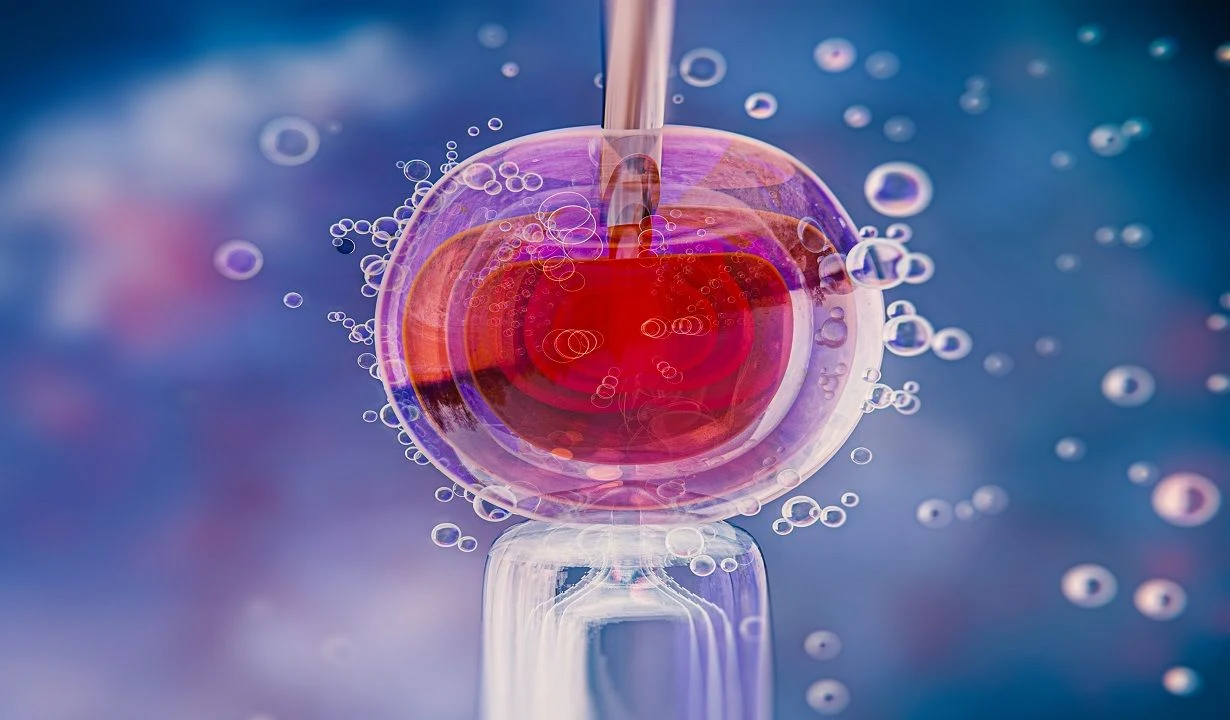
Egg freezing does not reduce natural fertility or ovarian reserve. This comprehensive guide examines how oocyte cryopreservation works, success rates by age, potential risks including OHSS, costs, and psychological benefits. Facts about preserving reproductive options while maintaining natural conception ability for career-focused and medically indicated fertility preservation.

The best age to freeze sperm and eggs depends on biology, fertility health, and personal choice. Experts recommend egg freezing before 35 and sperm freezing before 40 for stronger outcomes. Advances in technology and lifestyle factors also shape fertility preservation decisions.
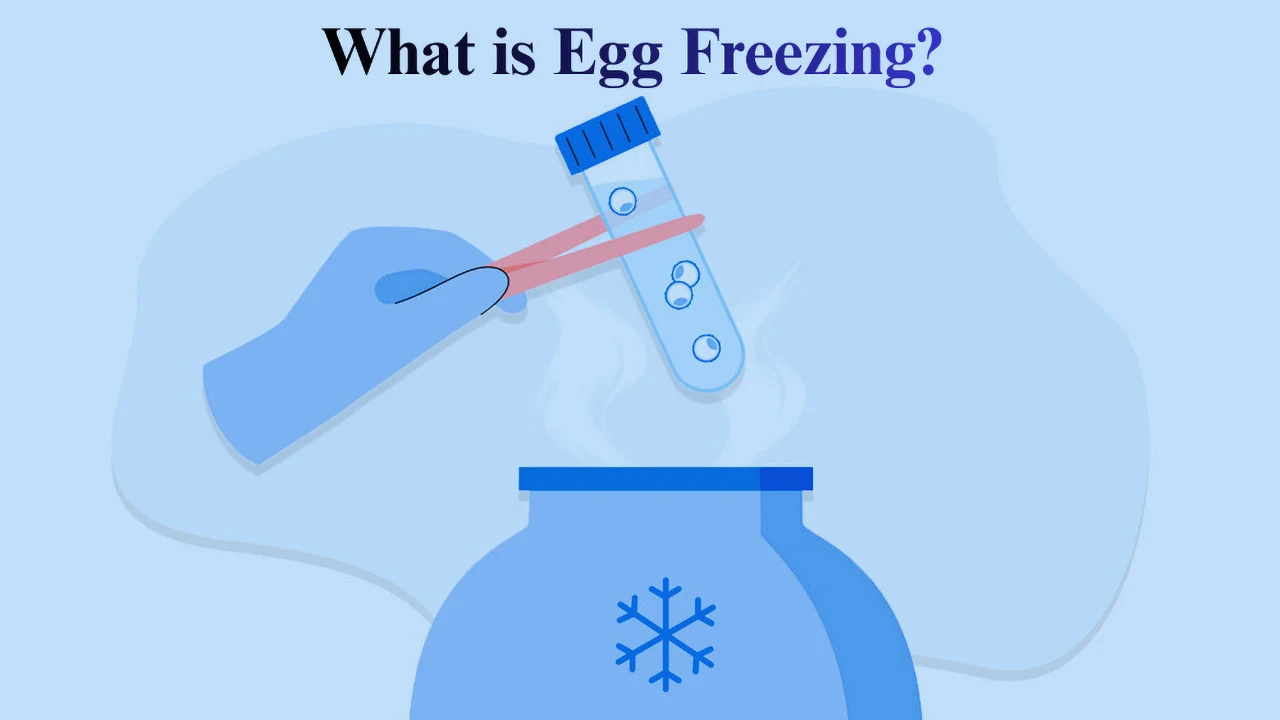
Egg freezing allows women to preserve their fertility by extracting, freezing, and storing eggs for future use. Whether postponing parenthood for career, personal reasons, or medical treatments, this comprehensive guide explains the process, costs, success rates, and who should consider this increasingly popular fertility preservation option.
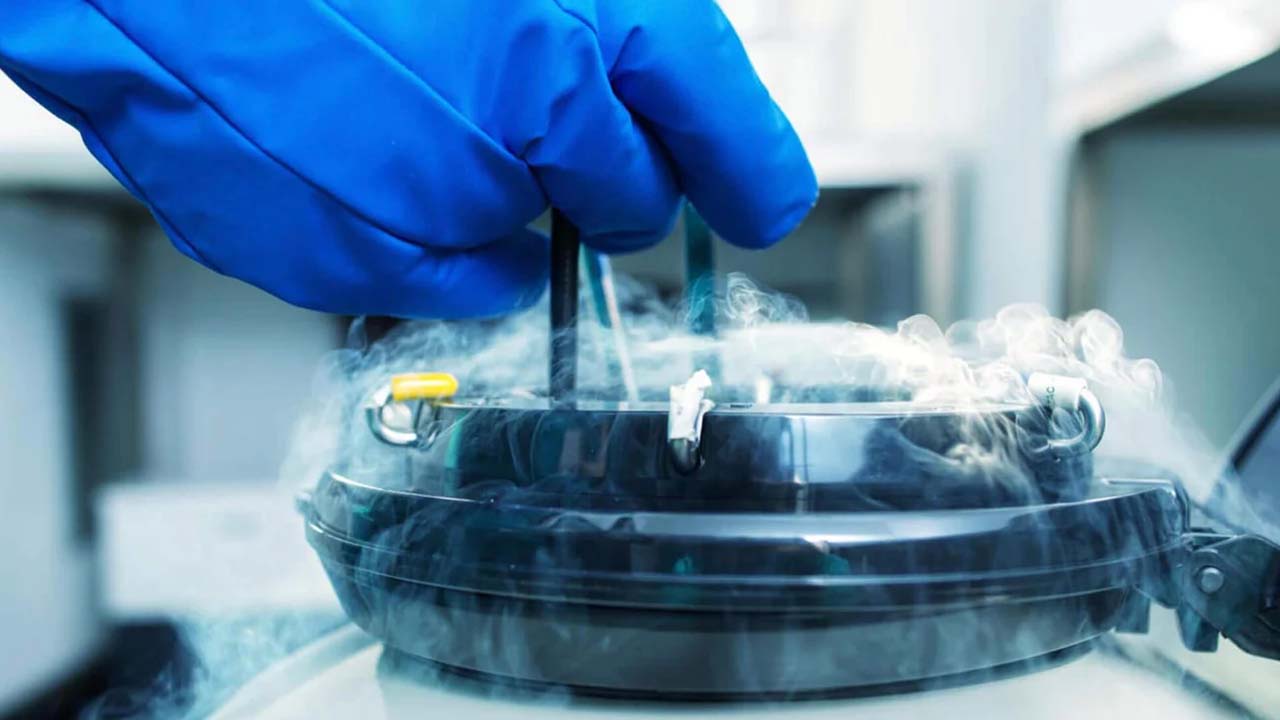
Vitrification vs slow freezing is reshaping ovarian tissue cryopreservation strategies. While slow freezing offers a proven track record, vitrification shows stronger DNA protection and stromal preservation. As fertility preservation advances, clinicians weigh tradition against innovation to improve outcomes for cancer survivors seeking future motherhood.