Home
 ArticlesArticles
Common questions about pregnancy with polycystic ovary syndrome (PCOS) through IVF and IUI. It discusses PCOS-related infertility, success rates, treatment options, and the importance of personalised protocols. Emphasising holistic care and emotional support, it offers hope and insights for women navigating the challenges of PCOS.




PCOS is one of the most common endocrine disorders affecting women of reproductive age, characterised by irregular ovulation, elevated androgen levels, and polycystic ovarian morphology. These symptoms can create a complicated cascade of hormonal imbalances that reduce the likelihood of natural conception, often making assisted reproduction necessary. Despite the prevalence and complexity of PCOS, advances in reproductive medicine now offer women robust pathways to parenthood with IVF and IUI as leading options.
The two most established assisted reproductive technologies for PCOS are in vitro fertilization (IVF) and intrauterine insemination (IUI). While IUI involves direct placement of sperm inside the uterus during ovulation, IVF requires ovarian stimulation, egg retrieval, fertilization in the lab, and subsequent embryo transfer. Both seek to circumvent the ovulatory challenges intrinsic to PCOS, but their clinical outcomes and protocols differ significantly.
Statistical outcomes point to promising yet distinct success profiles for each treatment:
These numbers illustrate a reality: Women with PCOS can get pregnant through IVF or IUI, with IVF generally offering higher odds even for those with severe ovulatory dysfunction.

Choosing between IVF and IUI involves careful consideration of age, ovulatory response, body mass index, and the presence of additional infertility factors, such as tubal blockage or male factor infertility. Women under 35 with relatively preserved ovarian reserve may find success with IUI, especially when paired with ovulation induction medications like clomiphene citrate or letrozole. Conversely, those with persistent anovulation, prior failed IUI cycles, or higher age brackets are often steered towards IVF.
Recent advances emphasize tailored treatment protocols for optimal outcomes. In IVF cycles, clinicians monitor egg response to prevent ovarian hyperstimulation syndrome (OHSS), a risk more pronounced in PCOS but now largely mitigated by refined stimulation regimens. Mild stimulation, frequent monitoring, and the use of antagonist protocols reduce complications and maximize embryo quality. Meanwhile, IUI protocols stressing precise ovulation timing and adjunct luteal support improve success rates, highlighting the importance of personalization in PCOS treatment.
Beyond statistics, the PCOS journey is deeply personal and can be emotionally impactful. Psychological support, lifestyle optimisation, weight management, and metabolic control vastly improve fertility and well-being before and during treatment. Clinics now integrate counselling, nutritional advice, and ongoing monitoring, recognising that success often depends on holistic patient care.
Emerging research explores adjunct therapies, such as in vitro maturation (IVM) and individualised ovarian stimulation protocols, tailored specifically for PCOS phenotypes. Advances in embryo selection, genetic screening, and new pharmacological agents further widen the spectrum of choices, turning PCOS-associated infertility from a major obstacle into a manageable condition with multiple avenues to parenthood.
In summary, women with PCOS can get pregnant through IVF or IUI, with IVF offering the highest likelihood of success for most cases. Careful selection, personalised protocols, and comprehensive support are critical to transforming reproductive challenges into stories of hope and achievement. As technology and clinical understanding advance, more women with PCOS will experience the fulfilment of parenthood, indicating that their diagnosis is not a final verdict but the beginning of a journey.


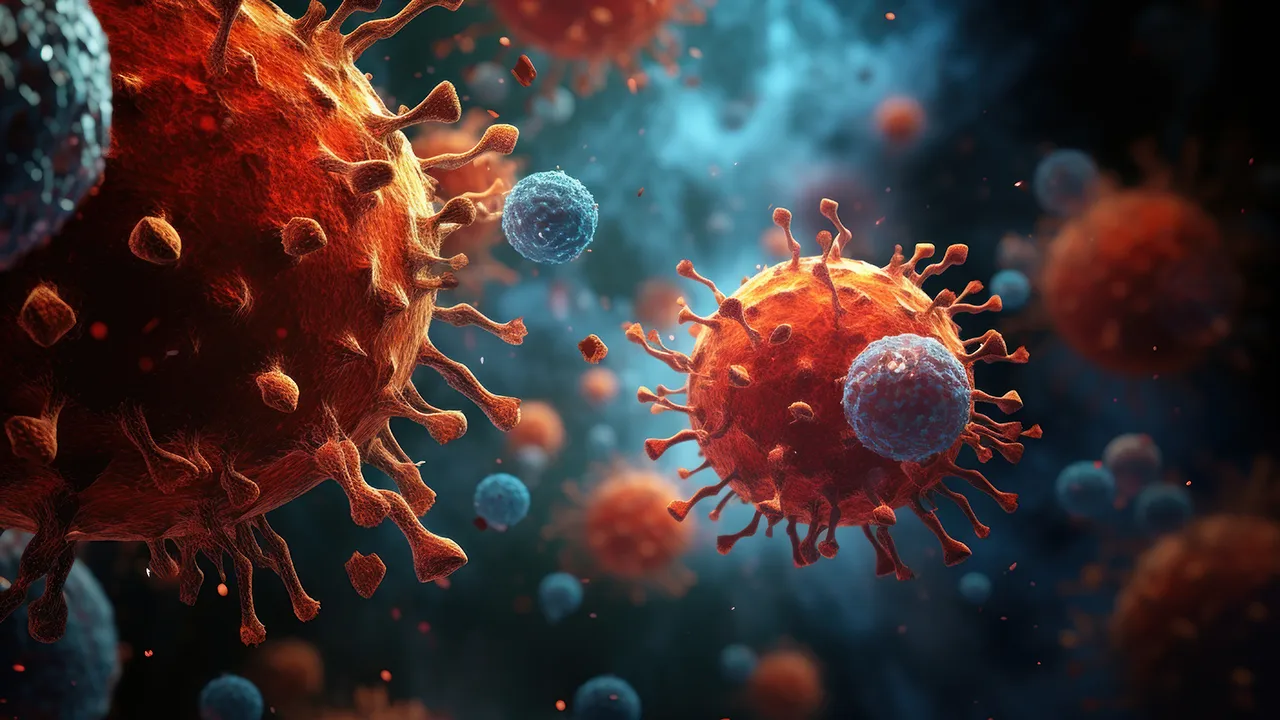
Immunotherapy in restoring human fertility is emerging as a promising approach for addressing immune-related reproductive disorders. Recent clinical advances highlight its potential to improve implantation, pregnancy outcomes, and reproductive health, offering renewed hope for patients facing infertility linked to immune system dysfunction.

The smart fertility tracker market has transformed male fertility diagnostics, but how reliable are these devices? This report examines what at-home sperm tests actually measure, where they fall short compared to clinical analysis, and how men and couples can use them appropriately within a broader reproductive care pathway.
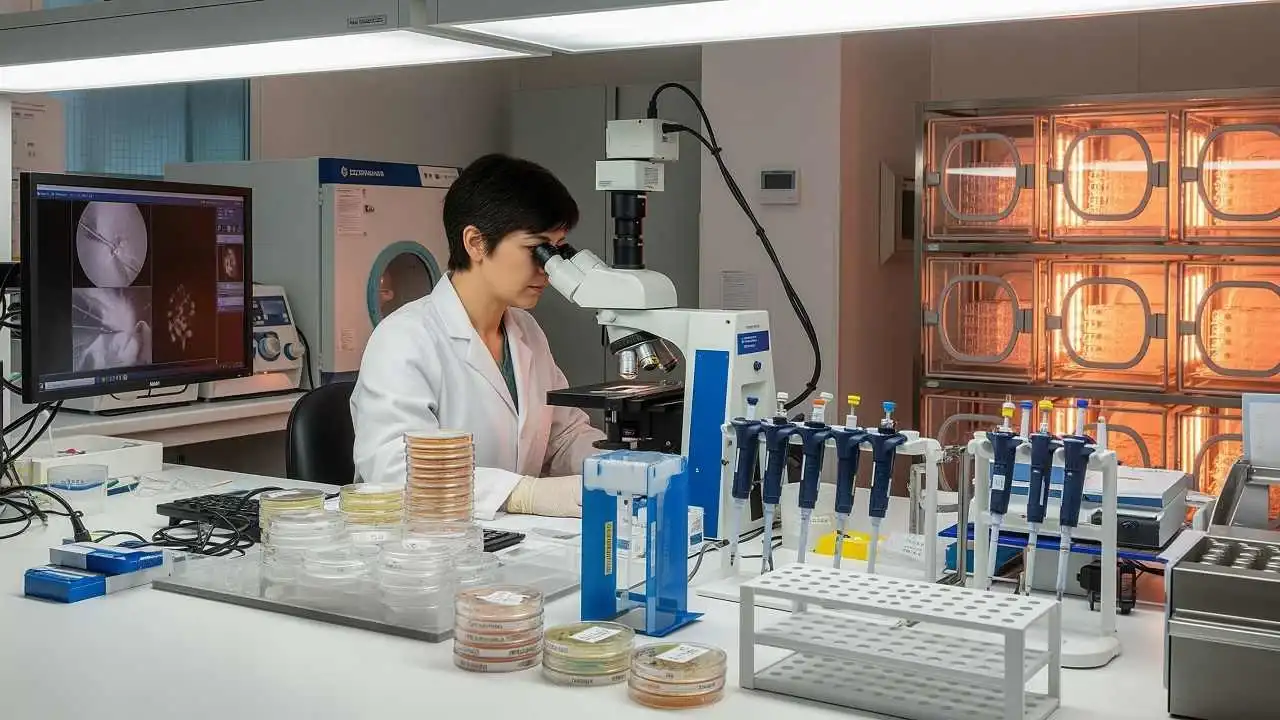
The distinct assisted reproductive technologies of Intrauterine Insemination (IUI), In Vitro Fertilization (IVF), and Intracytoplasmic Sperm Injection (ICSI). It outlines how each procedure works, the medical indications for their use, and their respective success rates. The importance of choosing the right treatment based on factors such as patient age, infertility diagnosis, and personal circumstances.
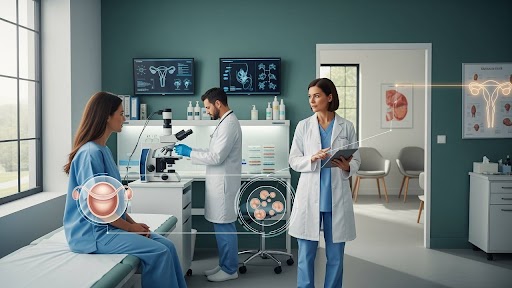
Assisted Reproductive Technology (ART), a groundbreaking medical field that provides solutions for individuals and couples facing fertility challenges. It defines ART, explains its core techniques such as In Vitro Fertilization (IVF) and Intracytoplasmic Sperm Injection (ICSI), and discusses clinical applications and success rates.

The potential of stem cells to improve ovarian reserve and egg quality, focusing on their application in women with diminished fertility. It discusses how mesenchymal stem cells and other stem cell therapies can rejuvenate ovarian function by enhancing the ovarian environment, promoting tissue repair, and stimulating follicle growth. While the therapy shows promise, the article emphasizes the need for more extensive studies to understand its efficacy and safety.
Clinical pearls for treating infertility and low testosterone in men, emphasizing reproductive goal assessment, empiric medical therapies, and comprehensive multidisciplinary management strategies.