Home
 ArticlesArticles
The possibility of who can women conceive through ART after vaginal cancer Survival. It examines the impact of cancer treatments on fertility, the role of ART, and the challenges faced by survivors. Highlighting success stories and emerging research, it offers hope for women seeking motherhood after cancer.




In the realm of reproductive health, the question of whether women can conceive through assisted reproductive technology (ART) after surviving vaginal cancer is both poignant and profound. It touches upon the resilience of the human spirit and the intricate dance between medical science and the body's capacity for renewal. As we delve into this topic, we explore the nuances of ART, the challenges posed by vaginal cancer treatments, and the hopeful stories that emerge from the intersection of these two worlds.
Vaginal cancer, though rare, presents significant challenges to women's health. The primary treatment modalities surgery, radiation, and chemotherapy are life-saving but can have profound implications for fertility. Surgical interventions may involve the removal of the vagina or surrounding tissues, while radiation therapy can damage ovarian function, leading to premature ovarian failure. Chemotherapy, though essential for controlling cancer, can also adversely affect the reproductive system. These treatments, while crucial for survival, often leave women grappling with the possibility of infertility.

Assisted reproductive technology encompasses a range of procedures designed to aid in conception. For women who have undergone treatments for vaginal cancer, ART offers a beacon of hope. Techniques such as in vitro fertilization (IVF), egg retrieval, and embryo transfer can facilitate conception, even when natural fertility is compromised. The success of ART in these cases hinges on several factors, including the woman's age, the extent of ovarian function, and the quality of preserved oocytes or embryos.
While ART provides opportunities for conception, cancer survivors face unique challenges. The timing of ART procedures is critical, initiating treatment too soon after cancer therapy may not allow sufficient time for the body to recover. Additionally, the emotional toll of cancer and its treatments can affect a woman's readiness to undergo ART. Psychological support, therefore, becomes an integral part of the fertility journey, ensuring that women are mentally and emotionally prepared for the challenges ahead.
Despite the challenges, numerous success stories illuminate the path forward. Advances in fertility preservation techniques, such as oocyte and embryo cryopreservation, have enabled women to safeguard their reproductive potential before undergoing cancer treatments. Post-treatment, many women have successfully conceived through ART, resulting in healthy pregnancies and births. Emerging research continues to explore the efficacy of ART in cancer survivors, offering promising insights into improving success rates and outcomes.
The journey of women conceive through ART after vaginal cancer is a testament to the resilience of women and the advancements in medical science. While challenges persist, the integration of ART into the post-cancer care continuum offers renewed hope for many. As research progresses and techniques refine, the dream of motherhood becomes an attainable reality for women who have faced the trials of cancer. In embracing both the science of ART and the strength of the human spirit, we move closer to a future where every woman has the opportunity to fulfil her desire for motherhood, regardless of the battles she has fought along the way.


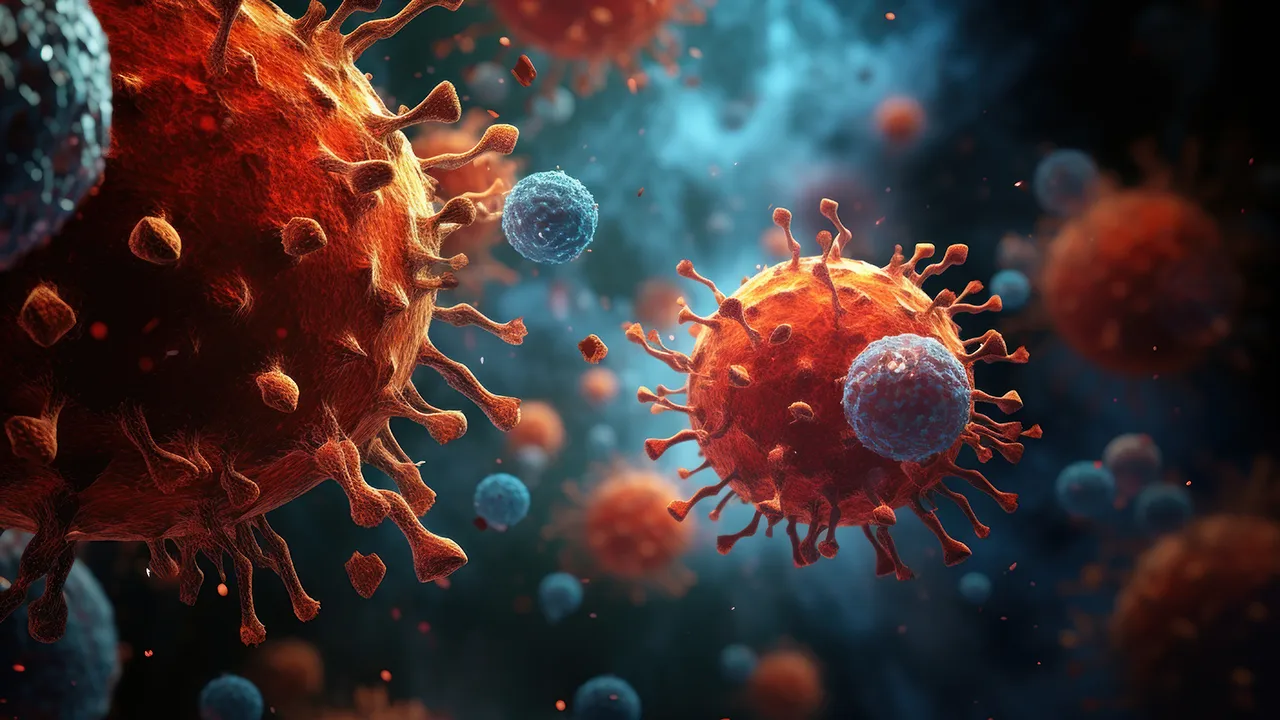
Immunotherapy in restoring human fertility is emerging as a promising approach for addressing immune-related reproductive disorders. Recent clinical advances highlight its potential to improve implantation, pregnancy outcomes, and reproductive health, offering renewed hope for patients facing infertility linked to immune system dysfunction.
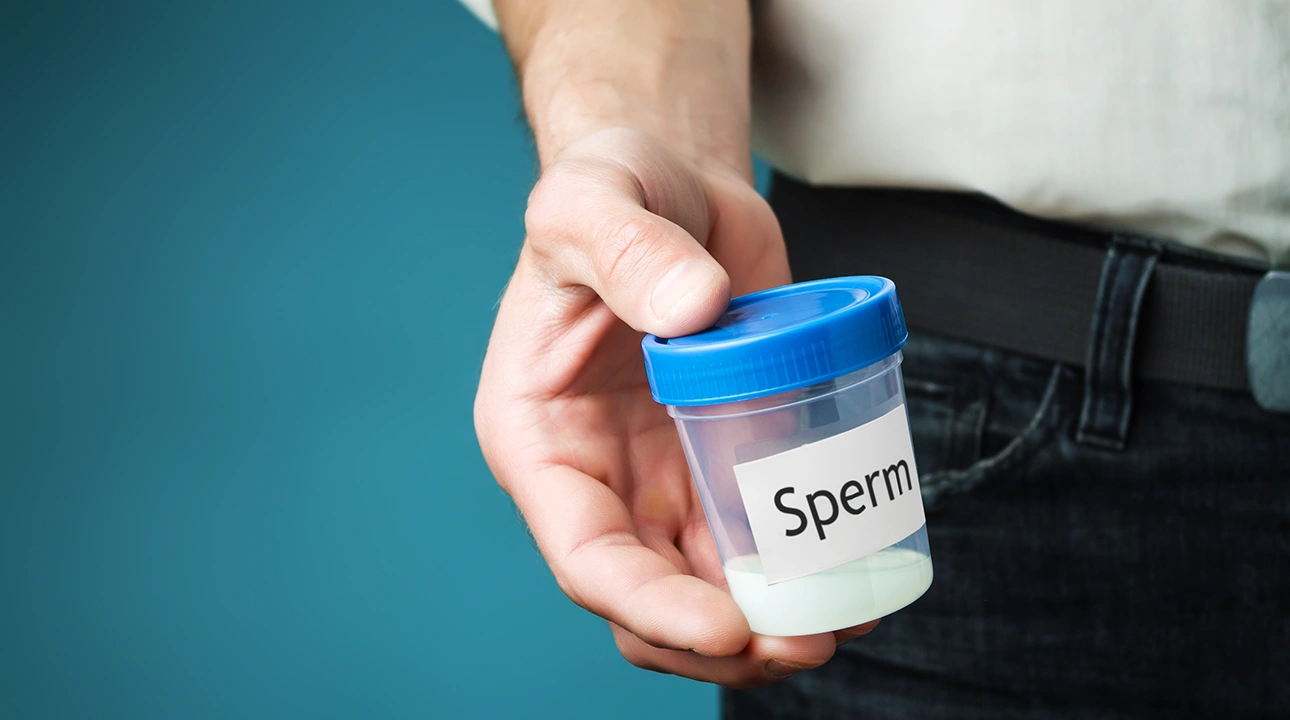
The smart fertility tracker market has transformed male fertility diagnostics, but how reliable are these devices? This report examines what at-home sperm tests actually measure, where they fall short compared to clinical analysis, and how men and couples can use them appropriately within a broader reproductive care pathway.
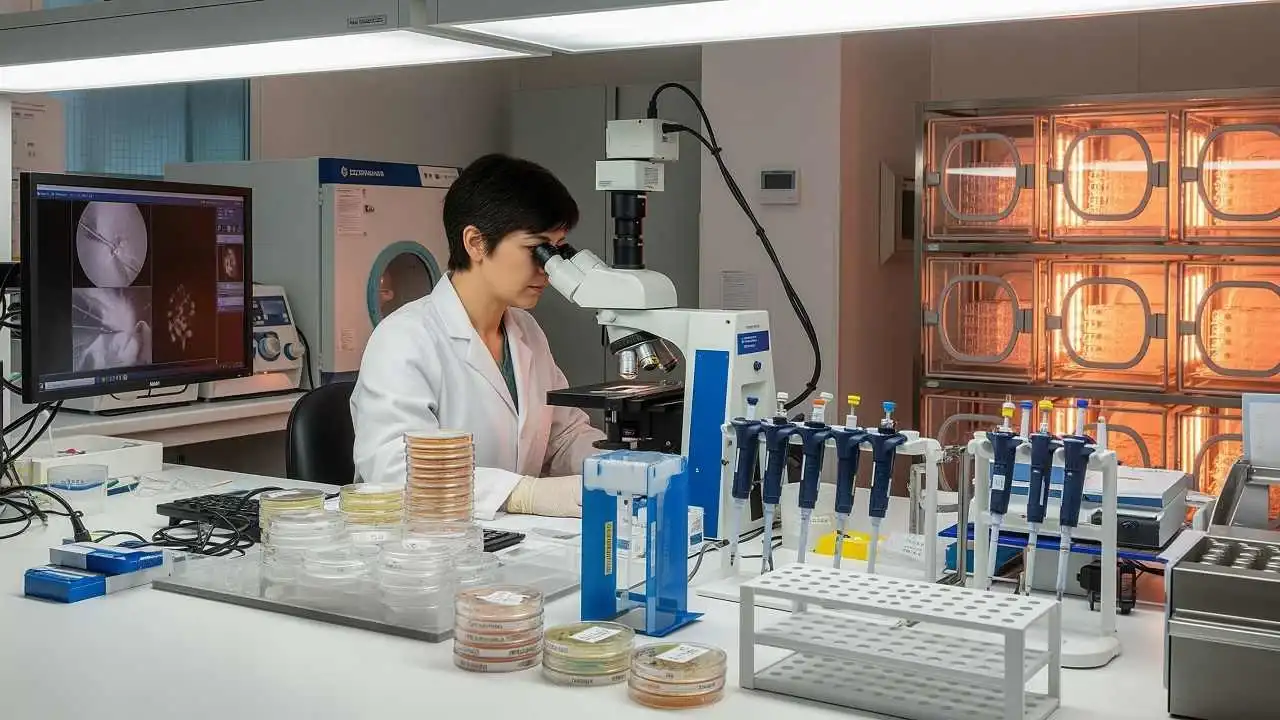
The distinct assisted reproductive technologies of Intrauterine Insemination (IUI), In Vitro Fertilization (IVF), and Intracytoplasmic Sperm Injection (ICSI). It outlines how each procedure works, the medical indications for their use, and their respective success rates. The importance of choosing the right treatment based on factors such as patient age, infertility diagnosis, and personal circumstances.
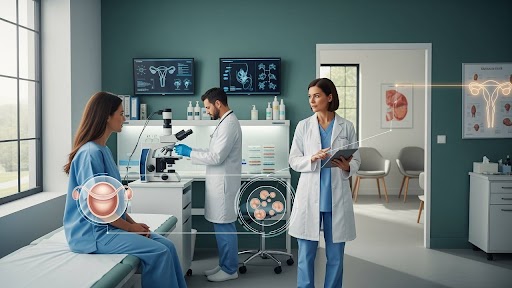
Assisted Reproductive Technology (ART), a groundbreaking medical field that provides solutions for individuals and couples facing fertility challenges. It defines ART, explains its core techniques such as In Vitro Fertilization (IVF) and Intracytoplasmic Sperm Injection (ICSI), and discusses clinical applications and success rates.

Common questions about pregnancy with polycystic ovary syndrome (PCOS) through IVF and IUI. It discusses PCOS-related infertility, success rates, treatment options, and the importance of personalised protocols. Emphasising holistic care and emotional support, it offers hope and insights for women navigating the challenges of PCOS.
The potential of stem cells to improve ovarian reserve and egg quality, focusing on their application in women with diminished fertility. It discusses how mesenchymal stem cells and other stem cell therapies can rejuvenate ovarian function by enhancing the ovarian environment, promoting tissue repair, and stimulating follicle growth. While the therapy shows promise, the article emphasizes the need for more extensive studies to understand its efficacy and safety.
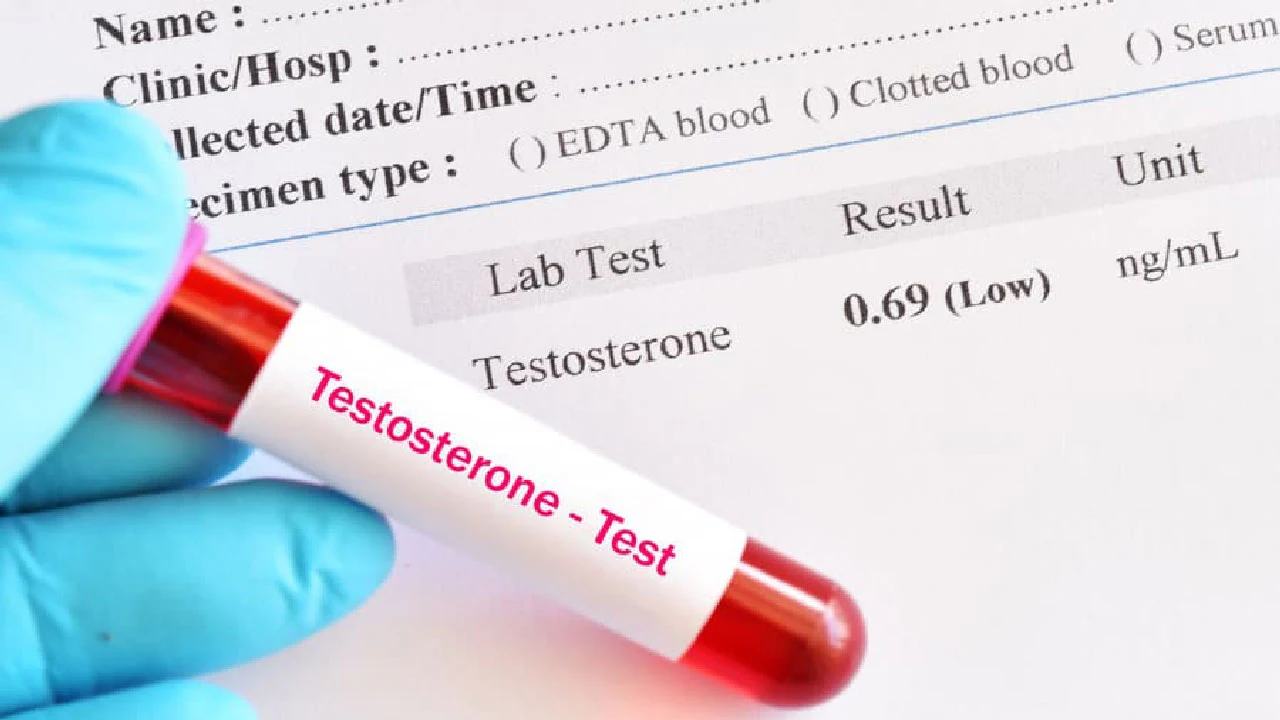
Clinical pearls for treating infertility and low testosterone in men, emphasizing reproductive goal assessment, empiric medical therapies, and comprehensive multidisciplinary management strategies.