Home
 ArticlesArticles
How same-sex couples can achieve parenthood through assisted reproductive technology (ART), including IUI and IVF. It discusses the options available for lesbian couples, such as reciprocal IVF, and for gay male couples using surrogacy. The article also addresses legal challenges, success rates, and the future of family-building for LGBTQ+ couples



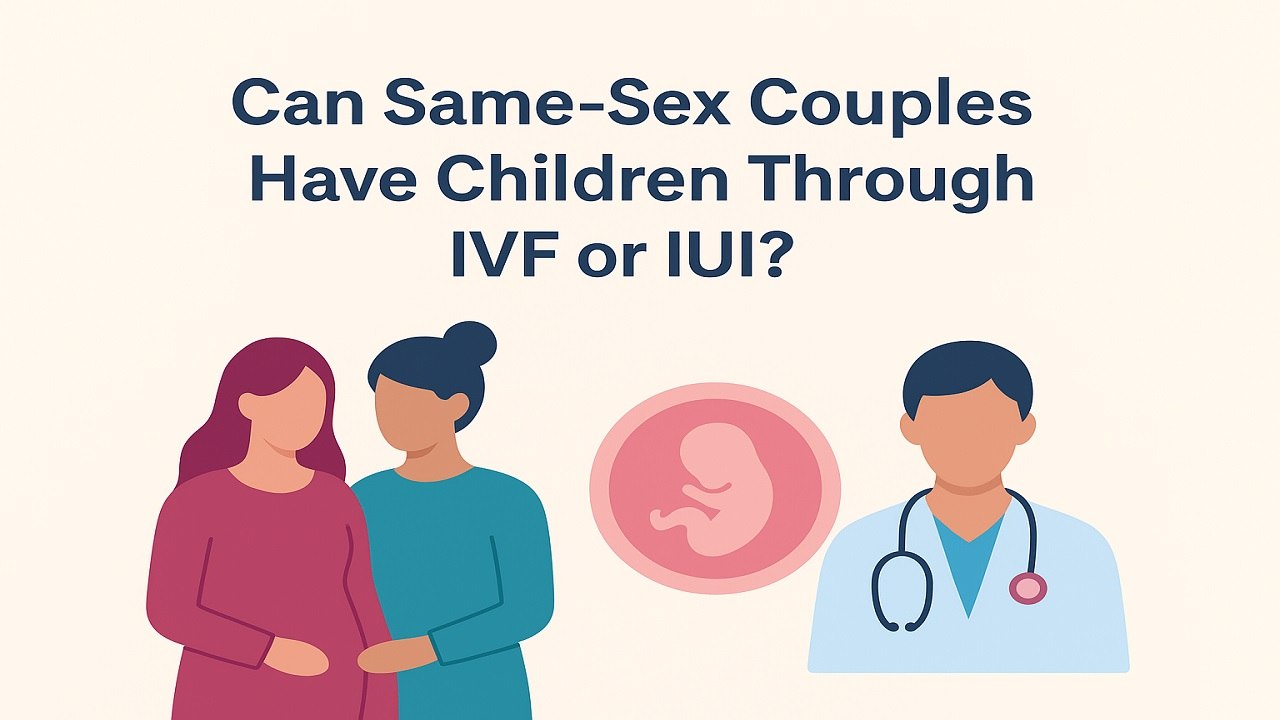
In the evolving tapestry of modern parenthood, the question, “Can same-sex couples have children through IVF or IUI?” resonates deeply with many. For lesbian couples, the journey often begins with intrauterine insemination (IUI) or in vitro fertilization (IVF) using donor sperm. IVF, in particular, offers the possibility of reciprocal arrangements, allowing both partners to share in the biological connection to their child. For gay male couples, the path typically involves IVF with donor eggs and a gestational carrier. These advancements in assisted reproductive technology (ART) have made parenthood more accessible, yet challenges remain, especially concerning legal recognition and insurance coverage.
Assisted reproductive technologies provide various avenues for same-sex couples to build their families:

Fertility clinics are increasingly supporting these options, which are becoming more commonplace as societal acceptance grows.
While medical advancements have made ART more accessible, legal challenges persist. In some regions, same-sex couples face hurdles in gaining legal recognition as parents. For instance, in Italy, a recent court ruling granted parental rights to same-sex couples who underwent IVF abroad, acknowledging both partners as legal parents. However, such recognition is not universal, and couples may need to navigate complex legal landscapes to ensure both parents are acknowledged.
Additionally, insurance coverage for ART varies widely. In some areas, same-sex couples may encounter discrimination or limited coverage options, making the financial aspect of family-building more challenging.
Studies indicate that same-sex couples often experience success rates in ART comparable to heterosexual couples. For example, a study examining birth outcomes following assisted reproductive technology found that same-sex lesbian couples had favourable or similar birth outcomes compared to heterosexual couples who conceived naturally or through ART. This suggests that factors unrelated to sexual orientation, such as age and health, play a more significant role in ART success.
The landscape of family-building for same-sex couples is evolving. As societal attitudes continue to shift and legal frameworks adapt, access to ART is expected to improve. Advocacy for fertility equality is gaining momentum, with more states considering legislation to require insurers to cover fertility treatments for same-sex couples.
Moreover, advancements in reproductive technology may offer new possibilities. For instance, the development of artificial gametes could one day allow same-sex male couples to have a biological child without the need for donor eggs. While still in the research phase, such innovations hold promise for the future.
In conclusion, indeed, same-sex couples have children through IVF, IUI and In vitro gametogenesis (IVG). While challenges remain, particularly concerning legal recognition and insurance coverage, the progress made in assisted reproductive technology offers hope and opportunity. As society continues to evolve, the dream of parenthood is becoming increasingly attainable for all couples, regardless of sexual orientation.



Immunotherapy in restoring human fertility is emerging as a promising approach for addressing immune-related reproductive disorders. Recent clinical advances highlight its potential to improve implantation, pregnancy outcomes, and reproductive health, offering renewed hope for patients facing infertility linked to immune system dysfunction.

The smart fertility tracker market has transformed male fertility diagnostics, but how reliable are these devices? This report examines what at-home sperm tests actually measure, where they fall short compared to clinical analysis, and how men and couples can use them appropriately within a broader reproductive care pathway.

The distinct assisted reproductive technologies of Intrauterine Insemination (IUI), In Vitro Fertilization (IVF), and Intracytoplasmic Sperm Injection (ICSI). It outlines how each procedure works, the medical indications for their use, and their respective success rates. The importance of choosing the right treatment based on factors such as patient age, infertility diagnosis, and personal circumstances.

Assisted Reproductive Technology (ART), a groundbreaking medical field that provides solutions for individuals and couples facing fertility challenges. It defines ART, explains its core techniques such as In Vitro Fertilization (IVF) and Intracytoplasmic Sperm Injection (ICSI), and discusses clinical applications and success rates.

Common questions about pregnancy with polycystic ovary syndrome (PCOS) through IVF and IUI. It discusses PCOS-related infertility, success rates, treatment options, and the importance of personalised protocols. Emphasising holistic care and emotional support, it offers hope and insights for women navigating the challenges of PCOS.

The potential of stem cells to improve ovarian reserve and egg quality, focusing on their application in women with diminished fertility. It discusses how mesenchymal stem cells and other stem cell therapies can rejuvenate ovarian function by enhancing the ovarian environment, promoting tissue repair, and stimulating follicle growth. While the therapy shows promise, the article emphasizes the need for more extensive studies to understand its efficacy and safety.
Clinical pearls for treating infertility and low testosterone in men, emphasizing reproductive goal assessment, empiric medical therapies, and comprehensive multidisciplinary management strategies.