Home
 ArticlesArticles
Regular exercise can significantly improve IVF outcomes by addressing obesity-related fertility challenges. Evidence shows physically active women have nearly double the odds of clinical pregnancy and live birth compared to sedentary counterparts, through improved hormonal balance, enhanced ovarian response, and better embryo quality.




For women navigating the emotional and physical journey of in vitro fertilization, the search for modifiable factors that can enhance success is unending. Among these, regular physical activity stands out as a low-cost, accessible intervention. Emerging evidence suggests that the Impact of Exercise on IVF extends far beyond general health benefits, influencing the intricate processes of ovarian stimulation, embryo development, and implantation.
Obesity imposes multiple challenges in assisted reproduction, including altered hormonal profiles, poor ovarian responsiveness, and compromised embryo quality. Studies show that increased body mass index correlates with lower fertilization rates and higher miscarriage risks. Yet, when obese women engage in regular exercise, reproductive performance improves significantly. In one observational cohort of 216 obese infertile women, those who exercised regularly experienced a threefold increase in clinical pregnancy and live birth rates compared to inactive counterparts.

Adipose tissue functions as an endocrine organ, producing estrogen and inflammatory cytokines that disrupt the hypothalamic–pituitary–ovarian axis. Exercise helps regulate these pathways:
These hormonal effects illustrate a clear Impact of Exercise on IVF, rooting a clinical rationale for incorporating exercise into pre-treatment counselling.
Poor responders often require higher gonadotrophin doses to achieve adequate follicular development, a phenomenon more pronounced in overweight women. Exercise before controlled ovarian stimulation can:
A systematic review and meta-analysis found that active women had nearly double the odds of achieving clinical pregnancy (OR 1.96) and live birth (OR 1.95) compared to inactive peers, with a positive but non-significant trend in implantation rates (OR 1.95).
 Odds ratios for IVF outcomes in physically active versus inactive women
While enhanced embryo quality is pivotal, successful implantation depends on endometrial receptivity a process influenced by mechanical and biochemical factors. Moderate exercise:
However, high-intensity training during ovarian stimulation or post-embryo transfer may be counterproductive. Most guidelines advise limiting exercise to moderate activities such as brisk walking or prenatal yoga during sensitive IVF phases to optimise the Impact of Exercise on IVF without added stress.
Beyond physiological effects, exercise offers psychosocial support:
This holistic approach underscores why centres increasingly recommend customised exercise plans as part of multidisciplinary fertility care.
Cutting-edge research explores wearable technology to monitor physical activity patterns and sedentary behaviour, correlating real-time data with ovarian stimulation outcomes. Interventional trials are under way to define optimal exercise “doses” for different BMI categories, ages, and infertility aetiologies. Personalised exercise prescriptions integrating intensity, frequency, and modality promise to refine our understanding of the Impact of Exercise on IVF and unlock further gains in live birth rates.
Regular physical activity stands as a powerful adjunct in IVF protocols, offering both traditional clinical benefits and forward-thinking research avenues. By mitigating obesity-related hormonal disruptions, enhancing ovarian and embryonic health, and fostering psychosocial well-being, exercise can significantly bolster IVF success. As evidence continues to mature, integrating personalised exercise regimens into standard fertility care will be critical to maximising the Impact of Exercise on IVF and empowering women to achieve their parenthood goals.



Advanced female age causes fertility decline through reduced egg quantity, increased chromosomal abnormalities, and mitochondrial dysfunction. Understanding these biological mechanisms helps women make informed family planning decisions. Modern fertility treatments including IVF, preimplantation genetic testing, and egg freezing offer practical solutions to overcome age-related reproductive challenges when trying to conceive.
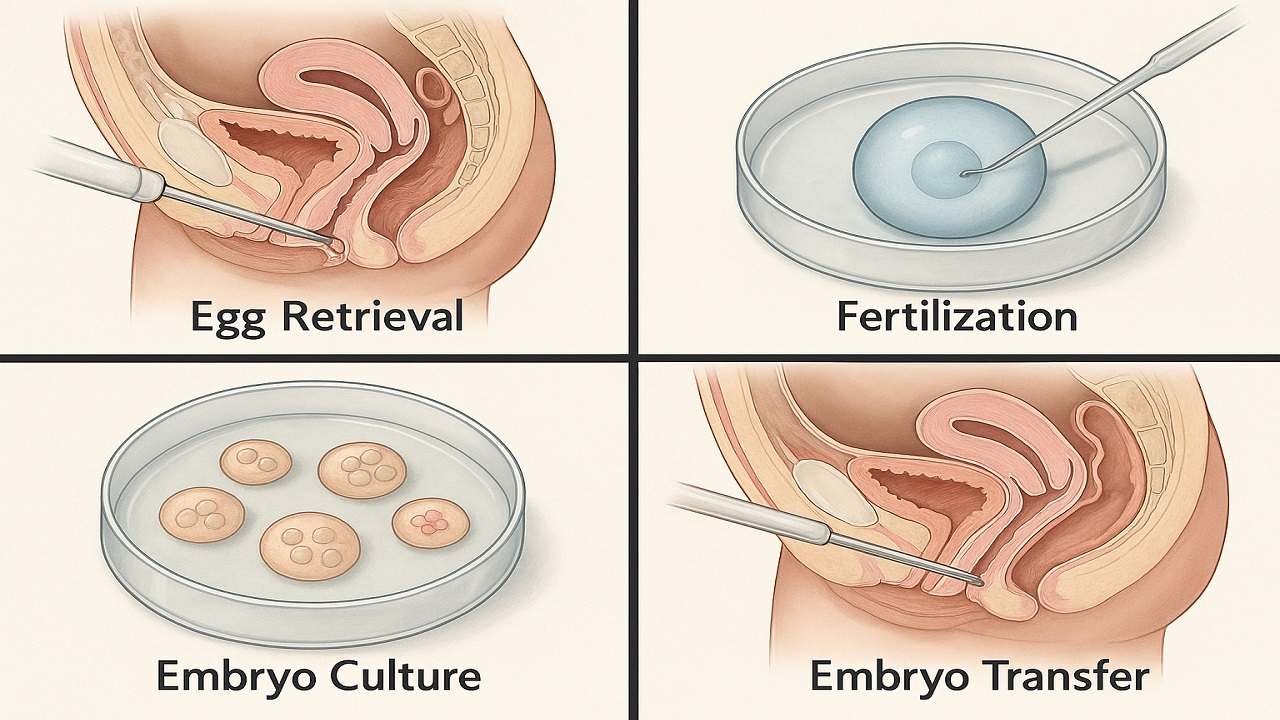
In Vitro Fertilization (IVF) process step by step, emphasising the importance of various stages such as ovarian stimulation, egg retrieval, fertilization, and embryo transfer in maximising the In Vitro Fertilization (IVF) Success Rate. It highlights how a thorough understanding of the procedure can prepare couples and individuals for their In Vitro Fertilization(IVF) journey, ultimately improving their chances of achieving a successful pregnancy.

Vitamin D Deficiency Affect IVF outcomes by influencing endometrial receptivity, embryo quality, and hormone balance. Clinical evidence, age-specific risks, and PCOS implications, while offering actionable strategies to optimize Vitamin D levels and improve IVF success rates and pregnancy outcomes in a structured, patient-focused approach.
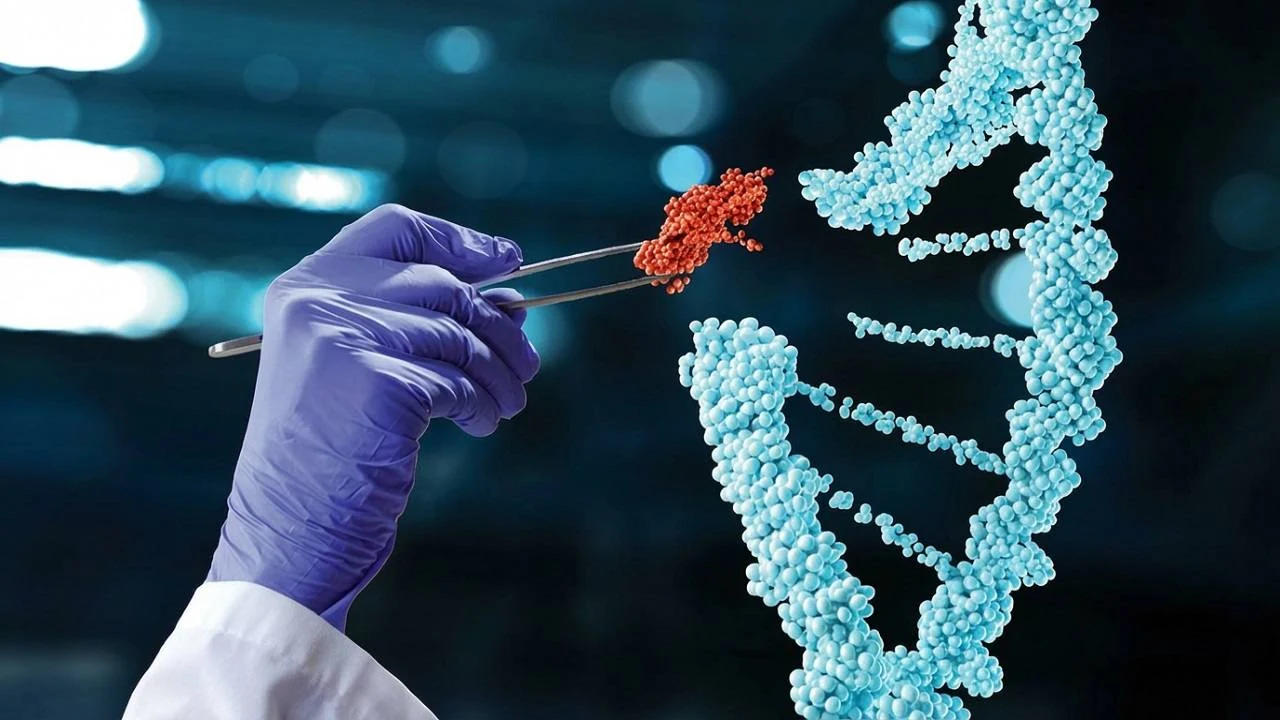
Preimplantation Genetic Testing (PGT) revolutionizes IVF by screening embryos for chromosomal abnormalities and genetic disorders before transfer. This advanced technology increases pregnancy success rates, reduces miscarriage risk, prevents inherited diseases, and shortens time to pregnancy while providing diagnostic clarity and reducing emotional stress for couples.

Clinical evidence increasingly demonstrates that emotional stress or grief reduces the chances of IVF success through sophisticated biochemical pathways that directly influence reproductive physiology. This relationship extends far beyond simple correlations, revealing profound mechanistic connections between psychological distress and the delicate orchestration of hormonal events essential for successful conception.
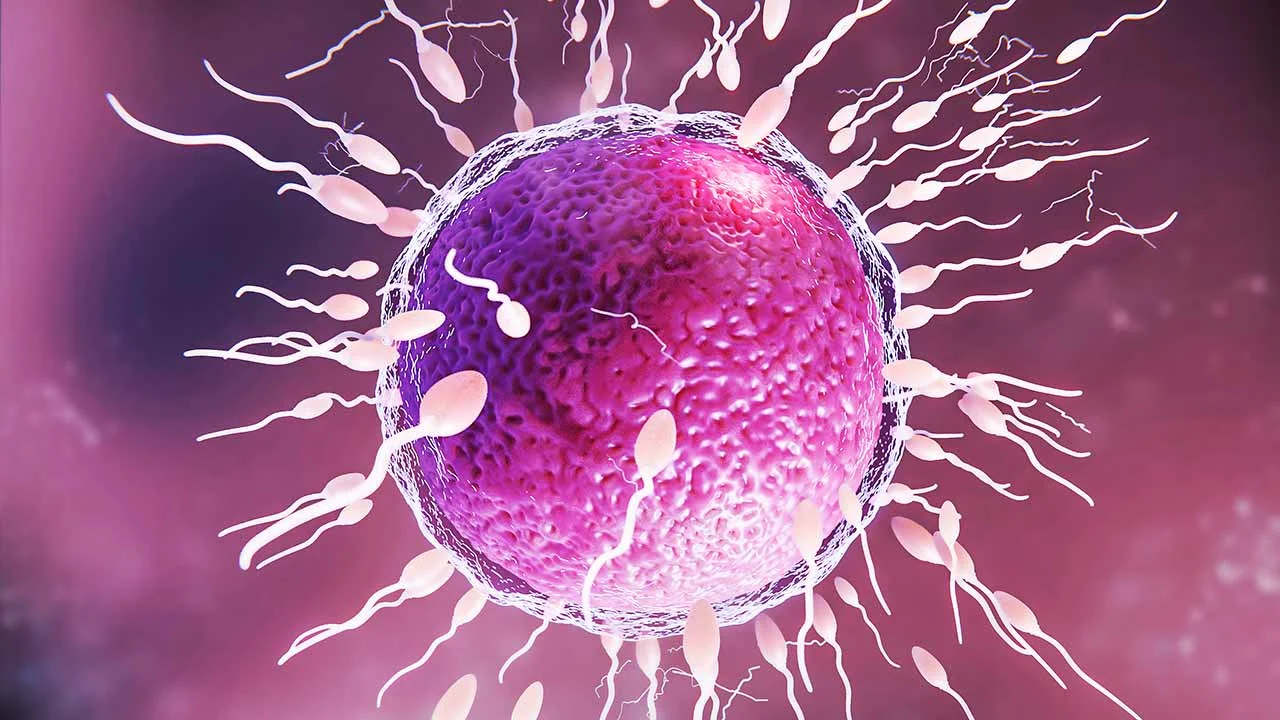
IVF in 2025 is shifting from hype to evidence-based innovation. As precision, automation, AI, and genetic advances reshape fertility care, patients must distinguish proven breakthroughs from outdated add-ons. This guide examines five groundbreaking IVF technologies in 2025 to understand which advances genuinely improve outcomes

Managing Recurrent Implantation Failure (RIF) outlines evidence-based diagnostics and treatment pathways to improve IVF success rates, emphasizing clarity, cautious use of add-ons, and realistic patient expectations.