Home
 ArticlesArticles
The influence of male metabolic disorders on IVF success. Highlighting conditions such as obesity and diabetes, it discusses how these disorders affect sperm quality, hormonal balance, and epigenetic transmission. The need for holistic approaches in addressing male health and integrating this knowledge into fertility treatments is emphasised.



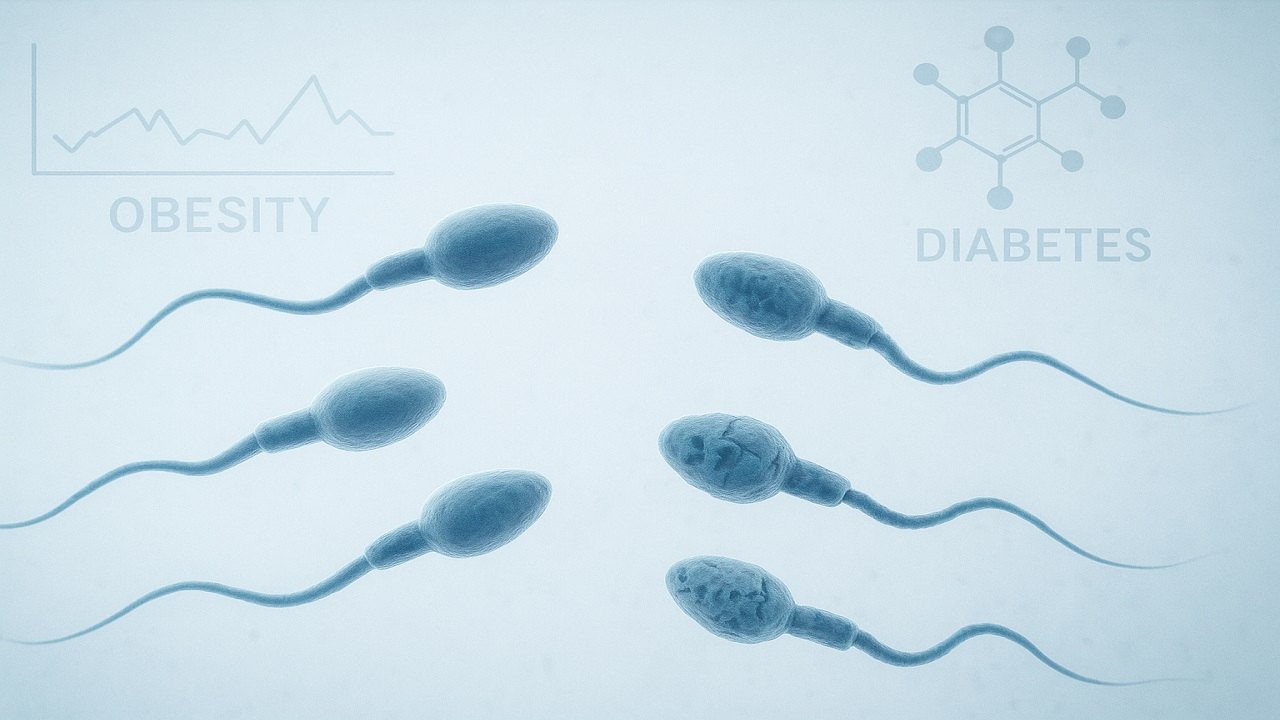
In the rapidly evolving field of assisted reproductive technology (ART), the conversation often centres on women, their age, ovarian reserve, and lifestyle. Yet, there is a quieter but equally critical dimension: the influence of male health on in vitro fertilization (IVF) success. Among the various factors, metabolic disorders in men, including obesity, diabetes, and metabolic syndrome, are increasingly recognised as decisive variables that shape outcomes.
The male contribution to infertility extends beyond sperm count. It encompasses sperm DNA integrity, hormonal balance, and the epigenetic signals carried into conception. This article explores the impact of male metabolic disorders on IVF success, drawing from both clinical research and forward-looking scientific inquiry.
Metabolic disorders refer to a cluster of conditions that disrupt normal biochemical processes in the body, often tied to obesity, insulin resistance, dyslipidemia, and hypertension. In men, these disorders frequently manifest as:

Such disruptions create a cascade of challenges. Even when IVF bypasses natural barriers to fertilization, the hidden quality of sperm still dictates embryo development, implantation, and ultimately, live birth rates.
Obesity is perhaps the most prevalent metabolic disorder, and its relationship with male fertility is multi-layered. Research consistently shows that obese men experience reduced testosterone levels, higher estrogen, and impaired spermatogenesis. These hormonal shifts not only affect libido and sexual function but also diminish the quality of sperm delivered during IVF cycles.
Furthermore, obesity contributes to systemic inflammation. The testes, highly sensitive to oxidative stress, experience microvascular damage, which compromises the DNA carried by sperm. Embryologists note that such DNA fragmentation is strongly correlated with poorer embryo quality and reduced implantation success, even when advanced IVF techniques like intracytoplasmic sperm injection (ICSI) are employed.
Diabetes and prediabetes, central features of metabolic syndrome, are equally detrimental. Elevated glucose and insulin levels disrupt mitochondrial function in sperm, impairing motility. Hyperglycemia also increases the production of advanced glycation end products (AGEs), which induce DNA damage and epigenetic alterations.
Studies published in Human Reproduction highlight that sperm from men with poorly controlled diabetes show higher rates of chromosomal abnormalities. When such sperm are used in IVF, the risks of early miscarriage, implantation failure, and congenital anomalies increase.
One of the most profound realisations in reproductive science is that metabolic disorders in men can alter the sperm epigenome. Epigenetics refers to chemical modifications that regulate gene expression without changing the DNA sequence itself.
Obese and diabetic men often display abnormal DNA methylation patterns in sperm, particularly in regions linked to embryonic growth and metabolic regulation. This means that metabolic imbalances are not just personal health issues they can be passed to the next generation, influencing fetal development and long-term child health. IVF, while powerful, cannot entirely erase this inherited imprint.
The story is not purely biological. Men with metabolic disorders often face psychosocial challenges, including stress, depression, and body-image concerns. Such factors indirectly affect IVF outcomes by reducing treatment adherence, straining partner relationships, and fuelling unhealthy lifestyle habits that perpetuate the cycle of metabolic dysfunction.
Addressing these issues holistically through counselling, stress management, and couple-based interventions has been shown to improve not only metabolic health but also IVF success rates.
The recognition that metabolic disorders in men impact IVF outcomes has prompted clinics worldwide to integrate male-focused health assessments into fertility programs. Traditional advice on weight reduction, exercise, and dietary modification remains foundational. Even modest weight loss can improve testosterone levels and restore sperm function.
At the clinical frontier, several promising strategies are emerging:

These approaches underscore the necessity of shifting fertility care from a woman-centered model to one that fully incorporates male health.
The prevailing perception that infertility is “a woman’s issue” is steadily dissolving. With increasing evidence, it is undeniable that metabolic disorders in men have a measurable and lasting impact on IVF outcomes. For couples investing emotionally, financially, and physically in assisted reproduction, overlooking the male partner’s health is a disservice.
Future fertility care will likely involve preconception metabolic screening for men, lifestyle interventions integrated into IVF protocols, and personalised medicine approaches that account for genetic and epigenetic vulnerabilities. By embracing this broader framework, the chances of achieving healthy pregnancies and healthier children will be significantly improved.
The science is clear, the impact of male metabolic disorders on IVF success outcomes at multiple levels, from sperm quality and hormonal balance to embryo viability and intergenerational health. The burden of fertility treatment must therefore be shared equally, recognising that male metabolic wellness is not optional but central to reproductive success.
In acknowledging this truth, the field of reproductive medicine takes a step closer to equity, science-driven care, and a future where both partners stand on equal ground in the journey toward parenthood.



Advanced female age causes fertility decline through reduced egg quantity, increased chromosomal abnormalities, and mitochondrial dysfunction. Understanding these biological mechanisms helps women make informed family planning decisions. Modern fertility treatments including IVF, preimplantation genetic testing, and egg freezing offer practical solutions to overcome age-related reproductive challenges when trying to conceive.
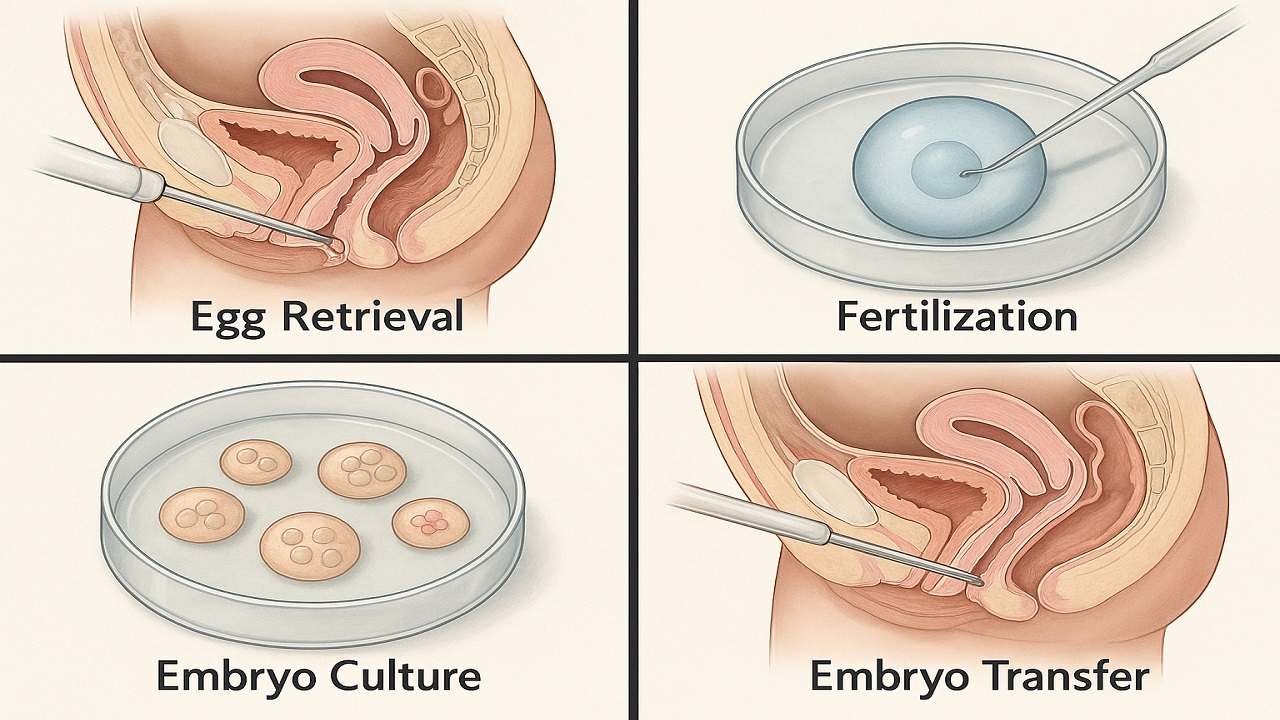
In Vitro Fertilization (IVF) process step by step, emphasising the importance of various stages such as ovarian stimulation, egg retrieval, fertilization, and embryo transfer in maximising the In Vitro Fertilization (IVF) Success Rate. It highlights how a thorough understanding of the procedure can prepare couples and individuals for their In Vitro Fertilization(IVF) journey, ultimately improving their chances of achieving a successful pregnancy.

Vitamin D Deficiency Affect IVF outcomes by influencing endometrial receptivity, embryo quality, and hormone balance. Clinical evidence, age-specific risks, and PCOS implications, while offering actionable strategies to optimize Vitamin D levels and improve IVF success rates and pregnancy outcomes in a structured, patient-focused approach.
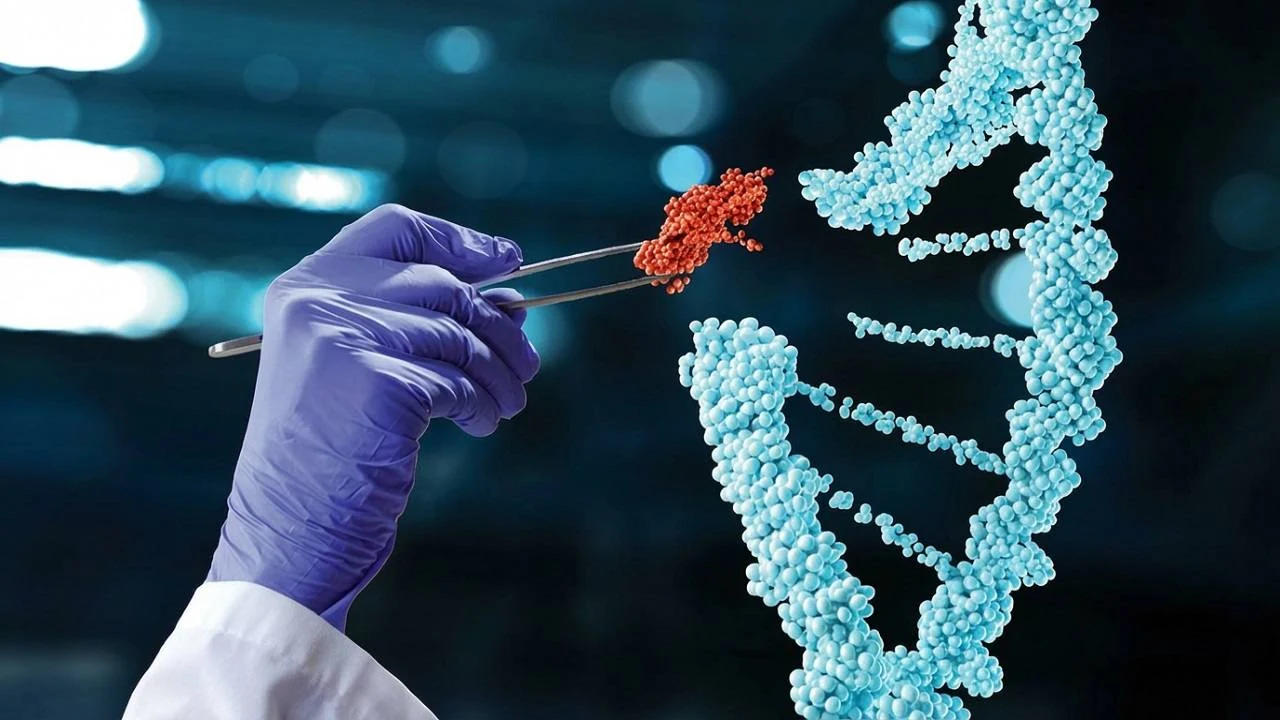
Preimplantation Genetic Testing (PGT) revolutionizes IVF by screening embryos for chromosomal abnormalities and genetic disorders before transfer. This advanced technology increases pregnancy success rates, reduces miscarriage risk, prevents inherited diseases, and shortens time to pregnancy while providing diagnostic clarity and reducing emotional stress for couples.

Clinical evidence increasingly demonstrates that emotional stress or grief reduces the chances of IVF success through sophisticated biochemical pathways that directly influence reproductive physiology. This relationship extends far beyond simple correlations, revealing profound mechanistic connections between psychological distress and the delicate orchestration of hormonal events essential for successful conception.
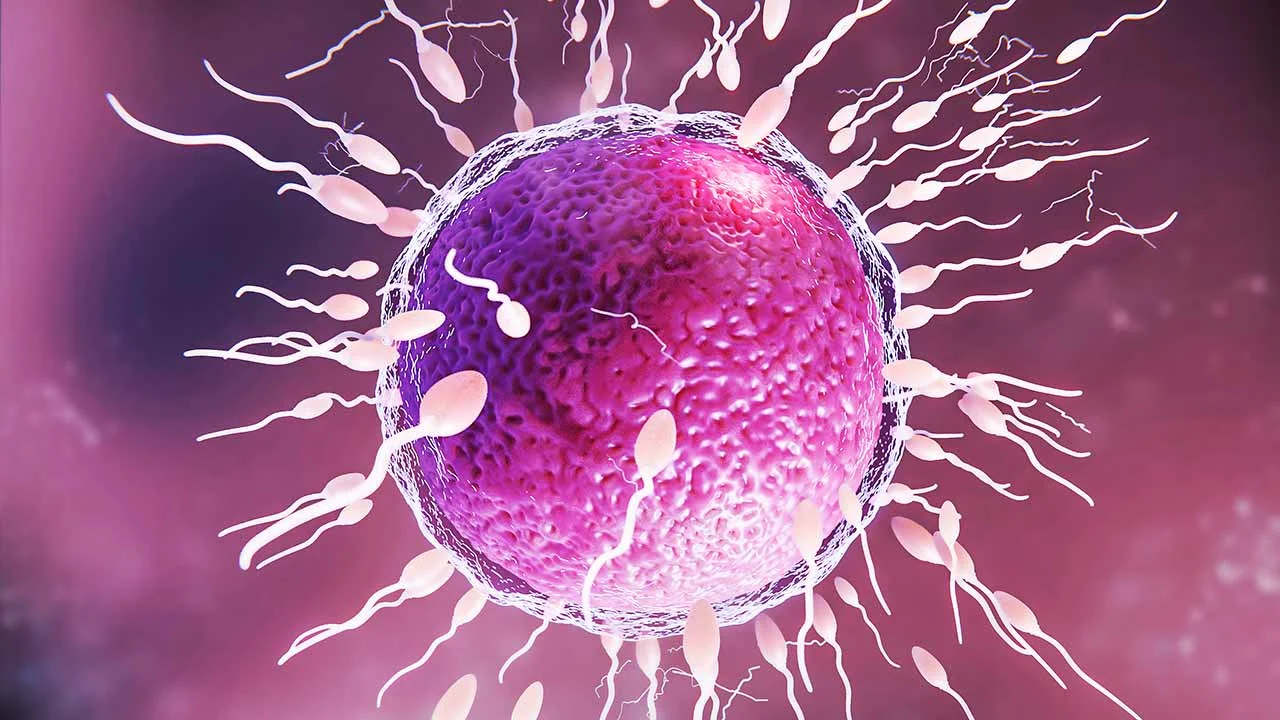
IVF in 2025 is shifting from hype to evidence-based innovation. As precision, automation, AI, and genetic advances reshape fertility care, patients must distinguish proven breakthroughs from outdated add-ons. This guide examines five groundbreaking IVF technologies in 2025 to understand which advances genuinely improve outcomes

Managing Recurrent Implantation Failure (RIF) outlines evidence-based diagnostics and treatment pathways to improve IVF success rates, emphasizing clarity, cautious use of add-ons, and realistic patient expectations.