Home
 ArticlesArticles
The mental health of men undergoing IVF impacts the process, highlighting emotional stress, clinical evidence, and strategies to overcome challenges for better reproductive outcomes.




Infertility is often described in clinical terms hormonal profiles, ovarian response, and embryo quality. Yet behind the numbers lies a far more complex reality: the emotional resilience of those undergoing treatment. For men, this side of the story is too often overlooked. While much attention is paid to the physical journey of women during assisted reproduction, the psychological weight men carry can be just as consequential. The question of whether the mental health of men undergoing IVF can impact the process demands serious examination.
Emerging research suggests that male psychological wellbeing is not merely peripheral but central to the success of assisted reproduction. Stress, anxiety, and depression do not remain confined to the mind; they ripple into lifestyle choices, relationship dynamics, sperm quality, and ultimately, treatment outcomes. To truly understand the success or failure of IVF, we must place men’s mental health squarely at the heart of the conversation.
Unlike women, who undergo the bulk of physical procedures, men often occupy a supporting role during IVF cycles. This dynamic can create a paradox: while less visibly involved, they experience profound emotional turmoil, yet their struggles are rarely voiced.
A study in Human Reproduction found that nearly 50% of men undergoing infertility treatment experienced clinically significant stress. This stress was linked to reduced self-esteem, strained intimacy, and difficulty maintaining a stable support system. Societal expectations around masculinity compound this silence, discouraging men from expressing vulnerability.
The pressure is twofold: they must provide both biological contribution and emotional stability for their partners, often while wrestling with feelings of inadequacy or guilt. Left unchecked, such psychological strain can manifest as depression, substance reliance, or relationship breakdown, all of which directly affect the IVF process.

The clinical link between mental health and reproductive outcomes is increasingly clear. Research indicates that high stress and anxiety levels in men are associated with:
A meta-analysis in Fertility and Sterility (2020) highlighted that men with untreated depression were significantly more likely to present with abnormal semen parameters. This underscores the fact that the mind-body connection in reproduction is far from abstract, it is measurable, clinical, and consequential.
The emotional impact of infertility reaches beyond individual men into the very fabric of relationships. Studies from European fertility clinics have shown that male distress often correlates with increased marital discord. In couples, this tension can diminish intimacy precisely when it is most required.
Moreover, when the male partner feels excluded from medical consultations, a common occurrence, his sense of helplessness intensifies. This disengagement can inadvertently undermine the cohesion of the couple’s journey. Thus, the mental health of men undergoing IVF impacts the process not only through biology but also by shaping the emotional environment in which treatment unfolds.
Addressing male mental health during IVF requires a structured, empathetic approach that integrates both medical and psychosocial care. Several strategies have proven effective:
These approaches not only enhance emotional wellbeing but also improve clinical adherence and treatment success.
Historically, IVF has been viewed through a woman-centric lens, given the physical demands placed upon her body. However, as modern reproductive medicine develops, it becomes increasingly evident that a holistic approach that values both partners' mental and physical health is crucial.
Emerging programs in Scandinavian countries now integrate “couple-centred fertility care”, where men are routinely included in counselling and lifestyle coaching. Early evidence shows higher treatment adherence, reduced emotional burnout, and stronger marital stability. This represents the next frontier: IVF not as a medical intervention for women, but as a joint journey for couples.
The answer to the central question can the mental health of men undergoing IVF impact the process? is unequivocal, yes. Emotional distress in men influences not only their own biological contribution but also the couple’s relational strength and treatment adherence.
By acknowledging and addressing these challenges, fertility care can move beyond the narrow focus on eggs and embryos and embrace the broader truth: reproduction is as much about emotional resilience as it is about medical science. For men, silence has too long been mistaken for strength. It is time to replace silence with support and isolation with inclusion. Only then can IVF truly become a process where both partners find hope, healing, and possibility.


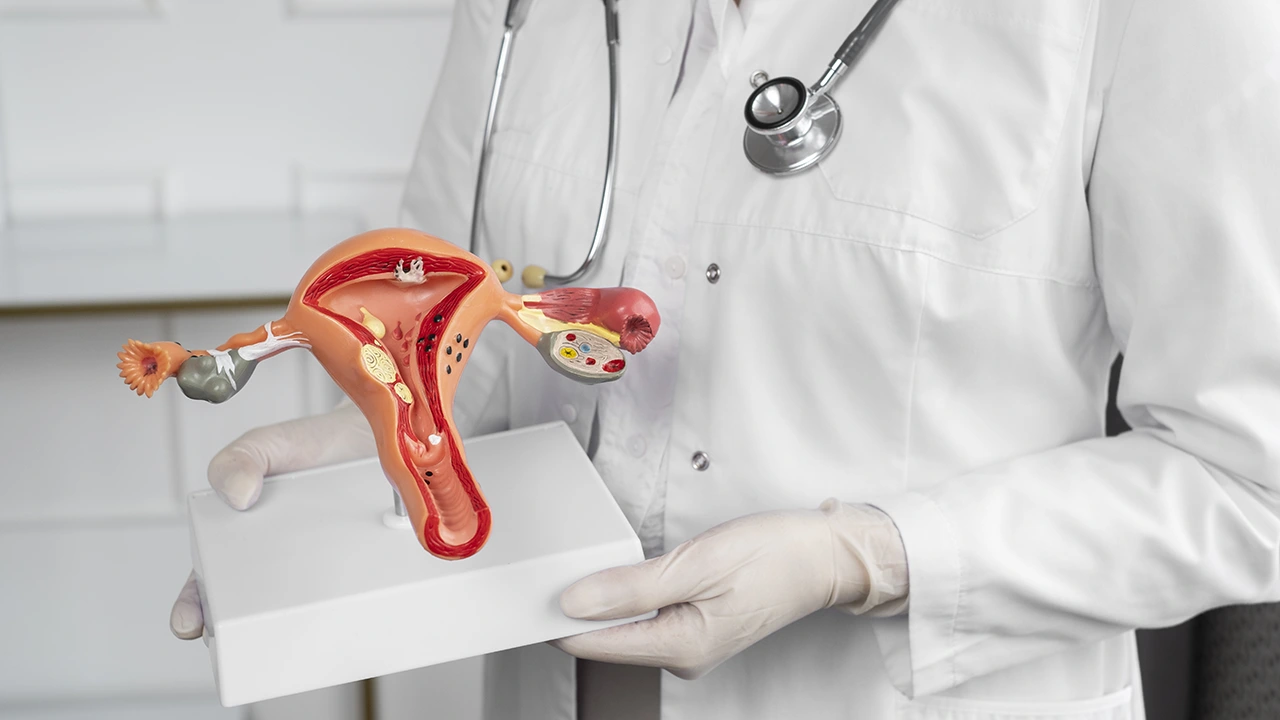
Womb transplantation is giving women with absolute uterine factor infertility the chance to carry and deliver their own child. This article explains how the process works from donor to delivery, who may be suitable, the risks involved and what recent births from living and deceased donors mean for patients.

Advanced female age causes fertility decline through reduced egg quantity, increased chromosomal abnormalities, and mitochondrial dysfunction. Understanding these biological mechanisms helps women make informed family planning decisions. Modern fertility treatments including IVF, preimplantation genetic testing, and egg freezing offer practical solutions to overcome age-related reproductive challenges when trying to conceive.
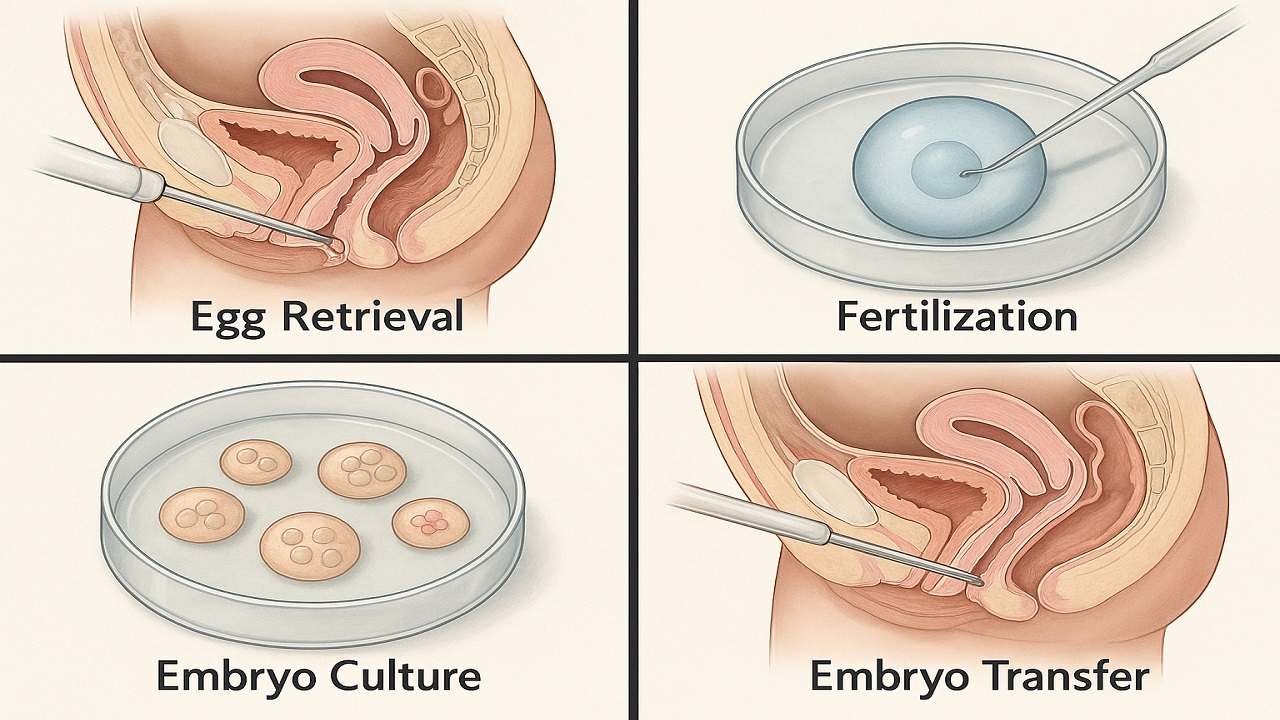
In Vitro Fertilization (IVF) process step by step, emphasising the importance of various stages such as ovarian stimulation, egg retrieval, fertilization, and embryo transfer in maximising the In Vitro Fertilization (IVF) Success Rate. It highlights how a thorough understanding of the procedure can prepare couples and individuals for their In Vitro Fertilization(IVF) journey, ultimately improving their chances of achieving a successful pregnancy.

Vitamin D Deficiency Affect IVF outcomes by influencing endometrial receptivity, embryo quality, and hormone balance. Clinical evidence, age-specific risks, and PCOS implications, while offering actionable strategies to optimize Vitamin D levels and improve IVF success rates and pregnancy outcomes in a structured, patient-focused approach.
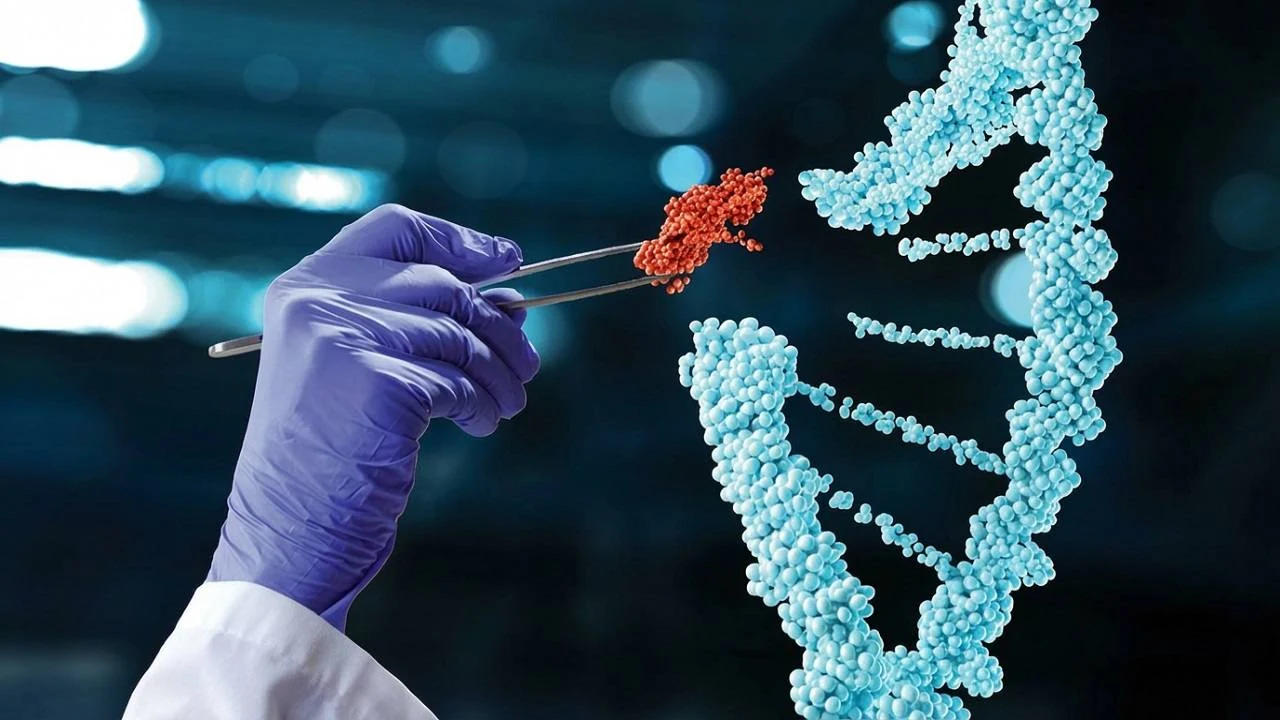
Preimplantation Genetic Testing (PGT) revolutionizes IVF by screening embryos for chromosomal abnormalities and genetic disorders before transfer. This advanced technology increases pregnancy success rates, reduces miscarriage risk, prevents inherited diseases, and shortens time to pregnancy while providing diagnostic clarity and reducing emotional stress for couples.

Clinical evidence increasingly demonstrates that emotional stress or grief reduces the chances of IVF success through sophisticated biochemical pathways that directly influence reproductive physiology. This relationship extends far beyond simple correlations, revealing profound mechanistic connections between psychological distress and the delicate orchestration of hormonal events essential for successful conception.
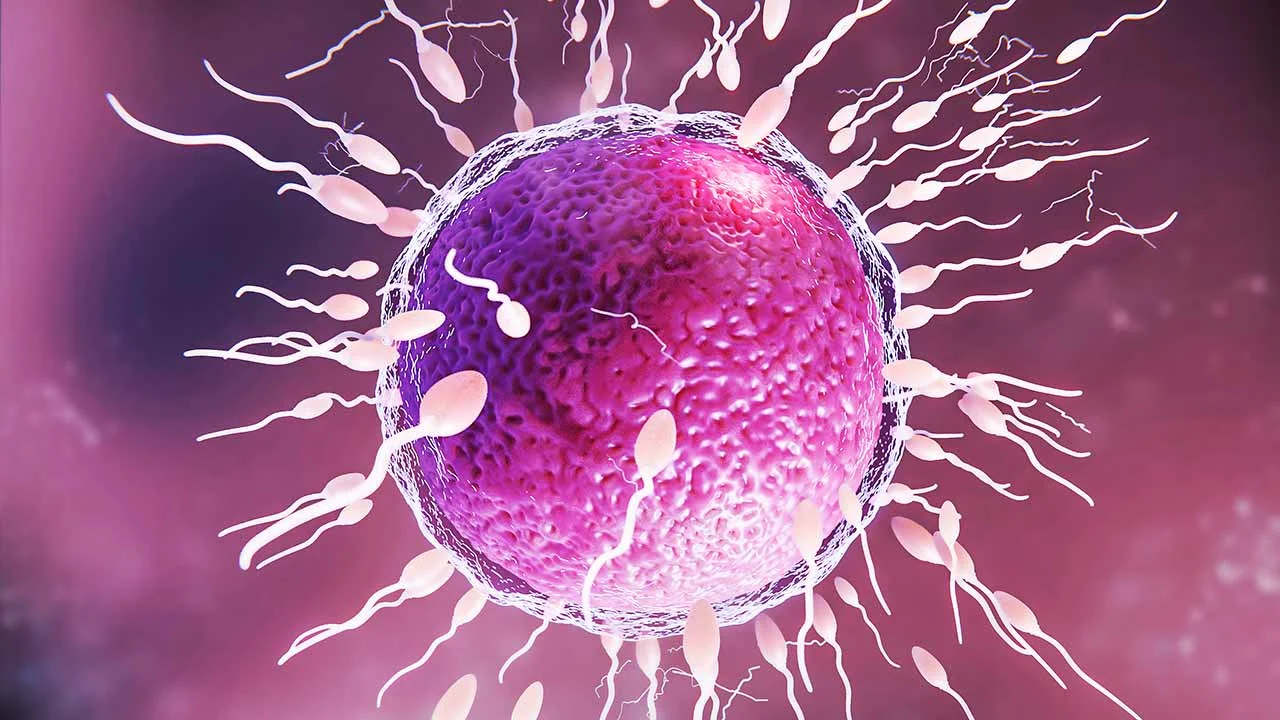
IVF in 2025 is shifting from hype to evidence-based innovation. As precision, automation, AI, and genetic advances reshape fertility care, patients must distinguish proven breakthroughs from outdated add-ons. This guide examines five groundbreaking IVF technologies in 2025 to understand which advances genuinely improve outcomes