Home
 ArticlesArticles
The intersection of psychological well-being and reproductive success has never been more evident than in the context of assisted reproductive technology. As fertility treatments become increasingly sophisticated, the recognition that couples counselling before IVF can improve emotional readiness and outcomes has transformed the landscape of comprehensive fertility care.




The concept of emotional readiness for IVF encompasses multiple psychological dimensions that directly influence treatment outcomes. Research demonstrates that couples counselling before IVF can improve emotional readiness and outcomes by addressing core emotional competencies essential for navigating the complex fertility journey. These competencies include stress management capabilities, realistic expectation setting, communication effectiveness, and resilience building.
Key components of emotional readiness include:
Studies examining pre-treatment psychological states reveal that over 55% of women entering IVF demonstrate clinically significant anxiety levels, while more than one-quarter exhibit depression symptoms, placing them at risk for treatment complications. This baseline emotional distress creates a cascade of physiological responses that can directly impair reproductive function through stress hormone elevation and immune system dysregulation.
The mechanisms through which couples counselling can improve emotional readiness and outcomes before IVF extend beyond simple stress reduction to encompass complex neurobiological pathways. Secure attachment styles and high-quality relationships activate parasympathetic nervous system responses that optimise reproductive hormone production and endometrial receptivity.
Research demonstrates that attachment avoidance significantly decreases the probability of IVF success, with multivariable logistic regression analysis revealing this as the strongest predictor of treatment failure among psychological variables. Conversely, couples demonstrating secure attachment patterns and high relationship dependence characterised by emotional openness and mutual support achieve substantially higher pregnancy rates.
The physiological benefits of relationship security include:
Systematic reviews and meta-analyses provide compelling evidence that couples counselling before IVF can improve emotional readiness and outcomes across multiple outcome measures. A comprehensive meta-analysis of nine randomly controlled trials involving 1,079 infertile couples demonstrated statistically significant improvements in pregnancy rates among those receiving counselling interventions.
The statistical findings reveal:
These outcomes are particularly remarkable given the rigorous methodological standards applied, with studies demonstrating low heterogeneity (I²=0%) and consistent effect sizes across different counselling modalities and treatment protocols.
Research investigating how couples counselling before IVF has identified several therapeutic modalities with proven efficacy. Emotionally Focused Therapy (EFT) for couples emerges as particularly effective, demonstrating significant improvements in marital adjustment, quality of life, and treatment adherence.
EFT outcomes include:
Cognitive behavioural approaches have also demonstrated substantial effectiveness, particularly in addressing catastrophic thinking patterns and developing adaptive coping strategies. These interventions focus on identifying and modifying maladaptive thought processes that amplify treatment-related stress and interfere with emotional regulation.

Impact of Couples Counseling on Emotional Readiness and IVF Success Outcomes
The evidence supporting couples counselling before IVF extends to treatment adherence and medical compliance. Couples with strong relationships demonstrate significantly higher rates of treatment completion, medication compliance, and appointment attendance compared to those experiencing relationship distress.
Treatment adherence benefits include:
These adherence improvements directly translate to enhanced treatment outcomes, as even minor deviations from IVF protocols can significantly impact success rates. The emotional stability and mutual support fostered through counselling create an environment where couples feel more capable of managing the demanding requirements of fertility treatment.
Effective communication skills developed through counselling interventions significantly impact treatment decisions and outcome satisfaction. Research demonstrates that couples counselling before IVF enhances couples' ability to navigate complex treatment decisions collaboratively and supportively.
Communication improvements include:
These enhanced communication patterns create a foundation for resilience that extends beyond the immediate treatment period, benefiting couples regardless of treatment outcomes.
Clinical research reveals that couples counselling before IVF addresses attachment insecurities that interfere with treatment success. Attachment theory provides a framework for understanding how early relationship experiences influence reproductive outcomes through their impact on stress regulation and support-seeking behaviours.
Attachment pattern correlations with IVF success include:
These findings highlight the importance of addressing attachment insecurities before treatment initiation, as securely attached individuals demonstrate superior stress regulation and more effective utilisation of social support systems during fertility treatment.
Therapeutic Interventions for Attachment Security
Counselling interventions designed to enhance attachment security focus on developing emotional regulation skills and improving capacity for intimate connection. Evidence demonstrates that couple counselling before IVF develops more secure relational patterns that support treatment success.
Attachment-focused interventions address:
These therapeutic gains create lasting improvements in relationship functioning that extend well beyond the fertility treatment period, contributing to overall relationship satisfaction and family well-being.
Research examining couples counselling before IVF indicates that early intervention produces the most significant benefits. Counselling initiated before treatment commencement allows couples to develop coping skills and relationship strengths prior to encountering treatment-related stressors.
Recommended counselling timeline:
This structured approach ensures that couples enter treatment with enhanced emotional resources and realistic expectations about the challenges they may encounter.
Effective pre-IVF counselling sessions incorporate multiple therapeutic elements designed to address the unique challenges of fertility treatment. Evidence supporting couples counselling before IVF emphasises the importance of comprehensive interventions addressing both individual and relational factors.
Session components typically include:
This multi-faceted approach ensures that couples develop comprehensive resources for managing the emotional demands of fertility treatment while maintaining relationship stability and mutual support.

The evidence that couples counselling before IVF extends to long-term relationship stability and family functioning. Research following couples 20 years after IVF treatment reveals that those who received counselling demonstrate superior relationship satisfaction and stability compared to those who did not receive psychological support.
Long-term benefits include:
These enduring benefits highlight the value of counselling investment not only for treatment success but for comprehensive family well-being across the lifespan.
The growing body of evidence demonstrating that couples counselling has significant implications for clinical practice standards and healthcare policy. Future research directions include investigating optimal counselling modalities for specific populations, developing cost-effective screening tools for couples at risk, and examining the integration of psychological services into standard fertility care protocols.
Emerging areas of investigation include:
The evidence overwhelmingly supports the integration of couples counselling into comprehensive fertility care as both an ethical imperative and evidence-based medical practice. As healthcare systems increasingly recognise the mind-body connection in reproductive medicine, the question is no longer whether psychological support should be offered, but rather how to implement these services most effectively and accessibly for all couples pursuing fertility treatment.
The compelling research evidence clearly establishes that couples counselling before IVF works through multiple interconnected mechanisms spanning psychological, relational, and physiological domains. From nearly doubling pregnancy success rates to enhancing long-term relationship stability, the benefits of pre-IVF counselling represent one of the most cost-effective and impactful interventions available in modern fertility medicine. As the field continues to evolve toward more holistic, patient-centred care models, the integration of psychological support services stands as an essential component of optimal fertility treatment protocols.



Womb transplantation is giving women with absolute uterine factor infertility the chance to carry and deliver their own child. This article explains how the process works from donor to delivery, who may be suitable, the risks involved and what recent births from living and deceased donors mean for patients.

Advanced female age causes fertility decline through reduced egg quantity, increased chromosomal abnormalities, and mitochondrial dysfunction. Understanding these biological mechanisms helps women make informed family planning decisions. Modern fertility treatments including IVF, preimplantation genetic testing, and egg freezing offer practical solutions to overcome age-related reproductive challenges when trying to conceive.
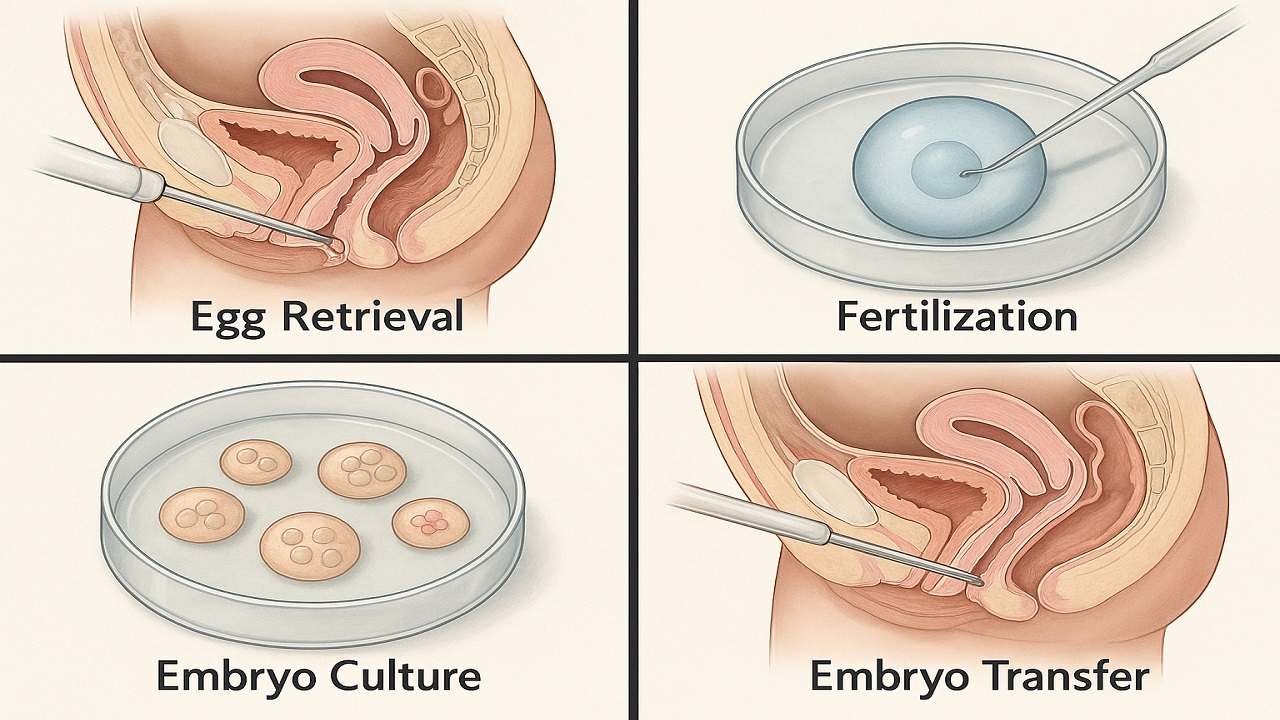
In Vitro Fertilization (IVF) process step by step, emphasising the importance of various stages such as ovarian stimulation, egg retrieval, fertilization, and embryo transfer in maximising the In Vitro Fertilization (IVF) Success Rate. It highlights how a thorough understanding of the procedure can prepare couples and individuals for their In Vitro Fertilization(IVF) journey, ultimately improving their chances of achieving a successful pregnancy.

Vitamin D Deficiency Affect IVF outcomes by influencing endometrial receptivity, embryo quality, and hormone balance. Clinical evidence, age-specific risks, and PCOS implications, while offering actionable strategies to optimize Vitamin D levels and improve IVF success rates and pregnancy outcomes in a structured, patient-focused approach.
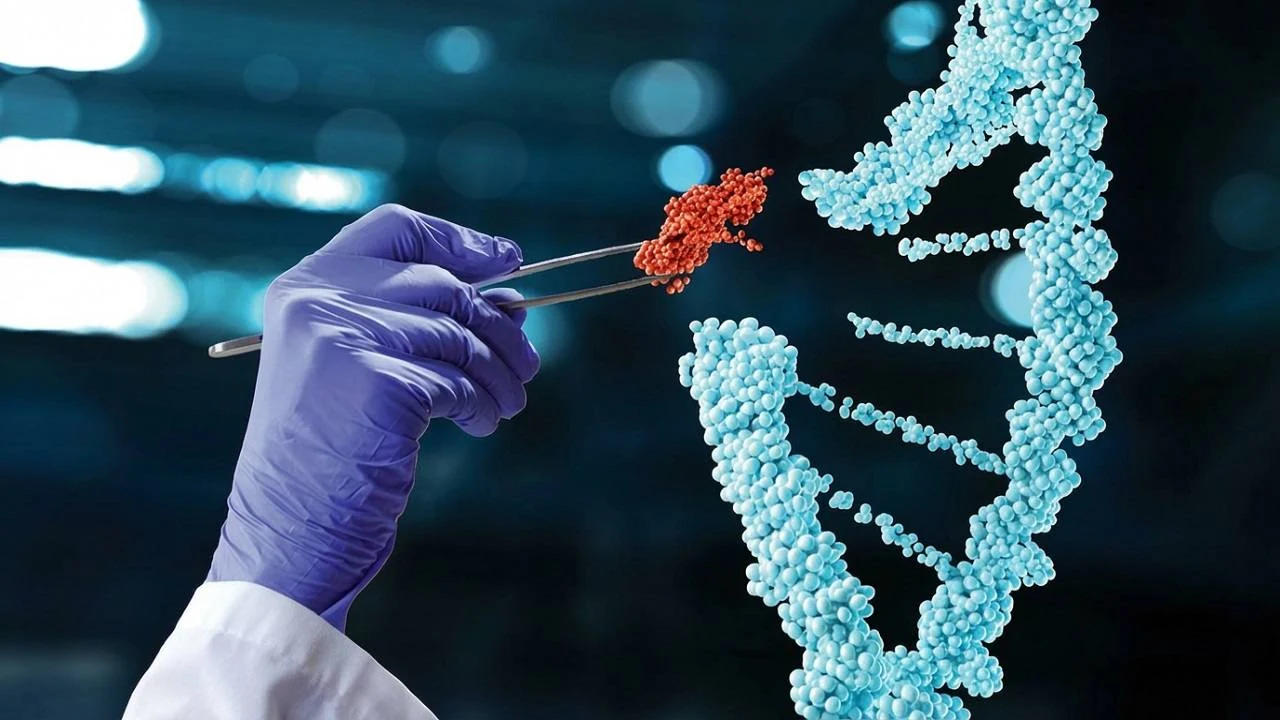
Preimplantation Genetic Testing (PGT) revolutionizes IVF by screening embryos for chromosomal abnormalities and genetic disorders before transfer. This advanced technology increases pregnancy success rates, reduces miscarriage risk, prevents inherited diseases, and shortens time to pregnancy while providing diagnostic clarity and reducing emotional stress for couples.

Clinical evidence increasingly demonstrates that emotional stress or grief reduces the chances of IVF success through sophisticated biochemical pathways that directly influence reproductive physiology. This relationship extends far beyond simple correlations, revealing profound mechanistic connections between psychological distress and the delicate orchestration of hormonal events essential for successful conception.
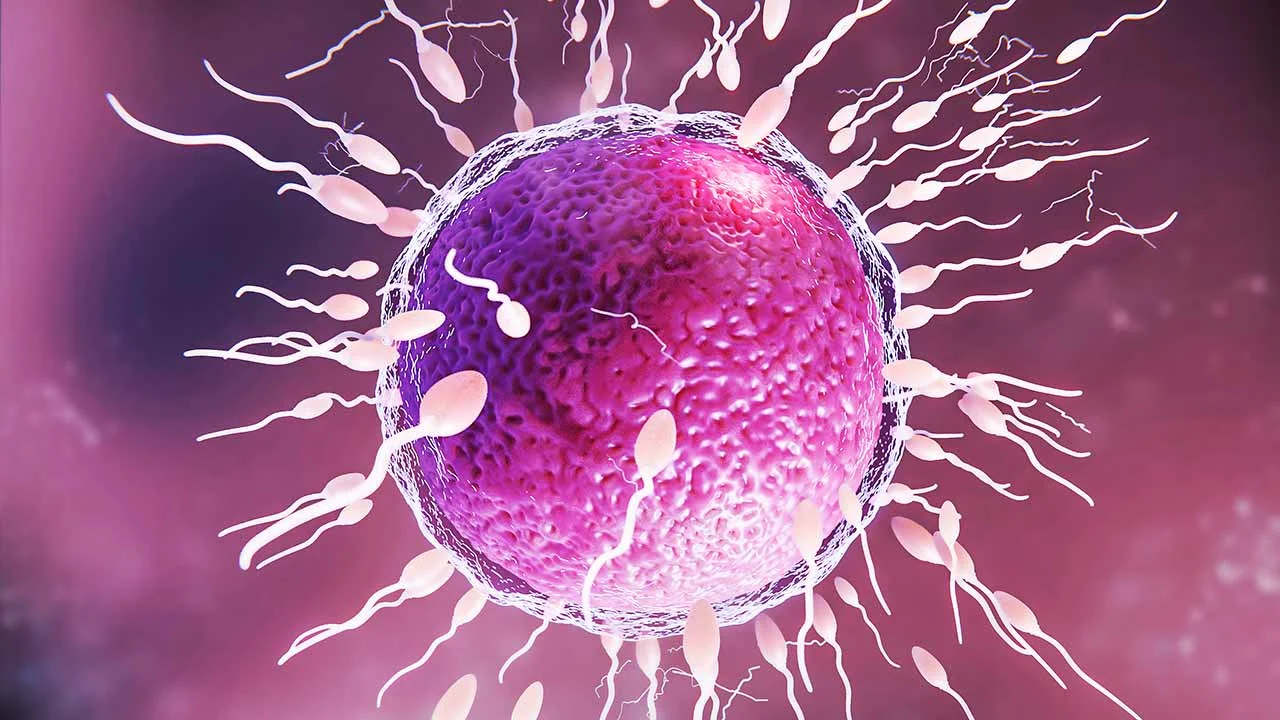
IVF in 2025 is shifting from hype to evidence-based innovation. As precision, automation, AI, and genetic advances reshape fertility care, patients must distinguish proven breakthroughs from outdated add-ons. This guide examines five groundbreaking IVF technologies in 2025 to understand which advances genuinely improve outcomes