Home
 ArticlesArticles
Human infertility treatment is undergoing a major transformation through bioengineering innovations. From AI-driven embryo selection to microfluidics, regenerative medicine, and gene editing, these technologies are improving precision, success rates, and personalisation in reproductive care, offering new hope to individuals and couples facing complex fertility challenges worldwide.



Infertility affects roughly one in six adults worldwide, about 17.5% of the population, making it a pervasive global challenge. For decades, assisted reproductive technology (ART), principally in‑vitro fertilization (IVF), has been the primary recourse. Yet conventional IVF remains a labour‑intensive, subjective process: embryologists manually select sperm and grade embryos, and success rates per embryo transfer often stay below 30 % live birth.
Bioengineering is now shifting reproductive medicine from a manual, qualitative craft to an objective, automated, and personalized clinical model. By merging robotics, fluid dynamics, tissue engineering, and genetic tools, scientists are creating solutions that improve gamete selection, embryo culture, uterine receptivity, and genetic safety. The following sections outline how these innovations are reshaping infertility treatment.
Bioengineering strategies that combine cells, growth factors, and biomaterials are repairing damaged reproductive tissues and restoring organ function.

These regenerative and microscale models lay the groundwork for therapies that address structural causes of infertility rather than merely bypassing them.
Traditional sperm preparation relies on centrifugation, which can induce oxidative stress and DNA fragmentation. Microfluidic devices replace harsh forces with microscopic channels that mimic the natural female tract, allowing only the healthiest, most motile sperm to reach the egg.
In patients undergoing recurrent IVF, microfluidic chips have yielded significantly higher fertilization rates.
The subjectivity of manual embryo grading is being replaced by artificial intelligence and robotic automation.
By removing human error and bias, AI‑robotics improve both the efficiency and reliability of ART.
For patients whose infertility stems from organ damage or deficiency, 3D bioprinting offers a way to build functional, living tissue.
These bioprinted constructs promise to restore native organ physiology for women who have lost ovarian or uterine function due to cancer, genetics, or injury.

Genetic tools are preventing inherited disease transmission and correcting infertility‑linked mutations.
These precision genetics techniques expand the preventive power of ART beyond aneuploidy screening to include monogenic and mitochondrial disorders.
Induced pluripotent stem cells (iPSCs) can be coaxed into primordial germ‑cell‑like cells and further differentiated into functional oocytes or spermatozoa.

If successfully translated to humans, in‑vitro gametogenesis could enable same‑sex couples to have genetically related children and give hope to those with irreversible gamete loss.
As these technologies advance, they raise profound ethical, social, and economic questions.
Responsible innovation will require inclusive policymaking, rigorous clinical trials, and ongoing public dialogue.
Bioengineering has transformed infertility from a largely manual, trial‑and‑error process into a technological platform characterised by precision, automation, and personalization. Tissue‑engineered uterine and ovarian repairs restore native organ function; microfluidic sperm selection reduces DNA damage and boosts fertilization; AI‑driven robotics elevate embryo‑selection accuracy beyond human capability; 3D bioprinting builds living ovarian and uterine scaffolds; CRISPR and MRT prevent hereditary disease transmission; and stem‑cell‑derived gametes open the door to genuine gamete regeneration.
Together, these advances are raising success rates, reducing the emotional and physical toll of failed cycles, and extending hope to those previously told they had no options. As the field moves from laboratory breakthroughs to widespread clinical use, the continued convergence of engineering, biology, and data science promises a future where building a family is more reliable, successful, and inclusive than ever before.



In vitro gametogenesis, the science of creating eggs and sperm from ordinary body cells, has moved from mouse studies towards human research. This article explains how the approaches work, what recent milestones really show, the obstacles that remain and why clinical use is still likely to be several years away.
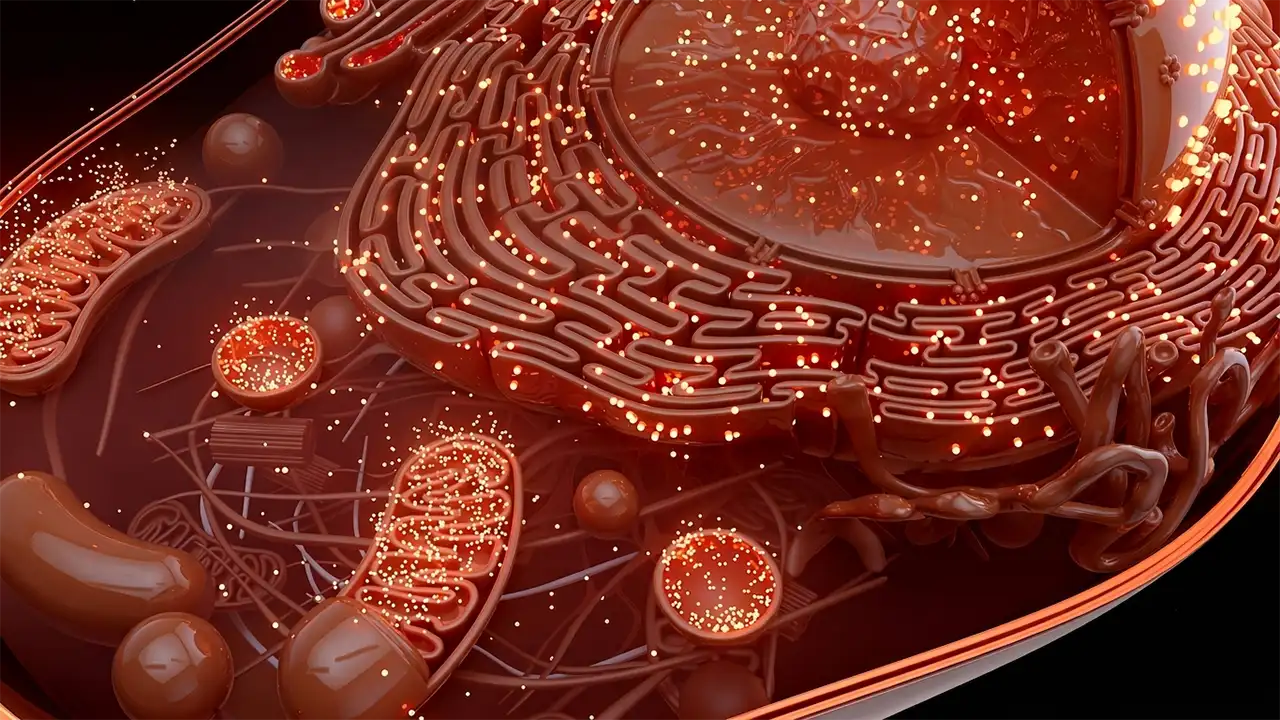
Mitochondrial donation, often called three-parent IVF, has now produced the first detailed clinical results, with healthy children born to mothers at high risk of passing on mitochondrial disease. This article explains how the technique works, who it is for, what the evidence shows and which scientific questions remain open

A new AI sperm recovery technique is changing the outlook for men with azoospermia. This article explains how the STAR method scans semen samples for rare hidden sperm, what its first reported pregnancy means, who may benefit, and the key questions couples should raise with their own fertility specialist.
Immunotherapy in restoring human fertility is emerging as a promising approach for addressing immune-related reproductive disorders. Recent clinical advances highlight its potential to improve implantation, pregnancy outcomes, and reproductive health, offering renewed hope for patients facing infertility linked to immune system dysfunction.

The smart fertility tracker market has transformed male fertility diagnostics, but how reliable are these devices? This report examines what at-home sperm tests actually measure, where they fall short compared to clinical analysis, and how men and couples can use them appropriately within a broader reproductive care pathway.
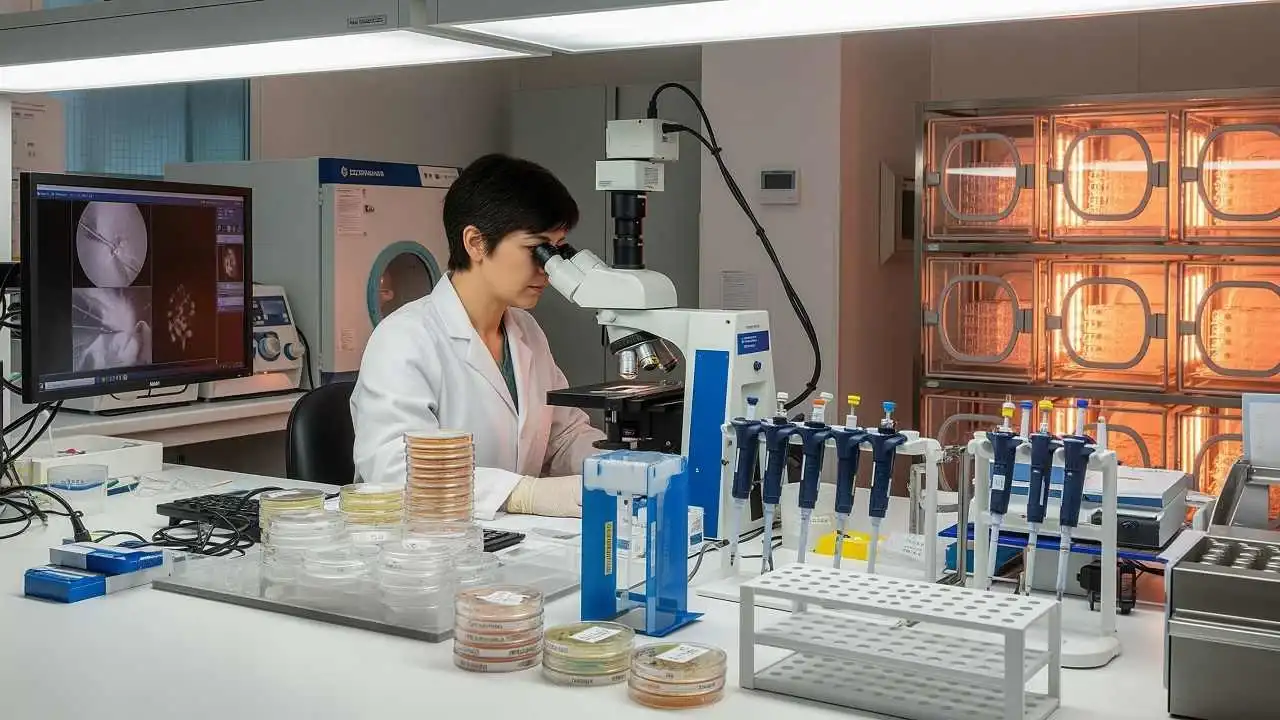
The distinct assisted reproductive technologies of Intrauterine Insemination (IUI), In Vitro Fertilization (IVF), and Intracytoplasmic Sperm Injection (ICSI). It outlines how each procedure works, the medical indications for their use, and their respective success rates. The importance of choosing the right treatment based on factors such as patient age, infertility diagnosis, and personal circumstances.
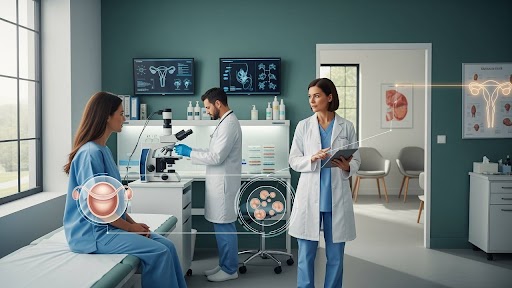
Assisted Reproductive Technology (ART), a groundbreaking medical field that provides solutions for individuals and couples facing fertility challenges. It defines ART, explains its core techniques such as In Vitro Fertilization (IVF) and Intracytoplasmic Sperm Injection (ICSI), and discusses clinical applications and success rates.