Home
 ArticlesArticles
Selecting the optimal timing for frozen embryo transfer (FET) is crucial for Assisted Reproductive Technology (ART) success. While FET is gaining importance in clinical practice, most studies focus only on a single ART cycle. Despite its benefits, FET carries risks such as embryo survival after thawing, hormonal imbalances, cost, and emotional stress. Still, it has proven successful for many, and consulting a reproductive specialist can help determine the most suitable treatment plan.



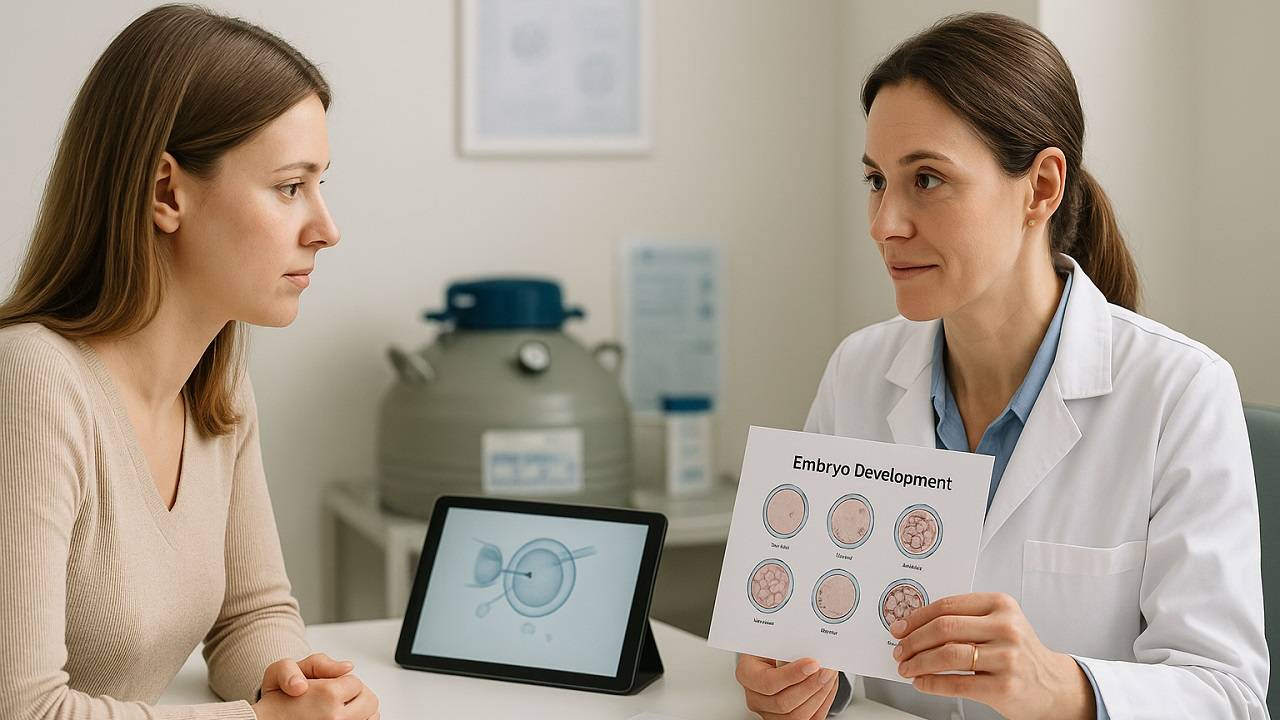
Frozen Embryo Transfer (FET) has become a foundation of assisted reproductive technology (ART), providing essential benefits for couples aiming to conceive. In contrast to traditional Fresh Embryo Transfer, or fresh IVF, which transfers the embryos immediately post-fertilization, FET utilises embryos created and frozen in an earlier IVF cycle. This approach offers more flexibility, better control of timing, and develops a reputation for high success rates. But similar to any other medical procedure, FET has its advantages and potential complications. Understanding these can help singles and couples reach informed decisions on their fertility path to a pink FET or Fresh Embryo Transfer.
In some cases, FET has higher success rates. Studies have suggested that frozen embryo transfer (FET) may lead to higher success rates compared to fresh embryo transfers. This tuition is partly due to the chance for the body to recover from ovarian stimulation before the embryos are placed. Shortly after egg retrieval, transfer of embryos or blastocysts can also produce a uterus that is not maximally conditioned under the lingering hormonal effects of ovarian stimulation. FET provides a more controlled environment for the endometrial lining to develop, which can result in higher implantation rates.

Lowe risk of Ovarian Hyperstimulation Syndrome (OHSS)
One of the significant dangers associated with IVF is the high risk of ovarian hyperstimulation syndrome (OHSS), which happens if the ovaries are overstimulated during egg retrieval. Bloating, nausea, and, in extreme cases, organ complications are symptoms of OHSS. FET is safer for these women because it is done after the egg retrieval cycle, and the ovaries have time to recover, or OHSS is rare, as with the fresh embryo transfer.
FET provides greater convenience for patients and fertility clinics. Embryos can be created and frozen and stored for later use. This allows women to schedule transfers at a time they feel ready, after treating other medical issues or making lifestyle changes, or just when they do not want to get pregnant yet. FET also lets women who don’t want to retry a transfer right after IVF delay without losing the embryos.
Due to a lack of the hormonal excitement from a fresh IVF cycle, FET typically puts the uterus in better shape. In women who may struggle with endometrial receptivity following ovulation, the more controlled preparation of the uterine lining with FET can lead to better results. Hormone therapy, usually estrogen and progesterone, is used to prepare the uterine lining and enhance the chance of successful implantation.

Through Frozen Embryo Transfer (FET), before freezing embryos for future use, they can be genetically tested. 3PGT enables genetic abnormalities to be detected in embryos so that only healthy ones can be transferred. It is especially helpful for women of advanced maternal age or with a known risk of genetic disease. Patients can optimize their chance for a healthy pregnancy by implementing FET.
FET enables patients to approach the transfer with a decreased level of emotional and physical stress because the egg retrieval process and embryo freezing take place at a separate time from the embryo transfer. Women can schedule the transfer when they are ready. This can be especially beneficial for those who are trying to maintain a balance between work, health, and other personal life issues.
The survival and quality of embryos after thawing during a frozen embryo transfer (FET) carry the potential risk that the frozen embryos may not survive the thawing process. Although the introduction of modern cryopreservation techniques like vitrification has greatly enhanced embryo survival rates post-freezing, embryos still may fail to survive or sustain damage during the thawing process. Surviving embryos that have decreased quality post-thaw may have decreased implantation potential and a decreased chance of pregnancy.
FET requires hormone treatment to prepare the uterine lining for implantation, which may cause imbalances in some cases. Women can experience side effects from the hormones used to regulate their cycles, including bloating, mood swings, headaches, or spotting. These side effects are generally transient but are unpleasant while they occur.
Frozen Embryo Loss In some rare instances, embryos that were cryopreserved and stored for an extended period may lose their viability even if they survive thawing. This can be due to conditions in the freezer, or the quality of the embryos can change over time. This also means that if an embryo can't implant, pregnancy chances may be lower.
Like fresh IVF, FET can result in multiple pregnancies (for example, twins or triplets), particularly when more than one embryo is transferred. Pregnancies with these numbers are associated with increased risks, including premature birth, gestational diabetes, high blood pressure, and complications during delivery. Although several fertility clinics now advise moving only one embryo during FET to mitigate these dangers, some individuals may still opt to move various embryos so as to expand their odds of accomplishment.
Frozen Embryo Transfer (FET) has several advantages over the traditional fresh embryo transfer method, such as higher pregnancy success rates, lower incidence of ovarian hyperstimulation syndrome, and more flexibility in timing and planning. It has changed the game for IVF, empowering patients to take charge of their fertility process and manage their uterine ecosystem accordingly. However, as with all medical procedures, FET does come with some risks. Considerations such as embryo survival issues, hormonal imbalances, and the potential for multiple pregnancies have to be addressed.
Overall, FET offers a compelling option for patients with certain IVF pathways, but individualised guidance from a reproductive endocrinologist is critical for patients to understand the benefits of FET and to select a treatment regimen that fits their needs and goals.


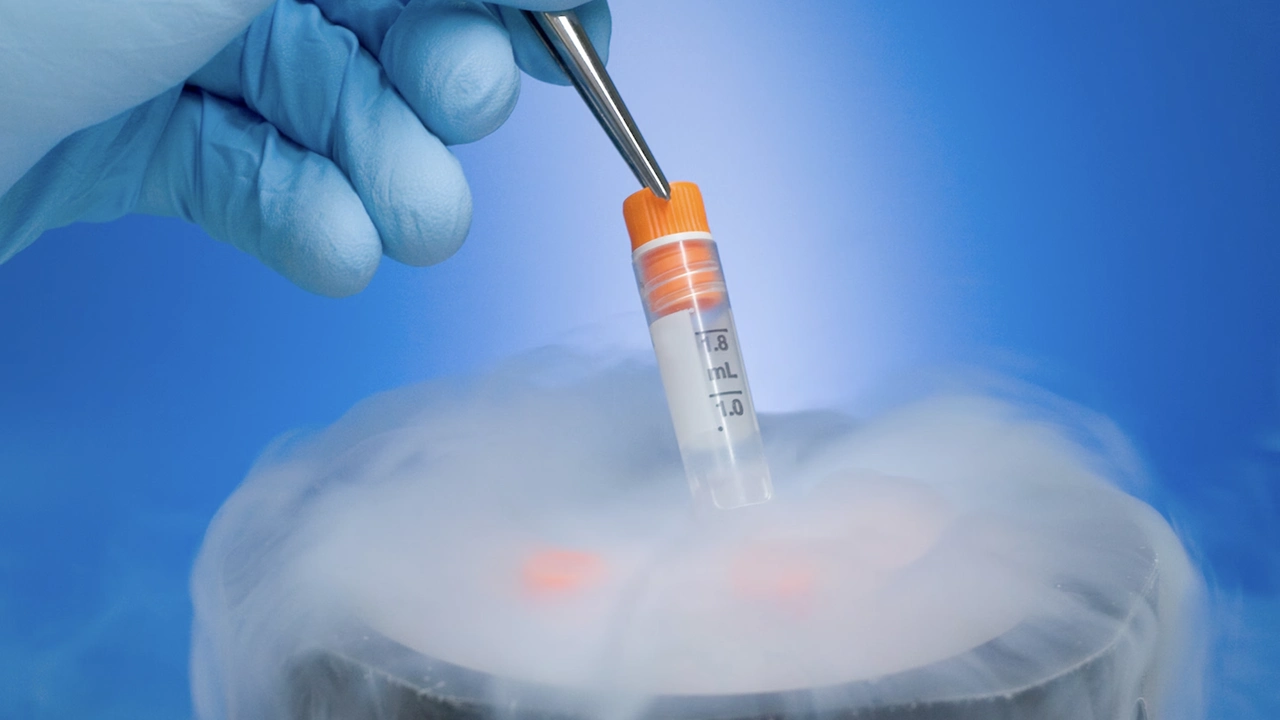
Frozen Egg Thawing survival rates average 80–90% with modern vitrification. Age at freezing is the biggest success factor, younger eggs fertilize better and develop stronger embryos. Banking 10–20 mature eggs improves live birth odds. ICSI remains the gold standard, with blastocyst transfer offering the highest implantation rates.
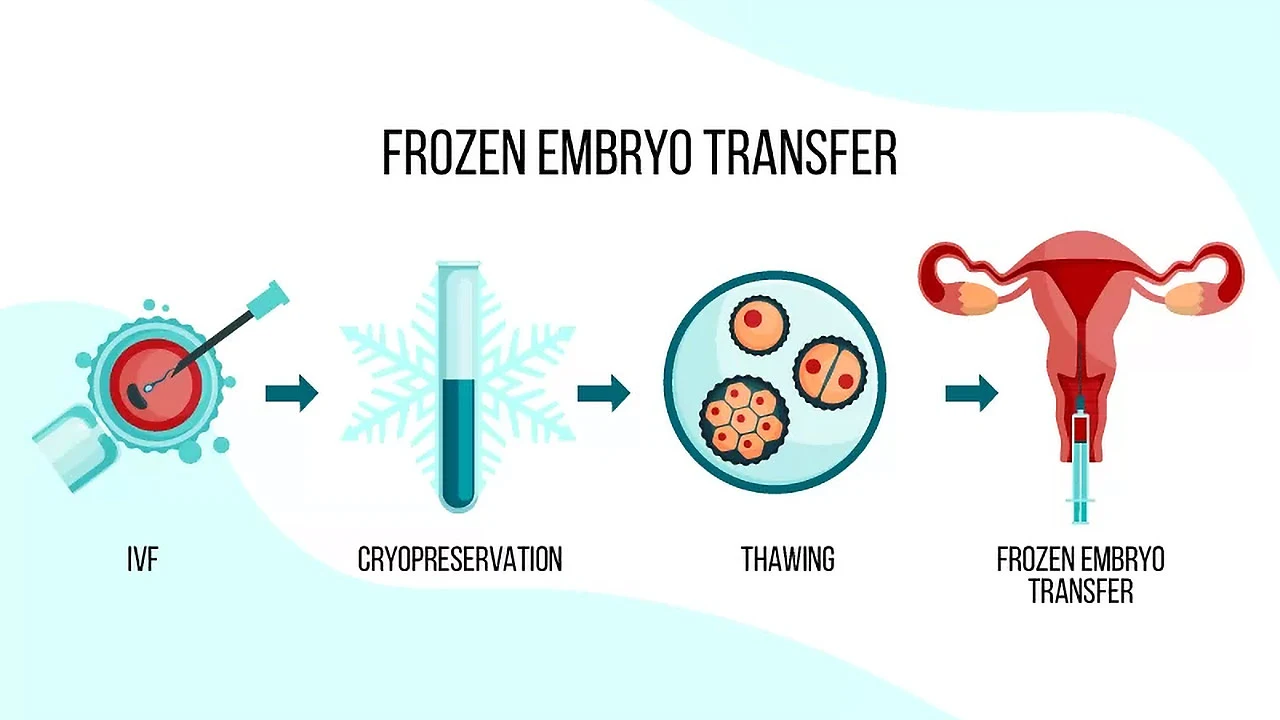
Frozen embryo transfer (FET) is a fertility procedure where previously created and frozen embryos are thawed and placed into the uterus. This comprehensive guide explains the FET process, success rates, benefits, and why it's become a preferred option for many people navigating infertility treatment and building their families.
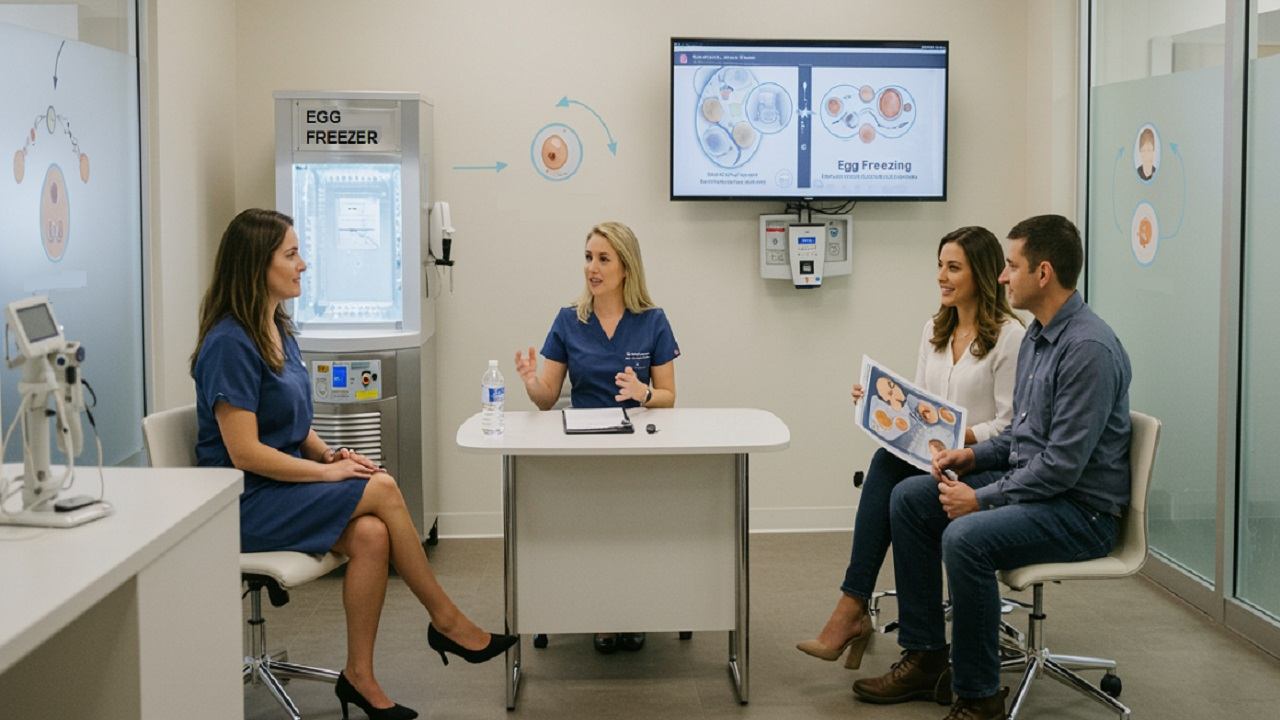
The vital role of fertility preservation and egg donation in helping women overcome reproductive challenges, allowing them to control their family planning. It highlights how these advancements in reproductive medicine enable women to preserve their fertility and access healthier eggs for future pregnancies.
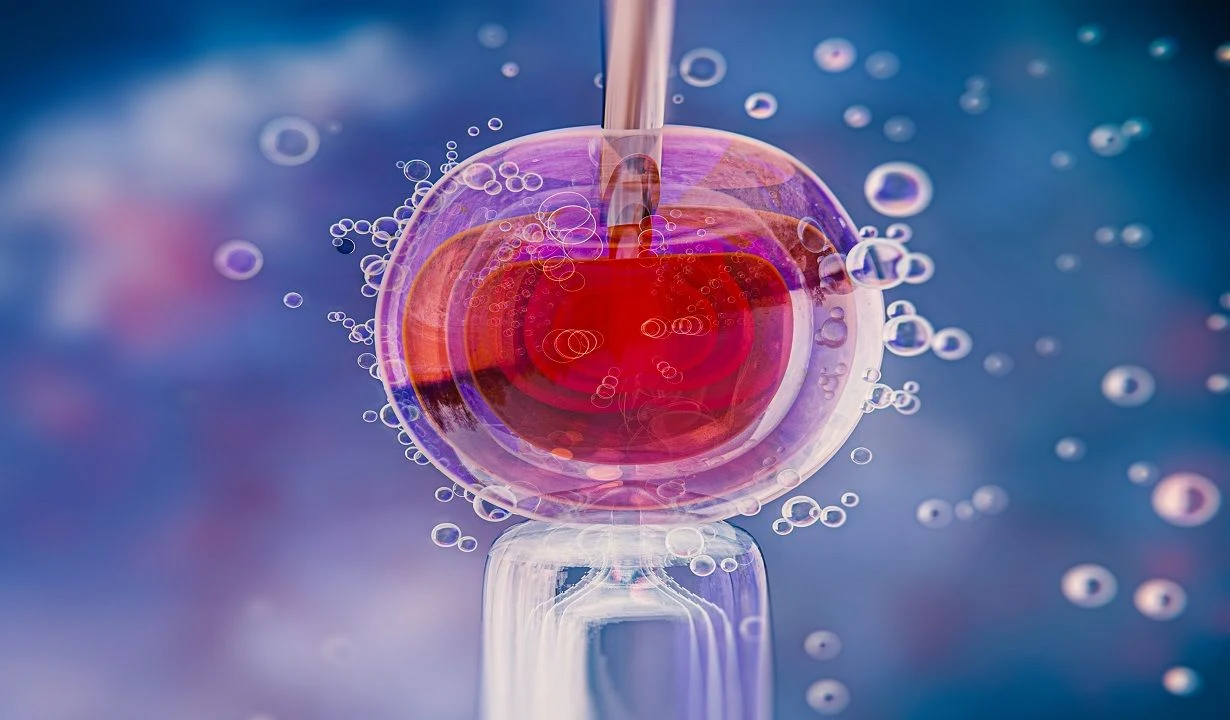
Egg freezing does not reduce natural fertility or ovarian reserve. This comprehensive guide examines how oocyte cryopreservation works, success rates by age, potential risks including OHSS, costs, and psychological benefits. Facts about preserving reproductive options while maintaining natural conception ability for career-focused and medically indicated fertility preservation.

The best age to freeze sperm and eggs depends on biology, fertility health, and personal choice. Experts recommend egg freezing before 35 and sperm freezing before 40 for stronger outcomes. Advances in technology and lifestyle factors also shape fertility preservation decisions.
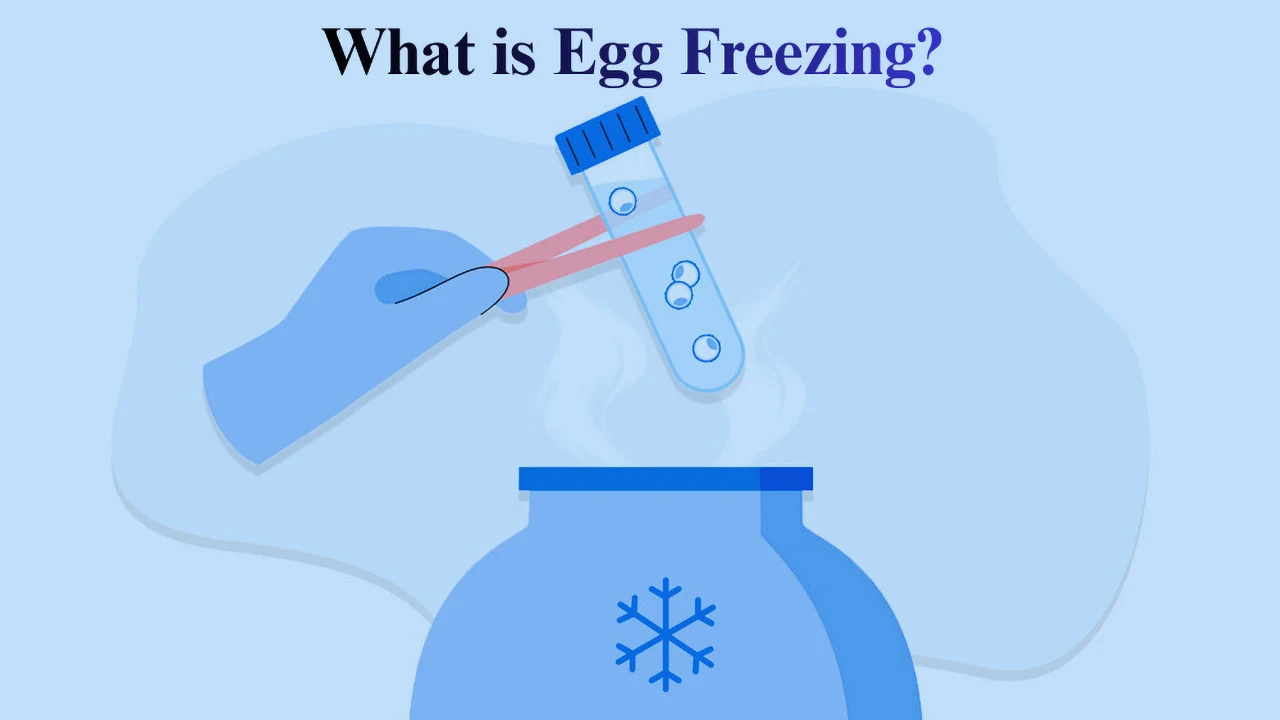
Egg freezing allows women to preserve their fertility by extracting, freezing, and storing eggs for future use. Whether postponing parenthood for career, personal reasons, or medical treatments, this comprehensive guide explains the process, costs, success rates, and who should consider this increasingly popular fertility preservation option.
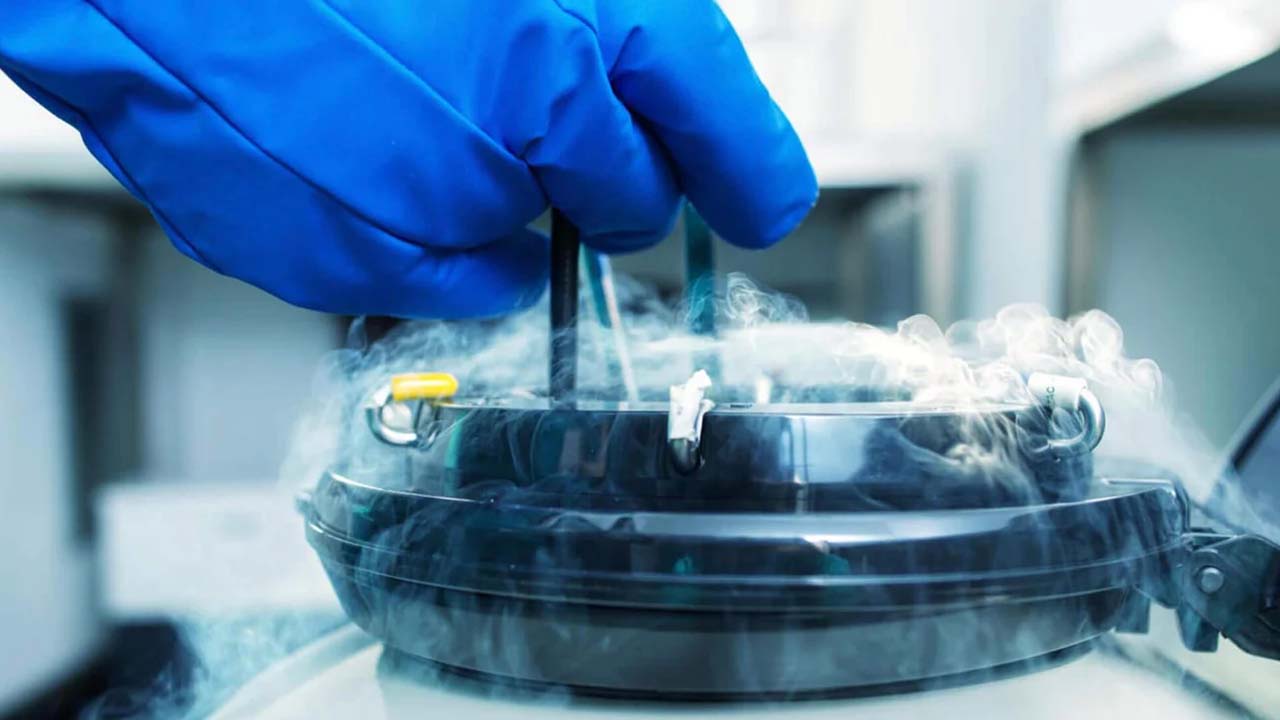
Vitrification vs slow freezing is reshaping ovarian tissue cryopreservation strategies. While slow freezing offers a proven track record, vitrification shows stronger DNA protection and stromal preservation. As fertility preservation advances, clinicians weigh tradition against innovation to improve outcomes for cancer survivors seeking future motherhood.