Home
 ArticlesArticles
A new AI sperm recovery technique is changing the outlook for men with azoospermia. This article explains how the STAR method scans semen samples for rare hidden sperm, what its first reported pregnancy means, who may benefit, and the key questions couples should raise with their own fertility specialist.



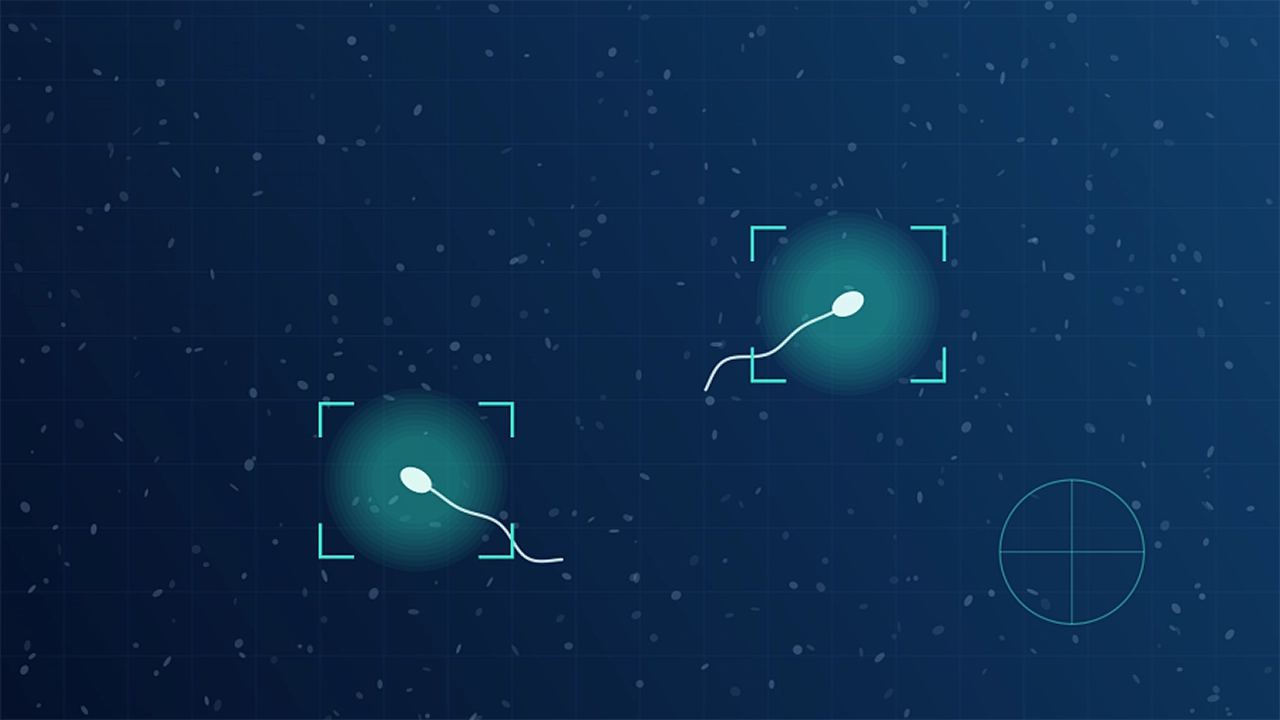
For decades, a diagnosis of azoospermia has been one of the hardest conversations in a fertility clinic. A man hands over a semen sample, the laboratory examines it under the microscope, and no sperm can be found. For many couples, that moment has meant surgery, repeated disappointment or the difficult decision to use donor sperm.
A new generation of technology is beginning to change that conversation. At Columbia University Fertility Center in New York, researchers have developed an artificial intelligence system that scans semen samples far more thoroughly than the human eye can, locating and recovering the rare sperm that may still be present. The first pregnancy achieved with this AI sperm recovery method has been reported in The Lancet, and it has opened a new line of hope for men once told there was nothing left to find.
Azoospermia means that no sperm are detected in the ejaculate on standard laboratory examination. Male factors contribute to roughly 40% of infertility in couples, and azoospermia accounts for a meaningful share of those cases. Specialists broadly divide it into two types. In obstructive azoospermia, sperm are produced normally, but a blockage prevents them from reaching the ejaculate. In non-obstructive azoospermia, the testes themselves produce very few sperm, often because of genetic, hormonal or treatment-related factors.
The critical word is "detected". A man with non-obstructive azoospermia may still produce tiny numbers of sperm, and a few of those may appear in the ejaculate. The problem is finding them. A single semen sample can contain millions of cells and fragments of debris, and experienced embryologists searching manually for hours can still miss the handful of sperm that matter. Closely related is cryptozoospermia, where sperm are so scarce that they only appear after intensive searching of a concentrated sample.
Until now, the main route for men with non-obstructive azoospermia has been surgical sperm retrieval. Procedures such as testicular sperm extraction and microdissection testicular sperm extraction (micro-TESE) involve removing small pieces of testicular tissue in the hope of finding sperm that can be used for intracytoplasmic sperm injection (ICSI). These procedures can be highly effective for some men, but they are invasive, require anaesthesia, and do not always succeed. Repeated surgery also carries a risk of scarring and hormonal effects.
When surgery fails, many couples are guided towards donor sperm. For some, that is a positive and welcome choice. For others, the loss of a genetic connection to their child is deeply painful, and they want to be certain that every reasonable avenue has been explored first.
The Columbia team called their approach STAR, short for Sperm Tracking and Recovery. It brings together three technologies that each tackle a different part of the problem. First, a high-powered imaging system scans the semen sample, capturing more than eight million images in under an hour. Second, an AI model trained to recognise sperm reviews those images and flags any sperm cells it detects. Third, a microfluidic chip with fine channels isolates the portion of the sample containing the identified sperm, and a robotic system gently removes the cell within milliseconds so it can be used to create an embryo or frozen for later use.
The gentleness of the process matters. Sperm are recovered without harsh chemicals or lasers, which helps preserve their viability. The researchers have described drawing on imaging principles similar to those used to search the night sky for faint stars, which is fitting for a system designed to find a few meaningful points of light in an enormous field of noise.
The early results were striking even before the first pregnancy. In one case described by the team, skilled technicians had searched a sample for two days without finding any sperm. The AI system, applied to the same sample, found 44 sperm in an hour.
STAR is designed for men previously diagnosed with azoospermia or cryptozoospermia, where conventional examination finds no sperm or only extremely rare sperm. Its greatest potential lies in non-obstructive azoospermia, where sperm production is very low but not always absent.
It is not a replacement for a proper male fertility work-up. Men with azoospermia should still be assessed by a reproductive urologist or andrologist, with hormone testing and genetic investigations such as karyotyping and Y-chromosome microdeletion testing. These tests help explain the cause, guide treatment and inform genetic counselling, because some genetic causes of male infertility can be passed on to sons. In obstructive azoospermia, surgical retrieval of sperm from the epididymis or testis is often straightforward and remains the standard approach.
Where AI sperm recovery could make a particular difference is before or instead of repeated surgery. If rare sperm can be found in the ejaculate, some men may be spared an invasive procedure. For those who have already had unsuccessful surgery, it offers another chance to search more thoroughly.
For the laboratory, AI-assisted sperm detection signals a shift from purely manual searching to technology-supported workflows. Manual searches are time-consuming, tiring and dependent on individual skill, and even the best embryologists have limits of attention. An automated system can scan an entire sample systematically and consistently, freeing specialists to focus on judgement and handling.
There are practical questions still to answer. Clinics will want to see validation data from larger studies, understand how the technology integrates with ICSI and sperm freezing workflows, and consider how it compares with established microfluidic and imaging tools. As with any new technique, independent replication across centres will be essential before it becomes routine.
Stories like this one naturally generate excitement, and it is important to hold that excitement alongside realism. Not every man with azoospermia has sperm to find, however advanced the search. Finding sperm is also only the first step. Embryos still need to develop, implant and lead to a healthy pregnancy, and outcomes depend heavily on the female partner's age and egg quality.
Access is another consideration. At present, AI sperm recovery is available only in limited settings, and wider availability will depend on further evidence and regulatory review in each country. Couples who are interested should discuss it openly with their fertility team, who can advise whether it is relevant to their diagnosis and whether trial participation is an option.
If you or your partner have been diagnosed with azoospermia, a few conversations can help you make informed decisions. Ask whether your diagnosis is obstructive or non-obstructive, and what investigations have been done to identify the cause. Ask whether genetic testing has been completed and what it means for any future child. Ask what the realistic chances of finding sperm are with surgical retrieval, and whether advanced search methods such as AI sperm recovery might be considered at your centre or through a research study. Finally, ask about emotional support. Male infertility is often carried quietly, and counselling can help both partners.
Male infertility has long received less research attention than female infertility, despite its central role in so many couples' journeys. The development of AI sperm recovery shows how imaging, microfluidics and machine learning can come together to address a problem that has frustrated clinicians for decades.
For men who were told they had no sperm, the message is not a guarantee but a genuine possibility: the answer may sometimes lie in looking more closely. As larger studies report, the fertility community will learn how widely this approach can help, and how it fits alongside surgery, donor options and the broader care that every couple deserves.
Disclaimer: FertilityIn shares this information based on published research and material from reliable, recognised sources. The content is intended for general awareness only and should not be taken as medical advice. Anyone with questions about their fertility, or who needs medical attention, should consult their own doctor or a qualified fertility specialist.



In vitro gametogenesis, the science of creating eggs and sperm from ordinary body cells, has moved from mouse studies towards human research. This article explains how the approaches work, what recent milestones really show, the obstacles that remain and why clinical use is still likely to be several years away.
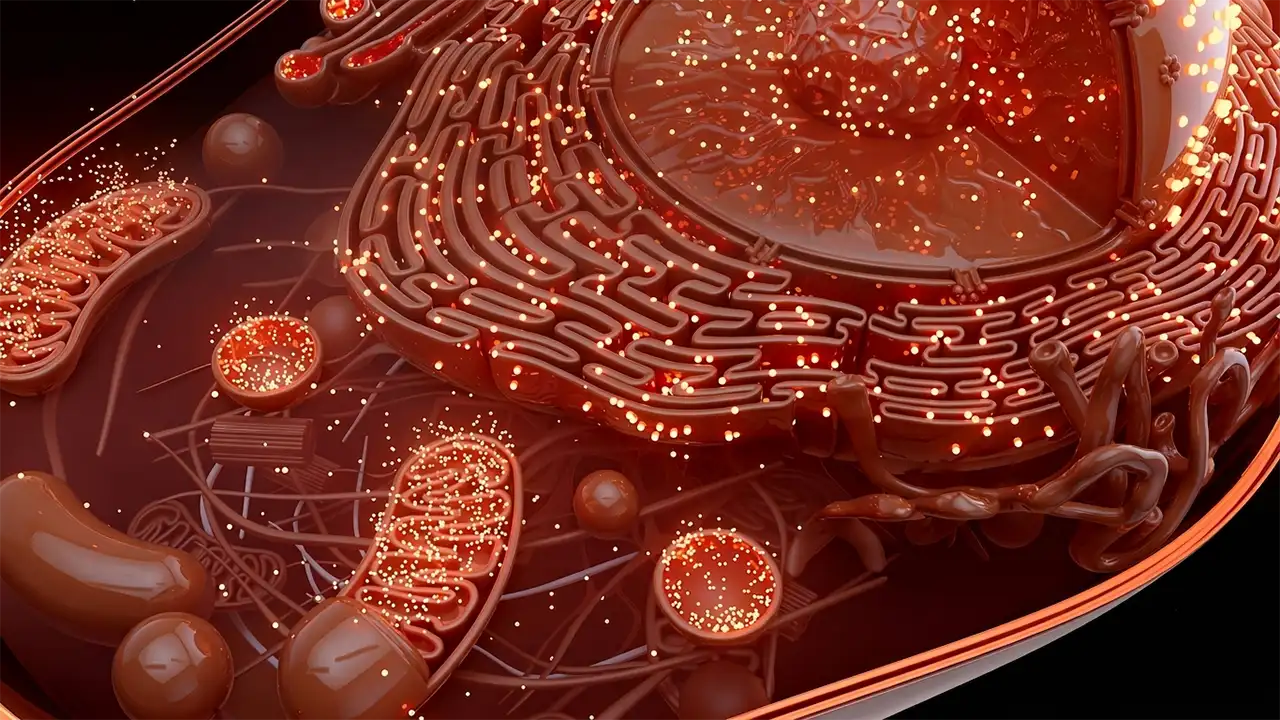
Mitochondrial donation, often called three-parent IVF, has now produced the first detailed clinical results, with healthy children born to mothers at high risk of passing on mitochondrial disease. This article explains how the technique works, who it is for, what the evidence shows and which scientific questions remain open
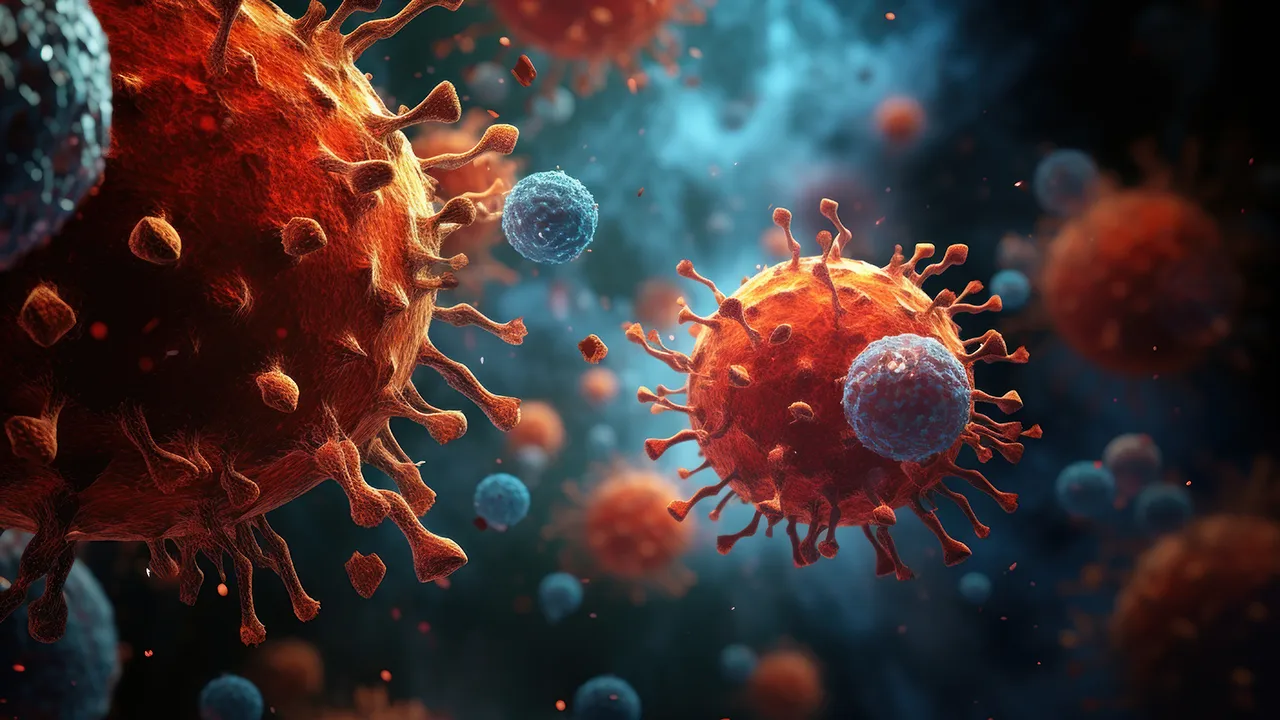
Immunotherapy in restoring human fertility is emerging as a promising approach for addressing immune-related reproductive disorders. Recent clinical advances highlight its potential to improve implantation, pregnancy outcomes, and reproductive health, offering renewed hope for patients facing infertility linked to immune system dysfunction.
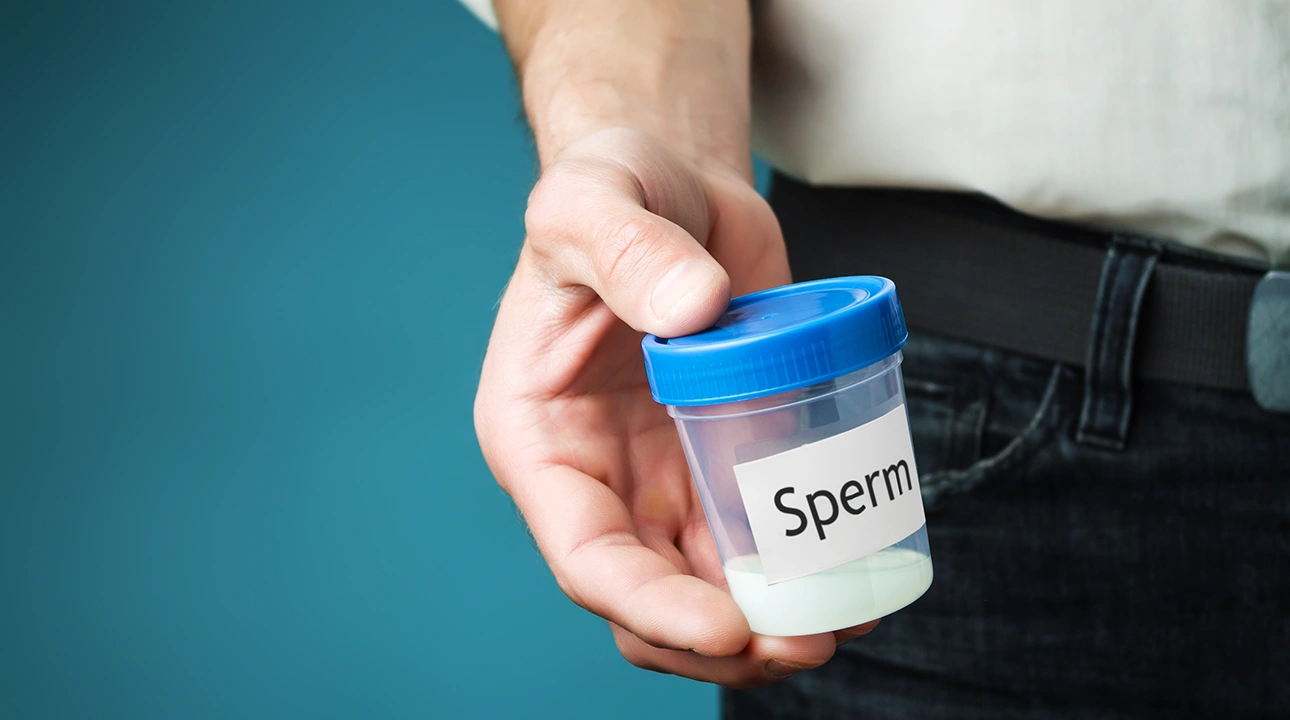
The smart fertility tracker market has transformed male fertility diagnostics, but how reliable are these devices? This report examines what at-home sperm tests actually measure, where they fall short compared to clinical analysis, and how men and couples can use them appropriately within a broader reproductive care pathway.
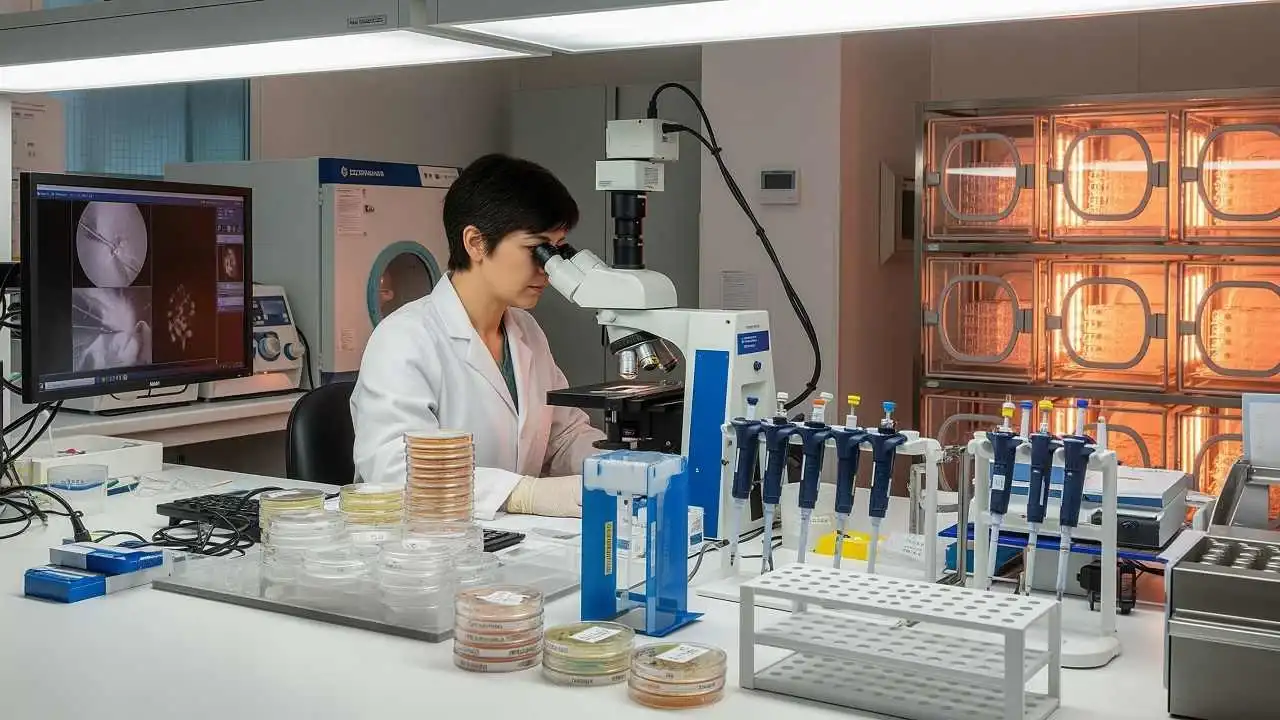
The distinct assisted reproductive technologies of Intrauterine Insemination (IUI), In Vitro Fertilization (IVF), and Intracytoplasmic Sperm Injection (ICSI). It outlines how each procedure works, the medical indications for their use, and their respective success rates. The importance of choosing the right treatment based on factors such as patient age, infertility diagnosis, and personal circumstances.
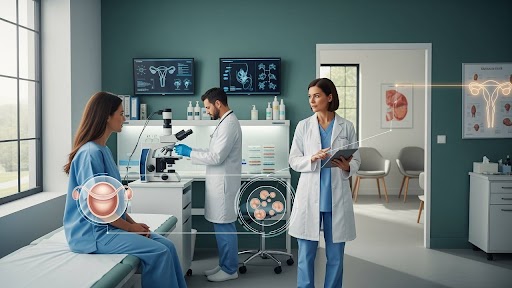
Assisted Reproductive Technology (ART), a groundbreaking medical field that provides solutions for individuals and couples facing fertility challenges. It defines ART, explains its core techniques such as In Vitro Fertilization (IVF) and Intracytoplasmic Sperm Injection (ICSI), and discusses clinical applications and success rates.