Home
 ArticlesArticles
Affordable IVF in Mexico attracts global patients with modern labs, expert specialists, and comprehensive packages at significantly lower costs than the U.S. or Europe. With cutting-edge technology, short wait times, and patient-centered programs, Mexico delivers world-class reproductive care while maintaining affordability and clinical excellence for cross-border families.




Mexico has become one of the most attractive destinations for high-quality yet affordable IVF, offering modern labs, experienced specialists, and comprehensive packages at a fraction of U.S. costs. Typical IVF cycles in Mexico range from about $4,000 to $8,200 per cycle before add‑ons, with full packages (including common extras) often totaling around $7,500–$12,500—frequently 50–70% less than comparable treatment in the United States or Canada.
Mexico’s value proposition blends affordability with standards that meet or mirror top Western clinics, especially in hubs like Mexico City, Guadalajara, Cancun, and Tijuana. Many centers offer ICSI, PGT-A, egg and embryo freezing, and donor programs, with English-speaking coordinators and short or no wait times for international patients.
Packages are often transparent and include airport pickup, monitoring, lab procedures, and a fresh transfer, keeping logistics simple for medical travelers.
While every plan is individualized, most patients can anticipate a few predictable cost buckets:

Even at the higher end of these ranges, total spend in Mexico is typically 50–70% lower than U.S. equivalents, especially once employer coverage caps or deductibles are considered.
Top clinics in Mexico have doctors and embryologists trained internationally, and many use modern lab techniques like vitrification for freezing eggs and embryos, ICSI for male fertility issues, and PGT-A to avoid transferring embryos with chromosome problems when needed. Reported per‑cycle success rates vary by age and diagnosis.
But reputable centers frequently cite ranges comparable to U.S. and European peers, commonly in the 40–60% per transfer range for favorable prognoses and younger age brackets (note: success rates are not one‑size‑fits‑all, always seek clinic‑specific, age‑stratified data).
Shorter waitlists matter too. Patients coming from systems with constrained access (for example, wait times in parts of the U.K. and Canada) can often start within a single cycle in Mexico, which increases momentum and may improve patient experience by limiting delays between workup and treatment.
Mexico allows a broad range of assisted reproductive services, but regulations and policies can vary by state and by clinic. Most international programs operate under clear consent frameworks for IVF, ICSI, freezing, and genetic testing, while donor programs include standardized medical and psychological screening. Clinics that serve international patients typically provide English‑language consent forms and coordinators who clarify all legalities before treatment begins; always confirm the clinic’s documentation, success reporting practices, and donor anonymity rules in advance.
Medical travel is easier with clinics that package services. Look for centers offering:
Travel budgeting should include flights, lodging for 10–14 nights for a fresh cycle, daily expenses, and an allowance for extended stays if the response requires additional monitoring days. Even with these travel costs, total spend commonly remains well below typical U.S. per‑cycle costs, especially important when planning multi‑cycle strategies.
Mexico delivers an uncommon blend of advanced reproductive medicine and accessible pricing, making it a compelling choice for individuals and couples comparing international options. With typical basic cycle costs between roughly $4,000 and $8,200, commonly inclusive packages, and contemporary lab technologies, many patients achieve material savings without sacrificing clinical rigor or patient experience.
Thoughtful preparation, transparent pricing, success data, and logistics support help translate those advantages into confident, timely treatment decisions.



Immunotherapy in restoring human fertility is emerging as a promising approach for addressing immune-related reproductive disorders. Recent clinical advances highlight its potential to improve implantation, pregnancy outcomes, and reproductive health, offering renewed hope for patients facing infertility linked to immune system dysfunction.

The smart fertility tracker market has transformed male fertility diagnostics, but how reliable are these devices? This report examines what at-home sperm tests actually measure, where they fall short compared to clinical analysis, and how men and couples can use them appropriately within a broader reproductive care pathway.

The distinct assisted reproductive technologies of Intrauterine Insemination (IUI), In Vitro Fertilization (IVF), and Intracytoplasmic Sperm Injection (ICSI). It outlines how each procedure works, the medical indications for their use, and their respective success rates. The importance of choosing the right treatment based on factors such as patient age, infertility diagnosis, and personal circumstances.

Assisted Reproductive Technology (ART), a groundbreaking medical field that provides solutions for individuals and couples facing fertility challenges. It defines ART, explains its core techniques such as In Vitro Fertilization (IVF) and Intracytoplasmic Sperm Injection (ICSI), and discusses clinical applications and success rates.

Common questions about pregnancy with polycystic ovary syndrome (PCOS) through IVF and IUI. It discusses PCOS-related infertility, success rates, treatment options, and the importance of personalised protocols. Emphasising holistic care and emotional support, it offers hope and insights for women navigating the challenges of PCOS.

The potential of stem cells to improve ovarian reserve and egg quality, focusing on their application in women with diminished fertility. It discusses how mesenchymal stem cells and other stem cell therapies can rejuvenate ovarian function by enhancing the ovarian environment, promoting tissue repair, and stimulating follicle growth. While the therapy shows promise, the article emphasizes the need for more extensive studies to understand its efficacy and safety.
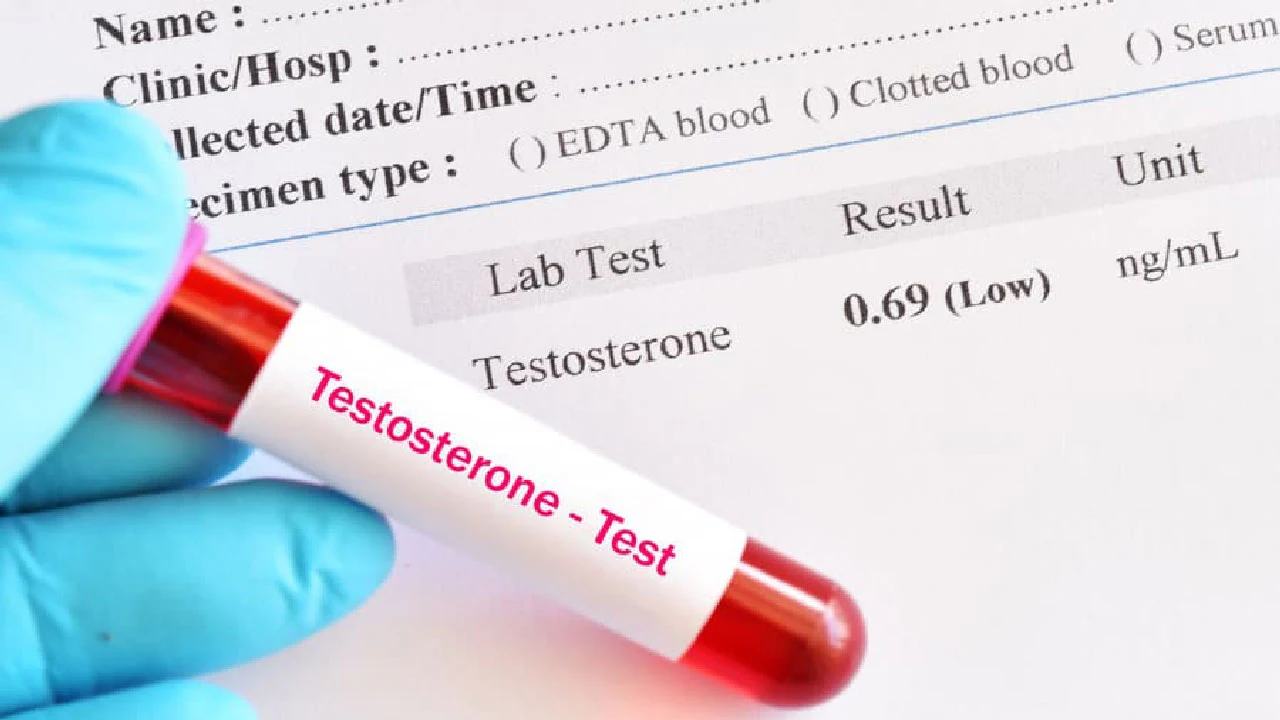
Clinical pearls for treating infertility and low testosterone in men, emphasizing reproductive goal assessment, empiric medical therapies, and comprehensive multidisciplinary management strategies.

