Home
 ArticlesArticles
The additional fertility treatment costs that individuals and couples may encounter, including medications, egg/sperm freezing, and genetic testing. Understanding these additional fertility treatment costs is crucial for effective financial planning during the fertility journey.



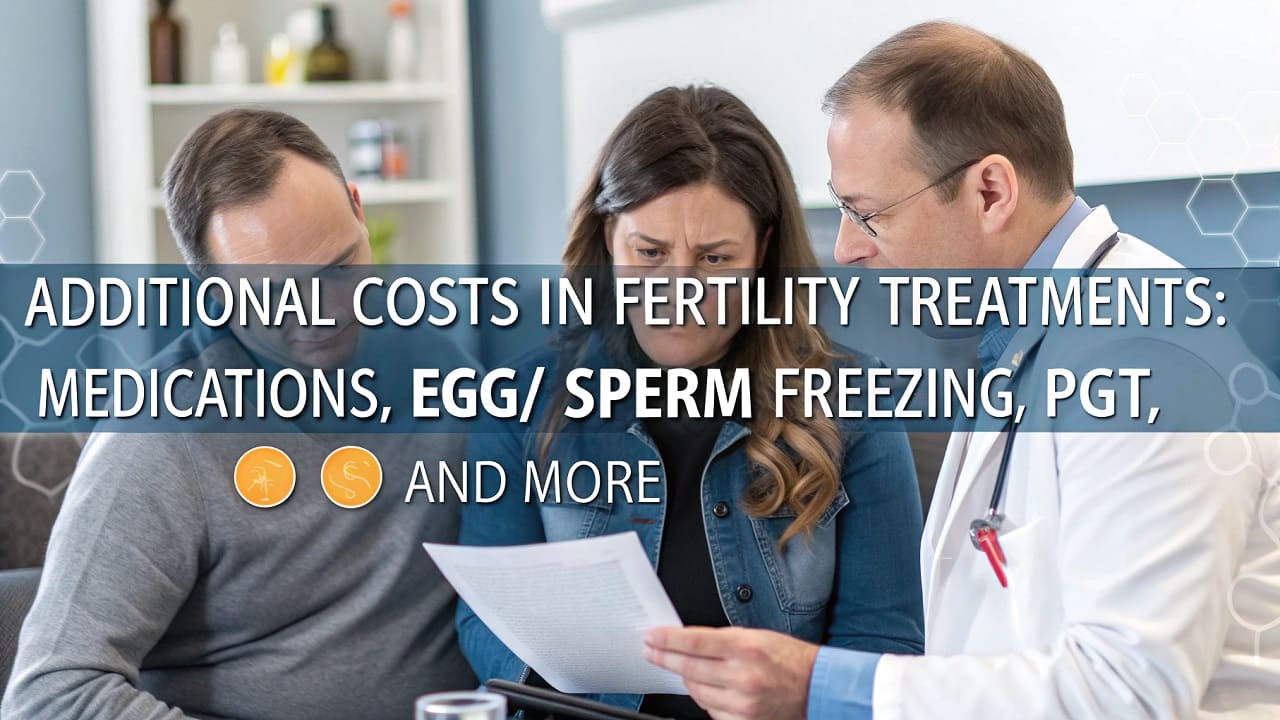
Fertility treatments can provide a lifeline for individuals or couples who are struggling to conceive, but additional fertility treatment costs can mount quickly and unexpectedly. IVF (In Vitro Fertilisation) and multiple subsequent treatments are only the initial stage of fertility treatment; they help you address basic questions and guide you through preliminary procedures. However, you will also need medications, egg or sperm freezing, Preimplantation Genetic Testing (PGT), and additional medical operations, all of which can significantly increase your costs. Knowing what these costs are and preparing for them are critically important for those going through fertility treatments.

Here’s a closer look at some of the additional fertility treatment costs that often arise beyond standard IVF procedures:
Medications are frequently a major component of fertility treatments. For instance, during an IVF cycle, fertility medications stimulate the body to produce multiple eggs necessary for the procedure. Prices for these medications vary from treatment to treatment.
Egg or sperm freezing is an established procedure for people who wish to preserve their fertility, whether for medical or personal reasons. This process also permits patients to freeze eggs or sperm for use later in fertility treatments.
PGT, or genetic screening, is a procedure where embryos are screened for specific genetic disorders or chromosomal abnormalities prior to implantation in IVF. "This test has the potential to minimise the transmission of genetic conditions and maximise the likelihood of a successful pregnancy."
Other ancillary fertility services may incur additional expenses aside from medication, egg/sperm freezing, and genetic testing. These include:
Egg or sperm donation may be needed if individuals or couples cannot use their eggs or sperm. The price for donor eggs or sperm can range widely and depends on whether the donor is anonymous or known, the clinic, and the location.
For patients using egg or sperm donors or going through surrogacy, there are extra legal fees, as contracts need to be drafted to ensure all parties’ rights are protected. Legal fees vary; expect to pay $2,000 to $10,000 or more. Counselling sessions, commonly suggested for individuals or couples undergoing fertility treatments, might come with extra costs as well.
Many insurance plans do not cover fertility treatments, although some will cover specific components of those treatments. This can result in patients having to cover the entire cost themselves. The clinic may offer payment plans, loans, or financing options to help with finances.
While fertility treatments can be a source of hope for many, the costs can be steep. Fertility medications, egg/sperm freezing, genetic testing, and other services can significantly contribute to the total cost of fertility care. It’s important that people and couples discuss possible additional costs with their fertility clinic in advance and consider if they need to explore financing options. Fertility treatments aren’t cheap, and understanding additional fertility treatment costs, like medications, storage, and genetic testing, is essential for financial planning. Thankfully, ongoing advancements in reproductive medicine continue to improve outcomes.



Womb transplantation is giving women with absolute uterine factor infertility the chance to carry and deliver their own child. This article explains how the process works from donor to delivery, who may be suitable, the risks involved and what recent births from living and deceased donors mean for patients.

Advanced female age causes fertility decline through reduced egg quantity, increased chromosomal abnormalities, and mitochondrial dysfunction. Understanding these biological mechanisms helps women make informed family planning decisions. Modern fertility treatments including IVF, preimplantation genetic testing, and egg freezing offer practical solutions to overcome age-related reproductive challenges when trying to conceive.
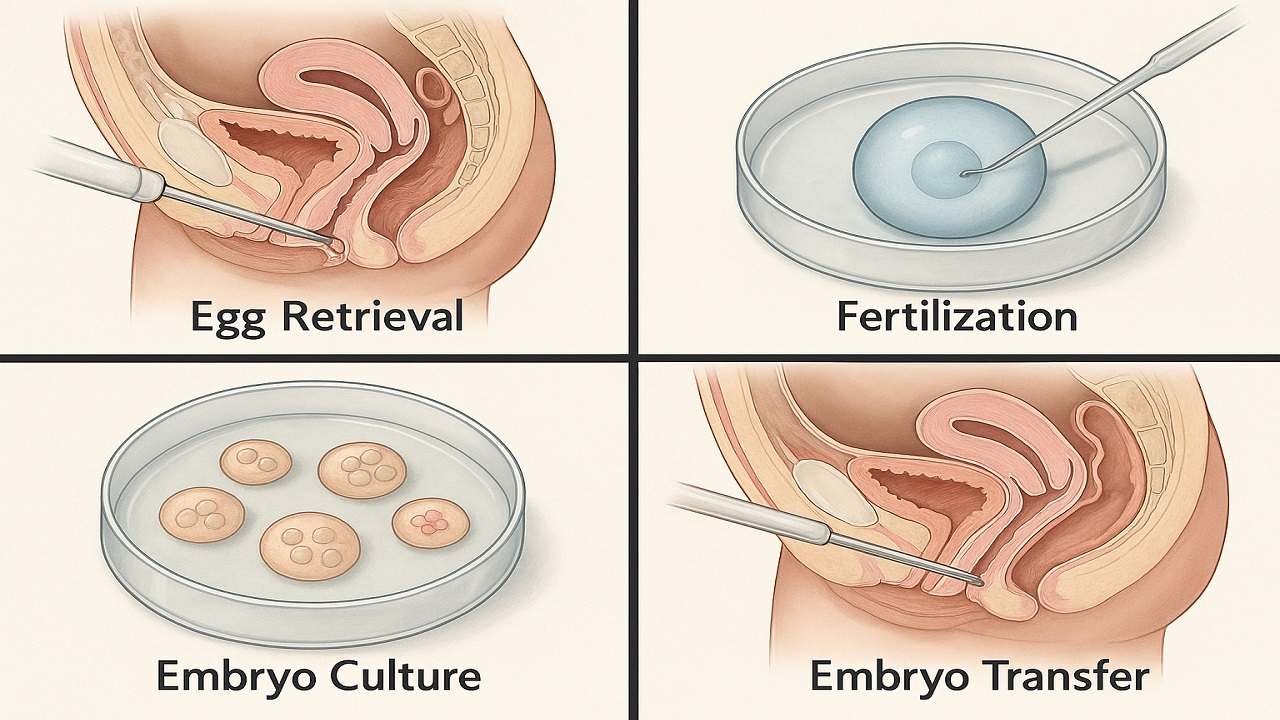
In Vitro Fertilization (IVF) process step by step, emphasising the importance of various stages such as ovarian stimulation, egg retrieval, fertilization, and embryo transfer in maximising the In Vitro Fertilization (IVF) Success Rate. It highlights how a thorough understanding of the procedure can prepare couples and individuals for their In Vitro Fertilization(IVF) journey, ultimately improving their chances of achieving a successful pregnancy.

Vitamin D Deficiency Affect IVF outcomes by influencing endometrial receptivity, embryo quality, and hormone balance. Clinical evidence, age-specific risks, and PCOS implications, while offering actionable strategies to optimize Vitamin D levels and improve IVF success rates and pregnancy outcomes in a structured, patient-focused approach.
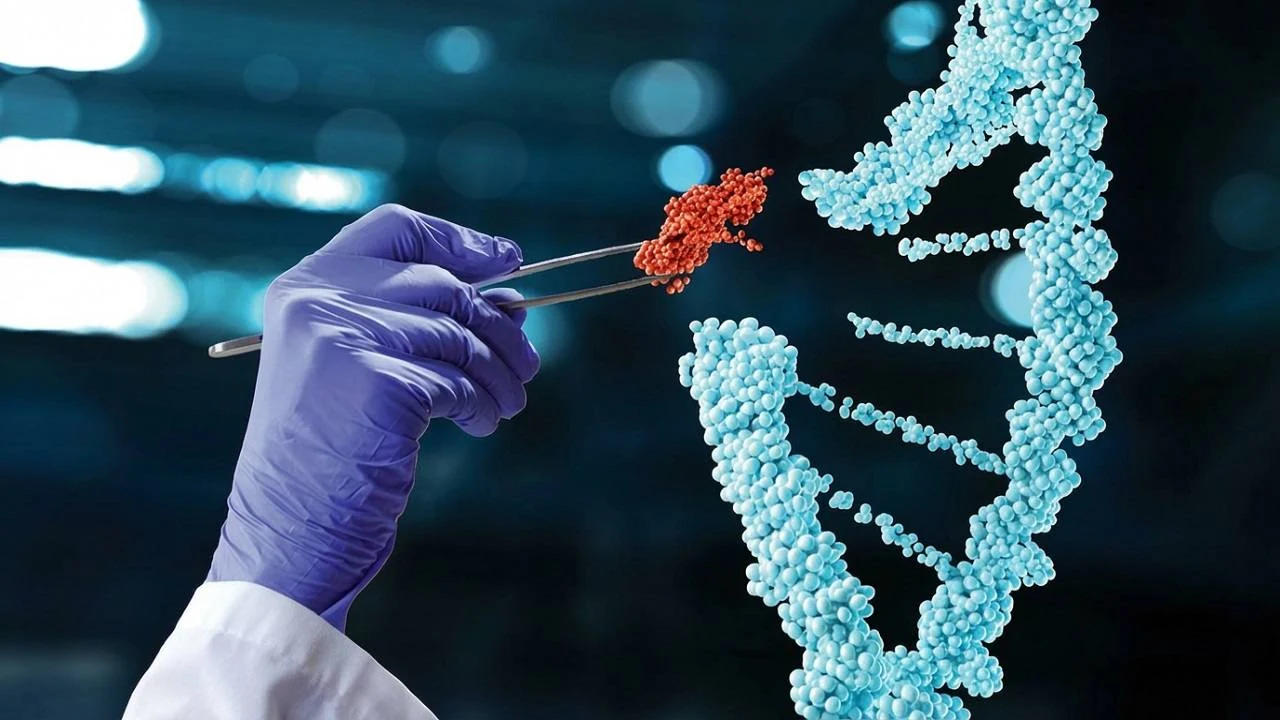
Preimplantation Genetic Testing (PGT) revolutionizes IVF by screening embryos for chromosomal abnormalities and genetic disorders before transfer. This advanced technology increases pregnancy success rates, reduces miscarriage risk, prevents inherited diseases, and shortens time to pregnancy while providing diagnostic clarity and reducing emotional stress for couples.

Clinical evidence increasingly demonstrates that emotional stress or grief reduces the chances of IVF success through sophisticated biochemical pathways that directly influence reproductive physiology. This relationship extends far beyond simple correlations, revealing profound mechanistic connections between psychological distress and the delicate orchestration of hormonal events essential for successful conception.
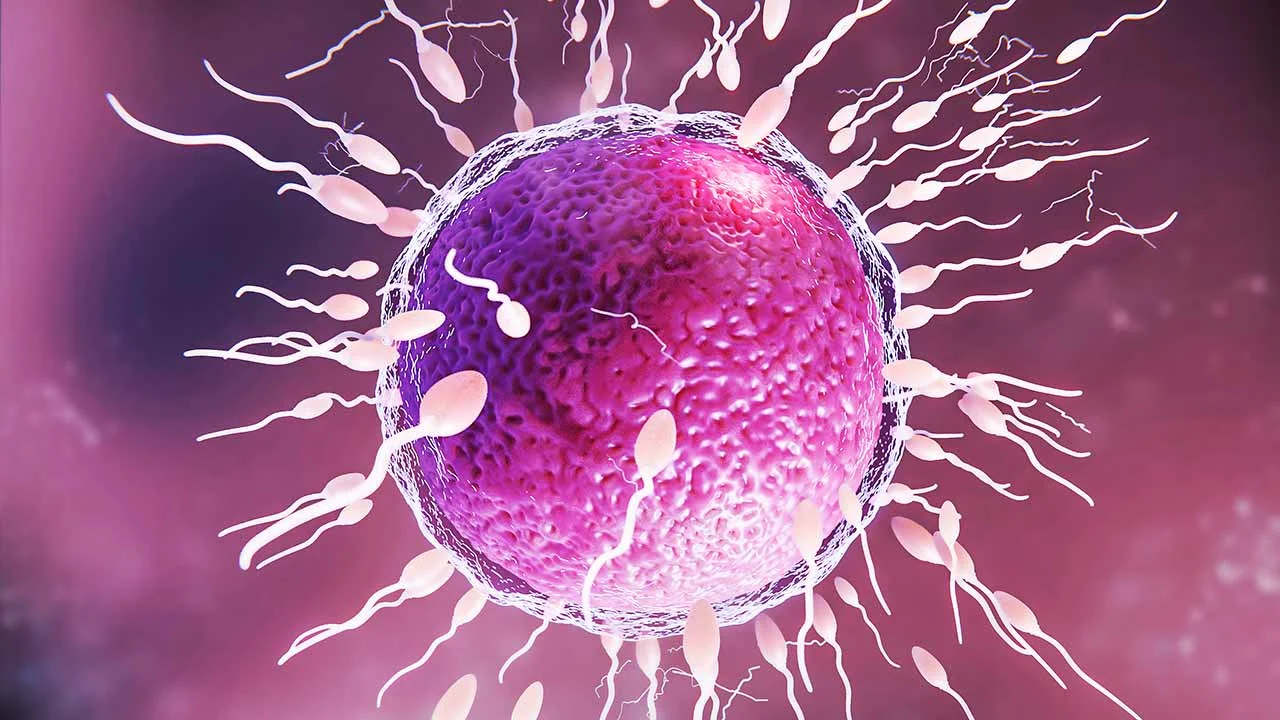
IVF in 2025 is shifting from hype to evidence-based innovation. As precision, automation, AI, and genetic advances reshape fertility care, patients must distinguish proven breakthroughs from outdated add-ons. This guide examines five groundbreaking IVF technologies in 2025 to understand which advances genuinely improve outcomes