Home
 ArticlesArticles
The Department of Health – Abu Dhabi has launched the Abu Dhabi Programme for the Future of Reproductive Health, with a 2030 roadmap that includes a target to boost IVF success to 80%, up from a current rate of 59%. The programme integrates genomics, AI, precision medicine, and the world's first Global Reproductive Health Advisory Council.



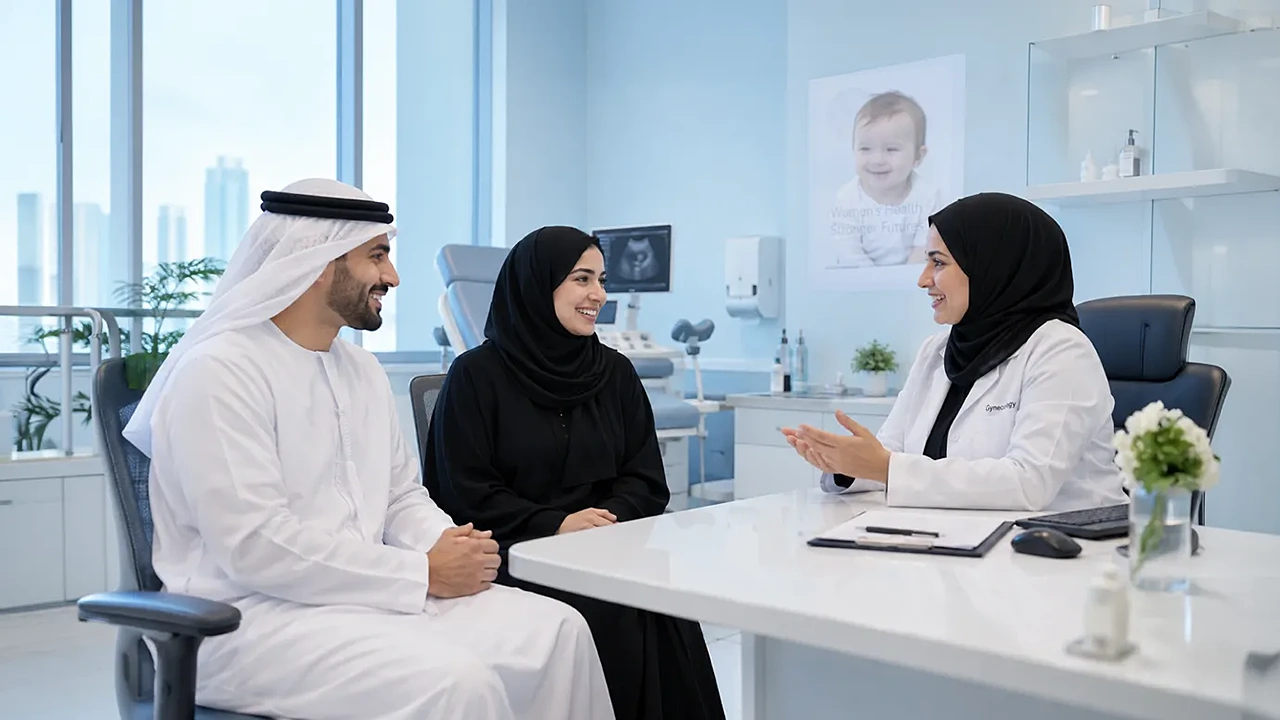
The Department of Health – Abu Dhabi (DoH) has formally launched the Abu Dhabi Programme for the Future of Reproductive Health, along with a detailed roadmap for achieving its targets by 2030. The announcement reflects Abu Dhabi's stated ambition to position itself as a global capital for reproductive health, not merely as a provider of advanced fertility services, but as a centre that creates knowledge, accelerates innovation, and actively shapes international standards.
At the heart of the programme's ambitions is a specific and measurable clinical target: to boost IVF success to 80% across the emirate. Abu Dhabi's current IVF success rate stands at 59%, already placing it among the highest in the world. Reaching 80% would represent a step-change in outcomes, and the programme sets out the tools it intends to use to get there: precision medicine, genomics, artificial intelligence, health data analytics, and a research ecosystem designed to translate scientific discovery directly into clinical practice.
The programme is framed from the outset as an ecosystem rather than a standalone health initiative. It brings together more than 2,000 clinical, scientific, and technical experts across various areas of reproductive health, working across more than 250 facilities. The scope of care it covers is deliberately broad, spanning prevention and preconception health, genetic screening, fertility diagnosis and treatment, assisted reproductive technologies including IVF, and fertility preservation encompassing egg freezing and embryo preservation.
Central to the programme's design is a principle of shared responsibility between men and women across the reproductive health journey, a framing that positions the programme not only as a clinical infrastructure but as a social investment in healthier families and more stable communities.
His Excellency Mansoor Ibrahim Al Mansoori, Chairman of the Department of Health – Abu Dhabi, set out the programme's founding intent:
"Abu Dhabi is once again making its mark on the global healthcare landscape by building a pioneering programme for the future of reproductive health, one that advances prevention and early intervention by integrating data, genomics, scientific research and advanced clinical expertise. Through the Abu Dhabi Programme for the Future of Reproductive Health, we aim to continue delivering proactive, personalised care that supports individuals and families throughout every stage of their reproductive health journey and translates innovation into tangible health outcomes. In doing so, we are reinforcing Abu Dhabi's position as the capital of the future of reproductive health and a leading global destination for its services."
Her Excellency Dr. Noura Khamis Al Ghaithi, Undersecretary of the Department of Health – Abu Dhabi, emphasised that the programme begins well before any patient enters a fertility clinic:
"Reproductive health begins long before treatment is needed, with prevention and early screening that enable us to identify risks and intervene at the right time. Through this programme, we are bringing together healthcare providers, researchers and innovators, supported by genomics, advanced technologies and a flexible regulatory environment that enables the responsible adoption of the latest medical advances. Together, these capabilities allow us to provide more precise and personalised care, with one goal at the heart of our efforts: to give everyone who dreams of starting a family a better chance of making that dream a reality."
That vision of reproductive health as a continuum beginning with prevention rather than a response to infertility runs throughout the programme's architecture. The aim is to identify inherited risks earlier, support more informed reproductive decisions, and reduce the transmission of genetic conditions before they become clinical challenges requiring intervention.
Genomics and genetic testing occupy a central position in the programme's clinical strategy. Abu Dhabi is leveraging a database of nearly one million genomes, alongside premarital and preconception genetic screening programmes, to enable earlier identification of inherited risks and support better-informed reproductive decisions.
Within the assisted reproductive journey specifically, genetic testing and genomic data are integrated to support the selection of embryos with the strongest potential for healthy development and implantation, to better understand the factors associated with fertility challenges, and to enable more personalised and effective treatment pathways. It is this integration of genomics into the IVF process, alongside AI and health data analytics, that forms the technological backbone of the plan to boost IVF success to 80%.
Among the programme's most significant structural innovations is the establishment of the world's first Global Reproductive Health Advisory Council. Convened by the Department of Health – Abu Dhabi, the council brings together leading international experts and researchers with a mandate to contribute to the development of global standards, identify research priorities, strengthen international collaboration, and accelerate the translation of leading practices and innovations into Abu Dhabi's clinical environment.
The designation of Centres of Excellence will further expand the programme's capabilities, alongside the attraction of leading international medical centres, companies, and world-class physicians, scientists, researchers, and embryologists. These additions are designed to bring advanced knowledge and expertise to Abu Dhabi while strengthening local capabilities and reinforcing the emirate's role as a global centre for excellence and innovation in reproductive health.
The programme's ambitions are underpinned by infrastructure that Abu Dhabi has been building over a sustained period. An advanced healthcare and digital ecosystem, an agile regulatory environment, and a growing research infrastructure together provide the foundation for deploying precision medicine, genomics, AI, and health data analytics at scale not as pilot programmes but as integrated features of routine clinical practice.
The regulatory environment is described in the programme as a key differentiator: a framework that enables the responsible adoption of the latest medical advances without the institutional inertia that can slow clinical translation in more rigid regulatory environments. This agility is positioned as central to the emirate's ability to keep pace with rapid global advances in medicine and life sciences and to translate those advances into better patient outcomes.
The Abu Dhabi Programme for the Future of Reproductive Health is explicitly positioned not as a service for the emirate alone, but as a contribution to shaping the future of the field globally. By building an ecosystem that creates knowledge, accelerates innovation, and advances standards, technologies, and solutions, Abu Dhabi aims to influence how reproductive health is understood and delivered well beyond its borders benefiting families and advancing human health and quality of life across the UAE and beyond.
For patients, what the programme ultimately promises is more precise, more personalised, and more effective care at every stage of the reproductive health journey from preconception screening and prevention through to assisted reproduction and fertility preservation. The target to boost IVF success to 80% is the programme's most visible commitment, but it is also a consequence of a much larger architectural ambition: to make Abu Dhabi the place where the future of reproductive health is being built.


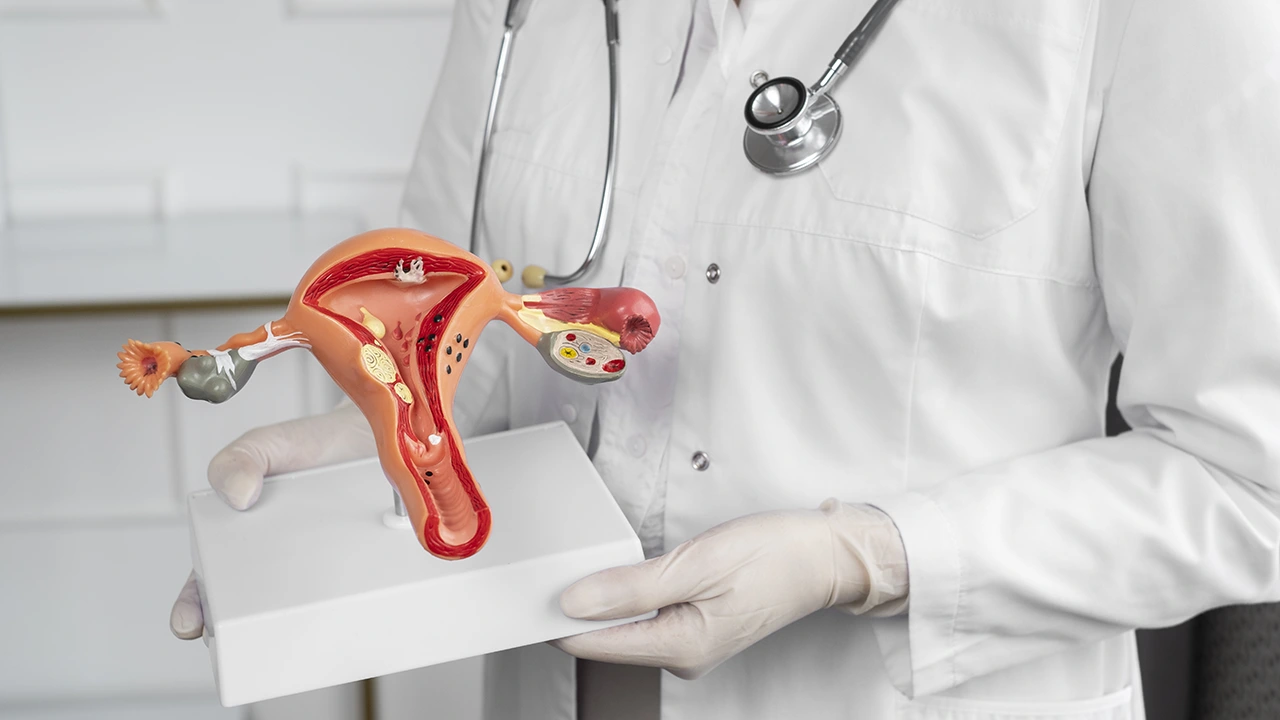
Womb transplantation is giving women with absolute uterine factor infertility the chance to carry and deliver their own child. This article explains how the process works from donor to delivery, who may be suitable, the risks involved and what recent births from living and deceased donors mean for patients.

Advanced female age causes fertility decline through reduced egg quantity, increased chromosomal abnormalities, and mitochondrial dysfunction. Understanding these biological mechanisms helps women make informed family planning decisions. Modern fertility treatments including IVF, preimplantation genetic testing, and egg freezing offer practical solutions to overcome age-related reproductive challenges when trying to conceive.
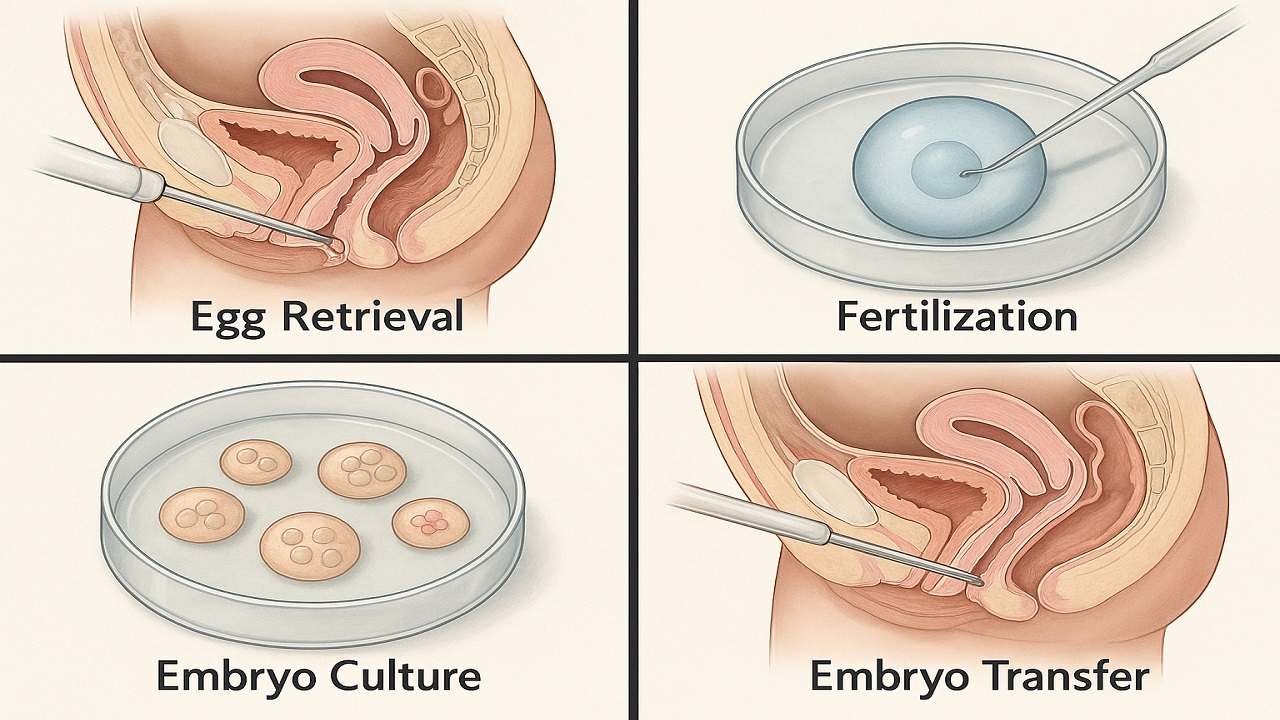
In Vitro Fertilization (IVF) process step by step, emphasising the importance of various stages such as ovarian stimulation, egg retrieval, fertilization, and embryo transfer in maximising the In Vitro Fertilization (IVF) Success Rate. It highlights how a thorough understanding of the procedure can prepare couples and individuals for their In Vitro Fertilization(IVF) journey, ultimately improving their chances of achieving a successful pregnancy.

Vitamin D Deficiency Affect IVF outcomes by influencing endometrial receptivity, embryo quality, and hormone balance. Clinical evidence, age-specific risks, and PCOS implications, while offering actionable strategies to optimize Vitamin D levels and improve IVF success rates and pregnancy outcomes in a structured, patient-focused approach.
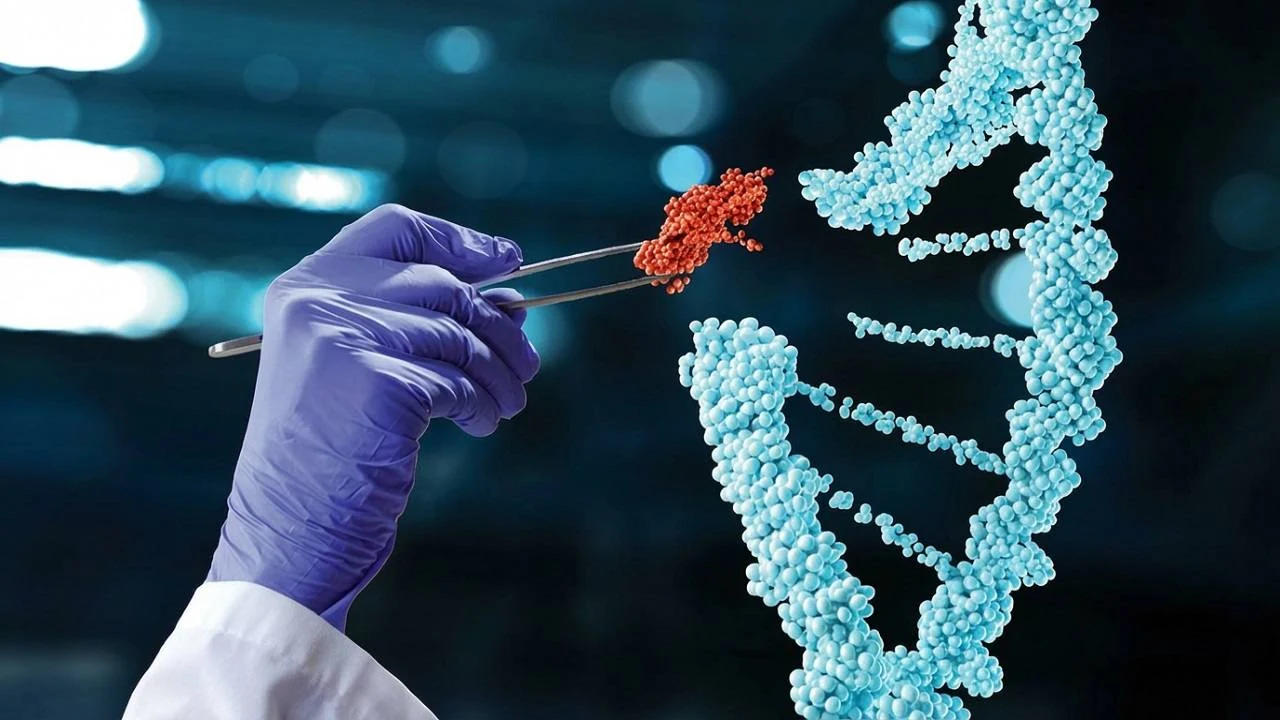
Preimplantation Genetic Testing (PGT) revolutionizes IVF by screening embryos for chromosomal abnormalities and genetic disorders before transfer. This advanced technology increases pregnancy success rates, reduces miscarriage risk, prevents inherited diseases, and shortens time to pregnancy while providing diagnostic clarity and reducing emotional stress for couples.

Clinical evidence increasingly demonstrates that emotional stress or grief reduces the chances of IVF success through sophisticated biochemical pathways that directly influence reproductive physiology. This relationship extends far beyond simple correlations, revealing profound mechanistic connections between psychological distress and the delicate orchestration of hormonal events essential for successful conception.