Home
 ArticlesArticles
Donor egg IVF uses eggs from a healthy donor, fertilized in a lab, and transferred to the intended mother's uterus. This fertility treatment helps women with poor egg quality, premature menopause, genetic concerns, or failed IVF cycles achieve pregnancy. Success rates range from 50-75%, offering hope for parenthood.



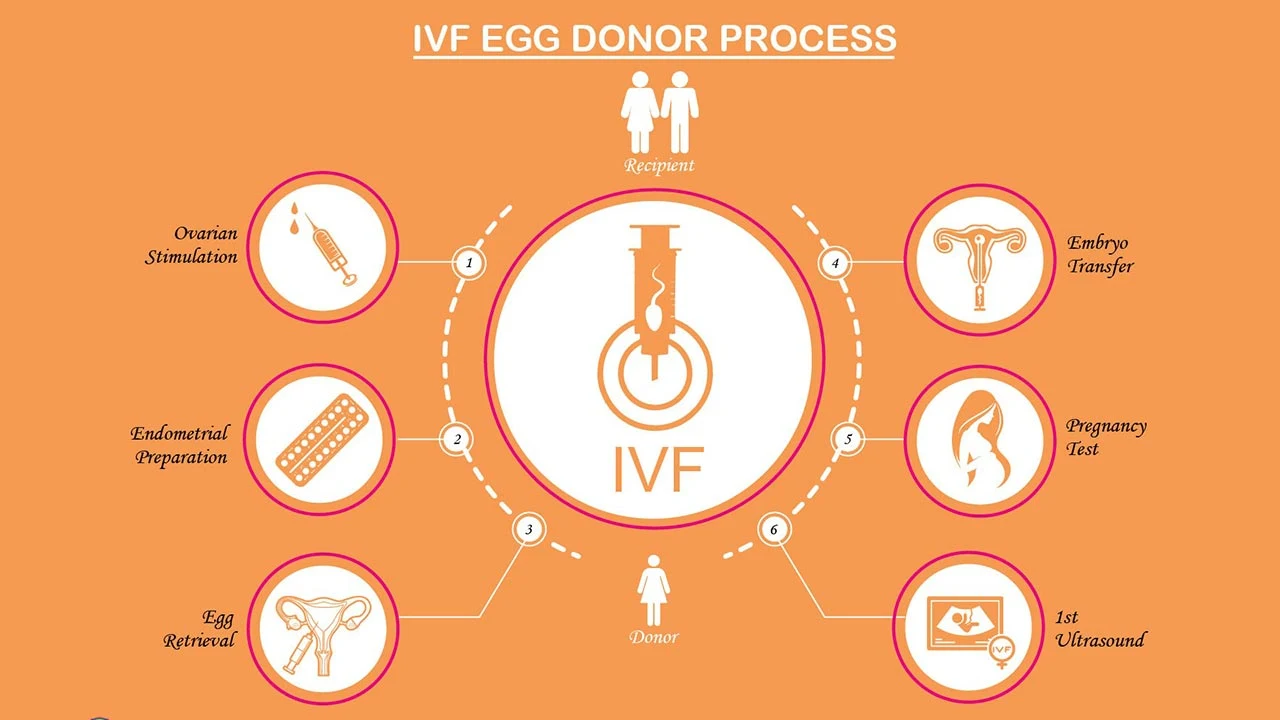
When facing infertility challenges, many individuals and couples discover that traditional conception methods may not work for them. Donor egg IVF (In Vitro Fertilization) offers a path to parenthood for those who cannot use their own eggs to conceive. This treatment has helped thousands of families welcome healthy babies, providing hope when other options have been exhausted. Understanding what donor egg IVF involves, who it can help, and what to expect can empower you to make informed decisions about your fertility journey.
Donor egg IVF is a fertility treatment where eggs from a healthy donor are fertilized with sperm (from a partner or donor) in a laboratory. The resulting embryo is then transferred into the uterus of the intended mother or a gestational carrier.
This treatment combines advanced reproductive technology with the generosity of egg donors to create families.
Donor egg IVF isn't just one solution for one problem, it helps various people facing different fertility challenges.
The common thread is that these individuals want to experience pregnancy and childbirth, even if they cannot use their own eggs.
Understanding the timeline and stages can help reduce anxiety about the unknown.

Donor egg IVF typically has higher success rates than standard IVF, especially for women over 40.
Success rates often range from 50-75% per transfer, significantly higher than IVF with a woman's own eggs after age 40. Many people achieve pregnancy within one to three cycles.
Choosing donor egg IVF involves more than medical decisions, it's an emotional journey.
Donor egg IVF requires financial and logistical planning.
Total costs often range from $25,000 to $50,000 per cycle, though this varies by location and specific circumstances. Some insurance plans offer partial coverage, and many clinics provide financing options.
If you're considering donor egg IVF, you don't have to navigate this path alone.
We at FertilityIn understand that choosing donor eggs for IVF is a deeply personal decision. Take time to educate yourself, process your emotions, and seek support from medical professionals and loved ones. Thousands of families have found joy and fulfillment through this path, with the right information and support, you can make the choice that's right for your family's future.



Advanced female age causes fertility decline through reduced egg quantity, increased chromosomal abnormalities, and mitochondrial dysfunction. Understanding these biological mechanisms helps women make informed family planning decisions. Modern fertility treatments including IVF, preimplantation genetic testing, and egg freezing offer practical solutions to overcome age-related reproductive challenges when trying to conceive.
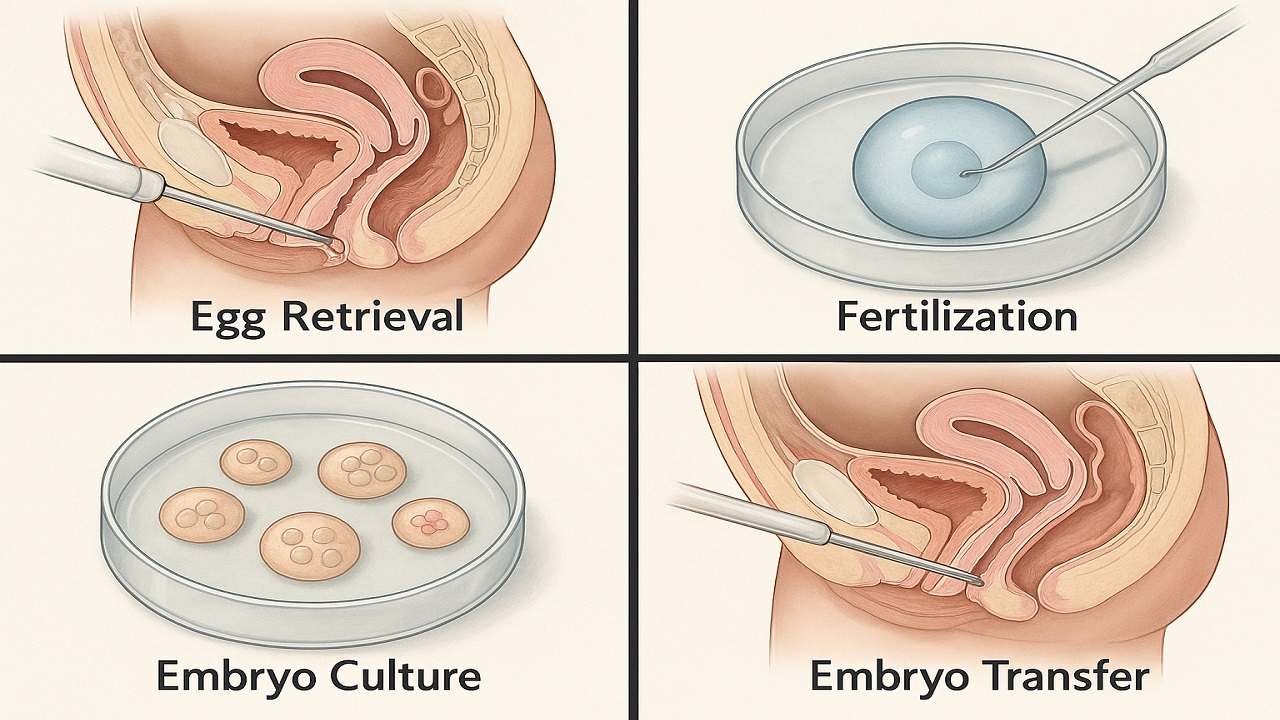
In Vitro Fertilization (IVF) process step by step, emphasising the importance of various stages such as ovarian stimulation, egg retrieval, fertilization, and embryo transfer in maximising the In Vitro Fertilization (IVF) Success Rate. It highlights how a thorough understanding of the procedure can prepare couples and individuals for their In Vitro Fertilization(IVF) journey, ultimately improving their chances of achieving a successful pregnancy.

Vitamin D Deficiency Affect IVF outcomes by influencing endometrial receptivity, embryo quality, and hormone balance. Clinical evidence, age-specific risks, and PCOS implications, while offering actionable strategies to optimize Vitamin D levels and improve IVF success rates and pregnancy outcomes in a structured, patient-focused approach.
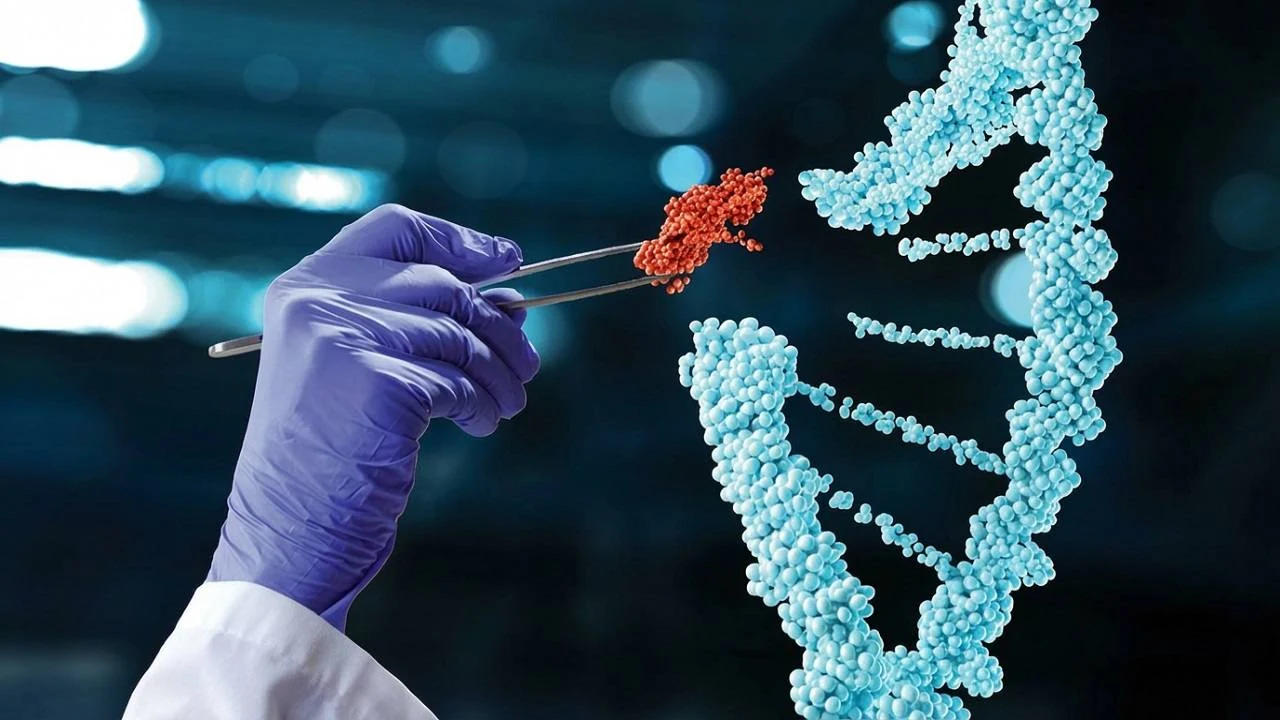
Preimplantation Genetic Testing (PGT) revolutionizes IVF by screening embryos for chromosomal abnormalities and genetic disorders before transfer. This advanced technology increases pregnancy success rates, reduces miscarriage risk, prevents inherited diseases, and shortens time to pregnancy while providing diagnostic clarity and reducing emotional stress for couples.

Clinical evidence increasingly demonstrates that emotional stress or grief reduces the chances of IVF success through sophisticated biochemical pathways that directly influence reproductive physiology. This relationship extends far beyond simple correlations, revealing profound mechanistic connections between psychological distress and the delicate orchestration of hormonal events essential for successful conception.
IVF in 2025 is shifting from hype to evidence-based innovation. As precision, automation, AI, and genetic advances reshape fertility care, patients must distinguish proven breakthroughs from outdated add-ons. This guide examines five groundbreaking IVF technologies in 2025 to understand which advances genuinely improve outcomes

Managing Recurrent Implantation Failure (RIF) outlines evidence-based diagnostics and treatment pathways to improve IVF success rates, emphasizing clarity, cautious use of add-ons, and realistic patient expectations.