Home
 ArticlesArticles
Personalized fertility nutrition tailors diet to individual biology, focusing on anti-inflammatory, Mediterranean-style eating and micronutrient balance. By aligning genetics, metabolism, and lifestyle, this approach supports ovulation, hormone health, and conception readiness, creating a science-backed, food-first foundation for improving fertility outcomes and overall preconception wellness.



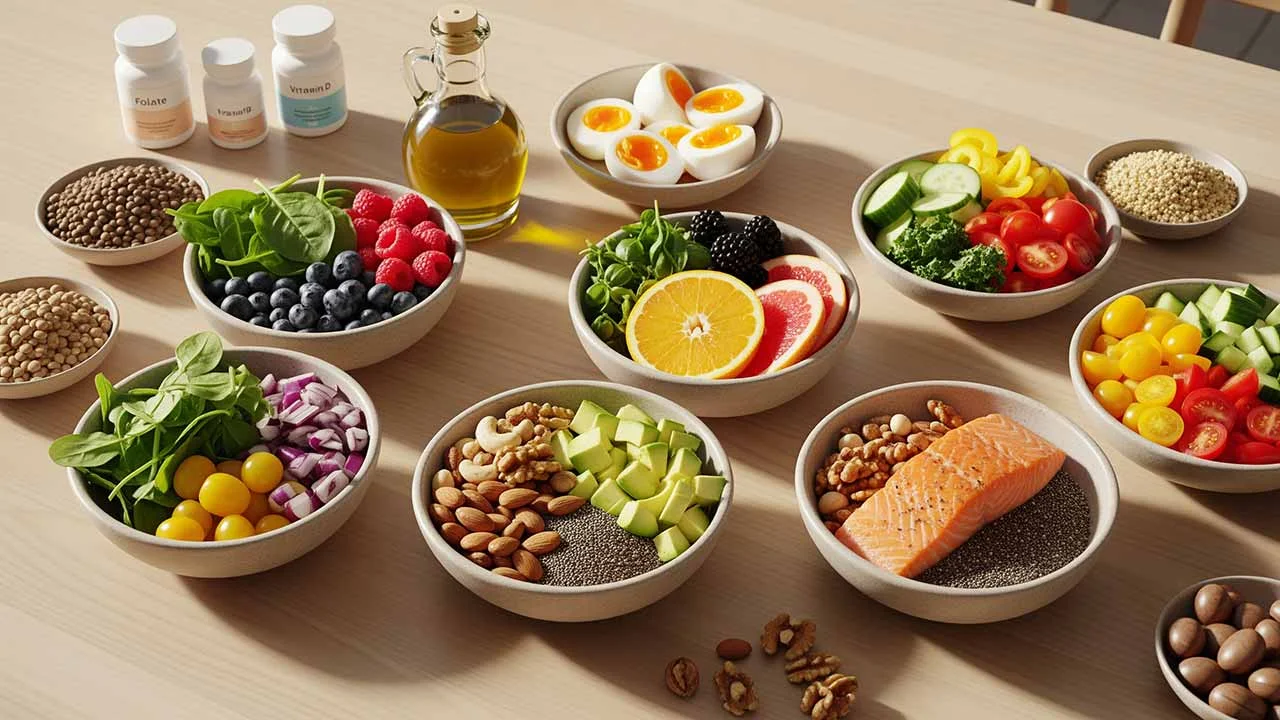
Personalized fertility nutrition is an emerging, evidence-aligned approach that adapts dietary patterns to an individual’s biology, lifestyle, and clinical context to support healthy ovulation, oocyte quality, implantation, and early embryo development. While no single “fertility diet” guarantees conception, converging research supports anti-inflammatory, Mediterranean-style patterns, micronutrient sufficiency, and targeted personalization using genetics, metabolomics, and microbiome insights as a practical, low-risk foundation for improving fertility potential and preconception health.
Fertility is influenced by differences in genetics, epigenetics, metabolism, immune tone, and the microbiome, which helps explain why generic diets produce inconsistent results across individuals. Precision strategies sometimes called personalized fertility nutrition—aim to match dietary choices to a person’s phenotype and modifiable risk factors such as inflammation, insulin dynamics, and nutrient status to achieve better reproductive outcomes. This approach complements core preconception care frameworks from professional bodies by embedding nutrition within broader risk assessment and counseling.
Across scoping reviews and updates, adherence to Mediterranean-style patterns shows the most consistent association with improved clinical pregnancy measures, including among those using assisted reproductive technologies, though evidence remains heterogeneous overall. Hallmarks include higher intake of vegetables, fruits, whole grains, legumes, fish, and olive oil; lower intake of trans fats and ultra-processed foods; and balance across proteins, carbohydrates, and unsaturated fats, which collectively relate to healthier metabolic and inflammatory profiles linked to fertility. At the same time, expert guidance underscores that no specific macronutrient prescription reliably improves natural fertility for everyone, reinforcing the case for individualized planning anchored in general healthy eating principles and specific micronutrient needs.
Multiple reviews highlight the importance of one-carbon metabolism (folate and choline), antioxidant capacity, and trace elements for oocyte and embryo environment quality, with folic acid universally supported in preconception care. Vitamin D insufficiency is common among women of childbearing age, and addressing deficits before conception is increasingly emphasized in reproductive nutrition practice. In IVF settings, normalizing trace elements such as zinc, copper, and selenium in follicular fluid has been observed with multi-micronutrient supplementation, alongside improvements in serum status, suggesting a role for targeted repletion where deficits are documented. Professional consensus, however, cautions against assuming universal supplement benefits beyond folic acid without an individualized assessment, further underscoring a personalized fertility nutrition approach.
Reviews emphasize meaningful signals for Mediterranean-style patterns and anti-inflammatory choices, yet call out heterogeneity and the need for controlled trials to define magnitudes of effect across populations and ART pathways. Leading professional opinions advise against promising specific macronutrient manipulations as fertility cures, advocating instead for individualized, evidence-aligned nutrition within comprehensive preconception care a stance that harmonizes with personalized fertility nutrition. This balanced view supports clinicians and executives in backing personalization initiatives that are pragmatic, measurable, and integrated with clinical workflows.
Personalized fertility nutrition integrates Mediterranean-style principles, micronutrient sufficiency, and phenotype-driven adjustments to create a pragmatic, evidence-aligned path for conception support without overpromising a single “fertility diet”. As part of preconception care, this tailored approach can improve metabolic and inflammatory tone, restore key nutrient levels, and align both partners on sustainable, food-first strategies that complement medical management and ART where needed. For professionals and executives, operationalizing personalized fertility nutrition is a strategic, patient-centered investment that balances scientific rigor with real-world feasibility and measurable outcomes.


Human infertility treatment is undergoing a major transformation through bioengineering innovations. From AI-driven embryo selection to microfluidics, regenerative medicine, and gene editing, these technologies are improving precision, success rates, and personalisation in reproductive care, offering new hope to individuals and couples facing complex fertility challenges worldwide.

Queer exclusion from ART and Surrogacy continues to shape global reproductive laws, limiting access for LGBTQ+ individuals. While some nations embrace inclusive policies, others maintain restrictive frameworks, raising critical questions around equality, human rights, and the evolving definition of family in the age of advanced reproductive technologies.
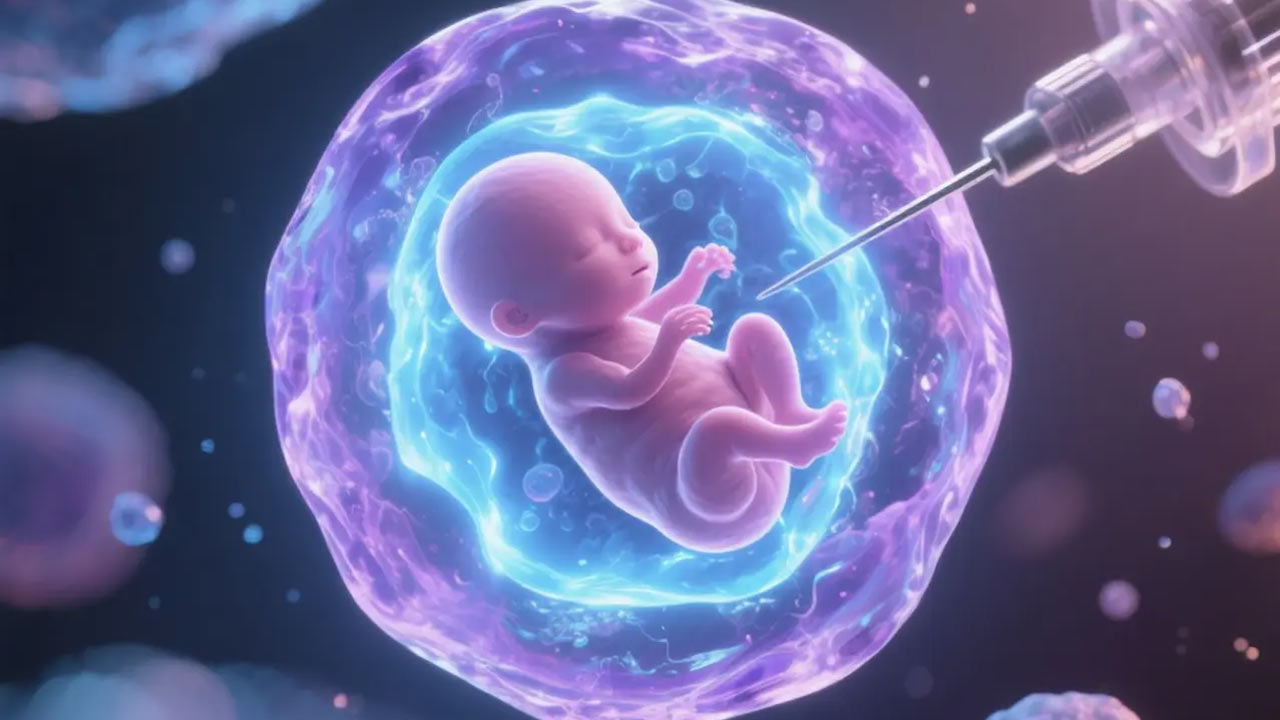
Embryo donation and adoption provides a unique path to parenthood, allowing families to experience pregnancy using donated embryos. With strong clinical success rates, secure legal frameworks, and growing global accessibility, this approach offers hope to individuals, couples, and diverse family structures seeking an alternative to traditional fertility treatments.
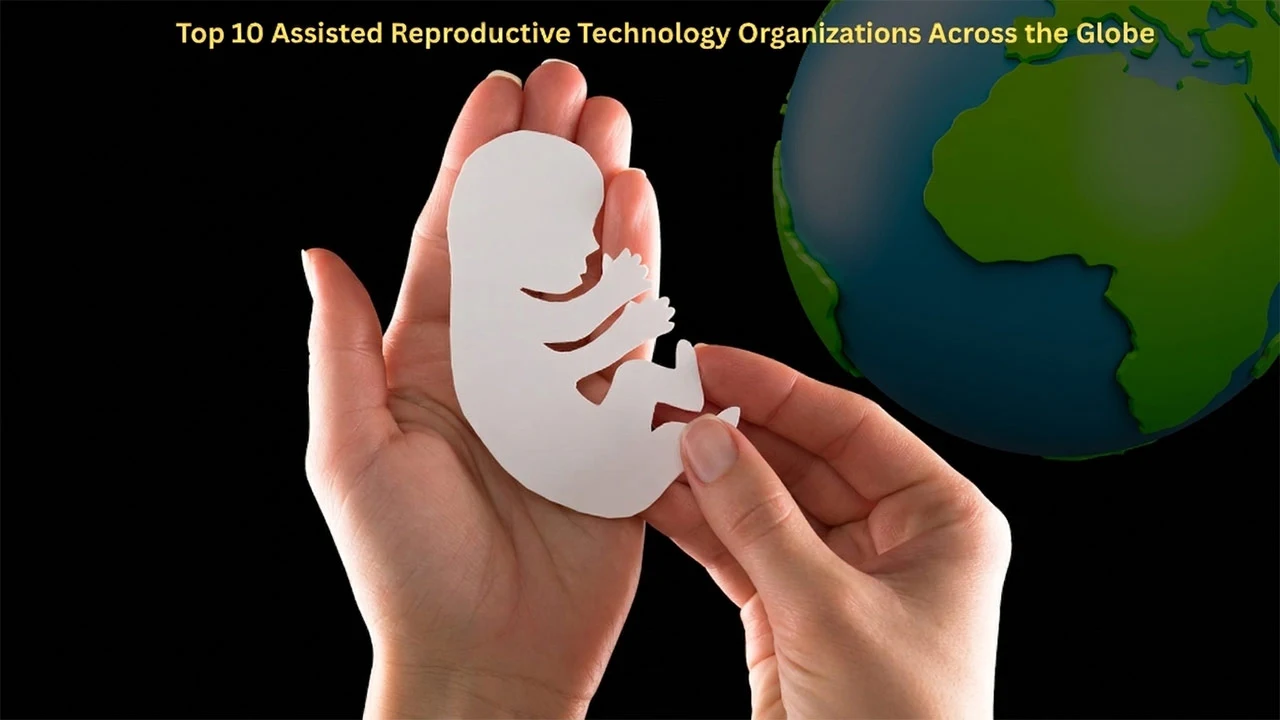
Global leaders in assisted reproductive technology - ART drive innovation in IVF, set clinical standards, and improve access to fertility treatments and research worldwide while advancing patient outcomes and scientific excellence.

Common questions about pregnancy with polycystic ovary syndrome (PCOS) through IVF and IUI. It discusses PCOS-related infertility, success rates, treatment options, and the importance of personalised protocols. Emphasising holistic care and emotional support, it offers hope and insights for women navigating the challenges of PCOS.

The possibility of who can women conceive through ART after vaginal cancer Survival. It examines the impact of cancer treatments on fertility, the role of ART, and the challenges faced by survivors. Highlighting success stories and emerging research, it offers hope for women seeking motherhood after cancer.
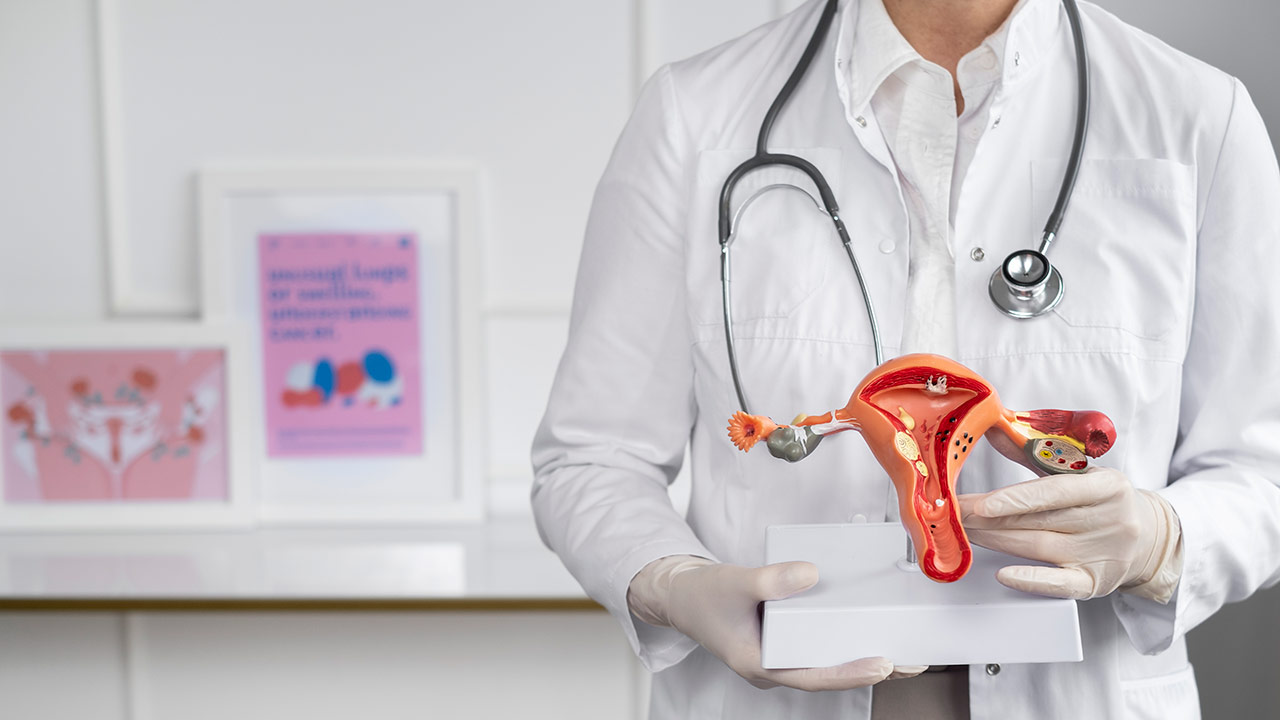
A comprehensive overview of the risks and side effects of ART, such as in vitro fertilization (IVF), intracytoplasmic sperm injection (ICSI), and other related techniques. It discusses common complications like ovarian hyperstimulation syndrome (OHSS), multiple pregnancies, and ectopic pregnancies, which can occur as a result of fertility treatments. fertility clinic scene with doctors