Home
 ArticlesArticles
Cryopreservation and embryo freezing, highlighting their critical role in fertility treatments like In Vitro Fertilization (IVF). With advances such as vitrification, improved cryoprotectants, and enhanced thawing techniques, cryopreservation and embryo freezing now offer higher success rates, flexibility, and better reproductive control, paving the way for future family planning.



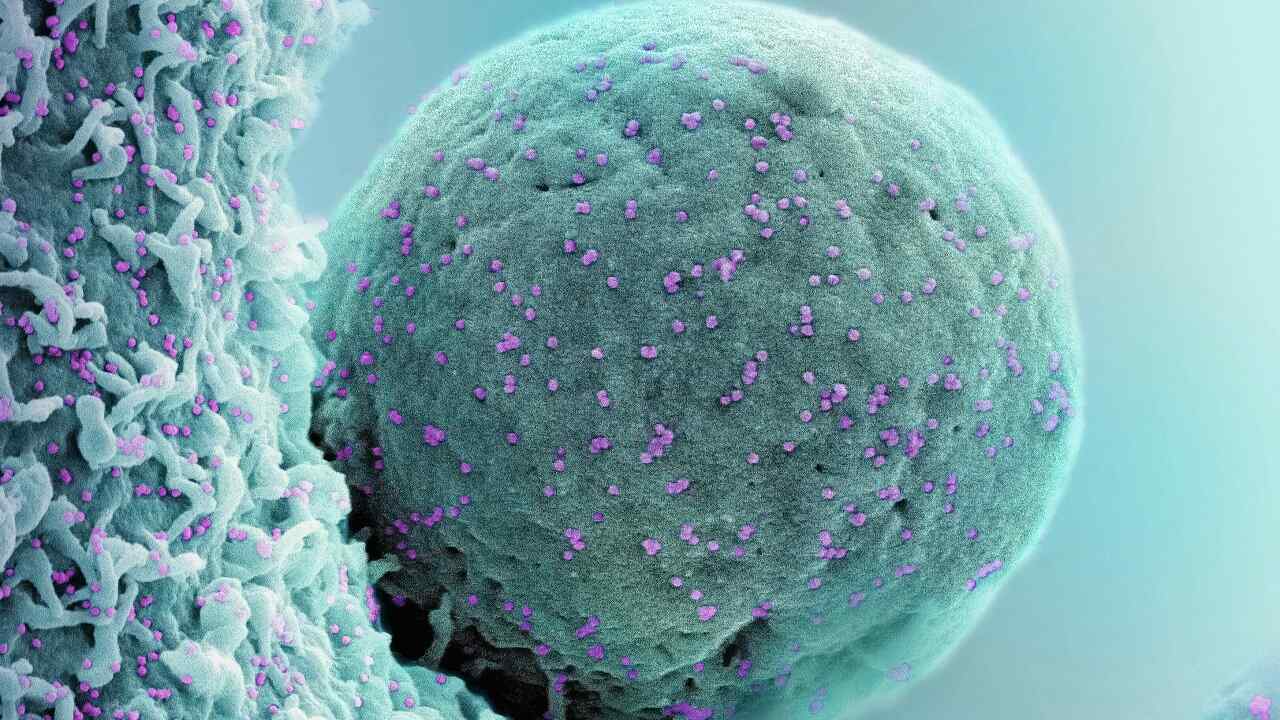
Cryopreservation and the freezing of embryos are revolutionary technologies that have fundamentally changed the landscape of fertility therapies, allowing patients more options, enhanced rates of conception, and the ability to store reproductive tissue for use in later years. These have become essential components of assisted reproductive technologies (ART) such as In Vitro Fertilization (IVF), enabling patients to freeze eggs, sperm, and embryos for future use. More recent innovations in cryopreservation and embryo freezing processes have contributed to higher success rates with reduced risk factors and more efficient methods for storing and thawing reproductive biological material.
In the following article, we will be looking at the most recent advances in cryopreservation and embryo freezing technology, their importance, and the effect they have on the success rates of fertility treatments.

Cryopreservation is the act of cooling biological material to very low temperatures to cease metabolic and biochemical activity. This chemical enables the preservation of cells, tissues, or embryos for potential future use without deterioration. Cryopreservation is now widely applied in fertility treatments and is employed to store eggs, sperm, embryos, and even ovarian or testicular tissue. Cryopreservation is the practice of employing extremely low temperatures to preserve the viability of cells and tissues, and embryo freezing is a specific application of this technology in which in vitro fertilized embryos are frozen until transfer.
Cryopreservation allows fertility patients to:
Cryopreservation and embryo freezing technology have greatly advanced in the last few decades. As a result, frozen-embryo survival rates, thawed-embryo pregnancy rates, and freezing efficiency have all improved. Here are some notable advances in this area.
1. Vitrification: A Game Changer in Cryopreservation
Vitrification has been one of the key advances in cryopreservation technology in recent years. This technique, which has largely replaced slower freezing methods, involves freezing embryos or eggs rapidly by immersing them in a cryoprotectant solution and then cooling them rapidly. This rapid cooling process causes the liquid within the cells to solidify into a glass-like substance (thus the term “vitrification”), preventing the formation of ice crystals that can damage the cells.
Vitrification has revolutionised cryopreservation in several ways:
Cryoprotectants prevent the formation of ice in the maturing oocyte during the freezing process. These solutions work by preventing ice crystals from forming in the cells, which can cause irreversible damage, and instead replace the water within those cells. Over time, there were improvements in cryoprotectant types and concentrations, and cryopreserved embryos and eggs improved.
Freezing oocytes (eggs) is an established practice; follicle or ovarian tissue cryopreservation is a newer and highly promising technique. Freezing ovarian tissue is especially advantageous for women who want to maintain their ability to have children before undergoing therapies like chemotherapy that can damage eggs.
Increasingly in IVF treatments, a single-embryo transfer (SET) is performed, when one embryo rather than several is placed in the uterus. This method lowers the chance of multiple pregnancies (for instance, twins or triplets) but increases the likelihood of a successful pregnancy with just one embryo.
Extra embryos that aren't being used are kept frozen until they are needed, which is the common strategy of freeze- all, often combined with SET (single embryo transfer), meaning all embryos created in one IVF cycle are frozen at once instead of being moved into the womb in that cycle. Additionally, this strategy permits a woman's body time to recover from ovarian stimulation and the IVF procedure itself, which can help reduce the risk of complications such as ovarian hyperstimulation syndrome (OHSS). Freezing all embryos and transferring them at a later time also gives patients the benefit of time to evaluate the best embryo for transfer.
The thawing of cryopreserved embryos and eggs has long been a tricky business. In recent years, advances in the methods for thawing, such as controlled-rate thawing and post-thaw specific protocols, have increased the likelihood of the viable recovery of frozen reproductive material.
Cryopreservation and the technology for freezing embryos have dramatically changed the landscape of fertility treatment, affording patients more options, flexibility, and higher rates of success. Advancements in cryopreservation during the last couple of decades, such as the move to vitrification, more proficient cryoprotectants, and improved thawing and freezing techniques, have resulted in the survival of greater numbers of embryos and improved patient outcomes. It is good to know that ovarian tissue and also eggs can be frozen for future use, which is especially important for women that are undergoing treatment for medical conditions that can impact reproductive health. With advancements in technology, the future of fertility preservation is bright and full of potential, enabling individuals and couples with a desire to delay family building to do so on their own schedule.


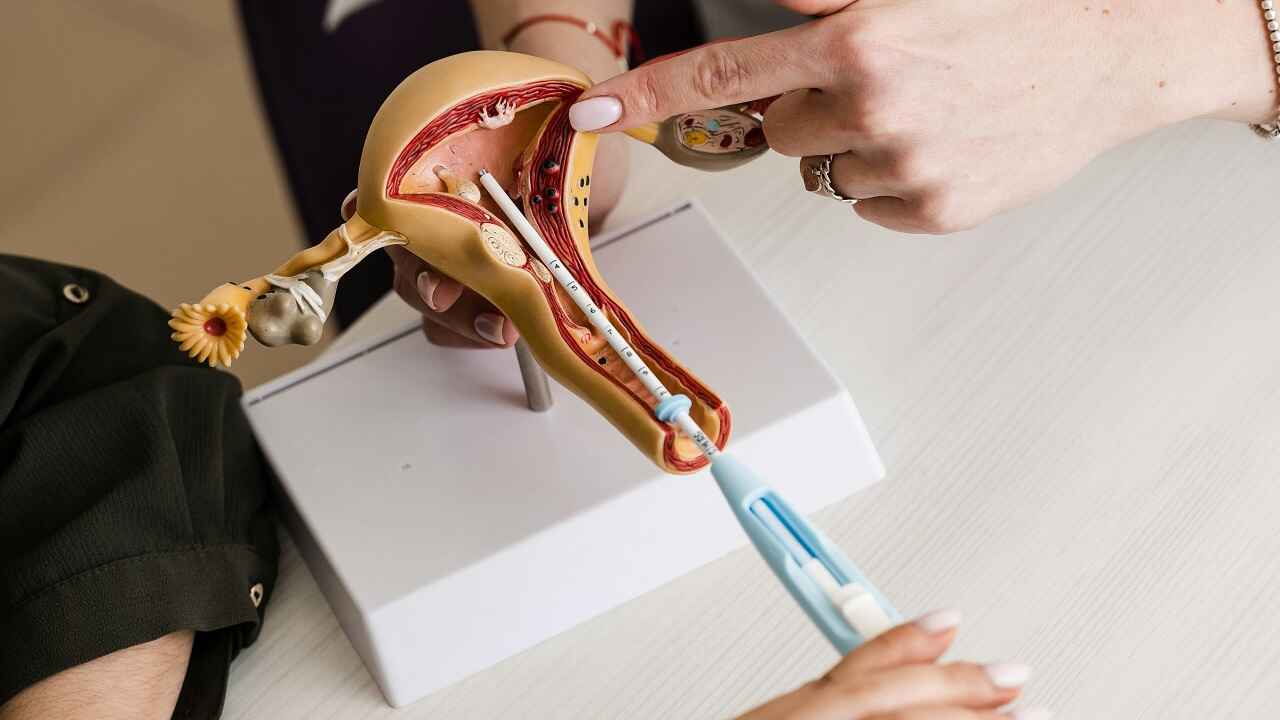
The Egg Retrieval Procedure details its importance in the In Vitro Fertilization (IVF) and Intracytoplasmic Sperm Injection (ICSI) processes for collecting mature eggs for fertilization. It outlines the steps involved in the Egg Retrieval Procedure, including ovarian stimulation, the actual retrieval method, and post-procedure care while addressing potential risks and complications.

Assess quality when seeking low-cost fertility treatments abroad, emphasizing the importance of clinic accreditation and medical expertise. It emphasises the value of transparency in pricing and services, encouraging patients to research low-cost fertility treatments thoroughly to avoid hidden fees. Patient reviews and communication with healthcare providers are crucial factors in ensuring a positive experience and successful outcomes in fertility tourism.
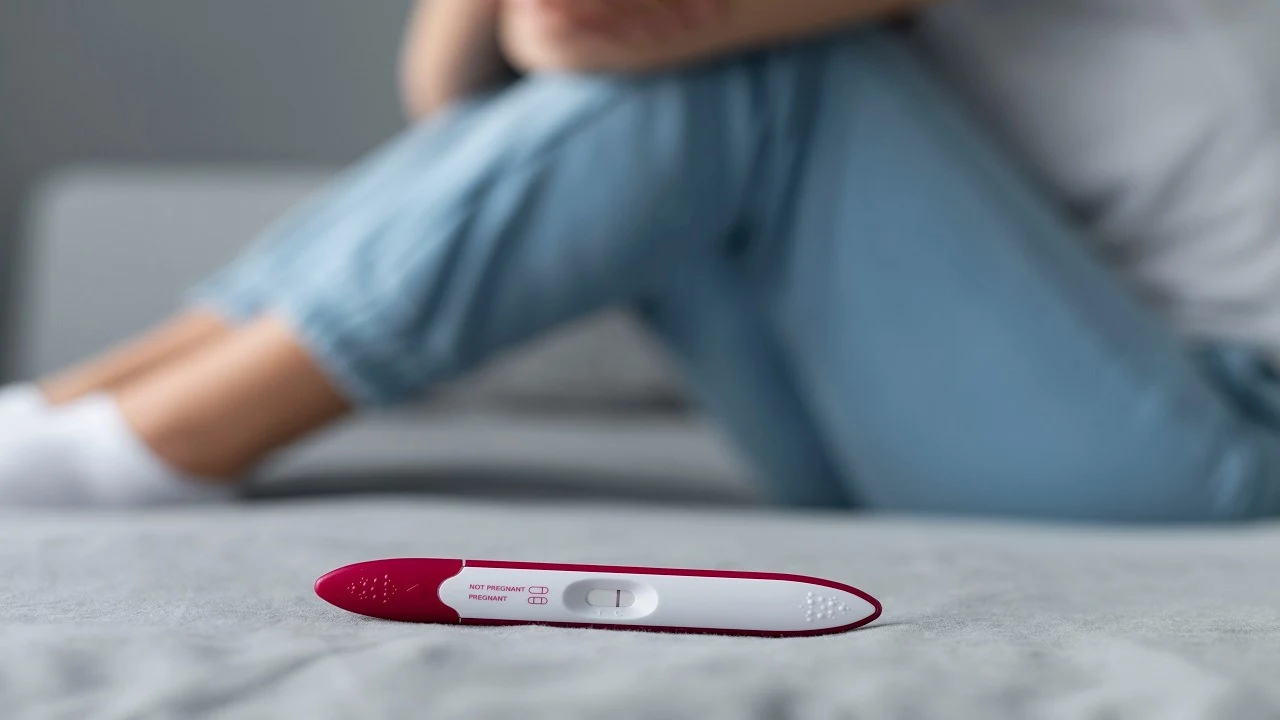
Guidance on why first IVF cycles fail, how to adjust protocols, when to consider donor gametes or PGT-A, and how to plan emotionally and financially for retries to improve cumulative success.
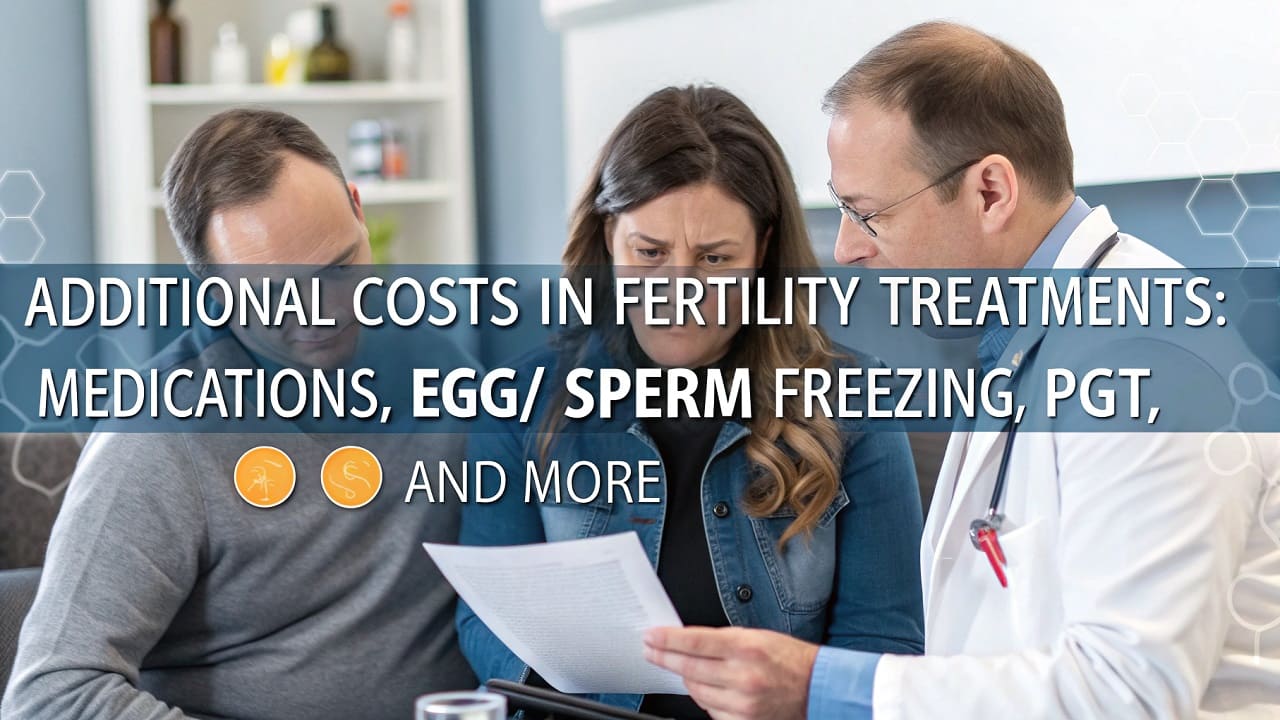
The additional fertility treatment costs that individuals and couples may encounter, including medications, egg/sperm freezing, and genetic testing. Understanding these additional fertility treatment costs is crucial for effective financial planning during the fertility journey.

The Czech Republic has emerged as Europe’s IVF affordability hub, offering world-class fertility treatment at nearly half the cost of Western Europe. With regulated clinics, transparent pricing, and high success rates, it stands as a trusted destination for patients seeking ethical, safe, and affordable assisted reproduction.

How sleep quality affects IVF success, examining hormonal changes, ovarian response, embryo quality, and pregnancy risks, while highlighting emerging clinical research and lifestyle strategies that improve reproductive outcomes.
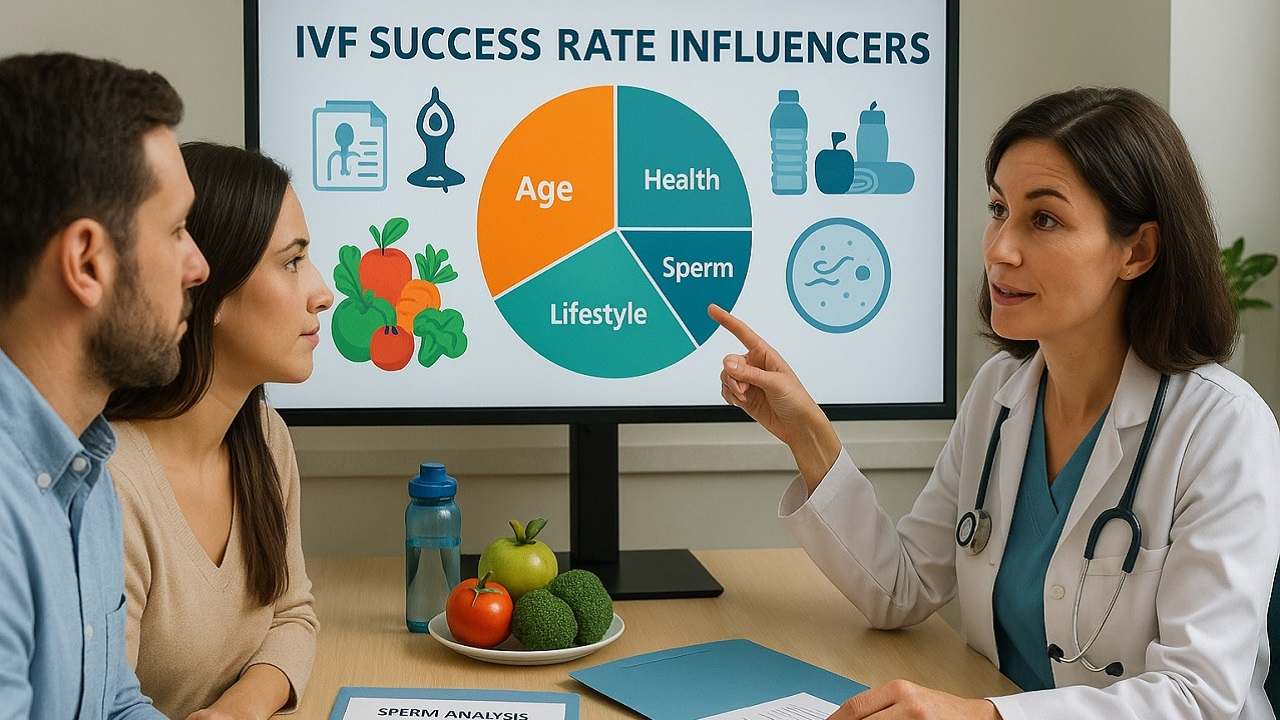
The various factors affecting In Vitro Fertilization (IVF) success rates, highlighting the significant roles of age, health, and lifestyle choices in achieving successful outcomes. It emphasises that optimising these factors can significantly improve an individual's or couple's chances of conceiving through IVF.